

“When I help someone smile again, it feels as though I too have been healed. That is the joy that keeps me going.”
Introduction
The life of Dr. Sijuwade Olaniyi-Oloyede is a testament to resilience, service, and a lifelong dedication to humanity. Born on the 27th of May, 1965, in Nigeria, she entered a world where education, discipline, and compassion were prized virtues. Her parents, Mrs. Lora Oloyede and Chief, Captain, Rufus Olaniyi-Oloyede, embodied those values and instilled them deeply into their children. Her father, a military officer who later became a customary judge, represented authority, fairness, and community leadership. Her mother, remembered for her generosity and simple kindness, was known for sharing food and resources with neighbors and strangers alike. These twin influences—discipline and compassion—became the defining compass of her journey.
Her childhood was rich in movement and cultural exposure. Owing to her father’s military career, the family lived in different regions across Nigeria. This not only cultivated adaptability but also gave her the ability to communicate across languages and communities, embracing Yoruba, Hausa, Igbo, and Bayelsa alongside English. The family’s travels exposed her to diverse traditions and ways of life, and when the time came for stability, her father placed her and her siblings in boarding school to anchor their education. In that environment, she developed a sense of responsibility, resilience, and ambition. Academic achievement in her home was non-negotiable—her father, known for pasting report cards on the wall for everyone to see, encouraged competition and excellence. In that atmosphere, she grew determined to make education her lifelong pursuit.
Dr. Sijuwade’s academic path reflects both perseverance and evolution. From her Higher National Diploma in Administration at The Polytechnic, Ibadan, to later studies in the United Kingdom—including degrees in Health and Social Care, Professional Health Studies, Health Care Management, and Project Management—her education was never an end in itself but a tool for service. Each qualification became another layer of capacity, allowing her to understand systems, lead people, and design solutions for those in need. Her studies mirrored her ambition: to combine managerial competence with compassion for the vulnerable.
Her career, both in Nigeria and the UK, bears the imprint of adaptability and service. She began with roles in teaching, banking, and corporate environments before her calling in healthcare crystallized. The transition to the UK marked a shift: she moved from corporate work into direct care, starting with foundational roles in health and social care agencies. These early experiences were demanding, involving work with young people with autism, mental health conditions, and challenging behaviors. Yet, they offered her the chance to practice patience, creativity, and empathy on the frontline of care. Her approach was never to see limitations but to identify hidden strengths. She believed in empowerment, and her work bore fruit—whether in guiding a young man with autism to train as a barista and later build a family, or in helping refugees navigate the maze of language, law, and livelihood.
One of the most defining chapters of her career came with Independence Way Ltd, where she managed a semi-independence project for young refugees. Arriving without English, often carrying trauma and uncertainty, these young men found in her not just a house manager but a surrogate mother, teacher, and advocate. With Google Translate, pictures, and persistence, she helped them acquire language, enter education, and secure legal status in the UK. She became their guide through solicitors, housing, and benefits. She was the steady hand in their crises, the one who encouraged them when failures loomed, and the first person they called to share triumphs like passing a driving test. Her pride was not in what she achieved for them, but in watching them build independence and dignity.
“The values you inherit in childhood are the compass you carry into adulthood. My parents gave me the gift of generosity, and it has guided me all my life.”
Phase 1: Roots of Compassion: The Dawn of a Journey
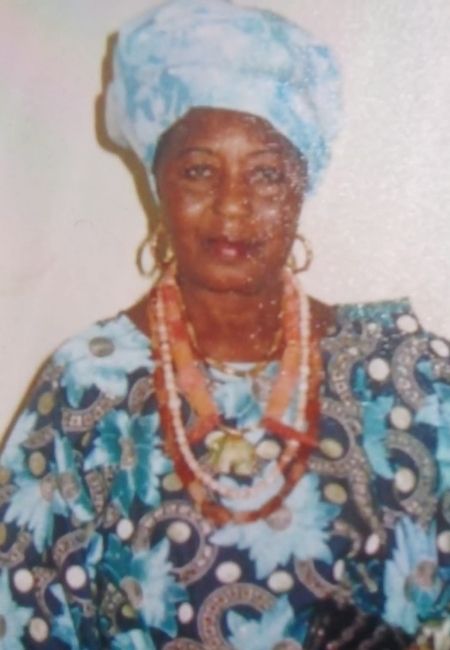
Dr. Sijuwade Olaniyi-Oloyede’s life began on the 27th of May, 1965, in Nigeria, a land vibrant with culture, tradition, and deep-rooted community ties. Born to Chief, Captain. Rufus Olaniyi-Oloyede, a disciplined military officer who would later become a customary judge, and Mrs. Lora Oloyede, a woman whose simplicity and generosity touched countless lives, Sijuwade grew up in a household where service and education were not just encouraged but insisted upon. Their influence did not end with words—it was reflected in the way they lived each day.
Her father’s life in uniform meant frequent postings across Nigeria. From the bustling towns of the South to the vast stretches of the North and the diverse communities of the West, the family often packed up and moved. To some children, this might have felt like disruption. But for Sijuwade, it was a gift. She was exposed to different cultures, foods, and languages. Yoruba from her father’s lineage, Bayelsa and Igbo from her mother’s side, and Hausa from the communities they lived in—all became part of her early tapestry of understanding. This constant exposure to diversity planted in her a natural ability to connect with people across backgrounds, a skill that would later become the cornerstone of her professional and personal identity.
Though mobility offered her cultural wealth, it also threatened educational stability. Her father, wise enough to see the risk, placed her and her siblings in boarding school. The rigidity of boarding life was not easy for a young girl used to family warmth and the freedom of travel, but it was here that discipline was forged. Long study hours, communal living, and the quiet weight of expectations became part of her growing personality. She learned quickly that perseverance was the only way forward.
Her father had his own unique way of ensuring that his children did not slack in their studies. In their home, academic performance was celebrated but also scrutinized. If a child returned home with poor grades, her father would paste the result sheet on the wall of the living room.
“Every beginning matters, no matter how small. The lessons I learned in Nigeria became the soil where my resilience took root.”
Phase 2: Foundations of Ambition: Learning, Labour, and the Nigerian Years
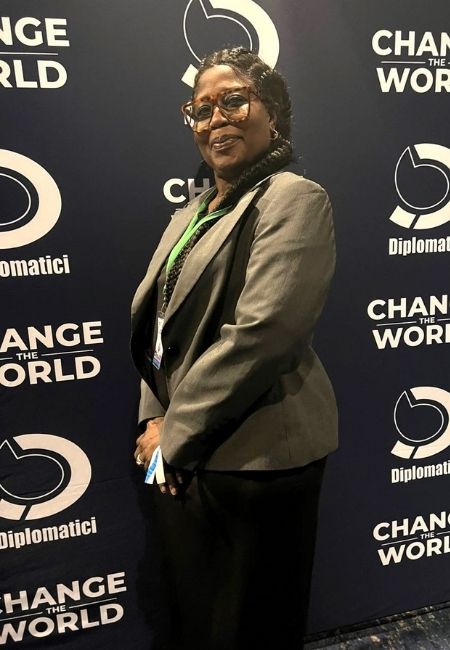
As the 1980s unfolded in Nigeria, a young woman named Sijuwade Olaniyi-Oloyede stepped into adulthood with a determination shaped by her upbringing. Having been fortified by her father’s insistence on discipline and her mother’s quiet generosity, she now carried the responsibility of translating those values into action. Education was not an option but a duty, and her path soon led her to the Polytechnic of Ibadan OYO Sate Nigeria, one of the most respected institutions of learning in the country.
At the Polytechnic, she enrolled in the Higher National Diploma (HND) program in Administration, a course that married her natural organizational abilities with a structured academic framework. Between 1986 and 1992, she immersed herself in lectures, practical coursework, and the bustling life of a campus alive with ambition. The Polytechnic was more than a school—it was a proving ground. Here, she encountered young men and women from across Nigeria, each carrying their own story, each competing for the limited opportunities the country offered. In this crucible, she learned that ambition was not enough; it had to be paired with resilience, focus, and a willingness to adapt.
Her studies were not always easy. Nigeria, during those years, was marked by political uncertainty and economic strain. Inflation, strikes, and interruptions were part of the backdrop. Yet Sijuwade persevered. For her, education was not only a personal aspiration but also a family expectation. She carried the silent weight of being the first daughter, the one who must excel not just for herself but for her mother’s pride and her siblings’ example. And excel she did, earning her diploma with the confidence that it would become a stepping stone to wider opportunities.
Armed with her HND, she entered the workforce at a time when Nigeria’s industries were both expanding and volatile. Her first professional roles reflected a blend of practicality and curiosity. She had always enjoyed teaching, even as a child, so one of her earliest jobs was as an auxiliary teacher. Standing before a classroom.
“Starting over is never easy, but every ending carries within it the seed of a new chapter.”
Phase 3: A New Beginning in a New Land: Rebuilding and Relearning in the UK
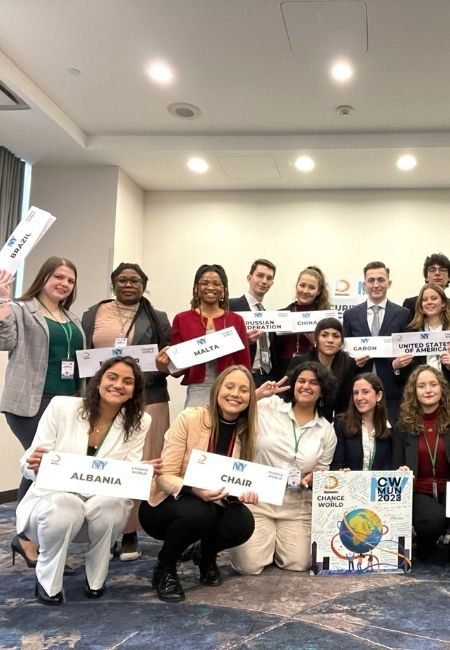
When Dr. Sijuwade Olaniyi-Oloyede stepped onto British soil in the early 2000s, she carried with her more than luggage. She carried the weight of her Nigerian experiences—the discipline of her father, the generosity of her mother, the resilience she had cultivated in the shifting tides of her homeland. But above all, she carried a determination to rebuild. Moving to the United Kingdom was not simply migration—it was transformation.
Her early years in Britain were far from glamorous. She had left behind the corporate offices and classrooms of Nigeria and entered a new world where her qualifications were only partially recognized, and her path had to be rebuilt from the ground up. It was a humbling transition, but humility was never weakness for Sijuwade—it was her strength. She embraced the reality that she must start again, and she did so with courage and patience.
Her first major role in the UK was with DHL/Ricoh Supply Chain Europe, where she worked as an Instructor and Trainer from 2004 to 2015. To some, it might have seemed a step away from her earlier academic training in administration and her corporate experience in Nigeria. But for her, it was an opportunity to build stability and anchor her new life in a foreign land. She applied the same discipline that had guided her in Nigeria to her work in logistics and training. The long shifts, the constant demands, and the responsibility of guiding others were demanding, but she carried them with quiet resilience.
Even as she worked tirelessly to provide for her family, she knew that this was not the end goal. Deep in her heart, she longed to return to the vocation of helping people directly. Teaching and corporate work had honed her skills, but what stirred her soul was service—reaching out to those in need, empowering them, and restoring dignity. She had witnessed hardship in Nigeria and carried with her a compassion that would not remain idle.
Note of Thanks
In the completion of this biography, a story that threads together sixty years of resilience, compassion, and service, heartfelt gratitude flows through every page. Dr. Sijuwade Olaniyi-Oloyede’s journey could not have been told without the voices, hands, and hearts of many who stood beside her in life and in memory.
She wishes first to honor the legacy of her late parents, Chief, Captain, Rufus and Mrs. Lora Oloyede, whose discipline, faith, and generosity became the foundation of her character. Their example lives on, not only in her but in the communities, they touched and in the generations that continue to carry their light.
She extends her deepest thanks to her beloved son, Richard, whose encouragement, achievements, and unwavering pride have been her greatest joy. His words of support and his quiet strength have been constant reminders that her sacrifices were never in vain.
To her siblings, extended family, colleagues, and friends—each has shaped her story with love, guidance, and presence. Their encouragement has been both anchor and wind, steadying her through storms and lifting her when she dared to dream beyond limitations.
She also expresses profound gratitude to the countless individuals she has served—the refugees, mothers, children, patients, and families who entrusted her with their vulnerabilities. They, in their courage, gave her purpose, and their resilience taught her as much as she ever offered them.
Finally, gratitude is extended to every hand that helped bring this biography into being—the researchers, writers, and supporters who wove together her words and memories into a narrative of truth and grace.
Thanks
Dr. Sijuwade Olaniyi-Oloyede