“Everything you’ve ever wanted is on the other side of fear.”
Introduction
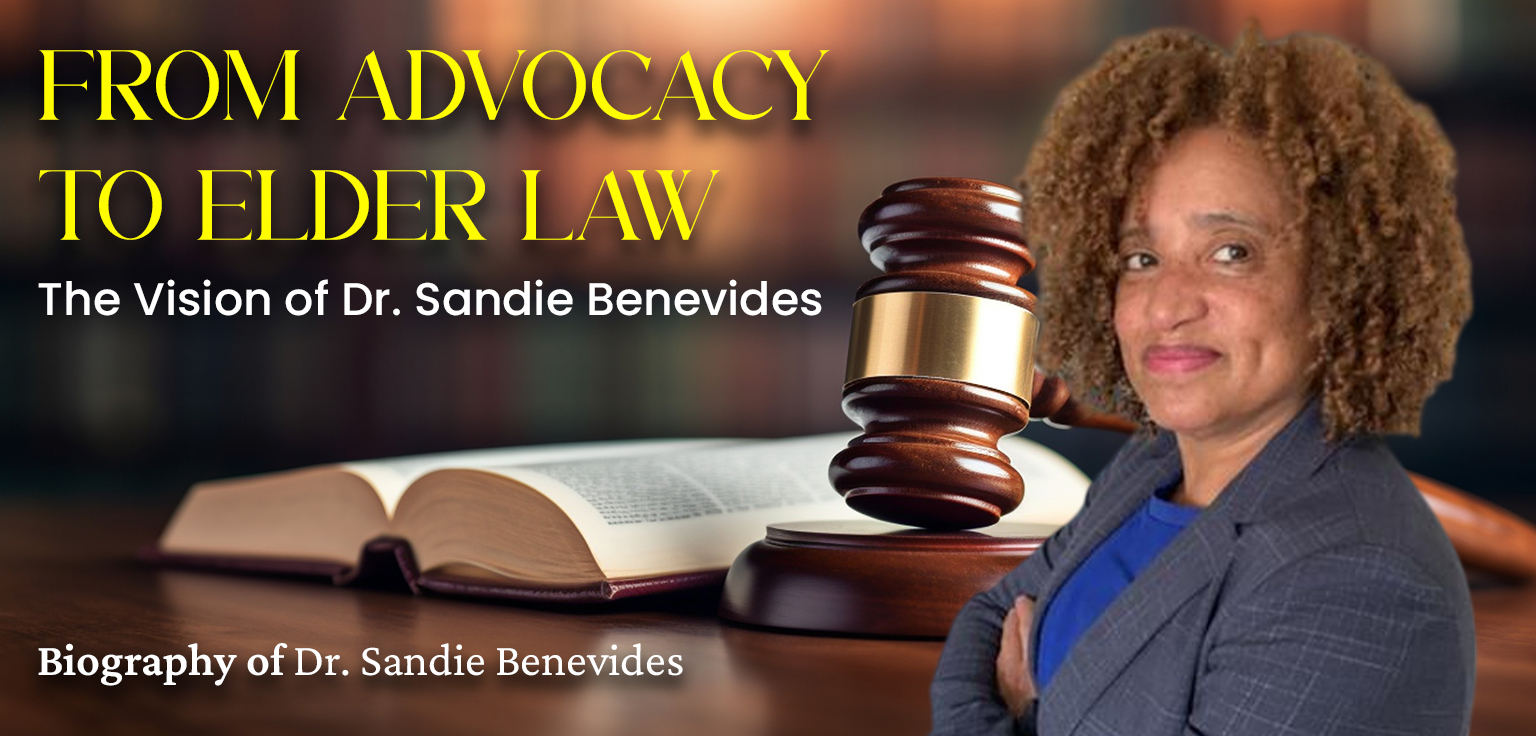
Dr. Sandie Benevides’ story cannot be limited to one field, one career path, or even one country. This story spans continents, institutions, and professions, and it shows a remarkable path of resilience, service, and scholarship. To talk about her life is to talk about a tapestry made of law, social service, government, business, and a never-ending search for justice and wisdom.
This introduction’s main goal is not just to summarize her life but to show the values, struggles, and goals that provide her journey meaning. Dr. Benevides has shown time and time again that success is not about titles or awards, but about the good things you do for people, communities, and systems. Her journey is one of constant growth, change, and action with a purpose.
Dr. Benevides was born in Birmingham, England, but her family moved to Canada when she was a child, which had a big impact on her early years. Her father worked hard in the transit system, and her mother was a nurse. They both showed her how to live a life of service, humility, and discipline. The family moved to Winnipeg, Manitoba, to find safety, stability, and chances for their children. In this setting, young Sandie learnt the values that would guide her for decades: being strong in the face of change, valuing hard work, and knowing that service to others is what makes life worth living.
Her childhood was not always easy. She had to get used to new places, deal with the difficulties of being an immigrant. But these things made her stronger and helped her keep going. These experiences not only made her more understanding of other people, but they also made her more determined to live a life with purpose, no matter what.
Dr. Benevides’ life has always been shaped by education. From the time she started studying at the University of Manitoba, where she got a Bachelor of Arts in Psychology and Criminology, she was very interested in learning about how people behave, how societies work, and how justice systems work. This foundation would be the starting point for a lifetime of learning across disciplines.
In Canada, she continued her studies by taking classes in conflict resolution and mediation at the Counsellor Training Institute in 1986 and early childhood education at Simon Fraser University in 1987. These programs showed that she wanted to learn not only the theory behind human development and conflict but also the practical skills needed to mediate, support, and empower people when they were most vulnerable.
“Childhoods never last. But everyone deserves one.”
Phase 1: Childhood and Early Life
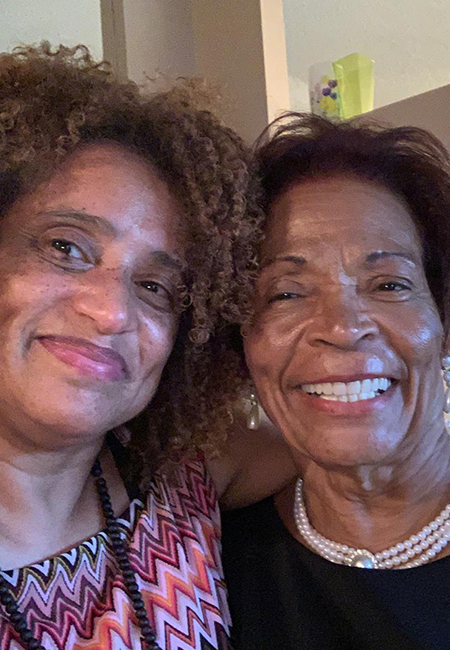
Dr. Sandie Benevides was born in Birmingham, England, a lively city with a long history of being important to industry and having a rich cultural heritage. She remembers Birmingham, where she lived for the first five years of her life, as a busy place with many families. During this time, she got to enjoy the charm of English childhood, which included outings with family and extended family members in local parks, trips to the seashore, and an early introduction to a culture that valued learning, curiosity, and being aware of other people. Birmingham’s diversity and busy energy were a backdrop that subtly changed how she saw the world, even when she was very young.
Dr. Benevides’ parents had a big impact on how she saw the world when she was young. Her father worked hard and cared about helping the community as a public transit worker. He stayed just as dedicated to his work in Canada as he was in England, stressing dependability, perseverance, and service. Like her mother, who was a nurse, she lived by the values of care, compassion, and commitment. Watching her parents work hard made young Sandie deeply respect jobs that help others and set the stage for the compassion and empathy that would later define her career.
There were many changes in England’s economy and society in the 1960s and 1970s. Birmingham, like many other industrial cities, had problems with economic instability, changes in the job market, and the social changes that were happening all over the United Kingdom. Dr. Benevides’ father saw that the English economy was unstable and started looking for ways to move his family to a place where they would be more secure. He took his time making decisions, thinking about things like his children’s education, career prospects, and quality of life. After looking at options in both the USA and Canada, he finally decided that Canada, specifically Winnipeg, Manitoba, was the best place for his growing family because it was safe, had many opportunities, and was friendly.
Dr. Benevides and her family moved to Winnipeg when she was about five or six years old. This was a big change in her life.
“You educate a man; you educate a man. You educate a woman; you educate a generation.”
Phase 2 : Educational Journey : A Life-Long Learner
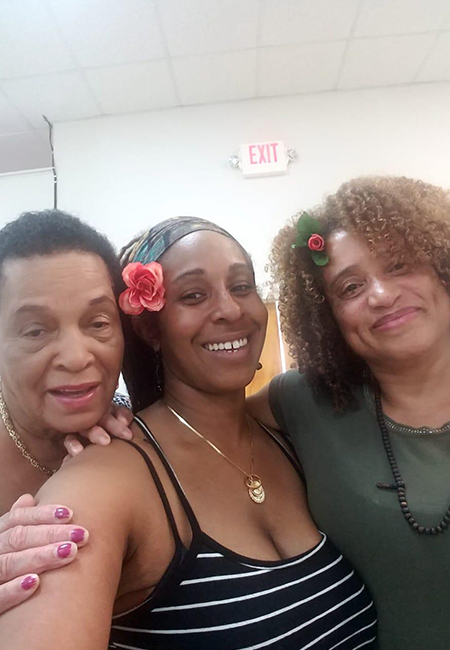
Dr. Sandie Benevides has always seen education as the most important part of her personal and professional life. Her academic journey is characterized by a relentless pursuit of excellence across various disciplines, coupled with a steadfast dedication to lifelong learning, intellectual rigor, and a global perspective. Dr. Benevides’ education path shows a unique mix of ambition, hard work, and knowledge from many fields. She started her studies in Canada and went on to get advanced international certifications and do doctoral research.
Dr. Benevides started her formal post-secondary education at the University of Manitoba in Canada, where she got her Bachelor of Arts in Psychology and Criminology in 1983. This dual focus gave her an early understanding of how people act, how social systems work, and how law and order work. Psychology taught her about how the mind works, how to be emotionally intelligent, and how to get along with other people. Criminology taught her about the complexities of the law, social justice, and criminal behavior. These fields worked well together to help people think critically, analyze things, and understand how people fit into society as a whole. This early academic foundation not only improved her thinking skills, but it also made her curious about how law, psychology, and society work together. This interest would later guide her advanced legal studies.
After earning her bachelor’s degree, Dr. Benevides wanted to improve her skills in counselling, conflict resolution, and early childhood education. She received her Certification in Conflict Resolution and Mediation from the Counsellor Training Institute in Canada in 1986. This certification gave her real world skills in negotiating, solving problems, and dealing with conflict between people and organizations. Being able to mediate complicated situations became a key part of her professional philosophy, which stressed diplomacy, ethical reasoning, and understanding how different people feel about things. Dr. Benevides understood early on how important conflict resolution skills are, not just in the workplace but also in society and communities.
“Opportunities don’t happen; you create them.”
Phase 3 : Professional Journey and Career Achievements

Dr. Sandie Benevides’ career has been a unique mix of public service, corporate leadership, legal knowledge, and academic research. Her long history includes work in government, law, diagnostics, project management, and executive leadership. She has always had a work ethic focused on finding solutions, strategic insight, and a dedication to excellence. She has made important contributions in many areas, such as government, law, corporate governance, and international business, over the course of more than 30 years by using her diverse education, certifications, and work experience.
In 1983, Dr. Benevides started her professional career as a clinical social worker in Canada. This job let her use her basic knowledge of psychology, criminology, and conflict resolution. In this role, she worked with the Provincial Government of British Columbia and had a lot of different tasks that required both legal knowledge and a lot of empathy. She worked for Child Protective Services and had to file legal papers with the court, manage licensed resources, help with adoptions, and make plans for vulnerable children to move to new homes. By doing these things, she learnt about the intersection of law, social welfare, and human behavior, and she developed skills in case management, advocacy, and following the law. Her work with mental health services helped her learn even more about the complicated needs of people. She helped people with, autism, schizophrenia, bipolar disorder, delusional and psychopathic behaviors, and suicide prevention. These early jobs not only made her better at analyzing and making decisions, but they also gave her a deep respect for human dignity and moral responsibility.
Dr. Benevides moved from social work to government administration, where she took on more difficult jobs that required her to lead, implement policies, and oversee the law. She worked for the Provincial Government of British Columbia from 1989 to 2007 as a Resource Contract District Supervisor. This job required her to be very good at managing contracts, negotiating, advocating, and resolving conflicts.
Note of Thanks
Dr. Sandie Benevides wants to thank everyone who has helped her along the way, both personally and professionally. She thanks her family, mentors, coworkers, and friends for their support, encouragement, and unwavering faith in her vision, which has helped her get where she is today.
She thanks the people and groups who gave her the chance to serve, lead, and make a difference in many areas, including law, business, healthcare, education, and government. Their cooperation and trust have helped her become more committed to doing the right thing and helping others.
In addition, Dr. Benevides wants to thank all the children, families, and elders whose lives and stories have inspired her work. Their struggles and successes provide her purpose, wisdom, and the motivation to make a difference in the world.
She is most grateful to those who share her vision of a world where compassion, dignity, and justice guide both people’s lives and the way institutions work. Their shared dedication keeps her going and pushes her to do her best in everything she does.
Thank You
– Dr. Sandie Benevides