“The only way to do great work is to love what you do.”
Introduction
The life of Dr. Robert Starke is a testament to resilience, perseverance, and the power of consistent self-improvement. Born on July 26, 1959, in San Francisco, California, Dr. Starke grew up in a family that was no stranger to change. His father’s military career meant that the family frequently relocated, and as a result, Robert’s early years were shaped by a transient lifestyle. This constant movement from place to place, however, did not deter him. Instead, it became the foundation for the adaptable, independent, and resilient character that Dr. Starke would carry with him throughout his life.
Dr. Starke realized early on that life was about maximizing each new environment rather than about permanence. He grew up in a close-knit family of five kids and two adults, with three older brothers and also a younger sister. Although he had difficulties as a child, it was during these formative years that he discovered the value of adaptability, patience, and novel experiences. Dr. Starke quickly adjusted to new schools, new neighborhoods, and new friendships as the family relocated. But because of this ongoing turmoil, he found it challenging to build strong, enduring relationships with his peers, a problem that would continue to be a recurring theme in his early years.
Yet, despite these obstacles, Robert found solace in the idea that each move was a new adventure. The excitement of discovering new places and meeting new people became an intrinsic part of his identity. While many may have struggled with the emotional toll of constantly starting over, Dr. Starke embraced the change, viewing it as an opportunity to broaden his horizons and gather experiences that would shape him into a well-rounded individual.
Among the many places he lived, Hawaii left a profound and lasting impact on him. It was in this idyllic island setting that he developed a love for the ocean and water activities, something that would stay with him throughout his life. The natural beauty of Hawaii and the peacefulness of the sea inspired him to later become a certified scuba diver, an activity that not only deepened his connection to nature but also provided him with a sense of tranquility and purpose. The influence of Hawaii on his formative years highlights how certain experiences, even those that may seem simple, can have a profound and lasting effect on one’s life path.
Although Dr. Starke’s school years were not characterized by academic excellence, he himself admits that he was not particularly studious, his time in school was still formative. He participated in the Navy Junior Reserve Officer Training Corps (NJROTC), an experience that would lay the foundation for his future military career. At the age of 17, after completing his high school education, Dr. Starke made a life-altering decision: he joined the U.S. Joining the U.S. Navy marked the beginning of a 20-year journey that would shape his character and career.
“The only constant in life is change.”
Phase 1: Early Life and Family Background
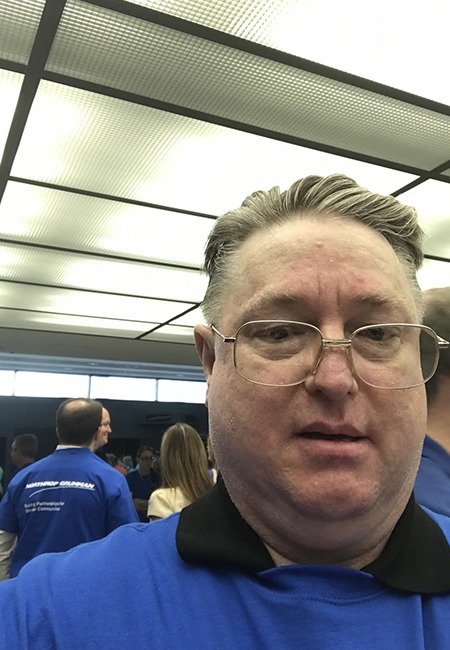
Dr. Robert Starke’s story begins on July 26, 1959, in the vibrant city of San Francisco, California. From the moment he was born into a family of five children, the foundations for a life filled with change and adventure were already being set. As the youngest of four boys, with a later addition of a younger sister, Robert grew up surrounded by a lively, close-knit family of seven. His childhood, however, was far from typical. The influence of his father, a dedicated military man, meant that Robert’s early life was shaped by frequent moves across the country. The constant relocation would define not only his childhood but also his approach to life, relationships, and his career.
Particularly for kids, the military lifestyle is not renowned for being stable. The family had to relocate frequently due to Robert’s father’s work, sometimes every few years and other times more often. For Robert, the relocation meant growing up in a range of unfamiliar settings, each with its own opportunities and challenges. Robert had to start over in every new town or city, with new faces, new friends, and new schools. It was a life lived in motion, a never-ending cycle of adaptation.
Yet, while many children might have struggled with the emotional toll of such a lifestyle, Robert learned to embrace it. The ability to adjust to different surroundings became second nature. His father’s influence, with a sense of duty and discipline, created a foundation of resilience that served Robert throughout his life. Fitting into new communities and adapting to constantly changing social circles fostered an inner strength and adaptability that would define his character.
One of the more difficult aspects of constant moving, Robert admits, was the challenge of forming lasting friendships. He tried, but the transient nature of his family’s life made it difficult to forge deep, lasting bonds. The emotional distance that he sometimes felt from his peers was a result of having to say goodbye and start anew so many times. But in some ways, this constant flux shaped him into a more independent and introspective person.
“We may encounter many defeats, but we must not be defeated.”
Phase 2 : The Impact of Childhood Moves
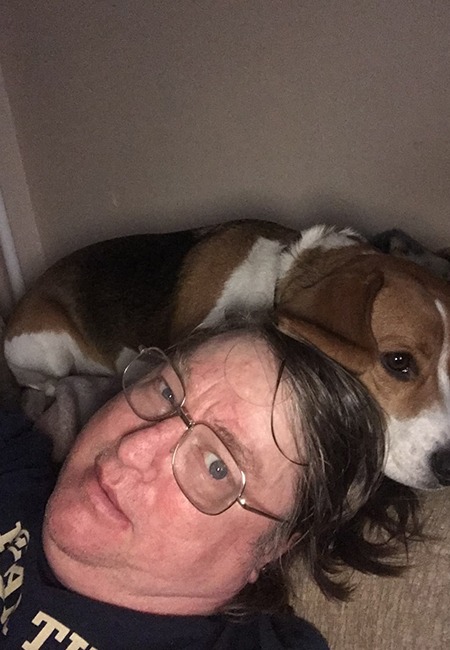
The early years of Dr. Robert Starke’s life were defined by movement, transition, and constant change. Born into a family that followed the military life, Robert was no stranger to relocating from one city to another, each move bringing new environments, new schools, and new people to meet. His father’s military career required the family to move frequently, and as a result, Robert’s formative years were spent adjusting to a series of unfamiliar places and situations. However, rather than viewing these moves as challenges, Dr. Starke came to see them as opportunities for growth and learning, shaping him into the resilient, adaptable individual he would become.
Moving was a way of life for the Starke family, and Robert quickly learned that each new location came with its set of adjustments. As a young child, it was difficult to form lasting connections with peers. Just when he started to settle into a new place, it seemed the family was on the move again. While others might have struggled with the emotional toll of always saying goodbye to friends and familiar places, Dr. Starke grew to embrace this constant flux. He learned that life was not about permanence but about adaptation, about making the most of every opportunity, no matter how fleeting.
In the face of this continual change, Dr. Starke did not allow the absence of long-term friendships to weigh him down. In fact, he often saw each new city as a fresh canvas, an opportunity to learn something new, meet new people, and explore new horizons. He became a master of adaptation, able to adjust quickly to new schools, new neighborhoods, and new social groups. Although he didn’t form the deep, lifelong friendships that others might have, he developed an impressive capacity to connect with people on a surface level. For Dr. Starke, the transient nature of his childhood was an invaluable lesson in how to navigate different environments and interact with a wide array of personalities.
“The ocean stirs the heart, inspires the imagination, and brings eternal joy to the soul.”
Phase 3 : The Hawaii Influence
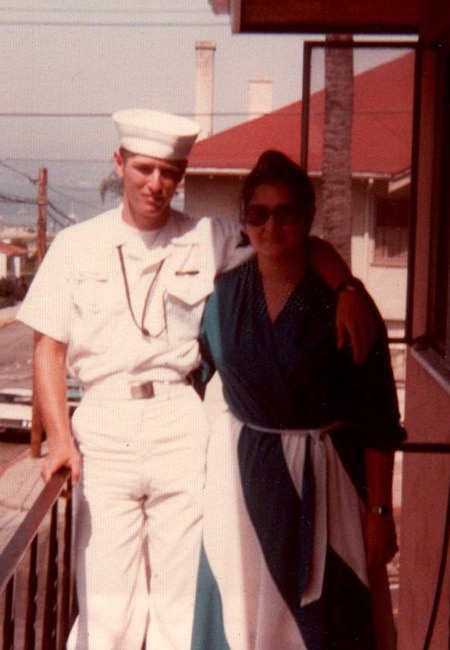
As Dr. Robert Starke reflects on his childhood, there is one place that stands out, a place that, despite the numerous relocations, left an indelible mark on his soul. That place was Hawaii. It was here, on the tranquil islands surrounded by the vast Pacific Ocean, that Dr.Robert’s love for nature and the water began to take root. Hawaii was not just another stop along his family’s journey, it was a place of deep personal significance, a chapter that would shape his interests, his perspective, and his life.
The ocean, with its endless horizons and peaceful rhythms, became a sanctuary for him. It was here that Dr. Robert developed an affinity for the water, an attraction that would later grow into a lifelong passion for scuba diving.
Being raised in a military family meant moving around a lot, and by the time his family ended up in Hawaii, Dr. Robert had moved around a lot. Hawaii, though, felt different from many of his other places. In a way that no other location could, the islands’ natural splendor, the verdant surroundings, the soaring volcanoes, and the immaculate beaches captivated Dr. Robert’s imagination. He was drawn to Hawaii not only for its natural beauty but also for the tranquility and serenity it offered.
There was something about the rhythm of the ocean, the ebb and flow of the tides, that seemed to resonate with Dr. Robert on a deep, almost spiritual level. He would spend hours at the beach, mesmerized by the sounds of the waves crashing on the shore, the scent of the salty sea breeze, and the endless expanse of the Pacific Ocean before him. For a young boy who had moved so frequently, the ocean became his constant. It was a place where he could find peace, where he could reflect, and where he could lose himself in the beauty of the natural world.
Note of Thanks
To everyone who has shared in his journey, Dr. Robert Starke would like to extend his sincere gratitude. To his cherished wife, Susan Starke, for being his rock throughout his life with her love, strength, and unwavering support. Her commitment and comprehension have been crucial to his success.
He is also deeply thankful to his children, whose love and inspiration have been constant sources of pride and motivation. They continue to shape his legacy in ways that words cannot fully express.
Furthermore, Dr. Starke extends his gratitude to his colleagues, mentors, and friends, whose wisdom and encouragement have guided him throughout his career and personal growth. Their support has been invaluable in his pursuit of excellence and in overcoming the challenges he faced.
Finally, Dr. Starke appreciates all those who have crossed his path, offering lessons and experiences that have enriched his life. He is sincerely grateful for the opportunities, relationships, and moments that have defined his journey.
Thank You
– Dr. Robert Starke