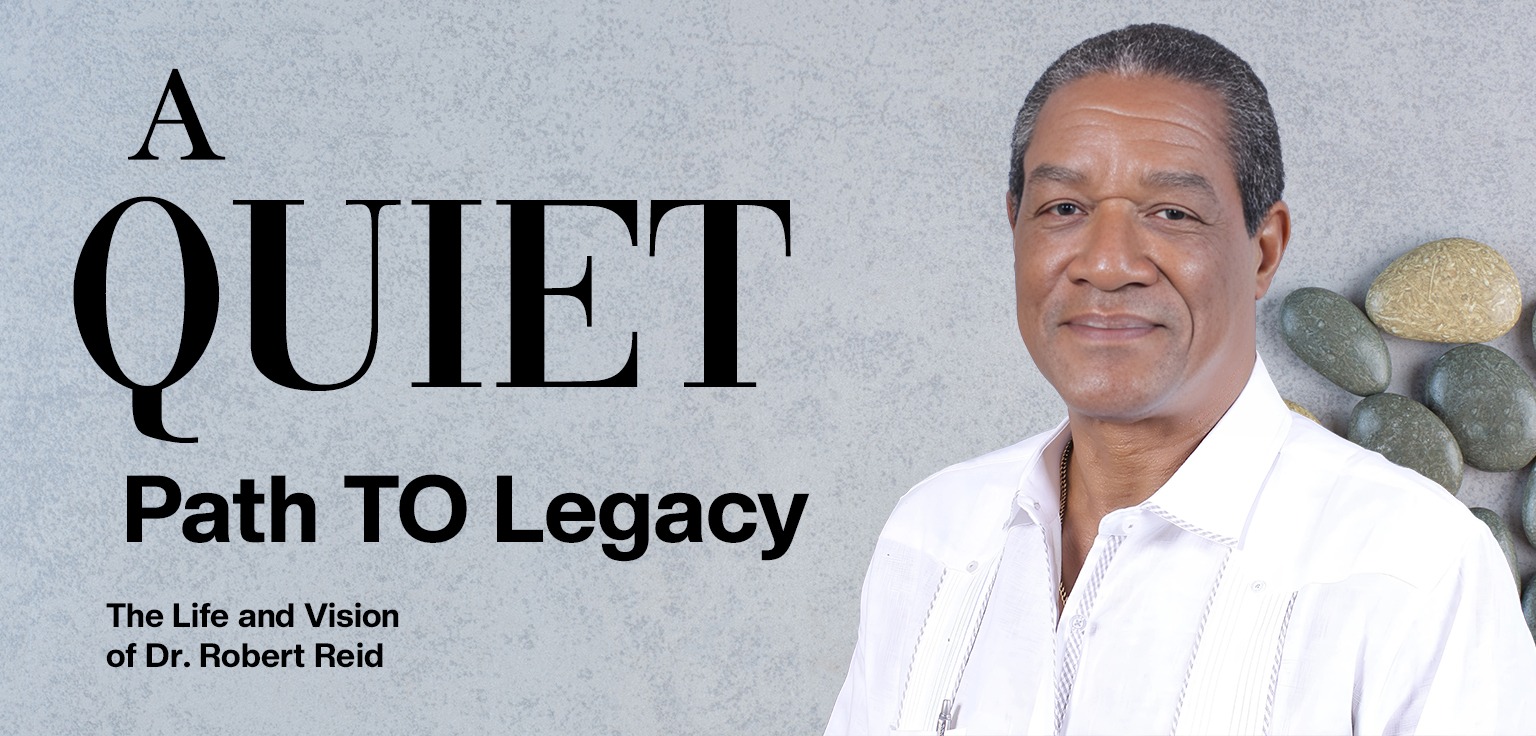
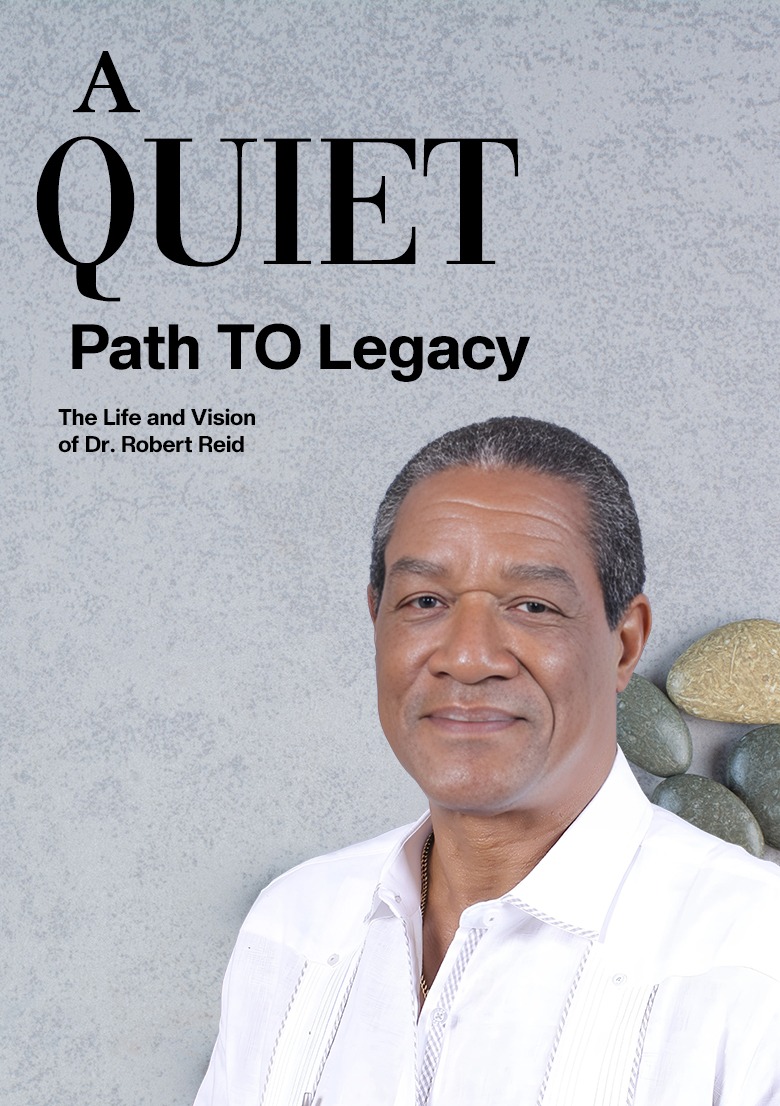
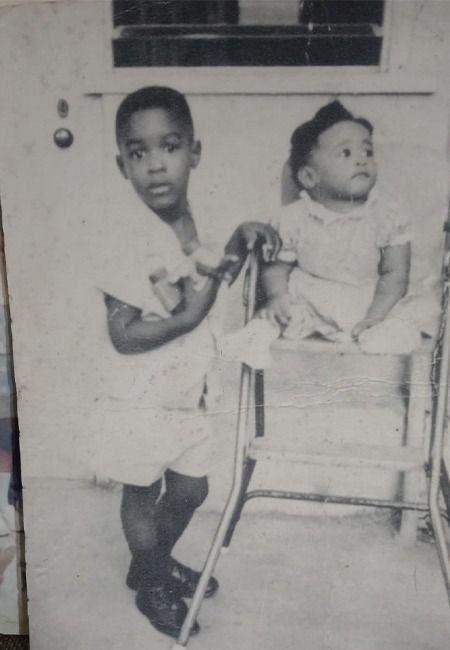
The story of Dr. Robert Reid begins in the tender shadow of loss. In 1960, at just three years old, Robert’s world changed with the passing of his father, Mr. Gifford Reid, a land surveyor whose quiet strength left behind more than absence—it left an imprint. For young Robert, the absence of a father did not erase the presence of purpose. Instead, it deepened his need for clarity and structure, qualities he would come to embody throughout his life.
At the center of this early world was Mrs. Veta Reid, his mother and the woman who became his compass. Cuban by birth, her Jamaican parents took her back to the deep rural town of Smithville in Clarendon and with scholarly aptitude she later qualified as a schoolteacher. After her marriage to Gifford, and his subsequent passing, with a force of grace in practice, she raised two children—one son and one daughter—with nothing but determination, prayer, and the will to keep them whole. Her love was not loud, but it was fierce. She believed in education not as a privilege but as a calling. And in Robert, she saw the quiet intensity of a future leader.
Robert’s early life in Jamaica was shaped by modest surroundings, yet his aspirations were anything but. From a young age, he showed signs of relentless desire to improve. He was not the child who needed external motivation—he carried it within. His gaze was always fixed forward, not out of ambition for status, but from a deep yearning to rise above limitations, to offer more than what he had received.
In 1968, at age eleven, Robert earned a place at the Jesuit run St. Georges College in Kingston, a prestigious institution that welcomed boys of promise from across the island. For Robert, this was not just an academic milestone—it was a rite of passage. Here, he encountered educators who would challenge his thinking, ignite his curiosity, and polish the raw leadership potential already present in his spirit. The halls of St. George’s offered more than knowledge—they offered a space to refine social values.