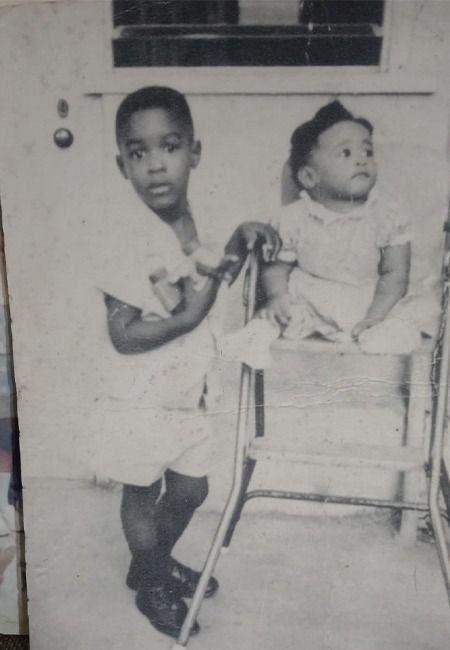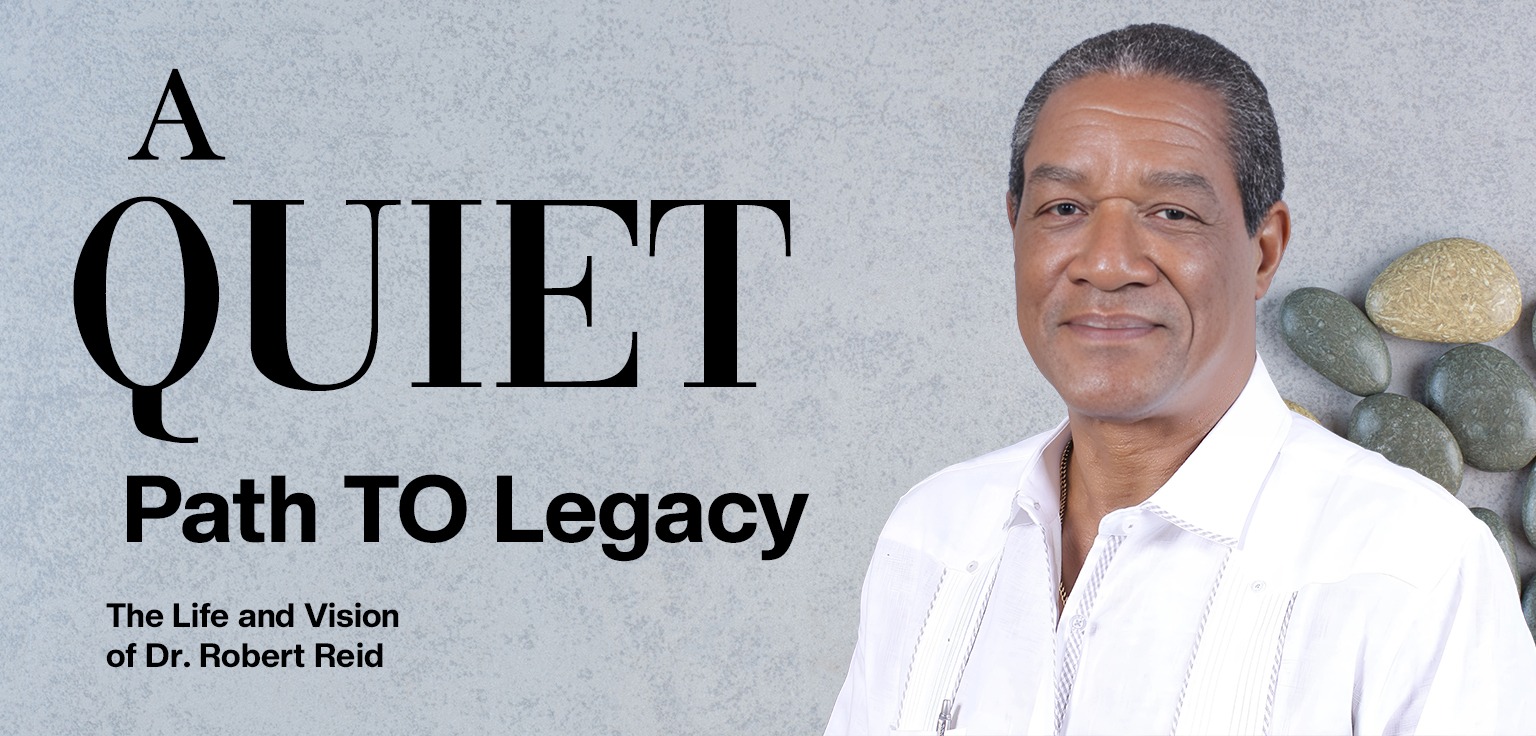
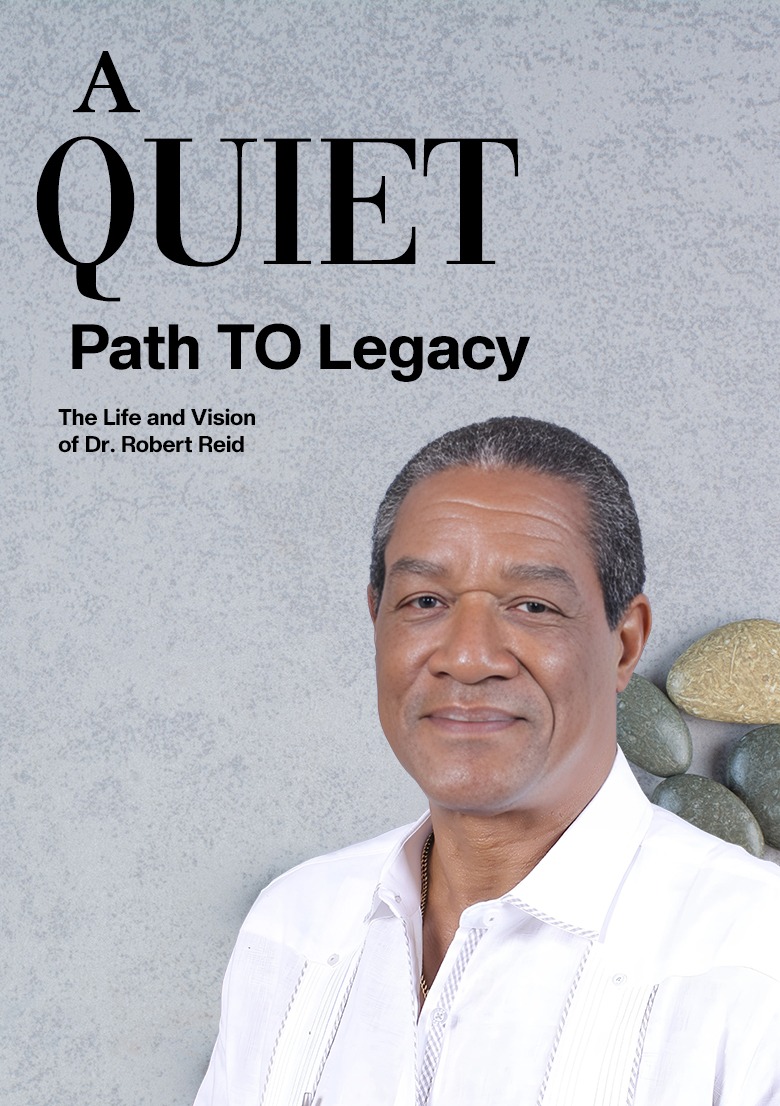
There are beginnings that shout, and there are those that whisper. Dr. Robert Reid’s story began not in grand halls or gilded classrooms, but in the gentle resilience of a boy who lost his father at the age of three, and in the silent sacrifices of a mother who refused to let that loss define his future. Born into modest means in Jamaica, Robert’s life unfolded within the fabric of a nation still shaping its post-colonial identity—a place where opportunity often waited in shadows, and dreams required more than ambition; they demanded resolve.
His earliest lessons were not taught in classrooms but in the living room of sacrifice. His mother, Mrs. Veta Reid, a teacher in both profession and spirit, instilled in him a reverence for education, discipline, and quiet strength. With his father, Mr. Gifford Reid, having passed away in 1960, the young Robert quickly understood the weight of responsibility, even before he could spell the word. The absence of a paternal figure did not birth bitterness—it cultivated vision. It taught him that legacy is not bound to lineage alone but can be crafted through character.
At age eleven, he entered St. Georges College in Kingston—a moment that marked not just the start of formal education, but the awakening of his intellectual fire. There, amid the books and blackboards, he honed an analytical mindset and a sense of justice that would define his professional path. Even in adolescence, his thinking was strategic, and his discomfort with injustice already forming a quiet rebellion against mediocrity. He did not just want to learn—he wanted to serve, to uplift, to improve what others accepted as ‘just the way things are.’
In 1976, he crossed waters to attend the University of the West Indies at the St. Augustine Campus in Trinidad and Tobago, joining the Faculty of Agriculture. That decision was not merely academic; it was foundational. For a young man with limited financial means, every tuition bill, every borrowed textbook, every meal skipped to save money was a battle. But Robert didn’t just endure—he excelled. Graduating in 1979 with a Bachelor of Science in Agriculture, he carried with him not just a degree, but a sense of purpose that pulsed in his every step.
His early career began with a remarkable internship at the Caribbean Development Bank in Barbados, working under the Caribbean Agricultural Trading Company (CATCO) project. It was here, surrounded by thinkers and changemakers, that Robert saw for the first time the transformative power of agricultural policy. He didn’t want to simply understand food systems—he wanted to reshape them. He recognized that agriculture was not just an economic engine; it was a human lifeline, especially for rural Caribbean families whose dignity often hinged on the land they worked.