“Of all the forms of inequality, injustice in health is the most shocking and inhuman.”
Introduction
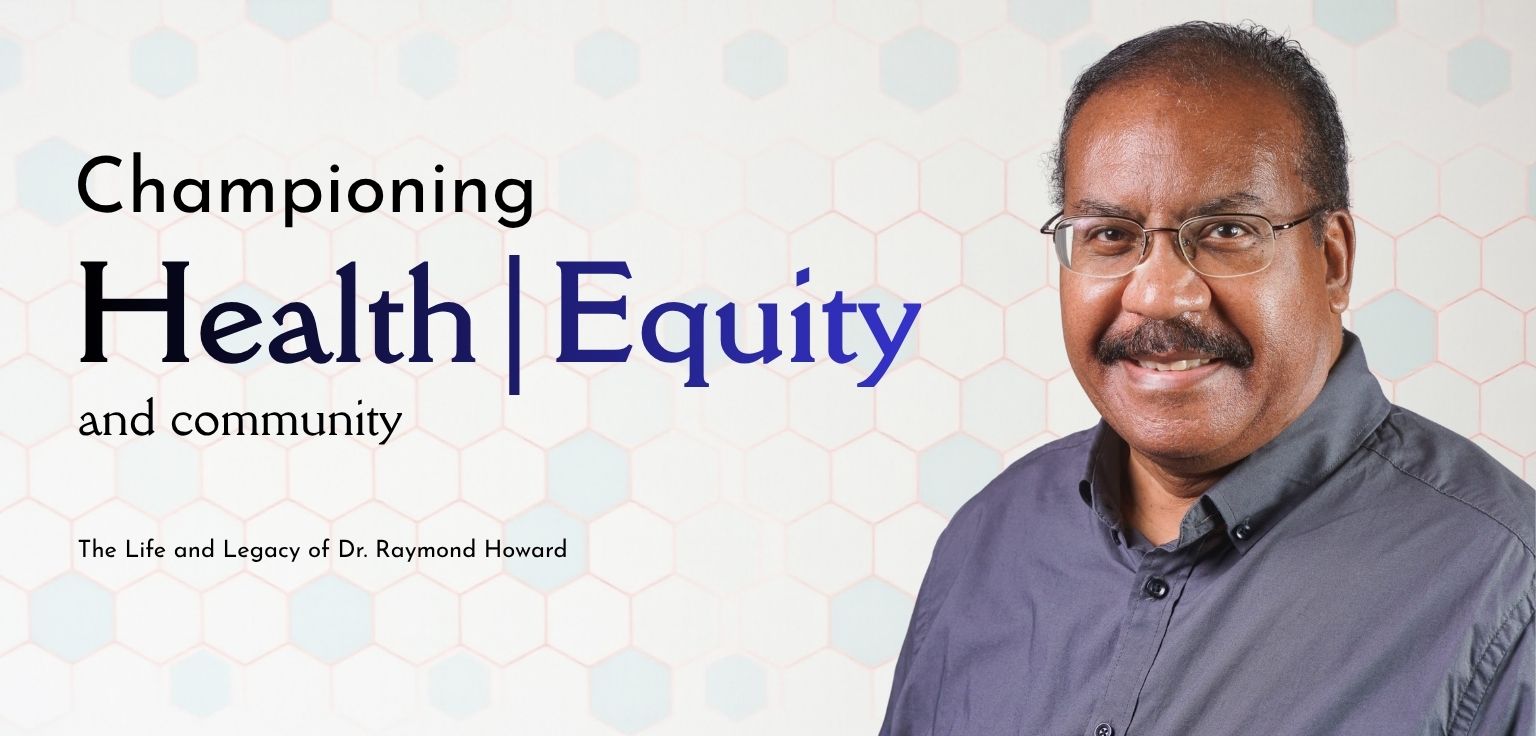
This introduction talks about Dr. Raymond Howard’s life and work with a lot of respect and admiration. He was a visionary leader whose work in public health, community involvement, education, and social justice has had a lasting effect on the people, communities, and institutions he has served. This foreword tries to put Dr. Howard’s amazing career and personal life into context. It sets the stage for the detailed story that follows and stresses how important his work will always be. Dr. Howard’s career shows that being honest, planning ahead, and working hard can change your life. Dr. Howard has always worked to make health care fairer, teach the next generation, and push for changes in the system. He’s done his part by working on public health problems in cities and running national health programs for minorities. Over the years, he has worked in a lot of different fields. It includes medical schools, government health departments, academic research, and non-profit groups. In every job, he has used his big-picture view, hands-on experience, moral leadership, practical problem-solving, personal passion, and professional excellence.
Dr. Howard has always stood up for people who don’t get enough help. He worked hard early in his career to help fix the problems of chronic illnesses, maternal and infant mortality, and health disparities in African American, Hispanic, and other minority communities. At the University of Pittsburgh’s Centre for Minority Health, he helped set up community-based programs that provided people who didn’t have easy access to healthcare screenings, preventive care, and health education. He worked directly with communities to identify risk factors, put culturally appropriate interventions in place, and build trust between healthcare providers and residents through programs like the Healthy Black Family Project. Dr. Howard thought that to do good public health work, you need to be able to understand other people’s cultures and care about the communities you work with. Not only were these efforts new, but they were also very focused on people. Dr. Howard led more than just local projects; he also led national and federal ones, where he used his knowledge to solve bigger policy and programme issues. His work with the Healthy Start programmes in a number of states shows that he can link research done in school with things that happen in the real world. He led teams of health professionals, students, and community partners from different fields to make sure that interventions were based on evidence, respected different cultures, and met the needs of each community.
With his help, programmes made measurable progress in making mothers and children healthier, which shows how effective coordinated, data-driven public health strategies can be. Dr. Howard’s dedication to teaching and mentoring is equally significant. Over the course of his career, he has taught, advised, and mentored many students. A lot of these students were the first in their families to go to college, or they came from poor families. He taught his students not only technical skills in community-based participatory research, public health, and health disparities but also how to be responsible, have a sense of purpose, and be culturally aware. He helped students with research projects, applying for grants, giving professional presentations, and getting real-world experience in the field. This made sure that they became professionals who were skilled, caring, and responsible in their communities. Dr. Howard’s work as a mentor has had a big impact. His students have gone on to lead projects, do research, and speak out for health equity all over the country. Dr. Howard’s career also shows that he wants to make the system better and push for better policies. He has worked with leaders of schools, government agencies, and groups many times to help make and carry out policies that support social justice, education, and public health. He has served on statewide committees, chaired advisory councils, and led evaluation networks to use his knowledge to hold people accountable, improve performance, and make sure that programmes and policies are in the best interests of communities.
Children are the messages we send to a time we won’t be able to see.”
Phase 1: Dr. Raymond Howard’s Childhood Journey
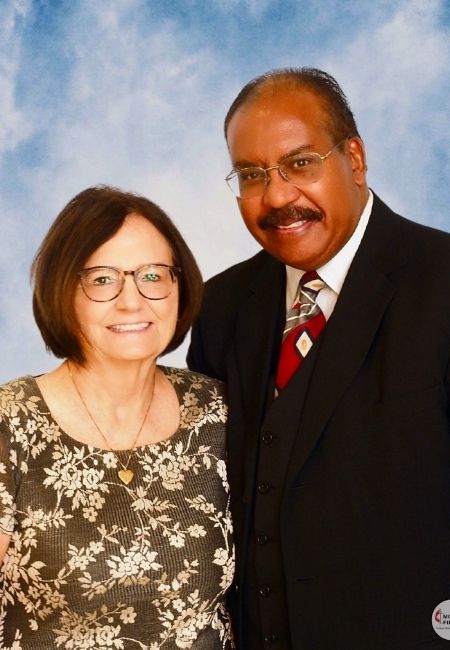
In the early 1950s, Winston-Salem, North Carolina, was a city full of differences. For one thing, it had a proud history of business, tobacco, and textiles. On the other hand, it was a city where segregation and inequality were significant problems. Dr. Raymond Howard was born into this world as the son of loving, faith-filled parents and one of seven children.
In the South at that time, raising kids was more than just putting food on the table for African American families. It meant keeping children safe from the harsh realities of racial injustice while getting them ready to rise beyond it. Dr. Raymond’s parents made a very important decision that would affect the rest of his youth. They put him and his siblings in a small Catholic school that was in the basement of their church.
This small school, with its few resources and small classrooms, offered more than just a place to learn. It was a safe environment for kids to learn without the everyday pain of division that public schools had to deal with. Dr. Raymond was cared for here in more ways than at school. They also cared for his mind and spirit.
Mrs. Alice Brantley, his first-grade teacher, was the instructor who made the biggest influence on him. She wasn’t simply a teacher; she was a guide, a defender, and a beacon in a world that was often hard to live in. She inspired her students to believe in themselves by being kind and having high standards. She gave them the ability to be curious and the bravery to dream.
Dr. Raymond would later add that Mrs. Brantley was one of the first people to make him want to be great. He learnt to read and write in her class, but he also learnt about discipline, hard work, and faith.
“It is easier to raise strong kids than to fix broken men.” — Frederick Douglass
“Education is not preparation for life; education is life itself.”
Phase 2: Higher Education and the Call of Medicine
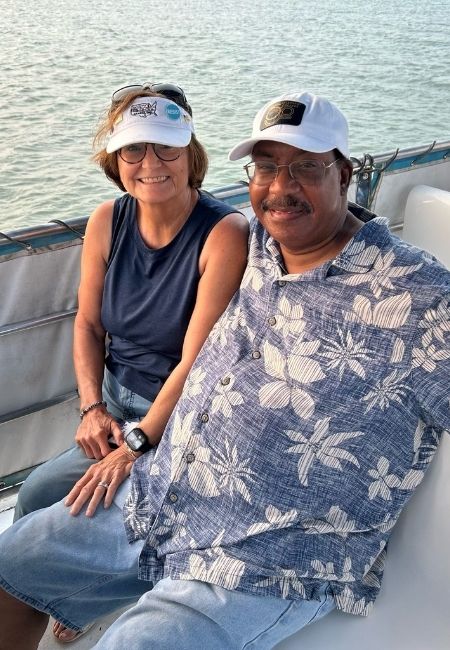
Carolyn, Dr. Howard’s older sister, was still his guiding light as he moved from the safety of Oakwood Academy to college life. He admired how hard she worked and often said he wanted to be like her or even better than her. Dr. Raymond followed in her footsteps and went to Oakwood University in Huntsville, Alabama. He graduated in May 1975 with a Bachelor of Arts in Business Administration and a minor in Governmental Accounting.
But at first, he really wanted to be a doctor. He said he was going to be a pre-med major when he started college. He wanted to be a doctor, maybe a paediatrician, so he could help kids and families who needed it. For almost two years, he studied biology, chemistry, and anatomy very hard. It seemed like the dream of wearing the white coat was close.
But life has a way of changing what we love. Dr. Raymond’s studies made him more interested not only in medicine but also in the business and finance side of health care. This interest took him to Andrews University in Berrien Springs, Michigan, where he earned his Master of Business Administration in May 1981, with a major in financial management and a minor in organisational development.
The MBA taught him how complicated health financing, running a hospital, and insurance systems are. He became interested in the economics of health—why it worked for some people and not for others. His first job in the professional world was at a hospital, where he helped with administrative work in a surgical suite. Dr. Raymond took on the challenge of learning quickly, and he quickly became an expert in the business of health care.
He also learnt the hard way in those hospital hallways that too often, businesses put profits ahead of people. The experience made them feel restless. He wanted to change more than just the finances of hospitals; he wanted to change the lives of families and communities that had trouble getting care.
“The future depends on what you do today.”
Phase 3: Professional Journey of Dr. Raymond Howard
Dr. Raymond Howard was the Allegheny County Department of Human Services, Office of Children, Youth, and Families (CYF) in Pittsburgh, PA where he was the Senior Program Manager from September 2002 to June 2008.
After working at the University of Pittsburgh’s Office of Child Development, he moved on to the Allegheny County Department of Human Services, Office of Children, Youth, and Families (CYF). In this job, he was in charge of making sure that countywide policies were put into practice in the real world and that systems of support for vulnerable children and families were strengthened. His work as a leader at CYF showed that he was still dedicated to helping disadvantaged groups and making sure that all children and families are healthy and happy.
As Senior Program Manager, he was in charge of countywide projects that aimed to improve permanency planning for kids in foster care, strengthen kinship care networks, and expand family support services for families at risk. He paid special attention to helping grandparents and other family members who often had to take care of children when their parents couldn’t. He took a holistic approach, understanding that carers needed more than just money. They also needed healthcare, assistance with housing, help with school, and chances to become leaders.
During this time, he became more and more aware of the unfair systems that affected child welfare outcomes. He knew that families would continue to be affected by cycles of poverty and instability unless they took steps to address racial disparities and structural barriers. Because of this, he pushed for reforms that focused on fairness and worked diligently with a wide range of stakeholders to make practices that were fairer and more inclusive.
He collaborated with schools, mental health providers, and juvenile justice services to provide comprehensive support to vulnerable youth.
Note of Thanks
Dr. Raymond Howard’s journey is not his own; it is a tale constructed from the love, support, and faith of numerous individuals. His family is at the centre of this journey. Their constant support, patience, and faith in him have been a source of strength and inspiration. Their sacrifices and support made it possible for him to fully commit to his work, balancing his personal and professional duties with ease.
We are truly thankful to his coworkers, mentees, and community partners who generously shared their thoughts, experiences, and reflections. Their voices have improved this biography by giving it more depth and making it more real. Dr. Howard has worked with many schools, groups, and programmes over the years, and their willingness to work together has been just as important. Their dedication, teamwork, and commitment made it possible for new ideas, mentorship, and life-changing projects to happen that still affect many lives.
Most importantly, we want to thank all the people and groups whose lives Dr. Howard has changed through his leadership, advocacy, and service. The fact that they have achieved so much, grown, and kept doing well is proof of how diligently he worked to help others.
So, this biography is not only a record of Dr. Howard’s amazing life but also a tribute to the strength of the family, friends, students, coworkers, partners, and communities that walked with him. We extend our heartfelt gratitude to each and every one of you. Without your help, this story would not have been possible.
Thanks
Dr. Raymond Howard