"Success is not measured by the accolades we collect, but by the lives we touch and the difference we make in others’ journeys.”
Dedication
This biography is for the communities that allowed Dr. Raphael Picard to uncover his purpose and to serve them with honesty, patience, and unflinching dedication. It is dedicated to the Innu people, whose history, culture, and traditional wisdom have shaped his work throughout. Their resilience, wisdom, and lasting connection to land and identity were the basis and the path of his quest.
This biography is also dedicated to teachers, administrators, scholars, and leaders who think that governance is not just a job but a moral duty. Dr. Picard’s life shows that leadership is most important when it listens, when it mediates instead of dominating, and when it establishes mechanisms that last beyond one person’s time in charge.
Lastly, this dedication reflects the principle that information only has value when it helps people. Dr. Raphael Picard has always been dedicated to conversation, learning, and making fair decisions throughout his career. This biography should be a testimony to principled leadership, respect for other cultures, and the quiet discipline of service.
“Knowing yourself is the beginning of all wisdom.”
Phase 1: Foundations of Knowledge and Identity
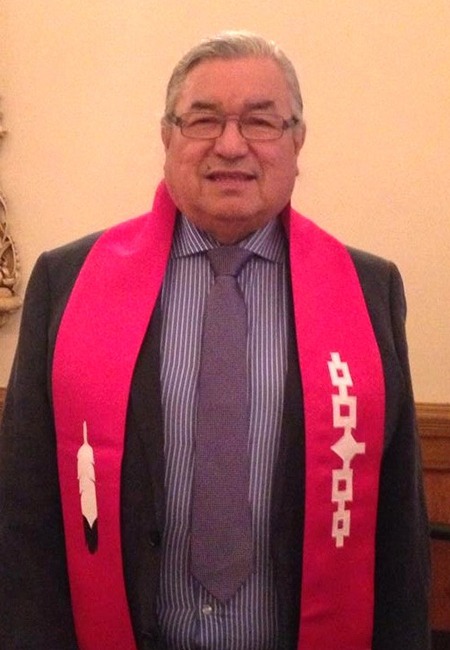
Dr. Raphael Picard’s life was built on a steady and disciplined immersion in knowledge, culture, and duty, not on sudden ambition or one-time success. He was born in 1949 in Québec, Canada, and grew up amid a time of social change, political redefinition, and changing conversations about Indigenous identity, governance, and rights. These larger changes would subsequently reflect the career route he took, which was based on understanding systems but yet being very aware of people and communities.
Dr. Picard showed a genuine interest in studying and thinking from a young age. His academic selections show that he has always been interested in history, culture, and social structures. These are all areas that demand patience, attention, and a willingness to face their complexity. This focus on careful questioning remained a key part of who he was and how he thought about education, leadership, and government for the rest of his life.
He started his official scholastic adventure by studying the humanities. He got a DEC in Human Sciences from CEGEP de Baie-Comeau between 1970 and 1972. This basic education taught him how to think critically, how to understand social theory, and how to see things from other points of view. He began to understand that values, stories, and historical context have as much of an impact on societies as institutions do. These early studies helped him become ready for his eventual career in anthropology and public administration.
Dr. Picard went on to obtain a Bachelor’s degree in History, which he studied at Université Laval. History as a field requires strictness, objectivity, and regard for facts. He learned to think in a systematic approach that stressed continuity, causality, and accountability through this training. He learned to see events as part of larger social and political processes. This historical viewpoint would subsequently become crucial in his endeavors concerning Indigenous government, territorial rights, and policy formulation.
“The best way to find yourself is to lose yourself in the service of others.”
Phase 2 : Entering Governance and Public Service
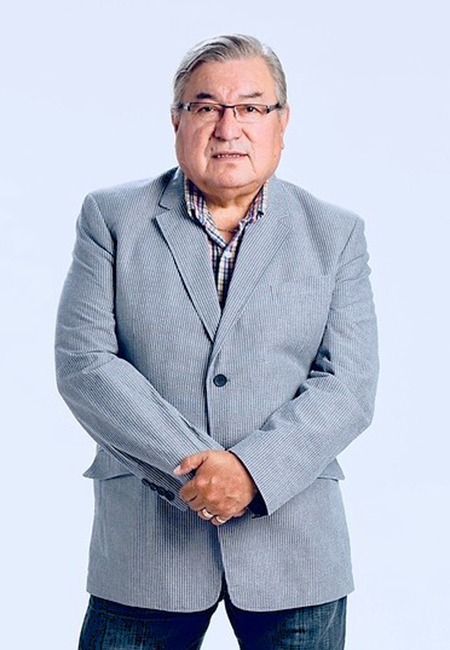
Over the course of his life, Dr. Raphael Picard experienced a significant turning point as he made the move from academic preparation to active governance. He had a strong background in history, anthropology, and public administration before starting his career in public service, which gave him a unique mix of academic rigor and practical sensibility. This phase shows when learning turned into responsibility, and responsibility turned into leadership based on procedure, consultation, and accountability.
Dr. Picard’s early involvement in governance was neither sudden nor separate from his academic background. Instead, it grew naturally from his increasing work with planning, research, and community-focused groups. His experience in Indigenous and regional governance structures taught him about how public decisions are really made, where policy goals have to address operational limits, cultural norms, and long-term social effects.
He was taking on more and more responsibility for planning and coordinating administration. He had to turn policy frameworks into plans of action while working with governing bodies. The tasks included making procedures, getting everyone involved, and making sure that choices were based on facts and consultation. Dr. Picard took these duties seriously and stressed the importance of being clear about the process and the reasons behind it.
During this time, he got better at strategic planning and organizational diagnosis, which would subsequently be highly useful during times of institutional reform and financial recovery. He wasn’t concerned about short-term results; instead, he preferred systems that were strong enough to handle changes in leadership and outside pressures. This long-term outlook set his work apart in government contexts.
“Leadership is the capacity to translate vision into reality.”
Phase 3 : Leadership as Chief of Pessamit
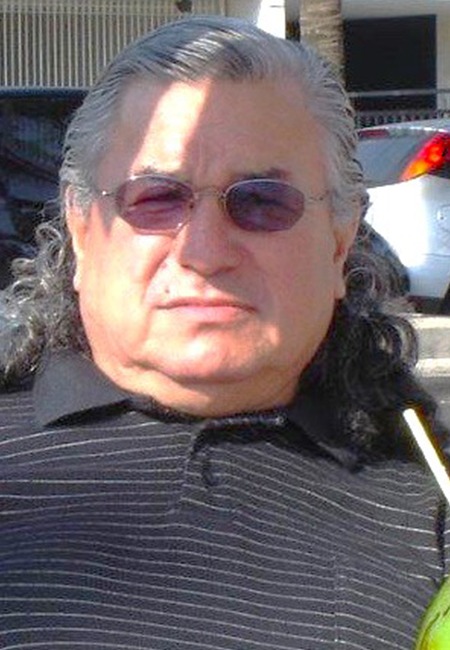
Dr. Raphael Picard’s tenure as Chief of the Conseil des Innus de Pessamit was one of the hardest and most important times of his career. This period elevated his position and placed him at the center of challenging governance issues that required intellectual discipline, political maturity, and a strong commitment to the community’s well-being. His leadership throughout these years showed how strong he was because of his education, work experience, and understanding of other cultures.
When Dr. Picard became Chief, he stepped into a world where expectations were high and there wasn’t much room for mistakes. At this level of governance, it was necessary to be able to balance institutional frameworks with community realities, legal duties with cultural values, and development goals with social acceptability. He took his time and thought things out. He didn’t seek power for its own sake; instead, he saw leadership as a way to be responsible and follow a process.
One of the most important things he did as a leader was to come up with policies and help the organization. Dr. Picard was very important in making decisions on infrastructure development, building homes, planning education, and helping businesses grow. There were long-term effects on the community in each of these sectors. His work stressed the need for policy goals and implementation methods to be in sync so that decisions were not only strategic but also possible to carry out.
Another big problem during this time was financial governance. Dr. Picard implemented strategies to manage the budget, monitor the situation, and recover funds intended to restore balance and transparency. These steps required more than just technical fixes; they required a fundamental shift in institutional practices. His leadership in this area was in accordance with his general belief that good governance and financial discipline go hand in hand.
Note of Thanks
This biography has been completed with deep respect for the life and work of Dr. Raphael Picard, whose professional journey reflects decades of disciplined service, scholarship, and cultural responsibility. He extends sincere thanks to the institutions, communities, and academic environments that shaped and supported his work and whose trust enabled him to contribute meaningfully across governance, education, and research.
The Indigenous communities and governance bodies, with whom Dr. Picard worked closely for many years, deserve our gratitude. Their lived experiences, cultural knowledge, and collective wisdom informed his leadership, research, and mediation efforts, ensuring that his work remained grounded in legitimacy and social acceptance. Their collaboration stands at the heart of his contributions.
Acknowledgement is also due to the academic institutions and professional organizations that provided platforms for learning, teaching, and dialogue. These spaces allowed Dr. Picard to integrate theory with practice and to share knowledge in ways that strengthened future leadership and institutional understanding.
This note of thanks recognizes the many colleagues, researchers, educators, administrators, and community members who engaged with Dr. Picard in planning, consultation, research, and cultural production. Their collective efforts made possible the policies, publications, and educational initiatives reflected in these pages.
Finally, appreciation is extended to the enduring values that guided Dr. Picard’s life: integrity, patience, respect for culture, and commitment to process. It is through these principles that his work continues to resonate, offering guidance and inspiration to those who seek to serve with responsibility and purpose.
Thank You
– Dr. Raphael Picard