"Success is to be measured not so much by the position that one has reached in life as by the obstacles he has overcome."

Dedication

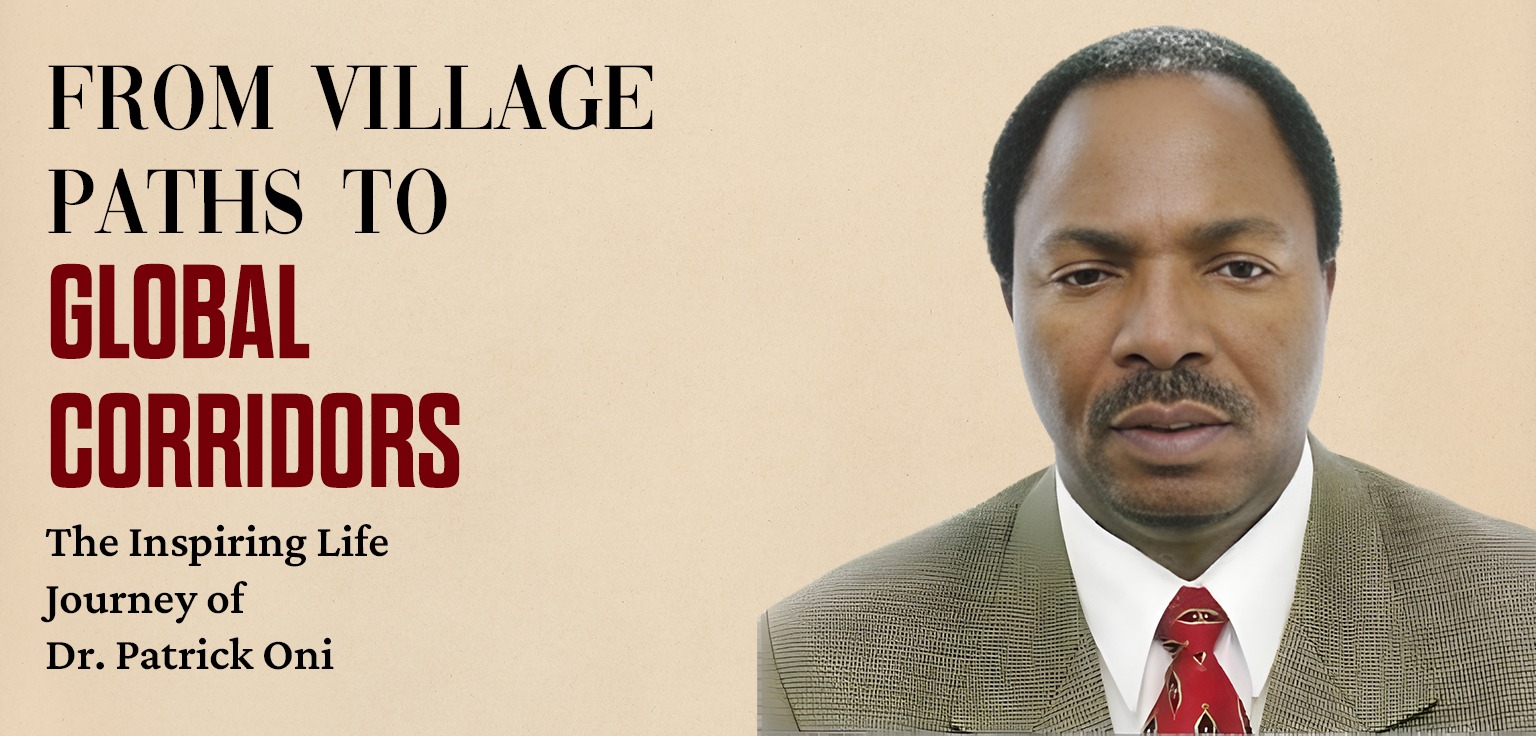
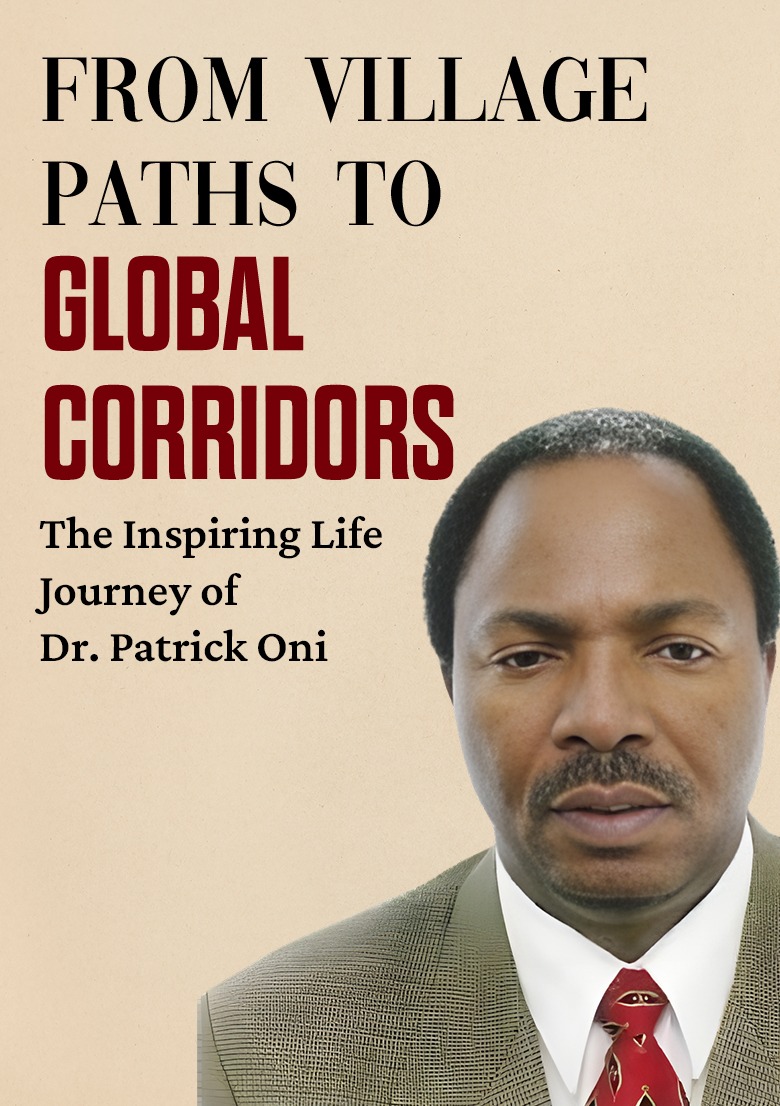
The foundational experiences and meaningful connections that moulded Dr. Patrick Oni into his present self are deeply honoured in this biography.

Thanks to his parents, Chief Stephen Osedeme Oni and Mrs. Alice Ochade Oni, whose humble strength and tireless work in rural Nigerian fields instilled in him the belief that challenges in life are opportunities to think more clearly, stand firmer, and keep going even when things get tough. Their example rather than instruction served as the moral compass that he used to traverse borders and weather seasons of uncertainty.

His dear wife, who has been his rock through thick and thin, who has kept him steady when he had to sacrifice and who has cheered him on when his dreams seemed loftier than his means. One of his greatest blessings is her willingness to help him out and prioritise the needs of their family.

His children’s pursuit of a better education and career served as a source of great pride for him, inspiring him to persevere with honesty and dignity, regardless of the challenges they faced.

This story is for every child in a small town who wonders if their dreams will reach another continent. We want them to know that their dreams are possible.

“He who learns, teaches.”

Phase 1: Roots in OWA, OYIBU, and MBIRI —The Making of a Questioning Mind

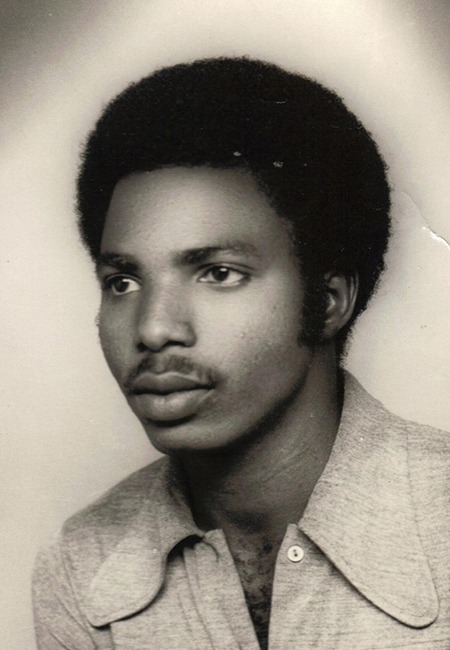
Dr. Patrick Oni’s early years were spent in rural Nigeria, among the verdant hills and vast open spaces, where he was fashioned by the forces of nature and practicality rather than by formal education. He was born in Owa Oyibu and brought up in Mbiri, two places where the unseen cornerstones of everyday existence were faith, family, land, and dignity. In this place, people were very connected to the land that provided for them, and life here happened in sync with the changing of the seasons. No easy solutions, no fast tracks, and no false promises of simplicity existed. Rather, habits, observation, and experience were the means by which life imparted its wisdom.

Even though it was a chilly morning and the fields were cruel, his parents got up before the sun came up and moved with determination. Working the earth with steady hands, they demonstrated that progress is not automatic. The lesson that life seldom gives solace prior to commitment was something Patrick took away from them. He was still susceptible to complexity; rather, the simplicity of rural life forced him to face problems head-on, unencumbered by frills and trinkets.

When he was a kid, he saw his parents tackle problems not as insurmountable obstacles but as opportunities to learn and grow. During times of limited harvests, they deliberated ways to make do with less, how to do better the following year, and how to keep their pride intact despite the hardships. They learnt how to repair or adapt to broken tools. Their unspoken conviction was that being resourceful is a duty, not a luxury. These small things taught Patrick that adversity does not spell doom, but rather presents an opportunity for creativity. He inherited this way of thinking and reinforced it often, and it served as the basis for his approach to solving problems.

Similarly, education also occurred in rather humble settings. Functional rather than aesthetically pleasing, his early classrooms were built simply. The wooden workstations displayed the fingerprints of numerous pupils. Wear and tear on textbooks was common because they were shared. Dedication was more important than resources for educators. However, Patrick found these settings to be sufficient. He saw education as a means to an end—one that would take him far beyond the confines of his little town. His interest in the subject matter went much beyond what was required of him in class; he paid close attention in class, studied hard, and watched his surroundings with awe. His determination and self-control made up for his lack of financial means.

“The beautiful thing about learning is that no one can take it away from you.”

Phase 2 : Pathways of Learning – Education, Sacrifice, and Early Responsibilities

As Dr. Patrick Oni moved from elementary to secondary school, the chasm between his aspirations and his actual circumstances grew wider. As a child living in a small town where everyone had to work hard to make ends meet, we learnt that getting a good education was a luxury that required not just a strong desire to learn but also a large family budget. His family was already struggling to make ends meet, and now he had to worry about paying for school, buying books, and missing out on the time he needed to work in the fields. Every stage of Dr. Patrick’s educational journey required a certain amount of personal and familial sacrifice. Even though they were struggling to make ends meet, his parents never wavered in their support for his education since they believed it was an investment in his future.

Dr. Patrick started to form an idea of the world beyond his rural existence while he was in high school. He gained a perspective on a world far bigger than the little town he had grown up in through the courses he took in economics, government, and international affairs. The realisation that he could make a difference in these disciplines someday ignited something within him. He began to envision himself as a part of the vast and abundant world beyond his immediate surroundings. However, there were also some difficulties along the way. As a result of financial constraints, he had to constantly interrupt his studies, making the gap between his aspirations and his reality all the more apparent. When obstacles—both internal and external to his control—came his way, he had to rethink his original strategy and figure out a way around them.

Most people would have seen these kinds of disappointments as signs that they needed to tone down their ambitions and their expectations of themselves and their abilities. However, Dr. Patrick did not let setbacks discourage him; rather, they served as reminders that he needed to be patient and persistent. Actually, he learnt that aspirations were worth fighting for even if they took longer to realise, and the hurdles he faced helped reinforce his resolve. 
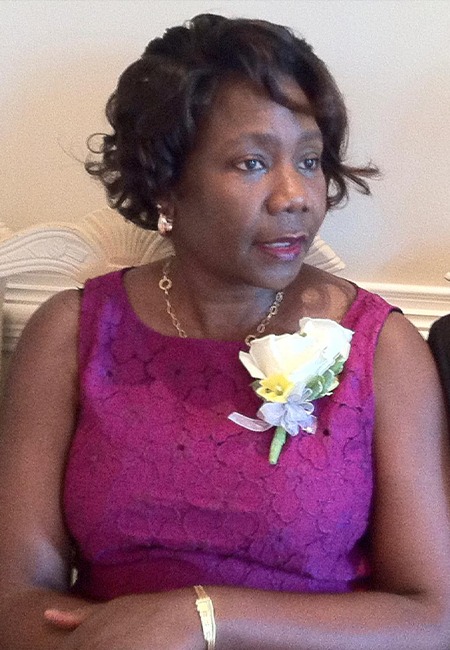
“The journey of a thousand miles begins with one step.”

Phase 3 : Crossing Oceans –Arrival, Adaptation, and Study in the US

As Dr. Patrick Oni embarked on his journey from Nigeria to the United States, he entered a new phase of his life that would test his mettle, humility, and capacity to adapt. He was entering a complicated world ruled by institutions, expectations, and cultural frameworks that were drastically different from his upbringing when he left home, and it was more than just a change in geography; it was the start of a fundamental metamorphosis. With the transfer, he left the familiar landscapes of Owa Oyibu and Mbiri behind and entered a society where navigating social norms, understanding institutional processes, and thriving in settings where he frequently felt like an outsider were all necessary for success.

Dr. Patrick found the change to be optimistic but also humbling. Since he was a high school student, when he began to fantasise about making a difference in the world through economics, government, and development, the United States has been a symbol of opportunity for him. However, he learnt the hard way that even the most dogged persistence might still fail upon landing in a foreign place where he knew very few people. He had to learn to adapt to the differences between the US and Nigerian academic systems, as well as the many ways immigration affected his life and career.

Completing academic papers, learning credit systems, and adapting to society’s fast pace were all simple activities that turned into lessons in endurance. Not due to a lack of talent, but rather to the necessity of bridging gaps in cultural familiarity, institutional knowledge, and social networks, he found that he had to work harder than others in numerous instances. At times, he experienced the full impact of this disparity. Throughout his life, he had to prove himself time and time again in places where outsiders, particularly immigrants, were not necessarily given a second chance.

Still, Dr. Patrick continued to face these threats head-on. Instead, he dealt with them the same way he had dealt with any problem since he was an infant boy: with perseverance, patience, and the firm conviction that strength came from overcoming adversity.

Note of Thanks

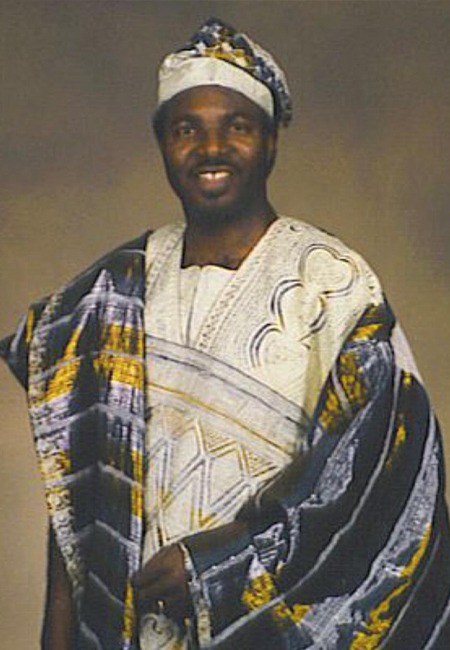
As we reflect on the journey that has taken us from the villages of Owa Oyibu and Mbiri to opportunities across continents, my heart is filled with gratitude. Every phase of his life has been shaped not only by personal effort but by the generosity, encouragement, and steady support of many people who stood beside him in moments seen and unseen.

We are deeply thankful to his wife and children, whose love and sacrifices have strengthened him through demanding seasons. Their understanding has served as a constant source of motivation, reminding him that true success is a shared, not solitary, endeavour. He is equally grateful to his extended family, whose early lessons in discipline, dignity, and faith laid the foundation for everything he has pursued.

He extends his gratitude to mentors, colleagues, and partners who have walked with him through the complexities of government service, international trade, and entrepreneurial growth. Their trust and collaboration have enriched his path and broadened his vision.

Above all, he thanked God for grace, guidance, and undeserved favours. Every opportunity, every breakthrough, and every moment of renewal has been a reminder that he has never walked alone.

To all who have contributed to his journey—we offer our sincere and enduring thanks.

Thank You
Dr. Patrick Oni