“The best way to predict the future is to invent it.” –
Introduction
An introduction is often thought of as the first thing the reader sees about the person in a biography. It is the first step into someone else’s life, where curiosity and context meet. This introduction to Dr. Nizamraja Noormohamed is not just a way to get to know one man; it is also a way to get to know a world where agriculture, innovation, resilience, and compassion all come together. To know him is to know the rhythm of the land, the pulse of machines, the struggle that never ends, and the harmony of nature, all of which are part of the life of a man from Pollachi, Coimbatore.
Place is the first thing in every biography because it changes people in both small and big ways. Pollachi, a town in the southern part of Tamil Nadu, is the heart of agriculture. The smell of the soil, the sound of machines, and the rhythm of work define daily life in this area, which is surrounded by coconut groves, tea estates, coffee plantations, and cardamom hills. Dr. Nizamraja Noormohamed was born in Pollachi in 1966. He didn’t have a privileged childhood; instead, he grew up working on farms and in trade. His father was a small but well-known figure in the agricultural machinery business. He ran a shop that made and sold sprayers to farmers. For young Dr. Nizamraja, this was more than just a family business; it was like going to school. He learnt by watching, not just reading. He heard the creak of gears, the hiss of a sprayer, the frustration in a farmer’s voice when a machine broke down, and the relief when it worked again. Pollachi didn’t just give him roots; it also gave him a new way of looking at things. It taught him that new ideas should come from real life, not from far-off ideas.
He learnt in Tamil, which made it hard for him to understand English-based technical manuals or higher education. But life around him made up for what formal schooling could not. He learnt how machines worked not by looking at diagrams, but by touching, hearing, and using them. This hands-on learning led to a unique way of thinking: he would become a man who could read machines like other people read books. By the time he was a teenager, he was not only helping his dad with customers, but he was also coming up with small changes to sprayers. This boy played in a workshop, used tools as toys, and learnt from farmers.
But life is not a straight line. In 2001, Dr. Nizamraja’s personal and family life changed a lot. After a big fight, he was told to leave the family home with nothing—no savings, no property, and no backup plan. For many people, this kind of break would have ended their career. For him, it became the test of his strength. He started Star Associated Traders in Pollachi with only his bravery as capital. It was a small start: a shopfront, a few farming tools, and a strong desire to make machines work better for farmers. What came out of this small beginning was nothing short of a revolution. Over time, the company became a well-known name that sold goods not only in Tamil Nadu but also in Kerala, Karnataka, and Puducherry.
By 2008, he was the first person in the area to bring in agricultural machinery. He introduced high-performance tools that transformed the way people farmed. His expertise in high-tree spraying machines helped him solve a crucial problem: how to spray coconut trees standing 60 to 80 feet tall, as well as tea and cardamom plantations spread across hilly terrain. Not only did he supply these machines, but he also adapted them. Imported machinery often failed to perform well under Indian conditions, so he redesigned, modified, and localized them to ensure affordability, durability, and ease of use.
“Genius is nothing more nor less than childhood recaptured at will.”
PHASE 1: Early Childhood Journey and Educational Experiences
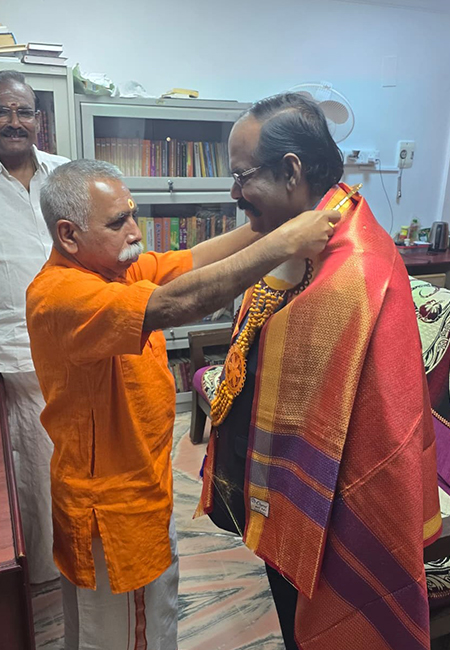
Dr. Nizamraja Noormohamed was born on February 15, 1966, in the peaceful village of Pollachi in the Coimbatore District of Tamil Nadu, India. He grew up in a world shaped by simple things, hard work, and the rhythms of rural life. Pollachi, with its lush green hills, small farming communities, and close-knit society, is where Dr. Nizamraja learnt the values and principles that would guide him for the rest of his life. From the start, he showed a strong desire to learn and a strong will, traits that would later define his career as an entrepreneur and innovator.
As a child, he lived in a simple home, so school was both a privilege and a challenge. Dr. Nizamraja went to a Tamil-medium school in Pollachi and finished his studies up to the 12th grade. The education he got, even though it wasn’t excellent, made him love learning and made him very proud of his cultural background. He was always interested in machines, tools, and the practical parts of work, even as a child. While other kids played in the fields, Dr. Nizamraja often helped his dad in the family workshop. He observed, gained knowledge, and enquired about the various farming tools and sprays distributed to nearby farmers.
His father’s workshop was an important part of the community, giving farmers in and around Pollachi the tools they needed to work their land. Dr. Nizamraja helped his father from a very young age. He learnt how to use machines, fix things, and understand what farmers need. He was already known as his father’s trustworthy assistant and agent by the time he was eight years old. This early experience taught him not only technical skills but also a lot about how to help customers, solve problems, and run a business.
Even though the family business kept him busy, Dr. Nizamraja went to Coimbatore to learn more, focusing on engineering. This mix of formal schooling and real-world experience gave him a strong base for his future plans. He learnt how to combine what he knew in theory with what worked in practice. This skill would later define his innovations in the agricultural machinery industry.
“The ultimate goal of farming is not the growing of crops, but the cultivation and perfection of human beings.”
PHASE 2: Innovator and Mentor in High-Tree Plantation Agriculture
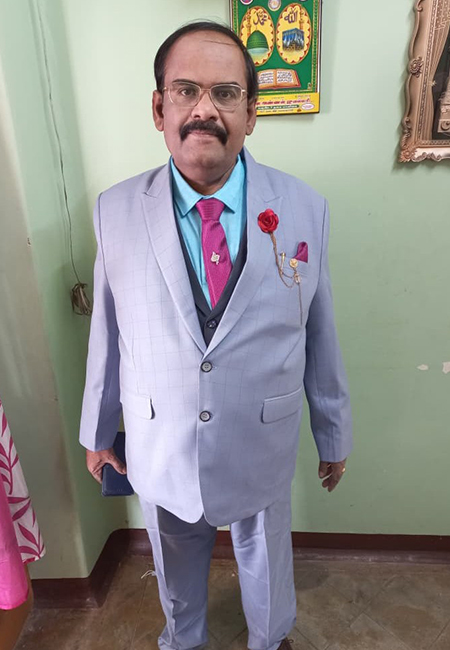
Dr. Nizamraja Noormohamed came from a poor family and went on to become a leader in agricultural machinery, especially in high-tree plantations like tea, coffee, cardamom, and coconut. His life shows a rare mix of technical skill, business sense, and a commitment to improving the lives of others. This has changed how plantation agriculture is run in all of South India.
Dr. Nizamraja has been a big part of the family business since he was a child. His father ran a workshop that made agricultural sprayers for farmers in the area, and young Dr. Nizamraja quickly became an important part of this business. He was already helping out in the workshop by the time he was eight years old. He learnt how to use spraying equipment, how to meet the specific needs of plantation crops, and even how to work as an agent for his father’s business. During these formative years, he learnt both technical skills and how innovation could solve real-world problems in farming.
Dr. Nizamraja went to a Tamil-medium school in Pollachi until the 12th grade. After that, he went to Coimbatore to study engineering. His formal education gave him theoretical knowledge, but it was his early experiences with real-world problems in agriculture that motivated him to come up with new ways to grow high trees. He needed a unique mix of mechanical engineering skills, creativity, and a deep understanding of plant biology and farming methods to do his job.
It is very hard to spray pesticides, nutrients, and other chemicals on high-tree plantations like those for coconut, tea, coffee, and cardamom. The trees in these plantations are often 70 to 80 feet tall, which makes traditional spraying methods dangerous and ineffective. Dr. Nizamraja realized that this was a problem and worked hard to make specialized tools for high-tree work. Over the years, he came up with a lot of different sprayers, nozzles, and attachments that were made just for these plantations’ needs. His new ideas made it possible to spread chemicals evenly, quickly, and safely, which greatly increased productivity and lowered the risks of accidents.
“A farmer is a magician who produces money from the mud.”
PHASE 3: Pioneering Farmer-Centric Agricultural Solutions through Research and Innovation
Dr. Nizamraja Noormohamed is an amazing person who has spent his whole life working to improve farming technology, make farmers’ lives better, and confront the many problems that modern farming faces. His journey has taken him through more than 50 years of working in the agricultural sector, from working in his father’s workshop to bringing in new machines that change the way farming is done all over India.
Dr. Nizamraja was very involved in his father’s business, which sold agricultural sprays and tools, from a young age. He quickly learnt about the needs of local farmers, the problems with current machinery, and the practical difficulties of using chemicals to take care of crops, especially on high-tree plantations like tea, coconut, cardamom, and coffee. These early experiences gave him a deep understanding of the problems that farmers face, such as how to cope with changing weather, how to manage water, and how to make money from farming.
After finishing his formal schooling in Tamil-medium education in Pollachi, Dr. Nizamraja went on to study engineering at Coimbatore. His academic background gave him the theoretical knowledge of mechanical principles, but his hands-on experience with agricultural machinery and operations in the workshop shaped how he thought about innovation. Dr. Nizamraja learnt both in school and on the job, which gave him a unique set of skills that helped him design, build, and improve machines that met the needs of farmers in the real world.
The way Dr. Nizamraja does his work is very research-focused. He doesn’t just make machines for general use like most manufacturers do. Instead, he designs them with farmers in mind, based on decades of experience with the problems that farming communities face. His research encompasses a wide range of topics, including the design of machines that are efficient, cost-effective, and capable of adapting to changing weather conditions. For instance, he looks closely at rainfall patterns, drought cycles, soil conditions, and the needs of different crops to ensure that his machines work well in a variety of settings.
Dr. Nizamraja ‘s research includes both digital analysis and working with people from other countries. He imports machinery from foreign manufacturers and works closely with them to change the designs to fit the needs of Indian farms. This makes sure that the equipment works well in both the climate and the way farms in India actually work. He gives international companies detailed instructions and feedback on how to make their machines work better for Indian farmers. This combination of global technology and local knowledge shows Dr. Nizamraja ‘s creative thinking and commitment to finding solutions that work.
One of the most important areas of his research and innovation has been high-tree plantations, where traditional spraying methods don’t work well and are dangerous. Coconut and cardamom trees can grow to be 70 to 80 feet tall, which makes it very difficult to control pests and apply chemicals. Dr. Nizamraja has made a lot of specialized nozzles, sprayers, and attachments that can reach very high places and make sure that chemicals are spread evenly and accurately. These new tools not only make crops healthier, but they also lower the risk of accidents, make work safer, and boost productivity.
Note of Thanks
We want to thank everyone who has helped Dr. Nizamraja Noormohamed live and grow. Family, friends, coworkers, and many farmers, whose trust has always pushed him to keep going, have lit his path. He has spent decades working hard in agriculture, coming up with new ideas, and helping others.
The needs and strengths of the farming communities in Pollachi and Coimbatore served as the foundation for Dr. Nizamraja’s innovations. We are deeply grateful to all of you. Their willingness to talk about their problems and share their ideas gave him the strength to come up with useful solutions and bring their voices into the world of agricultural technology.
Special thanks go to the students, trainees, and young researchers who asked him to be their mentor. He kept teaching, guiding, and making opportunities for future generations because of their curiosity, enthusiasm, and desire to learn.
Then there is a more gentle, personal expression of gratitude conveyed by his five cats. Each cat, with its own colour and personality, has become more than just a pet. They have been silent witnesses to his thoughts, loyal protectors of his quiet times, and sources of comfort when he is alone. Cats are often considered mysterious, patient, and independent in the cultural imagination, as B.N. Goswamy once said. Dr. Nizamraja’s cats teach him balance, calmness, and how to pay attention to things. Their playful presence has made his work life less stressful by reminding him that happiness is also a sign of strength.
Finally, we want to thank everyone who helped with this project by sharing memories, thoughts, and words of encouragement. This biography is not only a record of Dr. Nizamraja’s accomplishments but also a celebration of the human, cultural, and even animal connections that have helped him along the way.
Thanks
Dr. Nizamraja Noormohamed