“I did not choose dance—dance chose me. Through movement, I found my voice; through culture, I found my responsibility; and through teaching, I found my purpose.”
Dedication
This biography is dedicated to Dr Martin Scott-Pascall, who had the fortitude to persevere and the generosity to become the person he is today.
It is dedicated to the land of Trinidad and Tobago, where he learned rhythm before he learned language and where culture was not taught but lived through drums, movement, and community. It is dedicated to his parents, whose quiet courage and wordless faith gave Dr Scott-Pascall the freedom to choose a path less travelled, believing that passion becomes purpose when it is honoured. It is also a tribute to loved ones who have passed away, whose absence made him stronger and whose presence still echoes in his art.
This biography is for the teachers who recognised him before anyone else did, especially those who spotted potential in him when he was still curious. It is for the pupils who learned to speak up and be confident because he believed in them. Above all, this is for every young artist who has been told that art can’t be a job and every dreamer who had the guts to disagree.
May this work be a tribute to a life lived in service of art, identity, and humanity via Dr Martin Scott-Pascall’s unflinching dedication to preserving culture and giving future generations the tools they need to do the same.
“Everything is ceremony in the wild garden of childhood.”
Phase 1: Roots, Rhythm, and the Making of a Cultural Soul
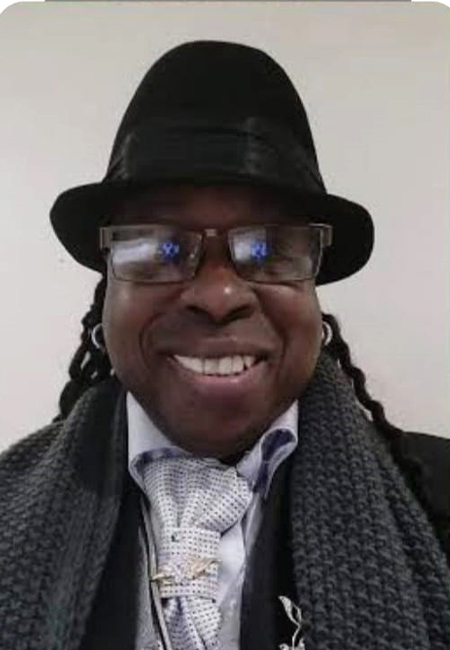
Every journey starts long before you decide to take it. Dr Martin Scott-Pascall’s life’s work was not built on purposeful ambition but on immersion into family, community, rhythm, and a cultural setting where expression came naturally rather than being taught. His upbringing didn’t tell him what his future would be like; it showed him through movement, music, and watching.
Dr Scott-Pascall was born on November 12, 1960, in the San Fernando General Hospital in Trinidad and Tobago, a Caribbean country known for its mix of cultures. But he was raised in the village of Palo Seco, St Patrick East. Dr Scott-Pascall’s earliest memories are inextricably linked to this reality. Before he ever walked on stage, the rhythms of life around him, festivals, gatherings, music, and stories, quietly influenced how he felt.
He was the second kid born to a family of seven, which meant he had to take care of and watch over his younger siblings. He had a lot of affection and friends in his early childhood, but he also had a lot of loss. Dr Scott-Pascall lost his older sister and then his younger brother, which changed the way he felt about things as a child. He learned early on how fragile life is and how important it is to be connected to others through these losses. Over time, they would make him more understanding and change how he interacted with people, both as a teacher and an artist and a person.
Dr Scott-Pascall is now the oldest living sibling, and this role is as much about remembering as it is about leading. He had a calm sense of duty even when he was little. It wasn’t forced on him; he just took it on. Family was important to him, and that feeling of belonging would eventually spread to other people, changing the way he saw community as a larger version of family.
His parents helped him learn how to be disciplined and strong. His father was a track and field runner, and his passion for sports had a big effect on young Martin. For Dr Scott-Pascall, being athletic wasn’t only about being strong; it was also about being moral. Sports taught him how to stick to a schedule, work hard, and be dedicated.
“Education is the key that unlocks the golden door to freedom.”
Phase 2 : Education, Mentors, and the Call of the Arts
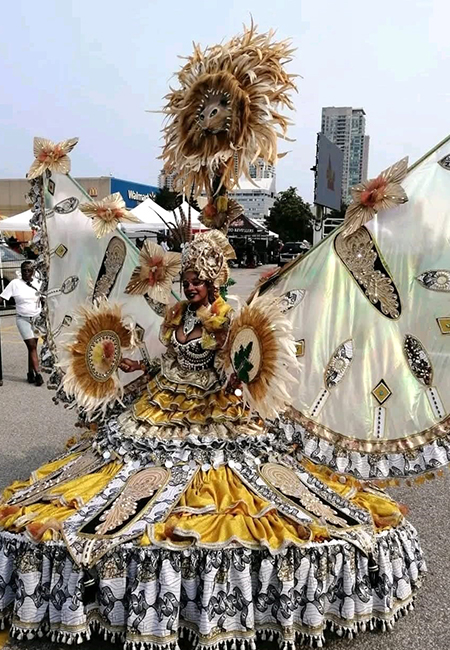
Dr Martin Scott-Pascall never thought of education as just being in classes or getting certifications. It was a process that people went through in real life: they learned by watching, improved by having a mentor, and tried it out in real life. As he transitioned from youth to early adulthood, his inquiries extended beyond career selection to encompass responsibility: What does it signify to serve culture? How can you respect tradition while also letting it change? These questions and the people and organizations that helped him discover solutions define Phase II of his life.
By the time Dr Scott-Pascall finished his practical training, it was becoming more and more evident that his interest in the arts was not going to go away. Dance had gone from being something that people liked to something that defined them. But unlike more traditional jobs, the performing arts, especially those that are based on culture, didn’t have a clear path to follow. During this time, there weren’t many or any formal degree programs in Trinidad and Tobago that focused on Caribbean dance. Dr Scott-Pascall had to be creative because of this. Instead of waiting for systems to confirm his calling, he sought out opportunities to study wherever he could find them.
He started by getting more involved in arts programs in his town. He kept going to festivals, workshops, and training sessions that focused on preserving culture. These areas acted like informal schools where people learned things by talking, doing, and working together. Dr Scott-Pascall learned not just how to do things but also why they were done, how rhythms changed, and what tales were told through them. In this way, education and heritage became the same.
Patricia Hudlin had a big influence during this time. She taught not only technique but also vision. She didn’t just teach Dr Scott-Pascall how to dance; she also taught him how to think of dance as a way to teach. With her help, he started to see that teaching wasn’t just a backup plan for performers; it was a separate and equally important job. At a crucial point, her faith in his ability to teach others gave him confidence and pushed him to take on leadership sooner than he may have otherwise.
“Every man’s ability may be strengthened or increased by culture.”
Phase 3 : Becoming a Cultural Practitioner

The shift from learning to leading doesn’t happen all at once. For Dr Martin Scott-Pascall, it happened via intentional practice, long-term service, and a growing feeling of duty to culture and community. Phase III is when he became a cultural practitioner. This was not just because of his titles but also because of what he did, how he influenced others, and why he did it.
Dr Scott-Pascall was no longer only learning about art in Canada; he was also shaping spaces. His years of learning, being mentored, and performing had prepared him for a job that went beyond just being an artist. He started to get that practicing culture responsibly entailed curating, teaching, and protecting it, especially in diasporic settings where traditions could be watered down or misrepresented.
Dr Martin Scott-Pascall faced a conundrum in Canada that many people who work in the arts and culture know everyone too well. People liked the idea of multiculturalism, but real representation needed continual support. Festivals and shows typically showed Caribbean culture, but not as much through long-term educational systems. People liked to dance for fun, but they often forgot about its historical and educational worth.
Instead of accepting this marginalization, Dr Scott-Pascall put himself in the role of both a practitioner and an educator. He was someone who could express culture via movement and put it in context through education.
His first jobs in Canada showed that he was committed to each of these things. Dr Martin Scott-Pascall worked with schools, community groups, and cultural organizations to teach Caribbean dance as a disciplined art form with a long history of resistance, celebration, and survival. He taught his kids that rhythm is a language and movement is a way to remember things. Every class was a way to show pride in one’s culture.
Note of Thanks
This biography would not have been feasible without the collective contributions of individuals who have accompanied Dr Martin Scott-Pascall throughout his life and career. It is a way for him to thank the mentors who saw his talent early on, the communities that trusted him with their cultural stories, and the institutions that gave him space, sometimes carefully, sometimes boldly, for his vision to grow.
He owes a lot to the elders and cultural practitioners whose teachings shaped his philosophy, as well as to the teachers who pushed him to express embodied knowledge clearly and with passion. Their impact could be seen in every school he has been in and every stage he has built.
We are grateful to the dancers, students, and collaborators who showed the discipline, humility, and attention that his art requires. Their passion turned ideas into real-life actions and made sure that culture stayed alive, important, and shared.
You should also thank your family and friends for their quiet support, which helped you through many years of travel, work, and sacrifice. When the work got tough, having them around helped keep me grounded.
Lastly, this book honours its readers, those who think culture is important, that education can change lives, and that service builds legacy. May these pages honour the work that many people are doing to keep this project going.
Thank You
– Dr Martin Scott-Pascall