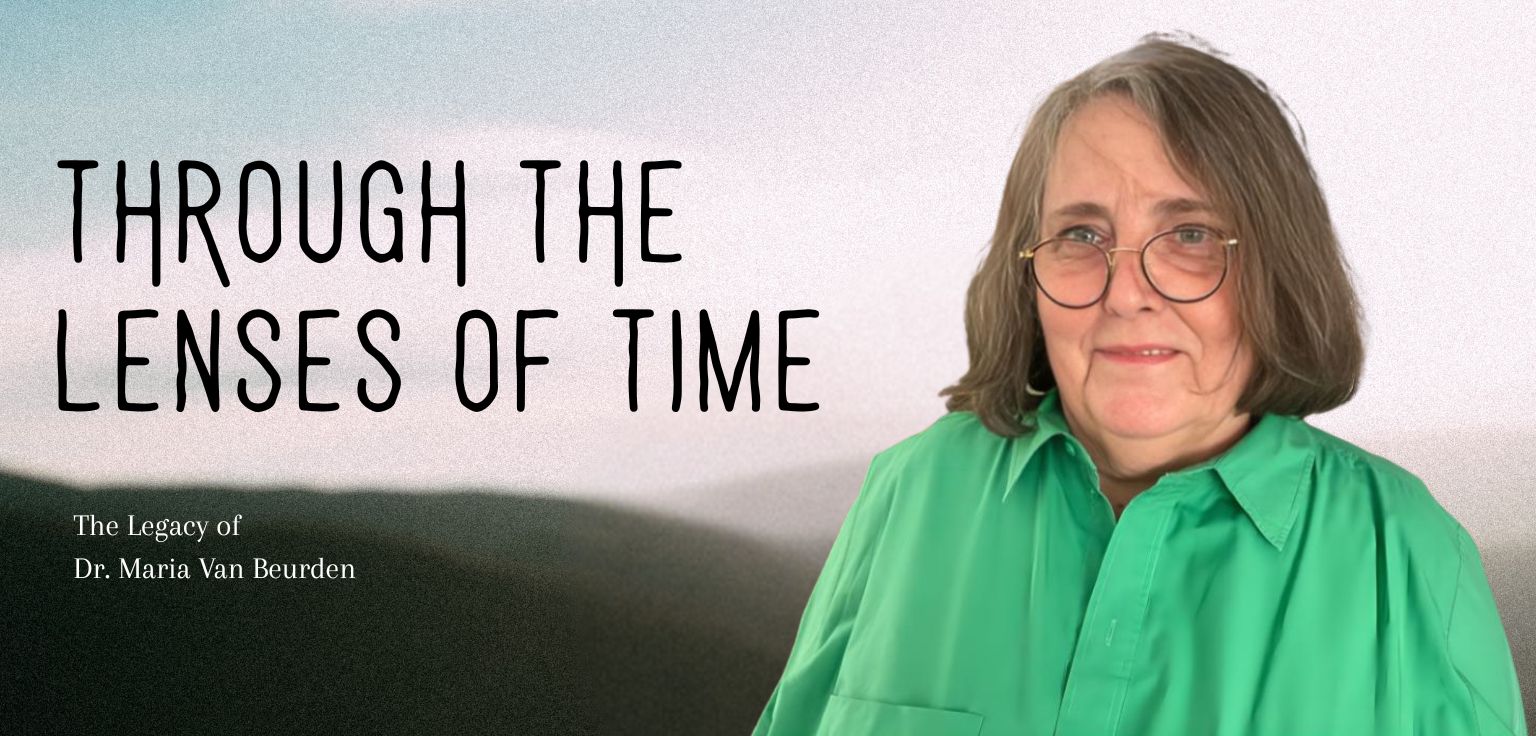
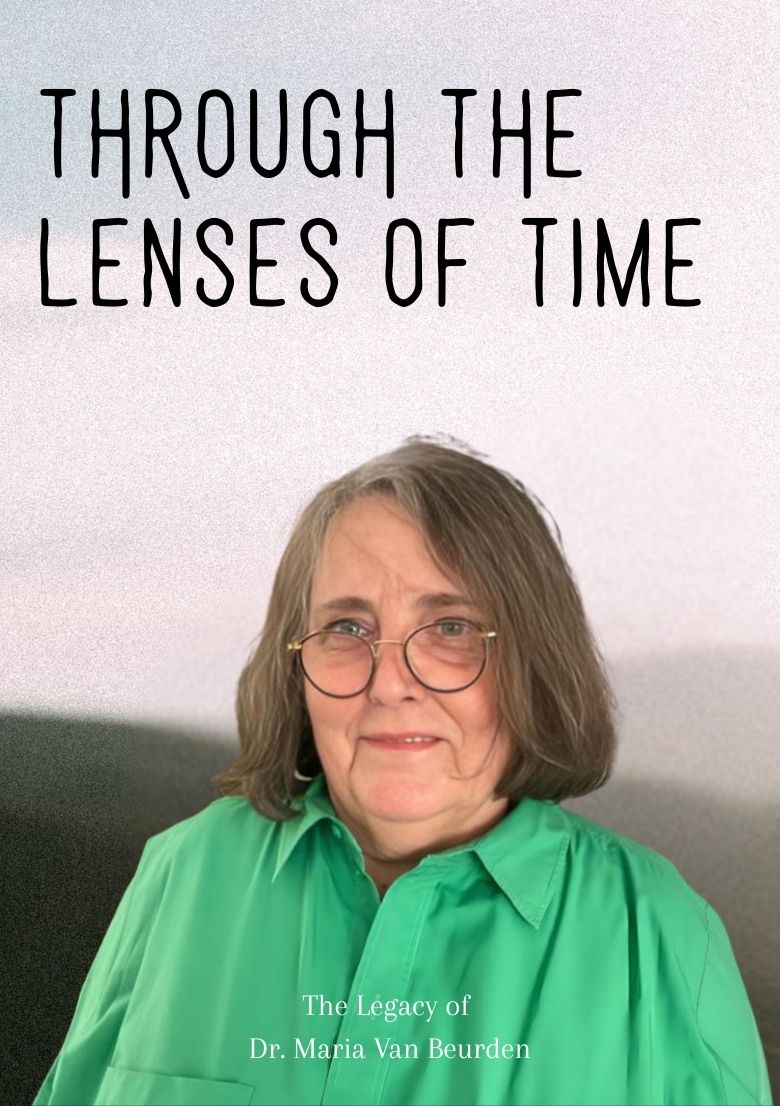
“The past is never dead. It’s not even past.”
Introduction
History, in its essence, is not merely a record of what has happened—it is a mirror held up to the soul of humanity. Through the lens of time, we come to understand ourselves not just as individuals, but
as members of an unfolding story. And few have dedicated their lives to preserving, interrogating, and
illuminating that story with as much passion and precision as Dr. Maria Van Beurden.
This biography does not begin with fame, fortune, or fanfare. It begins—as all meaningful lives do—in
the quiet pursuit of understanding. From her early days at Sint Janslyceum to her rigorous academic journey through the corridors of Radboud University, Dr. Maria Van Beurden’s life has been guided by an unshakable belief: that history matters, and that education is the most powerful vessel through which its
meaning is preserved and passed on.
Spanning over four decades, her professional path traverses the classrooms of Dutch high schools, the solemn grounds of Holocaust memorials, the conference halls of international institutions, and the pages of journals, textbooks, and newspapers. Yet, this is not simply a timeline of jobs and roles—it is the
blueprint of a life dedicated to remembrance, critical thinking, moral education, and intellectual honesty.
At the heart of this biography lies a deep reverence for truth. Dr. Maria Van Beurden has never shied away from complexity—whether confronting the horrors of genocide, the psychological scars of war, or the moral ambiguities of political history. Her work with the NIOD Institute for War, Holocaust and Genocide
Studies, her groundbreaking epigenetic research on the intergenerational trauma of the Shoah, and her countless lectures from Krakow to California have all been animated by one urgent purpose: to ensure that the suffering of the past does not dissolve into the indifference of the present.
She is an educator who sees the classroom as a sacred space of awakening. A historian who understands that facts without empathy are hollow. A writer who views words as tools for change. And a woman whose
personal integrity has been the quiet yet unyielding force behind every public contribution.
“The roots of education are bitter, but the fruit is sweet.”
PHASE 1: The Spark of Curiosity (1972–1979)

Even as a teenager attending Atheneum A, a stream that demanded both scientific and literary rigour, Dr. Maria Van Beurden stood out—not because she had all the answers, but because she had the courage to ask better questions.
Her curiosity was relentless. Teachers often found her staying back after class, not for extra help but to continue discussions that went beyond the syllabus. Whether the topic was World War II, the Dutch Republic, colonial histories, or contemporary geopolitics, she brought to each conversation a sense of wonder that was deeply infectious. Her essays brimmed with sharp analysis, not parroting lectures but offering original interpretations—even if it meant challenging prevailing narratives.
But Dr. Maria Van Beurden’s early fascination with history was never confined to the classroom. Her home was filled with books—some inherited, some borrowed from libraries that became her second home. She poured over biographies, memoirs, encyclopedias, and even newspapers with the kind of focused intensity that made her forget time. Television documentaries, family conversations, political debates—everything became a resource, an opportunity to dig deeper.
She became particularly captivated by the human dimension of historical events. While others might have focused on the outcomes of wars, Dr. Maria Van Beurden asked: What happened to the families? To the children? To the displaced and the silenced? Even in these early years, there was a seed growing within her—a desire not only to study history but to give voice to those left out of it.
“Education is the most powerful weapon which you can use to change the world.”
PHASE 2: Foundations of Wisdom (1979–1989)
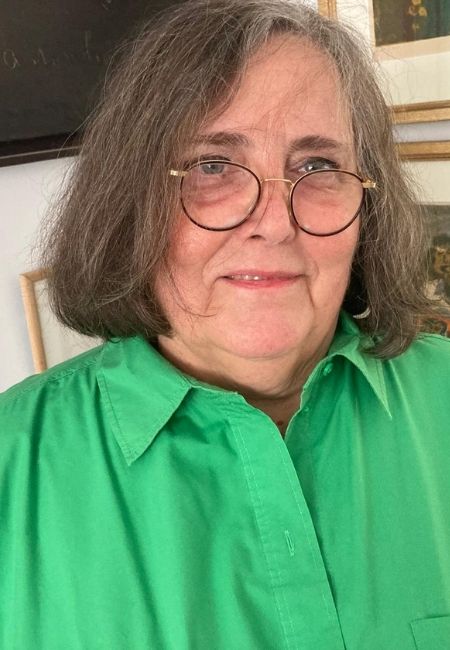
She entered the university with ambition and curiosity—but what emerged a decade later was a woman who had been forged in the fires of intellectual rigor, ethical questioning, and personal growth.
Dr. Maria Van Beurden didn’t choose the easy road. Majoring in both History and Political Science at the doctoral level demanded a delicate balance of deep analytical skills and broad contextual understanding. She was not content to memorize facts—she sought to question them, deconstruct them, and understand the deeper forces beneath events and ideologies. For her, history was never static. It was alive, complex, and interwoven with human behavior, political strategy, power dynamics, and the persistent cry for justice.
The university years were filled with late-night study sessions, dusty archival visits, endless footnotes, and passionate seminars. Her professors quickly recognized her as someone whose questions went far beyond the curriculum—she probed into forgotten narratives, re-examined well-known theories, and constantly challenged prevailing interpretations.
Where some students merely cited thinkers, Dr. Maria Van Beurden engaged them—debating Rousseau, Foucault, Arendt, Marx, and de Beauvoir not as distant figures, but as contemporaries in her intellectual dialogue.
“A teacher affects eternity; he can never tell where his influence stops.”
PHASE 3: The Teacher’s Torch (1989–2024)
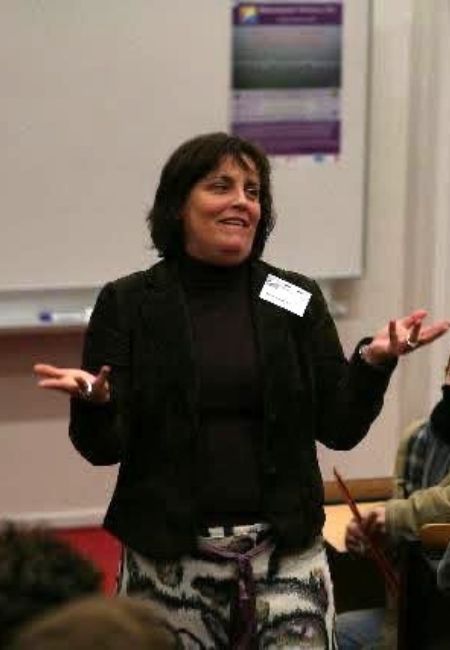
These were not just years spent behind a desk or in front of a chalkboard—they were years in which she reshaped how students viewed the past, understood the present, and envisioned the future.
Dr. Maria Van Beurden did not merely teach history—she breathed life into it. Her classrooms were not passive spaces where students copied notes from the blackboard. Instead, they became dynamic arenas of thought and dialogue. With each lesson, she invited her students into the minds of revolutionaries and reformers, tyrants and visionaries. Whether it was the fall of the Berlin Wall or the rise of the Roman Empire, she narrated history as if it were unfolding in real-time.
She had a distinctive way of fusing historical fact with human experience. Battles were not just troop movements—they were stories of mothers, workers, and children caught in the tides of change. Treaties weren’t just documents—they were moments of compromise, strategy, and sometimes betrayal. For Dr. Maria Van Beurden, the heart of history lay in its people, and her ability to humanize historical events set her apart.
In an era where education was still navigating the challenges of multiculturalism, Dr. Maria Van Beurden’s teaching spaces became examples of inclusive thought leadership. She encouraged critical thinking in students regardless of their background, ability, or belief system. In her eyes, each student brought a unique perspective—worthy of being heard and validated.
Note of Thanks
To my family—your unwavering love, patience, and sacrifice have been the quiet foundation of all that I have built. You bore the weight of my long hours, my distant travels, my deadlines and silences, without complaint—always with support, always with grace. You are the home to which I have returned, time and again, replenished by your care and reminded of what truly matters.
To my students—past and present—you have given purpose to every lesson plan, every lecture, every research paper. Thank you for challenging me, for listening with curiosity, and for trusting me with your questions and your growth. Your energy, idealism, and eagerness have been a constant source of inspiration. Teaching you has been one of the greatest privileges of my life.
To my colleagues and mentors across the many institutions I’ve been honored to work with—thank you for the rich conversations, the intellectual collaboration, and the shared mission of bringing knowledge to life. From Radboud University to the NIOD Institute, from Luzac to Nova College, and every classroom, office, and meeting room in between—you have shaped me more than you know.
To the academic and research communities that welcomed and supported my work—thank you for the space to ask difficult questions, to explore uncomfortable truths, and to contribute meaningfully to the ever-evolving field of historical and trauma studies. Special thanks to the Dr. Jeremiasz Barth Foundation and the Descendants of the Shoah Holland, whose trust in my vision made it possible to pursue deeper inquiries and publish work that reaches far beyond academia.
To the institutions and organizations that provided platforms to share, speak, and connect—Yad Vashem, the Académie Française de l’Éducation, Jagiellonian University, USC Shoah Foundation, and countless others—thank you for your commitment to memory, justice, and dialogue. It was a profound honor to stand among such dedicated communities and to contribute to the shared cause of remembrance.
Thanks
Dr. Maria Van Beurden