“A life shaped by simplicity, strengthened by learning, and guided by responsibility can travel farther than ambition alone.”

Introduction

The story of Dr. Kurella Venkata Chakrapani is not one of sudden success or inherited privilege. It is the story of steady growth—of a man shaped by humble beginnings, sustained by discipline, and guided by an enduring belief in learning, responsibility, and service. His journey reflects how resilience, when paired with curiosity, can transform limitations into lifelong strength.

Born on 8th July 1978, Dr. Kurella Venkata Chakrapani grew up in a traditional agriculturist family, where simplicity was not a choice but a way of life. The early environment in which he was raised instilled humility, patience, and a deep respect for people. Limited resources did not restrict his thinking; instead, they encouraged him to value human connections, effort, and purpose. These formative years quietly laid the foundation for what would become a life guided by “simple living and ample thinking.”

His early education unfolded amid transitions—from village to town and later to the city. Each move brought cultural, social, and linguistic challenges. Adapting to unfamiliar environments required courage and persistence, but these experiences strengthened his ability to observe, listen, and learn. Rather than resisting change, he embraced it, developing adaptability as a core personal strength. These years taught him that growth often begins at the edge of discomfort.

From a young age, responsibility became part of his life. While continuing his education, Dr. Kurella Venkata Chakrapani began working early to support family needs. The concept of “earning while learning” was not a slogan for him—it was a necessity. Balancing academics with work demanded discipline, time management, and emotional strength. These experiences nurtured independence and self-belief, reinforcing the understanding that dignity comes from effort and consistency.

College life marked a decisive turning point. Beyond academics, he became actively involved in student forums and leadership roles, serving as a student council leader. These responsibilities exposed him to people management, collaboration, and collective problem-solving. It was during this phase that he began to understand human dynamics—how individuals respond to responsibility, trust, and purpose. The lessons learned here would later shape his leadership approach in professional life.

“When life begins with simplicity, every lesson learned becomes a quiet strength that guides the future.”

Phase 1: Roots of Simplicity and Early Values

The life of Dr. Kurella Venkata Chakrapani begins not with privilege or certainty, but with simplicity—an environment where values were learned before ambitions were formed. Born on 8th July 1978, he entered the world in a small village within a traditional agriculturist family. The surroundings were modest, resources were limited, and life followed the steady rhythm of rural living. Yet, within these boundaries existed a richness that would shape his character for life: humility, resilience, and a deep respect for human relationships.

His father, K. Venkata Chandrasekhara Prasad, was an agriculturist whose life revolved around hard work, patience, and responsibility toward family and land. From him, young Chakrapani observed the dignity of labour and the importance of perseverance, even when outcomes were uncertain. Agriculture taught lessons that no classroom could—how effort does not always guarantee immediate results, but sincerity never goes unrewarded. These early observations quietly instilled endurance and discipline in him.

At the heart of the family stood his mother, K. Sarojini Devi, a homemaker whose influence was both gentle and profound. Though not formally educated, she carried a wisdom shaped by experience, patience, and emotional strength. She managed the household with calm efficiency, balancing responsibilities with grace. To Chakrapani, she became the first example of leadership—someone who held the family together without authority, guided decisions without force, and faced challenges without complaint. From her, he learned the value of composure, empathy, and inner strength.

The early years of Dr. Kurella Venkata Chakrapani were marked by a life close to people and nature. In the village, human connection mattered more than material possession. Neighbors knew one another, shared responsibilities, and stood together during hardship. 
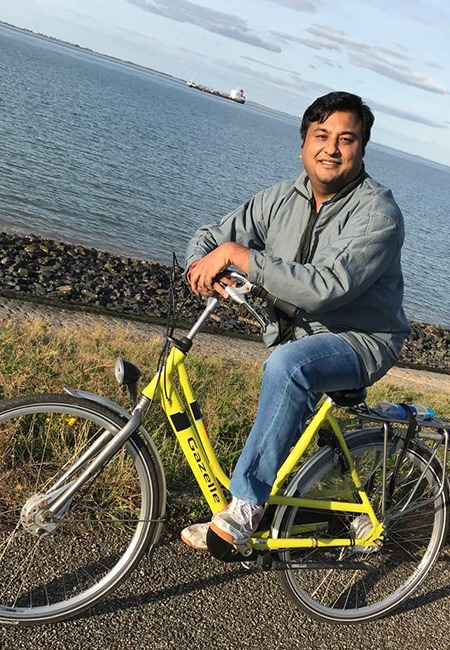
“Growth often begins the moment one steps beyond the familiar and learns to stand steady in unfamiliar worlds.”

Phase 2 : Crossing Boundaries — From Village Roots to Expanding Worlds

The second phase of Dr. Kurella Venkata Chakrapani’s life marks a period of quiet but profound transformation. It was a time defined not by achievements, but by adaptation—by learning how to move beyond familiar surroundings and find one’s footing in changing social, cultural, and educational landscapes. This phase represents the gradual shift from the protected simplicity of village life to the broader, more demanding realities of town and city environments.

As his schooling progressed, Dr. Kurella Venkata Chakrapani began moving away from the village setting that had shaped his early years. Each transition from village to town, and later toward the city that brought new challenges. The physical distance from home was only one aspect of change; far more significant were the cultural and social adjustments required. Customs differed, expectations shifted, and the pace of life accelerated. What had once been familiar now required conscious effort to understand and adapt.

Education during this phase became more demanding, not only academically but also emotionally. Until his early schooling years, exposure to languages, broader curricula, and competitive environments had been limited. Entering new educational spaces meant confronting gaps in exposure and confidence. Simple aspects of learning—language, communication, and social interaction—required adjustment. These were not easy transitions, and they tested his resolve repeatedly.

One of the most striking realities of this phase was the realization of difference. Dr. Kurella Venkata Chakrapani became aware that the world extended far beyond what he had known in his village. The diversity of thought, language, and ambition in town and city settings was both intimidating and enlightening. For the first time, he encountered environments where competition was visible and expectations were unspoken yet firm. This awareness could have led to self-doubt, but instead, it gradually strengthened his inner determination.

“Responsibility, when embraced early, turns effort into dignity and struggle into strength.”

Phase 3 : Earning While Learnin —Responsibility Takes Root

Phase 3 of Dr. Kurella Venkata Chakrapani’s life marks the moment when responsibility moved from being an observed value to a lived experience. This period was defined by balance—between education and work, aspiration and obligation, youth and maturity. It was during these years that he learned a truth that would stay with him for life: growth is not only about moving forward, but also about holding steady when demands pull from multiple directions.

As his education continued beyond early schooling, financial realities became increasingly present. Coming from a traditional agriculturist family, resources were limited, and contributing to family needs was not optional—it was necessary. Rather than viewing this responsibility as a burden, Dr. Kurella Venkata Chakrapani accepted it with quiet resolve. He began working while continuing his studies, discovering the discipline of “earning while learning” at a stage when many were still sheltered from such demands.

Balancing academics with work required more than time management; it demanded emotional maturity. Days were long, energy was finite, and expectations were high on both fronts. Yet, he chose consistency over comfort. Every task—no matter how modest—was approached with sincerity. Through this process, he developed a strong work ethic, understanding that effort carries its own dignity regardless of the nature of the work.

This phase also reshaped his relationship with education. Learning was no longer abstract or theoretical—it became purposeful. Every lesson gained meaning because it was connected to survival, progress, and responsibility. Education was not just a path to future success; it was a tool to strengthen the present. This realization deepened his respect for knowledge and reinforced the belief that learning is most powerful when paired with accountability.

Note of Thanks

This note of thanks is offered with humility and gratitude by Dr. Kurella Venkata Chakrapani to all those who have shaped, supported, and walked beside him through different phases of his life.

His deepest gratitude is reserved for his parents, K. Venkata Chandrasekhara Prasad and K. Sarojini Devi, whose sacrifices, patience, and unwavering values formed the foundation of his journey. Their lives taught him discipline, sincerity, and the importance of remaining grounded, regardless of where life leads.

He extends heartfelt thanks to his family, whose constant presence provided strength during moments of challenge and clarity during moments of growth. Their belief in him created the emotional stability that allowed him to take responsibilities with confidence and purpose.

With respect and admiration, he acknowledges his role models—his mother and his mother-in-law, Manda Vanaja. Their resilience, quiet strength, and lifelong commitment to learning remain enduring sources of inspiration. Through their example, he learned that courage often expresses itself in calm perseverance rather than visible struggle.

He expresses sincere appreciation to his mentors, colleagues, and leaders who trusted him, guided him, and challenged him to grow. Each interaction, whether brief or long-standing, contributed to his understanding of leadership, integrity, and collaboration. Their influence reinforced his belief that learning is a shared journey rather than an individual pursuit.

He is grateful to his teams and peers across organizations and institutions, whose collective effort and shared purpose transformed responsibility into meaningful outcomes. Their dedication reminded him that leadership gains value only when it enables others to succeed.

Finally, Dr. Kurella Venkata Chakrapani offers thanks to every experience—both smooth and difficult—that shaped his path. Each challenge carried a lesson, and each opportunity carried responsibility. This biography stands not as a personal achievement but as a reflection of many lives, values, and moments that together made the journey possible.

Thank You
– Dr. Kurella Venkata Chakrapani