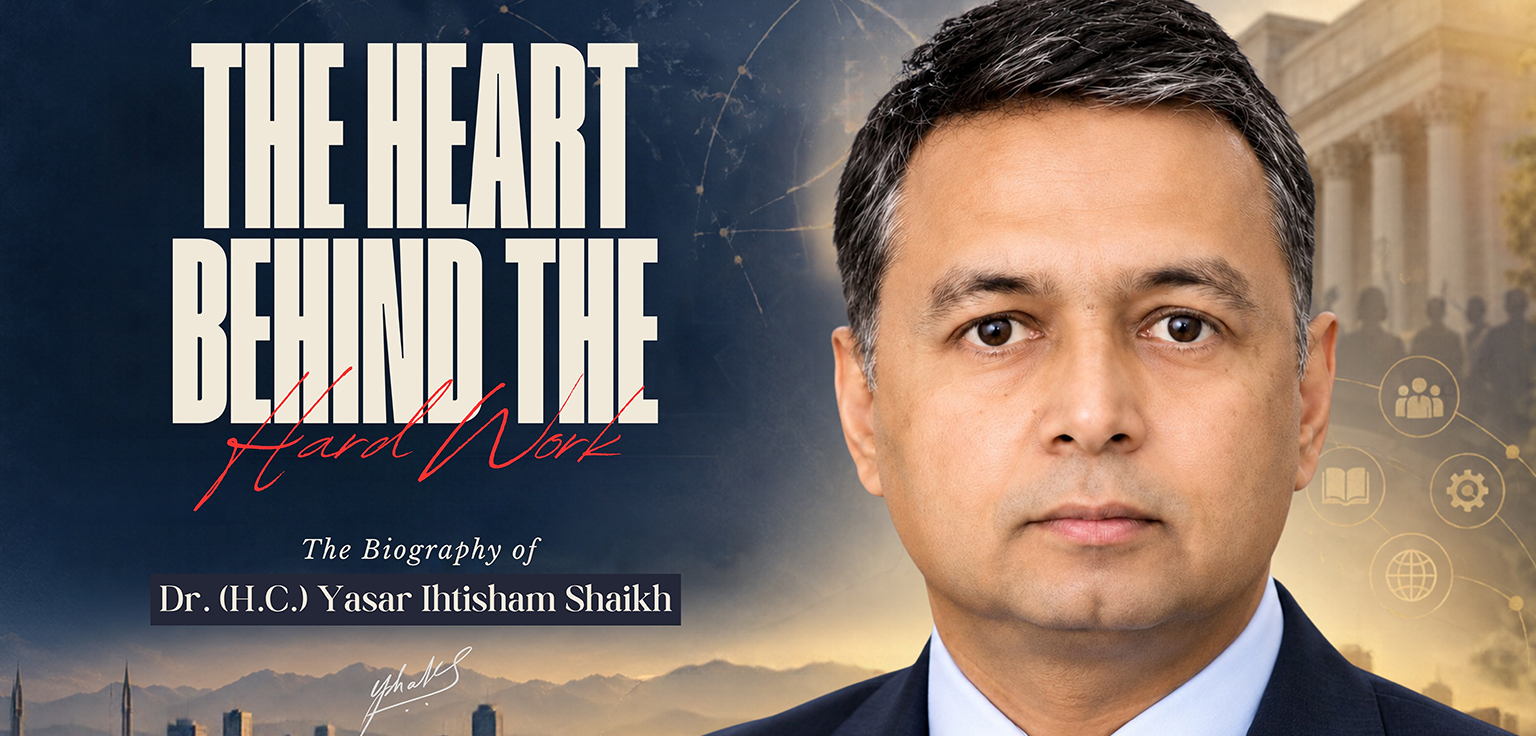
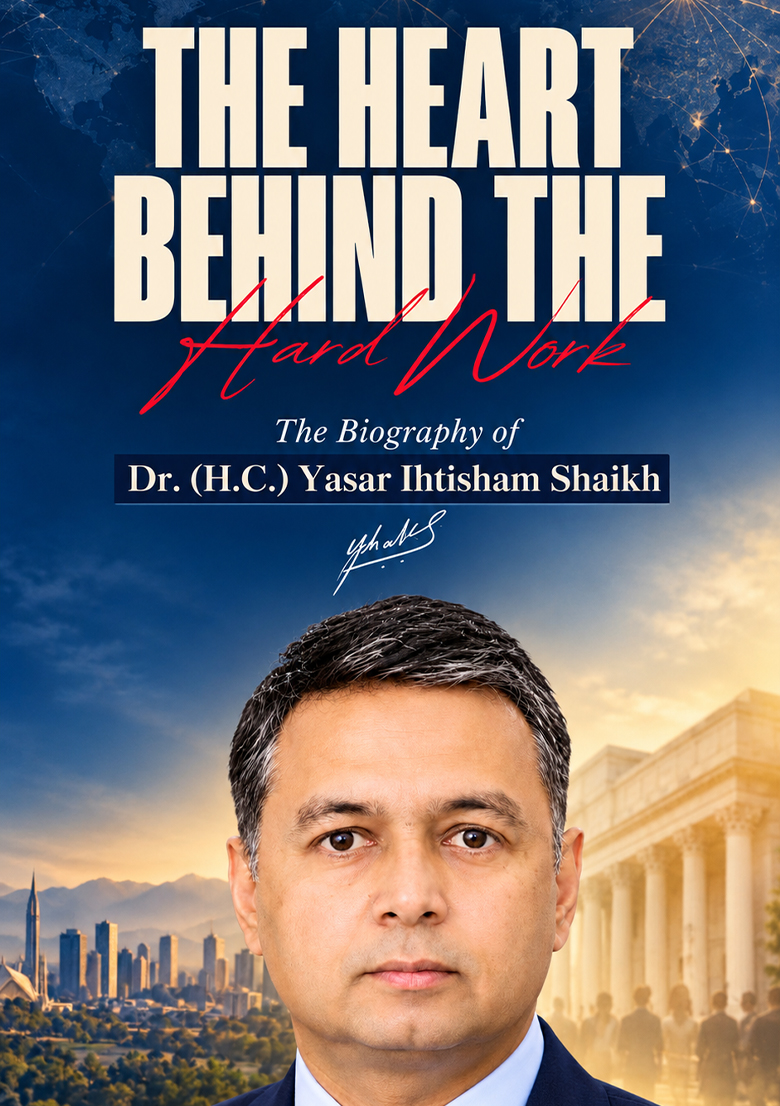
“Never overlook someone who is genuinely trying. The result may not always be perfect, but the willingness to make an effort deserves respect.”
Introduction
Dr. Yasar Ihtisham Shaikh did not pursue a career in pharmaceutical engineering with the intention of remaining there for nearly three decades. His qualifications in mechanical engineering could have taken him elsewhere, and the initial opportunity that led to tablet tooling might have been a diversion. However, it became his specialisation, and he changed employers, countries and areas of responsibility, while maintaining his close connection to the work that first introduced him to the pharmaceutical industry.
His father was an advocate at the Bombay High Court, and he grew up in Bombay, attending St. Stanislaus High School in Bandra. His school days gave him an appreciation for discipline and the opportunity to mature as an individual, rather than simply achieving good exam results. He completed his higher secondary education at Rizvi College of Science, pursued a diploma in mechanical engineering at KBP Engineering College (now Sanjivani University) and later obtained a postgraduate diploma in marketing management from Chetna Management Institute. Engineering gave him an option that was broad in scope, and he could not have anticipated its relevance to drug manufacturing.
His first job was with Parle Tablet Tools, where he joined a small organisation that had ambitions of expansion. It was an introduction to a specialised engineering product and the challenges of supplying it to meet the needs of customers. His move to ACG meant taking on more responsibility and included his role in developing its tablet tooling operation. These were the beginnings of a career that continued with further employment in India and overseas.
His professional career eventually took him to Canada and later to the United States, where he spent approximately a decade working with Natoli Engineering Company Inc. He worked across manufacturers, researchers and educational establishments. Although the responsibilities of his roles were in business development, he needed to keep himself close to the technical challenges that customers experienced.
His experience includes tablet and tooling design, tool steels and surface coatings, manufacturing troubleshooting, cleaning and validation practices, and the preparation of operating procedures. He has collaborated with research and development teams in relation to formulations and new products and has made his contribution to discussions in which technical manufacturing expertise meets pharmaceutical science. His experience in both areas has continued to be central to the work he undertakes.
His experience spans more than forty countries, and he has worked closely with manufacturers that include GSK, Novartis, Cipla, Hikma and Pfizer, as well as visiting international exhibitions, manufacturing facilities and technical programmes.
His work has also included his contribution to academic facilities, supporting the opening of the Natoli BCP laboratory at Bombay College of Pharmacy and tablet compression laboratories at Airlangga University and the University of Karachi. These facilities gave students and researchers the opportunity to engage with equipment that he knew to be relevant to pharmaceutical development.
“My childhood was not easy, but my mother made sure our future never suffered because of it.”
Phase 1: The Three Who Carried On
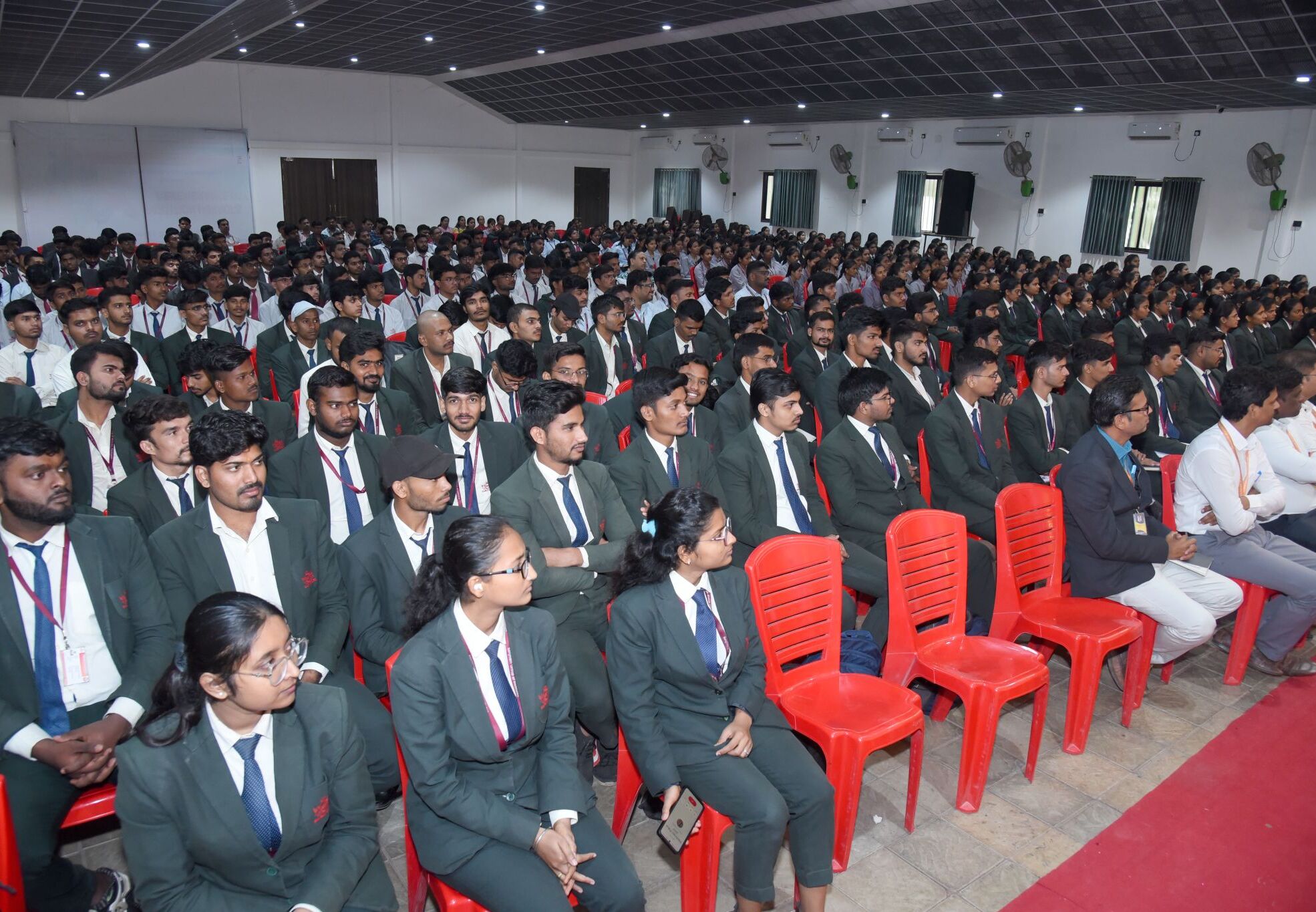
Dr. Yasar Ihtisham Shaikh grew up in Bombay in a family with a professional background in law. His father was a respected advocate at the Bombay High Court. However, his father passed away when he was very young, leaving his mother to raise Dr. Yasar and his elder sister.
His childhood was not without difficulties, particularly after his father’s passing, when much of the responsibility for raising and educating the children fell upon his mother. His mother, Sanobar, took on the responsibility of raising and educating both children, managing the difficulties that followed her husband’s passing.
His father had also been a partner in an engineering consultancy with one of his friends. After his passing, that friend offered a position to his mother at the company. She worked there while raising her two children, and her perseverance is what eventually provided them with a proper education. The opportunity came about because of someone close to them, someone who had known his father and who wanted to support them during their time of need.
He and his elder sister grew up under their mother’s care, with the three of them facing the difficulties that followed his father’s passing. His elder sister was always there to help him, and he was most grateful for that fact as he grew up. He recognised the difficulties his family had faced and remained grateful for his mother’s efforts to provide him with a good education. Having been brought up by his sister and mother, he was truly aware of the struggles they had gone through.
He studied at St. Stanislaus High School, and it was one of the best educational institutions in the region. What made the school particularly meaningful to him was its emphasis on discipline, personal values and the overall development of its students rather than academic results alone. He appreciated the discipline and morals that the school instilled in its students, as well as the care and attention they provided for their overall development.
However, the games and sports were the most memorable part of his school life. St. Stanislaus was famed for its field hockey, although he personally preferred cricket. The school’s hockey team had a great competitive spirit and had been hosting tournaments with a number of other schools.
Major victories by the school’s hockey team brought the students a holiday, giving him another reason to look forward to their success. Those school years remained a cherished part of his childhood, particularly the excitement of supporting the hockey team and hoping that another victory would bring a holiday.
“My mother wanted me to choose a profession where my own skills could help me stand independently.”
Phase 2 : His Mother's Advice
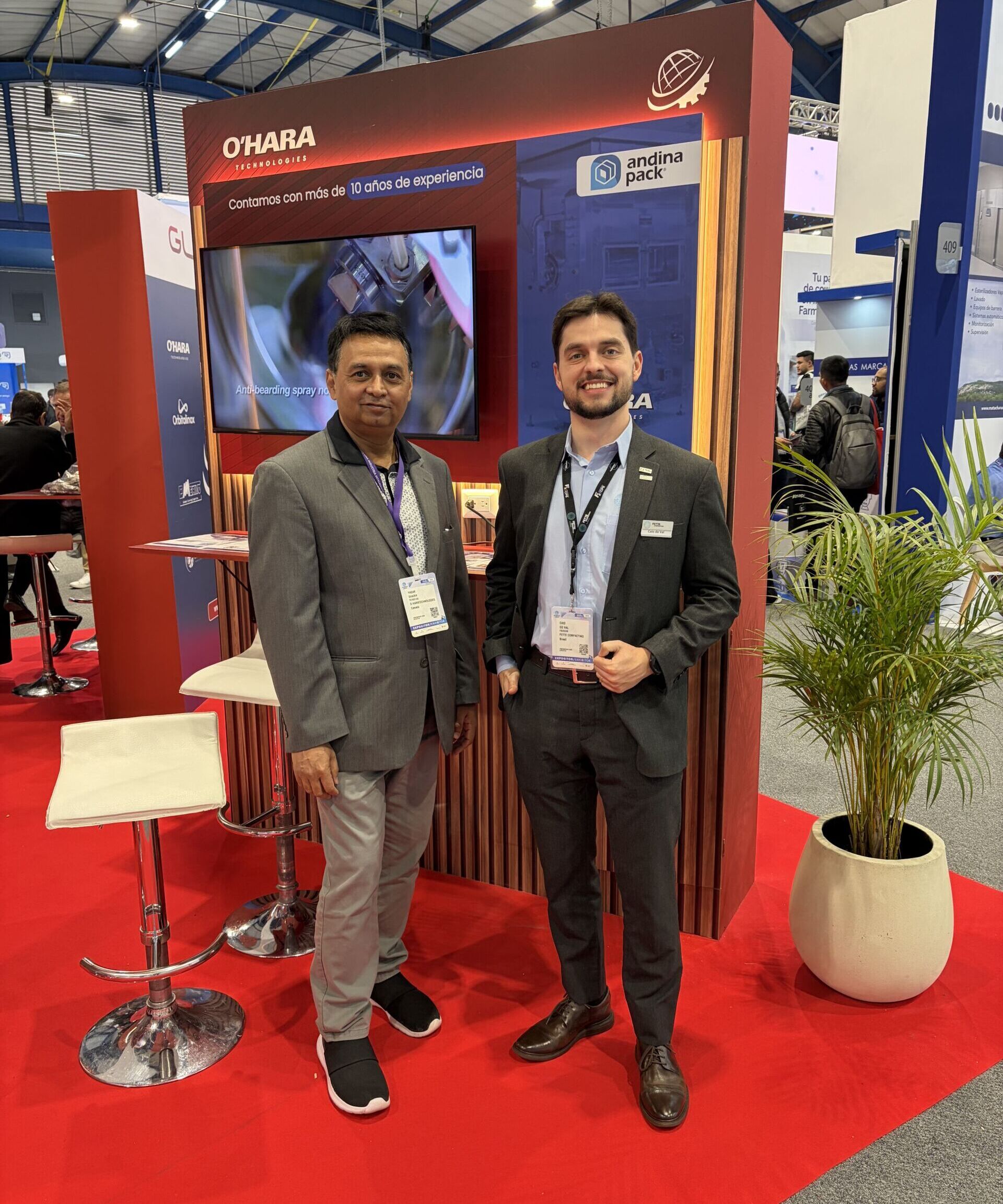
Choosing a profession meant thinking about how Dr. Yasar Ihtisham Shaikh could carve out a career with his own abilities. Law was a known entity to his family, but his mother saw practical reasons to push for something else. Had his father still been alive, she felt a legal career could have been an alternative, but without that guidance she felt engineering would present him with a better start.
Her advice was about the practicalities of starting a career. In her understanding, a young lawyer would need time, experience and guidance before clients would feel comfortable leaving important matters in his hands. Starting up a practice could be a long process. She wanted her son to have a qualification that would enable him to find work based on the skills he had learned, and not so very reliant on others to gain him a foothold.
Engineering seemed to offer that possibility. Her employment in an engineering consultancy had made the profession familiar to the family, but the decision to specialise in mechanical engineering was his own. Mechanical engineering appealed to him because he found it to be a general skill with a general application. He saw an opportunity to use it in various environments without having to know where he would end up working.
His education included higher secondary studies at Rizvi College of Science. His mechanical engineering diploma was obtained at Kopargaon, near Shirdi. During his student years, Kopargaon was a small town, and he lived in a hostel while completing his engineering studies. Away from his school years in Bombay, this was another part of his education that he would remember with fondness.
Mechanical, electronics, and civil engineering were among the main disciplines at the institution during that time. His attachment to the place endured beyond his time as a student. The education he received there played an important part in his professional development, and his appreciation for the institution continued long after graduation.
His educational background also includes a postgraduate diploma in marketing management from Chetna Management Institute. Engineering and marketing would both play a part in his working life, which came to involve technical products with responsibilities for developing business. He had not planned from the outset to combine the two areas in pharmaceutical manufacturing, but his entry into that industry was accidental.
When he chose mechanical engineering, he did not know how broadly applicable it would be to the production of medicines. That knowledge would come through work, as he would discover applications for his skills that had not occurred to him as a student, and the link between the two fields would continue to surprise him.
“Had the Mehta family not given me that chance, my entire professional life might have been different.”
Phase 3 : A Small Office and an Unexpected Beginning
When Dr. Yasar Ihtisham Shaikh was called for an interview at Parle, the company was looking for help in taking its business forward. The owner wanted a candidate with a technical background who had the potential to be an asset to the company. He fulfilled the requirement, and the job appointment led to working in a field that he specialised in for the majority of his career.
Parle was a small family-owned entity at the time. The manufacturing unit was in Vasai whereas the sales and commercial office was in Andheri East, Mumbai. It was a compact office occupying no more than three hundred square feet. The business had a handful of employees as well. It was here that he began learning about tablet compression tooling, a specialised engineering product used in pharmaceutical manufacturing.
The family managed the business, splitting their time between the office and the manufacturing facility. Mr. Rajmal Mehta’s son, Mahendra Mehta, was approximately the same age as Dr. Yasar and had a different vision for the company’s development than his father. While the former wanted to scale up the entity rapidly, the latter was of the opinion that it was a slow-moving business.
He associated his youth with a feeling of enthusiasm as most of his contemporaries were aiming to set up big businesses. The opening of the market to foreign investment and the appearance of bigger enterprises accelerated the feeling.
His initiation started with the owner, who taught him tablet tooling. It was a learning curve that came in handy, as he already had a background in engineering that got him the job. However, a technical background was not enough, and he had to learn a specialised product. The mentorship he got at Parle Tablet Tools exposed him to a product that he later got involved with globally.
He was also free to network with the pharmaceutical market. Exhibitions were a good way of connecting with the market. He reached out to pharmaceutical manufacturers and organised seminars to introduce them to the importance of tablet tooling. These early activities were different from the more advanced technical training he would conduct later in his career. The audience at these seminars consisted mainly of machine operators, inspectors, and other staff. Senior management rarely attended these seminars, as tablet tooling was generally treated as a basic manufacturing component rather than a specialised area requiring technical expertise. These were the challenges he faced while presenting tablet tooling before embracing a better venture.
His experience comprised of the product, selling to the market, and the company’s ambition to target a bigger market. He later moved on to other opportunities in his quest to make a more significant career move.
Many years after beginning his career, Dr. Yasar had another opportunity to meet Mr. Rajmal Mehta and personally thank him for his early guidance. Although Mr. Mehta had become semi-retired, he remained involved in the family business, which had grown to include another generation. He appreciated their support in giving him a chance to make a living in the pharmaceuticals space. The subsequent years of work had not dimmed his gratitude for the family. He attributed a great deal of his success to the opportunities the Mehta family gave him in his early years in the industry.
Note of Thanks
Dr. Yasar Ihtisham Shaikh holds deep gratitude for the people who have supported him through different stages of his life. His professional achievements have brought him recognition, but the care of his family and the guidance of those who believed in his abilities remain especially meaningful to him.
His deepest gratitude belongs to his mother, Sanobar Ihtisham, who worked tirelessly to raise and educate her children after the passing of their father. Her determination to provide them with opportunities despite the family’s difficulties played an important part in shaping his future. He is grateful to his mother for supporting him to choose a profession in which he could build a successful career.
His wife, Ghazal, has remained a constant source of support throughout his professional career. While managing her own employment, she took responsibility for their children’s education and everyday needs during his frequent international assignments. He remains deeply grateful for the effort and commitment with which she cared for their family. Similarly, he conveys his deepest gratitude to his sister Salvana Shakaib for being supportive throughout his life. He is particularly grateful for the fact that she was there for him when he needed her most.
He expresses his heartfelt gratitude to Mr. Rajmal Mehta and the Mehta family for introducing him to pharmaceutical tooling and giving him the opportunity to establish his professional career. He is equally grateful to Mr. G. G. Prabhu, whose demanding professional standards taught him the importance of discipline, documentation and responsibility. The lessons he learned under his guidance continued to serve him throughout his career.
His appreciation also extends to Dale Natoli, whose encouragement provided opportunities for professional development and contributions to pharmaceutical education. He remains grateful to Brian O’Hara for placing his trust in him and offering him a senior leadership position despite their never having worked together previously.
Through the years, Dr. Yasar has remained grateful for the family members, mentors and professional colleagues who contributed to his development. Their encouragement helped him through difficult periods and gave him opportunities that influenced the direction of his career. He carries a lasting appreciation for their trust, guidance and support, recognising that his achievements have been shaped not only by his own efforts but also by the people who stood beside him.
thanks,
– Dr. (H. C.) Yasar Ihtisham Shaikh

AIMLAY is a leading global education platform empowering ACADEMIC and EXPERIENTIAL learners, uniquely focused on recognizing knowledge gained through experience and building a diversified community of doctorates and aspiring researchers.