“You can give people advice, encouragement, guidance, and every tool you have, but you cannot walk their path for them. At some point, they have to stand on their own two feet and walk for themselves.”
Introduction
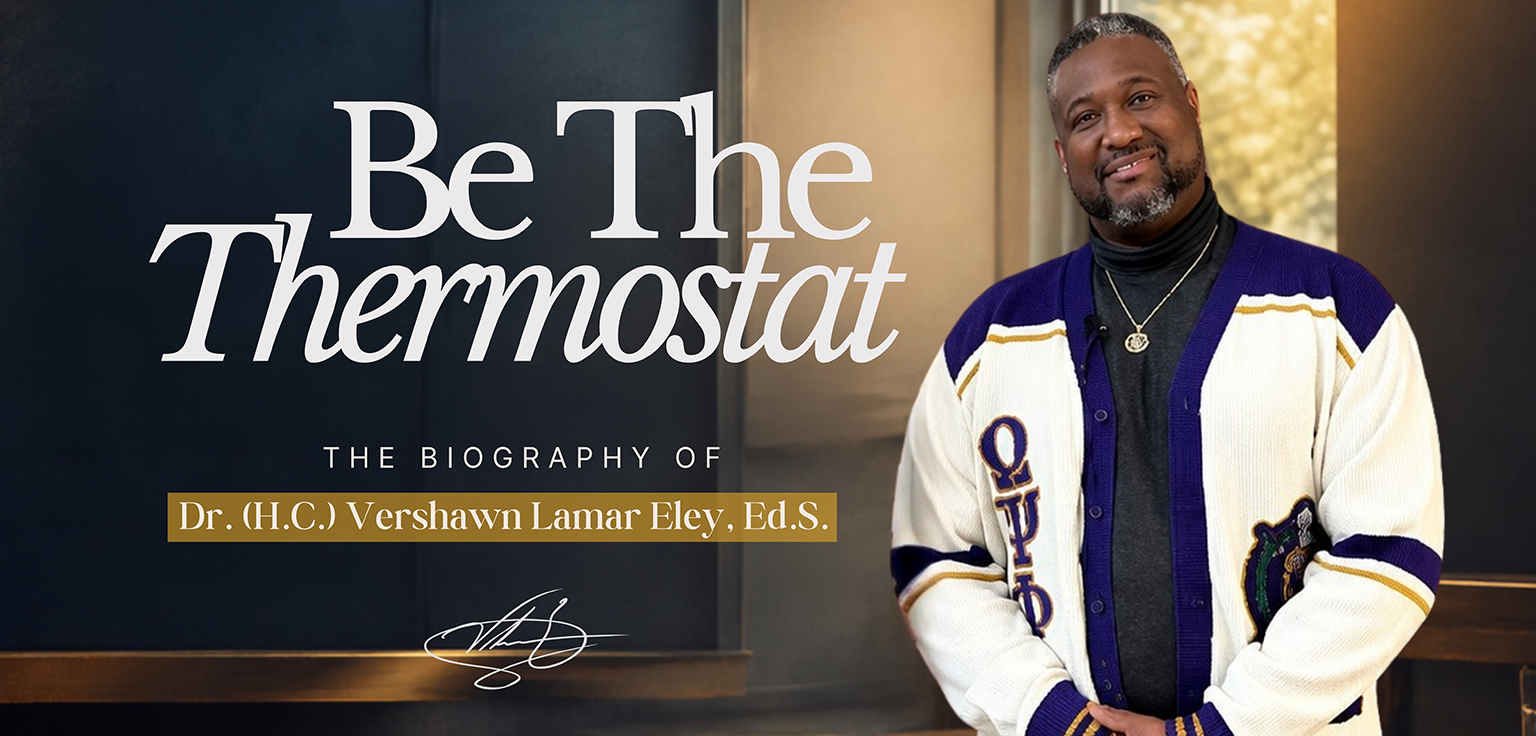
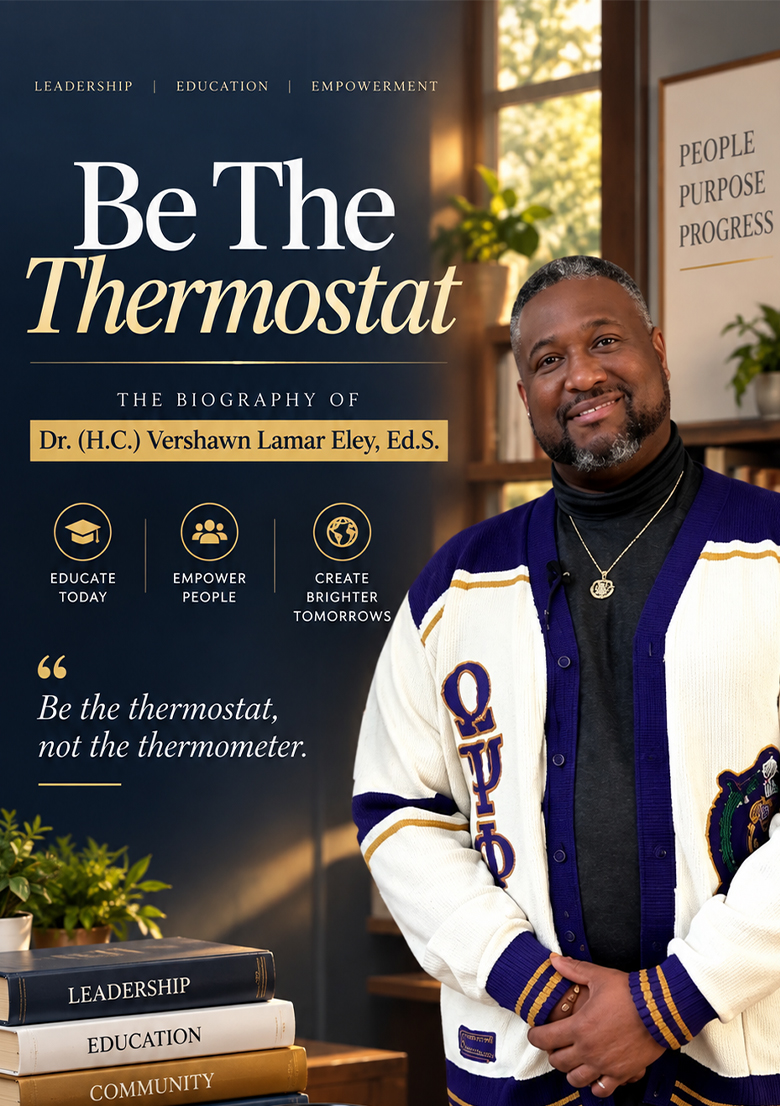
The story of Dr. Vershawn is not defined by one profession, one ambition, or one moment of achievement. It is shaped instead by a series of decisions that repeatedly asked him to reconsider how he could be useful to others. His path moved through athletics, criminal justice, law enforcement, counselling, mental health services, education, coaching, and school leadership, yet each transition carried something forward from the one before it. What changed were the settings and responsibilities. What remained was his instinct to understand people, guide them, and help them move toward a stronger place in their lives.
Basketball was one of the earliest arenas in which that instinct began to take shape. Through AAU Junior Olympic basketball, he travelled widely while still young and learned the demands of discipline, preparation, teamwork, and high expectations. The sport eventually carried him to Tulane University in New Orleans, where he entered a world filled with athletes who had also been outstanding in their own communities. For someone accustomed to being recognized for his ability, college brought a different kind of challenge. He had to begin separating who he was from what he could do on a basketball court. That question of identity would later become important in ways he could not yet fully see.
His first academic direction at Tulane University was Exercise Science Pre Med, reflecting a childhood desire to become a medical doctor. The attraction was not simply to the profession itself. He wanted to help people who were hurting and make them feel better. As the demands of basketball began conflicting with laboratory schedules, that plan became difficult to continue. His studies shifted toward criminal justice, and after transferring to Elizabeth City State University, he completed his bachelor’s degree in that field. The change was significant, but it did not remove the desire that had been present from the beginning. It simply placed that desire on another road.
College also tested him physically. Knee injuries and two surgeries altered the possibility of pursuing basketball professionally. The disappointment did not erase what athletics had given him, but it forced him to consider a future that would not depend upon the game. At the same time, professors at Elizabeth City State University challenged him to treat education with greater seriousness. One professor pushed him to understand that being a successful athlete was not enough. He needed to leave college with knowledge, direction, and something that belonged to him beyond his athletic ability. That message gradually changed the way he approached the classroom.
The next stage of Dr. Vershawn’s life brought him closer to the realities he had seen in communities. He worked first in correctional settings and later as a law enforcement officer in North Carolina. Over time, he became increasingly interested in prevention rather than simply responding after something had gone wrong. Community policing allowed him to talk with families, interact with young people, and participate in neighborhood watch efforts. Yet he also noticed something uncomfortable. The uniform that gave him authority could sometimes prevent people, especially children, from seeing the person behind it. Young people might encounter him only during difficult moments in their homes, and he began questioning whether he could reach them more effectively in another role.
That realization helped lead him toward counseling. At Cambridge College, he pursued graduate education that prepared him for work in school guidance and mental health. He entered schools as a counsellor and became increasingly involved with young people facing academic, behavioral, family, and emotional difficulties. Counselling expanded into psychotherapy, in home services, and emergency mental health work. Those responsibilities sometimes placed him in hospitals during crisis situations, where he had to assess what a person needed and determine whether hospitalization was necessary. The work required calmness, judgement, and the ability to listen when someone was experiencing an intensely vulnerable moment.
His experience with young people also brought basketball back into his professional life in a different form. Rather than playing for his own advancement, Dr. Vershawn coached students and used the game as a way to talk about life beyond sport. He understood how easily athletic ability could become a complete identity because he had experienced that tension himself. He wanted young athletes to dream boldly without believing that one dream was the only future available to them. His message was practical: becoming a good person, gaining an education, learning responsibility, and becoming capable of standing independently regardless of whether professional athletics ever became reality.
“I grew up believing in guidance, structure, and respect. You listened when people spoke, looked them in the eye, and gave them the respect they deserved.”
Phase 1: Raised on “Yes, Sir” and “Yes, Ma’am”
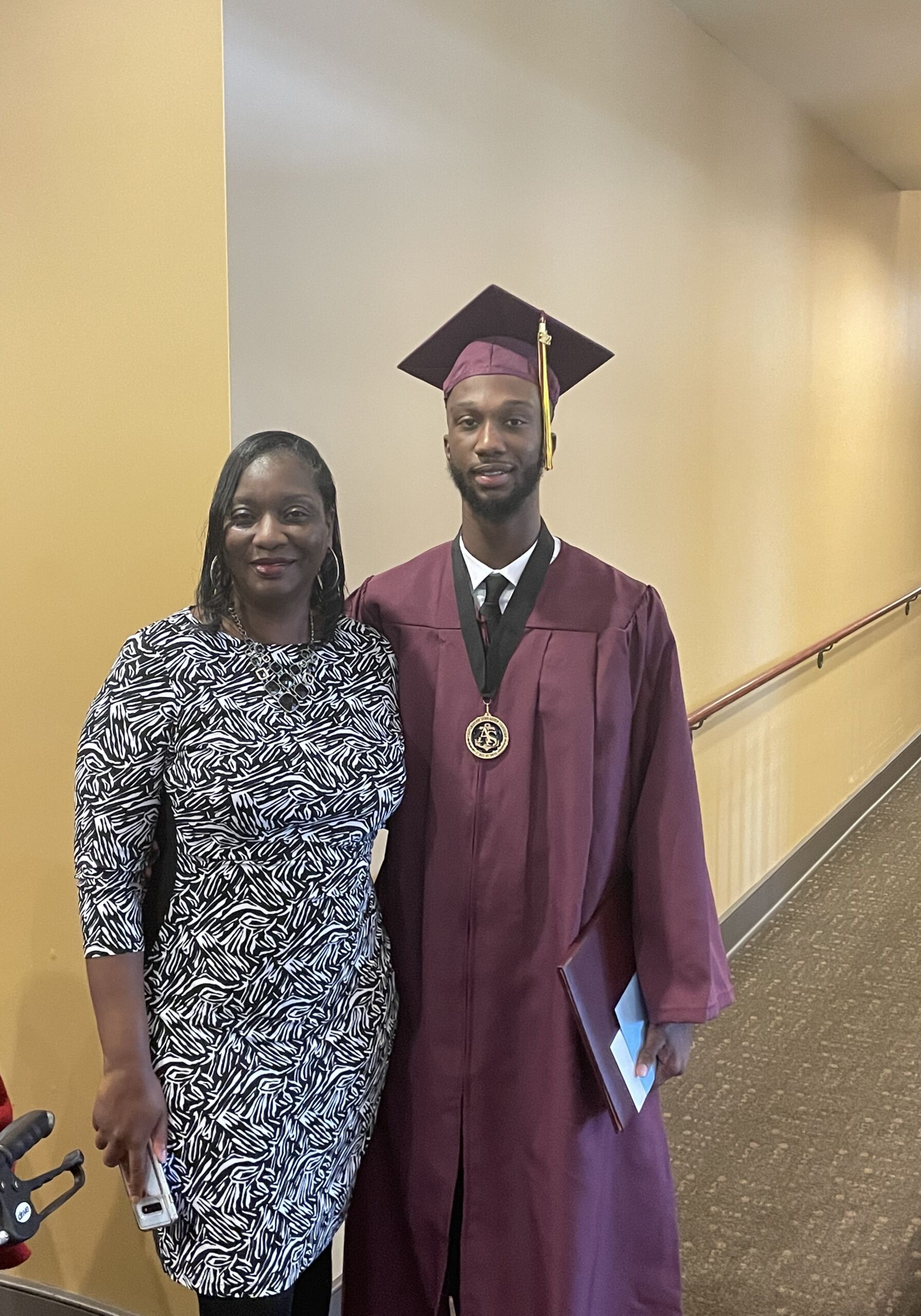
Long before professional responsibilities entered his life, Dr. Vershawn was learning what it meant to carry himself with discipline. Born on March 5, 1973, in Newport News, Virginia, he entered a family environment where structure was not treated as an occasional requirement. It was part of everyday life. His father, Vernon Eley Senior, served in the military, and the order associated with that world naturally found its way into the household. There were expectations about how things should be done, when they should be done, and how a person should conduct himself while doing them. Even something as ordinary as making the bed had its proper time. For a child growing within that environment, responsibility was not introduced through speeches. It was practiced through routine.
Respect carried equal weight. Dr. Vershawn grew up understanding that manners were not decorative expressions reserved for formal occasions. Saying “yes, sir,” “yes, ma’am,” “no, sir,” and “no, ma’am” formed part of the way people were expected to acknowledge one another. Listening while another person spoke mattered. Eye contact mattered. A handshake mattered. These were small actions, but within his upbringing they represented something larger: the recognition that the person standing in front of him deserved his attention. The lesson would remain simple enough for a child to understand and substantial enough to follow him into adulthood. Respect began with how a person entered a conversation before any advice, instruction, or disagreement followed.
His father’s military background gave the household one kind of influence, while the women around him brought another. Education was deeply familiar within the family. His mother was an educator, as was his aunt, and many of the people surrounding him during childhood worked within education. His grandmother, Emma Riddick, did not work as an educator herself, yet she held a firm belief that education was the foundation of everything. It was an important distinction. Learning was not valuable in the family merely because it could lead to employment or qualifications. It was regarded as something upon which a person could build a life. The combination of military discipline and educational influence created an unusual balance around him. One side emphasized order, expectations, and respect. The other reinforced learning, preparation, and the value of developing the mind.
There was also an expectation within the men of the family that could easily have determined his direction. Dr. Vershawn would later describe himself as the only male in his family who did not enter the military. This fact is revealed because it shows that discipline did not eventually require imitation. He could carry the values of his upbringing without choosing exactly the same road. At that early stage, however, his imagination was directed somewhere entirely different. He wanted to become a medical doctor. The ambition came from a desire that was already recognizable in his personality. He wanted to cure people, help them when they were hurting, and make sure the people around him were all right.
That childhood ambition was visible in ordinary moments. When someone got hurt, he was naturally drawn toward helping rather than standing back. He wanted to clean the injury, bandage it, and make sure the person received whatever attention was needed. Even during basketball practice, his concern for someone who had been injured could briefly become more important to him than continuing the drill. If another player twisted an ankle, he might stop to help with ice or assist with the ankle instead of immediately returning to practice. His coach would remind him that there was already a trainer responsible for that job and send him back onto the court. The exchange was humorous, but beneath it sat something sincere. Helping was not yet a profession or philosophy for him. It was simply his first reaction.
Those moments also reveal an important difference between caring for people and trying to control their lives. As a child, Dr. Vershawn naturally wanted to make things better when something appeared wrong. The rigid structure of home had already shown him the usefulness of clear expectations, while the educational influences around him showed that people could be prepared for more through learning. His early desire to become a doctor added another dimension: the wish to respond when someone needed help. These ideas had not yet been joined into a professional identity, but each was present before he could have known how significant they would eventually become.
“Basketball showed me that being a star athlete also meant becoming a person of character.”
Phase 2 : More Than What the Scoreboard Could Show
For Dr. Vershawn, basketball became much more than a game played in a gymnasium. During his younger years, AAU Junior Olympic Basketball placed him in environments that demanded preparation, endurance, teamwork, and the ability to perform under pressure. It also gave him an unusual opportunity to see far more of the world than many young people his age. He travelled around the country and beyond through the sport, and by the age of fifteen, he had played basketball in almost every state across the United States. Each trip placed him among new teammates, competitors, coaches, and communities. Without realizing it at the time, the court was steadily widening his understanding of people while also sharpening the discipline required to compete at a serious level.
Basketball brought him into contact with players who would later become well known at the highest levels of the sport. He played alongside and against athletes who would eventually be recognized among professional NBA talent. Yet the most important part of those experiences was not simply proximity to gifted players. Being surrounded by serious athletes showed how much work stood behind ability. Talent could create an opportunity, but talent alone could not carry someone indefinitely. Training had to be repeated. Instructions had to be followed. Expectations had to be met even when motivation was not convenient. For Dr. Vershawn, the game became one of his earliest practical lessons in putting consistent effort behind whatever he hoped to accomplish.
Among the people who helped shape that understanding was Coach Bill, one of the most prominent mentors of his youth. He took Dr. Vershawn under his wing during the years when basketball was becoming an increasingly serious part of his life. His guidance reached beyond how to compete successfully. He showed the young athlete what it meant to carry athletic ability alongside character. Being a standout player was valuable, but how a person conducted himself away from the excitement of competition mattered just as much. That distinction stayed with Dr. Vershawn because it gave basketball a meaning that could survive long after the final whistle.
The mentor also reinforced something that would become increasingly important as college approached. However naturally gifted an athlete might be, education could not be ignored. Basketball might create access to opportunities, but academic preparation determined whether those opportunities could actually be used. For a young player travelling extensively and competing against exceptional talent, it would have been easy to imagine that basketball alone could determine the future. Instead, Dr. Vershawn was reminded that the classroom and the court were connected. If he wanted the possibility of playing in college, he also had to do what was necessary academically to reach college in the first place.
That understanding changed the way he looked at what basketball was offering him. Every practice, tournament, and trip could be exciting, but there was also a larger purpose beginning to emerge. The sport was asking him to learn how to manage expectations in more than one area of life. An athlete could not simply arrive for a game and expect everything else to take care of itself. Schoolwork still had to be completed. Eligibility still mattered. Preparation still mattered. The opportunity waiting at the next level depended on what he was willing to do before he ever reached it.
The seriousness of that preparation eventually produced a significant opportunity. Dr. Vershawn earned a college basketball scholarship and went on to attend Tulane University in New Orleans, Louisiana. For someone whose younger years had already been filled with extensive travel and competition, college basketball represented another level entirely. The scholarship was an acknowledgement of what he had accomplished as an athlete, but it was also the beginning of a period that would require him to discover how far the lessons of his earlier years could carry him.
“When everyone around me was just as good, I had to understand that my identity had to be bigger than basketball.”
Phase 3 : When the Athlete Had to Meet the Man
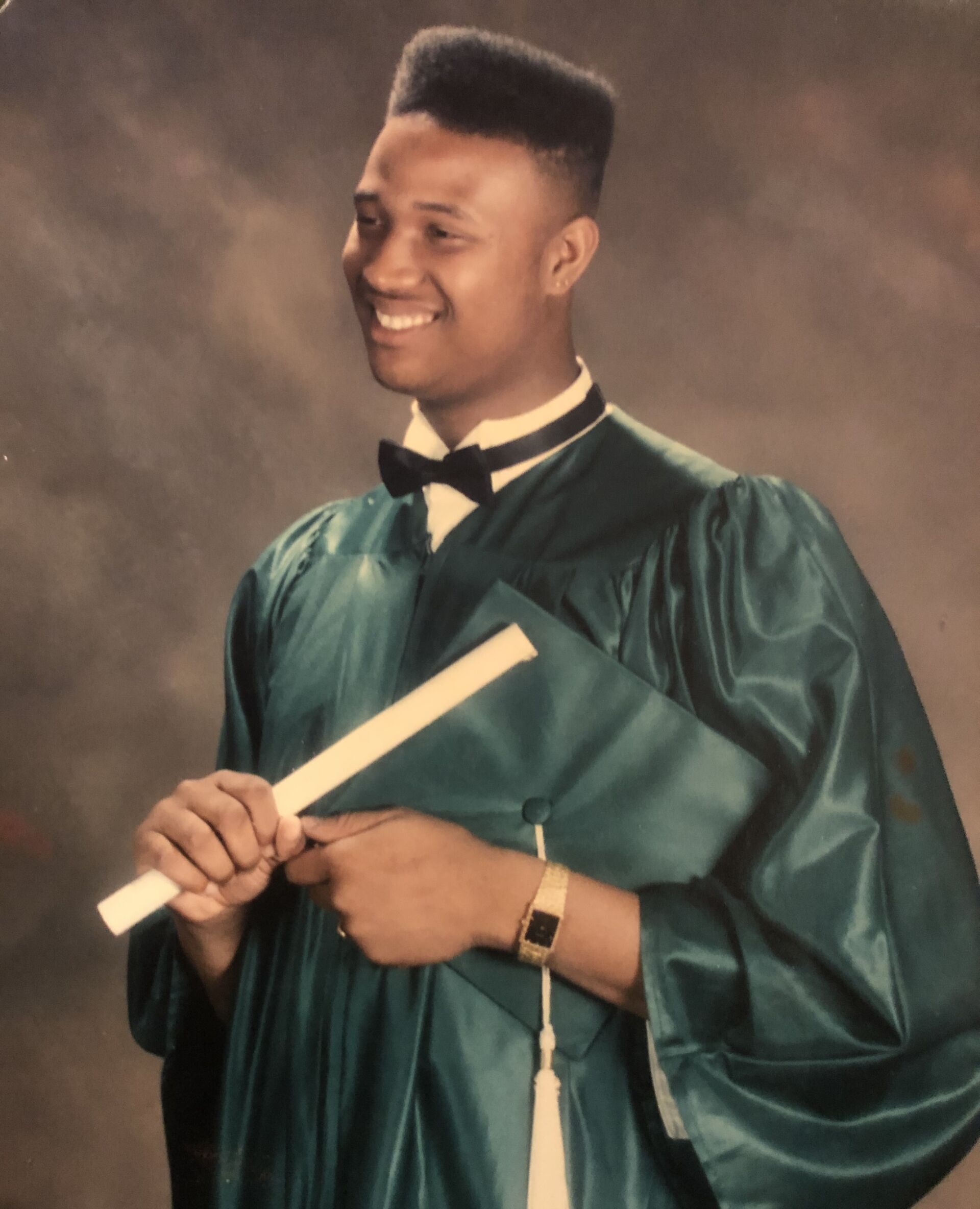
Arriving at Tulane University placed Dr. Vershawn in an environment unlike the one he had known before. Basketball had already taken him across the country, introduced him to high level competition, and earned him a college scholarship, but New Orleans, Louisiana brought a different kind of test. At home, he had known what it felt like to stand out. At Tulane University, nearly everyone on the team had once been the best player in his own city, area, or state. The distinction that had once made him easy to identify was suddenly shared by fourteen other athletes who were equally talented, and in some cases better. It was one of the first periods in which he began separating the person from the player.
The adjustment was not limited to competition. Dr. Vershawn had left a close family environment in Virginia for a university roughly sixteen hours away by car. Returning home was neither simple nor frequent. His parents could not regularly make such a long drive, and plane travel costing several hundred dollars was not practical for visits that might last only three or four days. Basketball itself made the distance feel even greater. Training continued throughout the year, and the limited breaks he did receive often ended with an early return to campus for workouts and preparation for the next season.
Communication looked very different in those years. Cell phones had not yet become part of ordinary life, so staying connected depended largely on landline calls. Long distance conversations could become expensive, which meant calls home had to be limited. Writing was possible, but his daily schedule left little unused time. His teammates naturally became the people around him most consistently, while quiet moments in his room brought the distance from home into sharper focus.
The routine at Tulane University was demanding enough to consume almost the entire day. Workouts could begin around five in the morning and continue until approximately seven thirty. Classes followed from eight until noon. Another workout came in the afternoon, followed by team practice that could continue from four until eight in the evening. Study hall began around nine and lasted until approximately ten thirty. By the time the schedule finally belonged to the players again, another early morning was only a few hours away. The routine demanded physical endurance, but it also left little space for the familiar support system he had previously known.
Within that intensity, Dr. Vershawn found himself thinking more seriously about identity. Basketball had given him recognition for years, yet college forced him to understand that being an athlete could not be the complete answer to who he was. He began paying closer attention to his own mental wellbeing and to similar struggles among teammates. Players who had once been celebrated as exceptional athletes could arrive at college and suddenly find themselves surrounded by others with the same reputation. For some, that change created uncertainty about who they were when they were no longer defined solely by being the best player on the court.
He understood that feeling personally. The experience gave him an early awareness of how closely identity and mental wellbeing could be connected. When the obvious source of confidence changed, a person needed something deeper to stand on. Dr. Vershawn began making sure that he was mentally steady while also becoming more attentive to the people around him. He found himself talking with teammates and noticing how transition, distance, pressure, and expectations could affect someone even when everything appeared successful from the outside.
Note of Thanks
Dr. Vershawn’s gratitude begins with the people who have remained connected to his life beyond titles, qualifications and professional obligations. He offers his heartfelt thanks to his family, whose presence has provided him with people to return to through every turn in direction. He extends special thanks to his mother, Roberta Thatcher, his father, Vernon Eley Senior and his brother, Vernon Eley Junior, each part of the family story that has accompanied him through his life. He holds the memory of his deceased daughter, Veyandra Eley, with unending love and gratitude, recognizing her place within a family that remains profoundly important to him.
He also thanks the friends and teammates who were part of different seasons of his growth. Those relationships helped shape and mold him in ways that went beyond basketball or competition. Dr. Vershawn is still thankful for the people who stood beside him while he was still finding out the kind of man he wanted to become.
He offers special gratitude to Dr. Leigh, whose influence crossed several stages of his life, from their connection at Elizabeth City State University and Omega Psi Phi Fraternity to the beginning of his school leadership career. He is equally appreciative of Dr. Foster, whose professional support and confidence in his work have carried their own significance.
Dr. Vershawn also thanks the college coaches who contributed to his growth. Some provided examples he wanted to follow, while others taught him through experiences he consciously chose not to repeat. Both kinds of lessons stayed with him. Years later, even while coaching others, he could reflect on those examples and adjust himself when he believed he needed to do better.
To his family, friends, teammates, mentors, coaches, and every person who contributed something meaningful along the way, Dr. Vershawn carries simple recognition: no life is shaped by one person alone.
thanks,
– Dr. (H.C.) Vershawn Lamar Eley