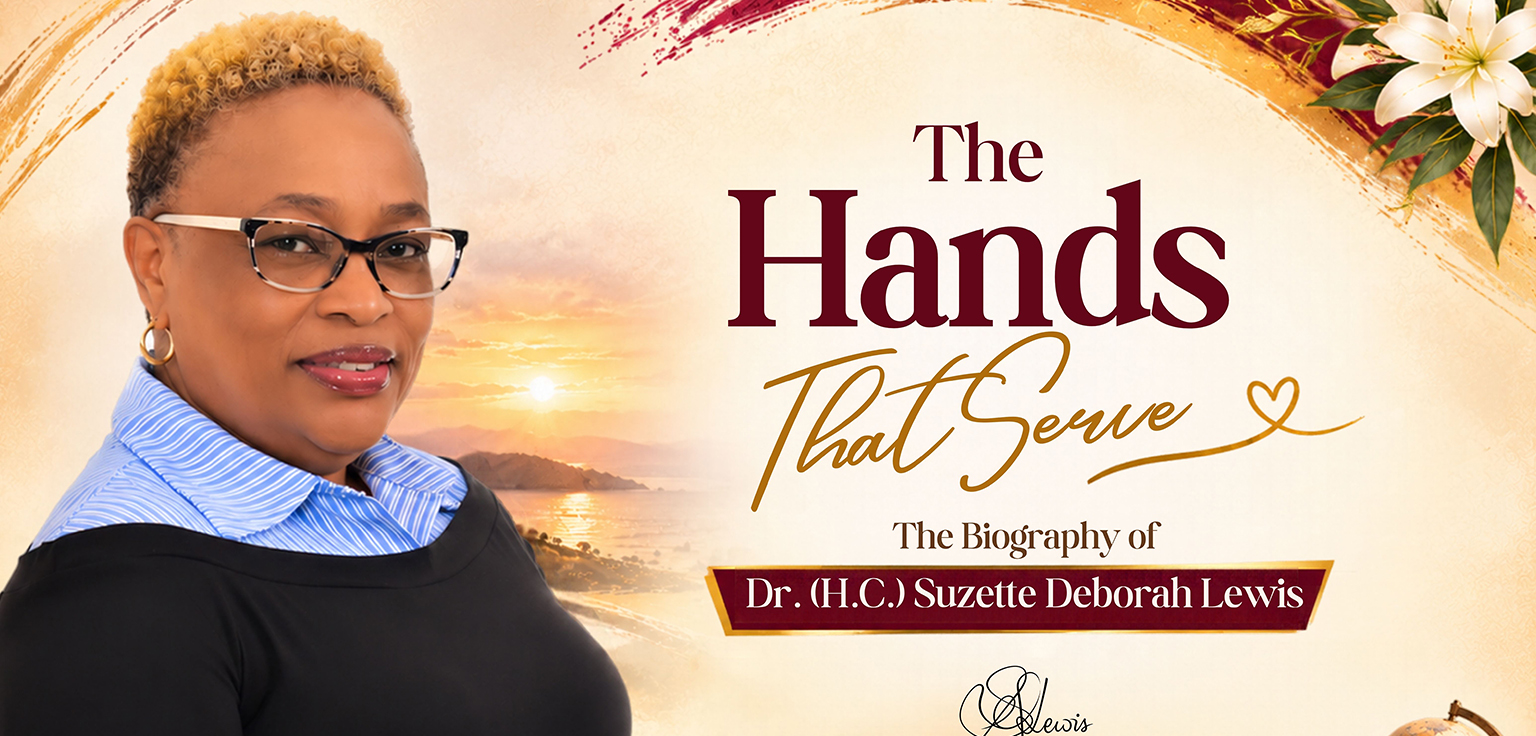
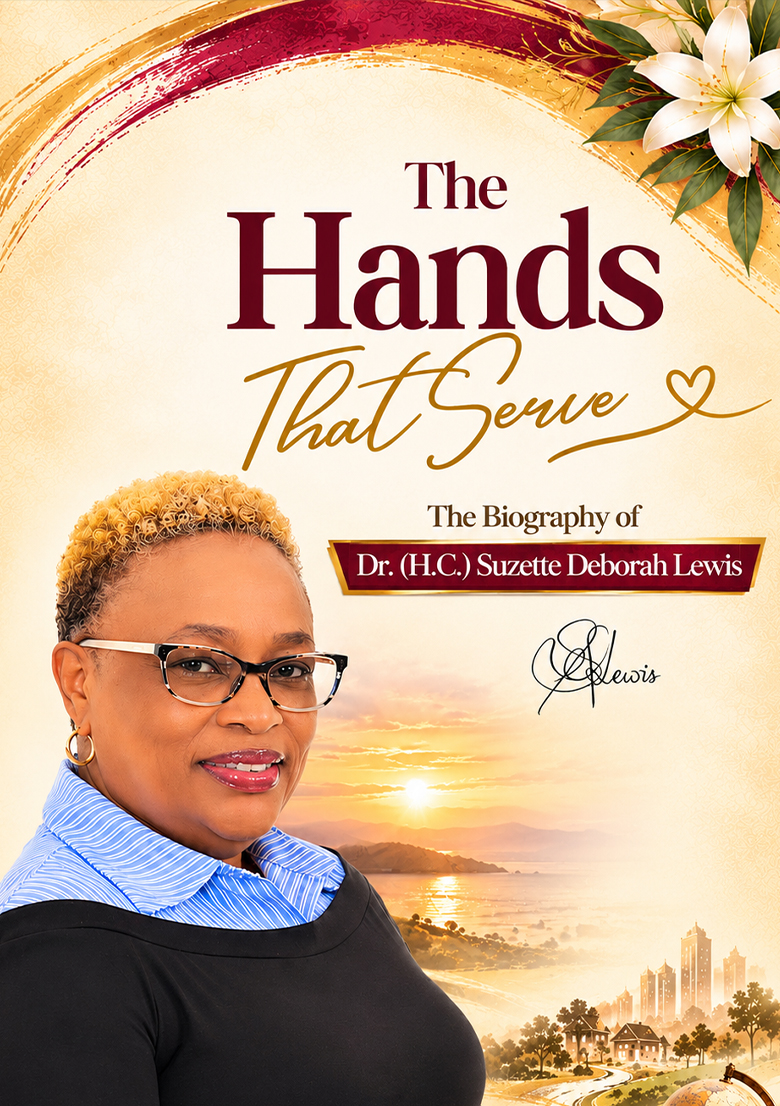
“The future I see for myself is still connected to service.”
Introduction
The biography of Dr. (H.C.) Suzette Deborah Lewis is a journey through courage, care, and quiet transformation. It is the life story of a woman who did not inherit ease, yet learned how to build comfort from discipline, resilience from difficulty, and purpose from service. Her story does not begin with grand privilege or perfect planning. It begins in the countryside, in a large family, in a home that was not very big but was remembered as comfortable. It begins with shared rooms, strict parents, many siblings, and a childhood that taught her early how to adjust, appreciate, and endure.
As the tenth of twelve children, Dr. Suzette grew up surrounded by family. There was movement, closeness, correction, and the constant awareness of being part of something larger than herself. She did not have the modern experience of private rooms and personal space. She shared a room with six girls, an experience that taught her patience and togetherness in ways that no formal lesson could have done. Her parents, Monica Smith and Michael Smith, maintained firm expectations, and that strictness shaped both her discipline and her longing for independence. Her mother’s love for cooking also became one of the lasting gifts of her childhood, later appearing in her own passion for preparing food and feeding others.
Her early life also carried the first signs Of a woman who wanted to live with agency. After completing secondary school and earning her diploma from Anglican High School, she married young. At nineteen, she eloped, seeing marriage as a form of freedom from the rules that had surrounded her. Those early years brought movement, travel, and discovery. She travelled regularly to Trinidad and Barbados, learned more about homemaking, and used the time to understand herself. Marriage also brought responsibility, and over thirty-three years, it became a long chapter filled with motherhood, learning, partnership, challenge, and eventual change.
Motherhood became one of the deepest parts of her identity. Her daughter was born in 1994, and her son was born twelve years apart. Her first experience of motherhood was overwhelming. She was young, information was not as available as it is today, and her mother, though alive, was unwell and unable to give her the full support she might have needed. Yet Dr. Suzette learned. She adjusted through uncertainty, held herself together through stress, and found strength in the process. By the time her son arrived, she was more prepared, more knowledgeable, and more confident. Parenting also revealed her protective nature, and over time, she came to understand both the strength and the limits of sheltering children too closely.
Professionally, her life developed through practical experience. She worked as a clerk, a receptionist, a supervisor, and a manager before becoming the office force behind Andy Lewis Services Ltd. Her responsibilities grew from answering phones and preparing invoices to managing correspondence, staff, payroll, budgets, records, meetings, deposits, and vendor relationships. Her career was built not only through titles, but through reliability. She became someone who could organise, handle pressure, keep systems moving, and communicate with people from different backgrounds.
Her journey was not untouched by hardship. Hurricane Ivan tested her deeply when her roof was lost, her family had to move downstairs, and electricity was gone for months. She later spent about a month in St. Vincent through assistance connected to her workplace, but her heart pulled her back home because she knew her house needed attention. That difficult period became another lesson in endurance. She received help, found ways to manage water and electricity, and eventually came through a season that could have broken her spirit.
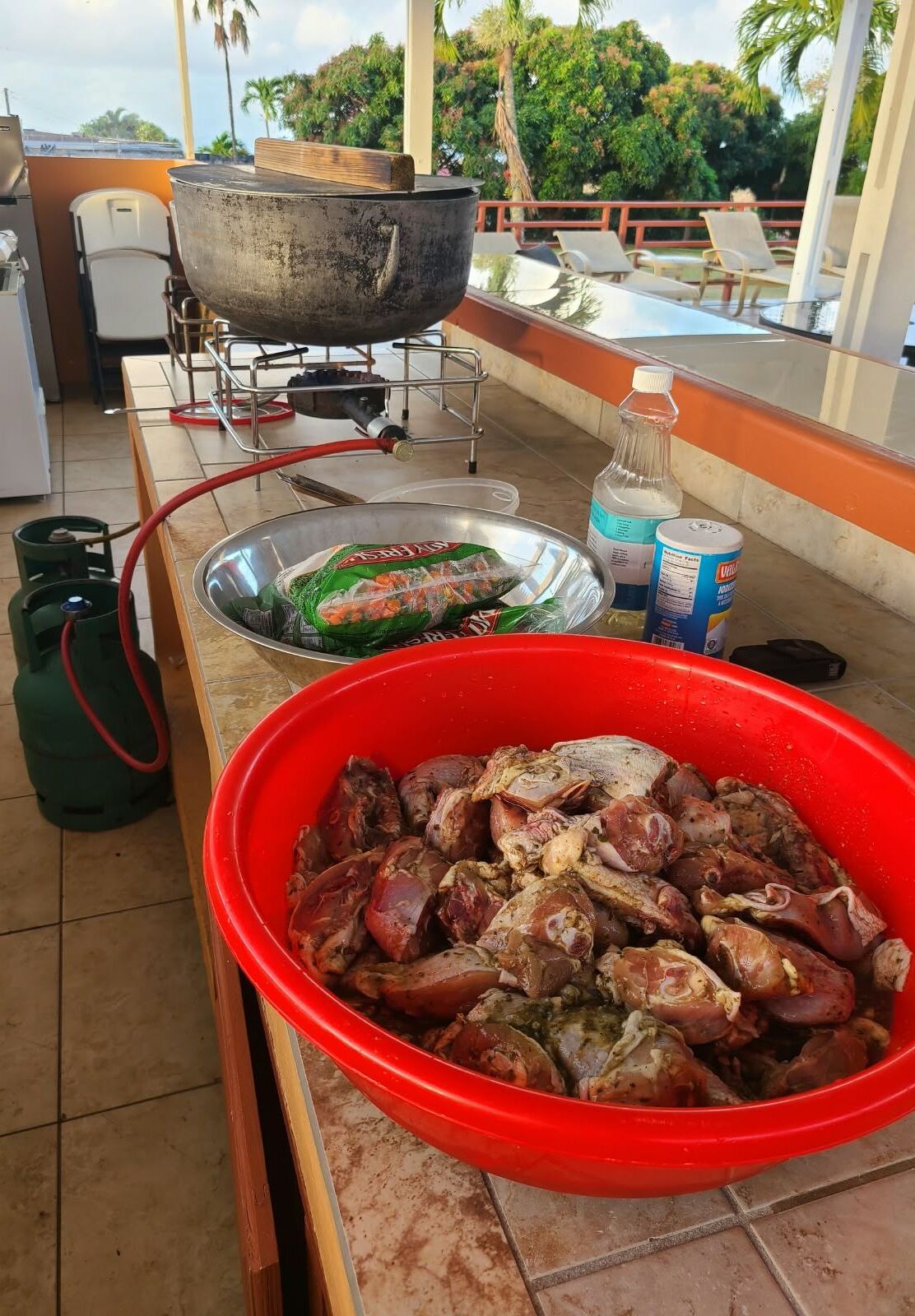
What makes Dr. Suzette especially remarkable is the way her personal journey turned outward. Through Hands and Heart Outreach, she has sustained community service, personally funding and organising feeding programmes for vulnerable people, including shut-ins. She prepares food, distributes it, keeps records, and gives not merely meals but attention, conversation, and dignity.
"Where we love is home, home that our feet may leave, but not our hearts."
Phase 1: A Countryside Home of Shared Space and Strong Roots
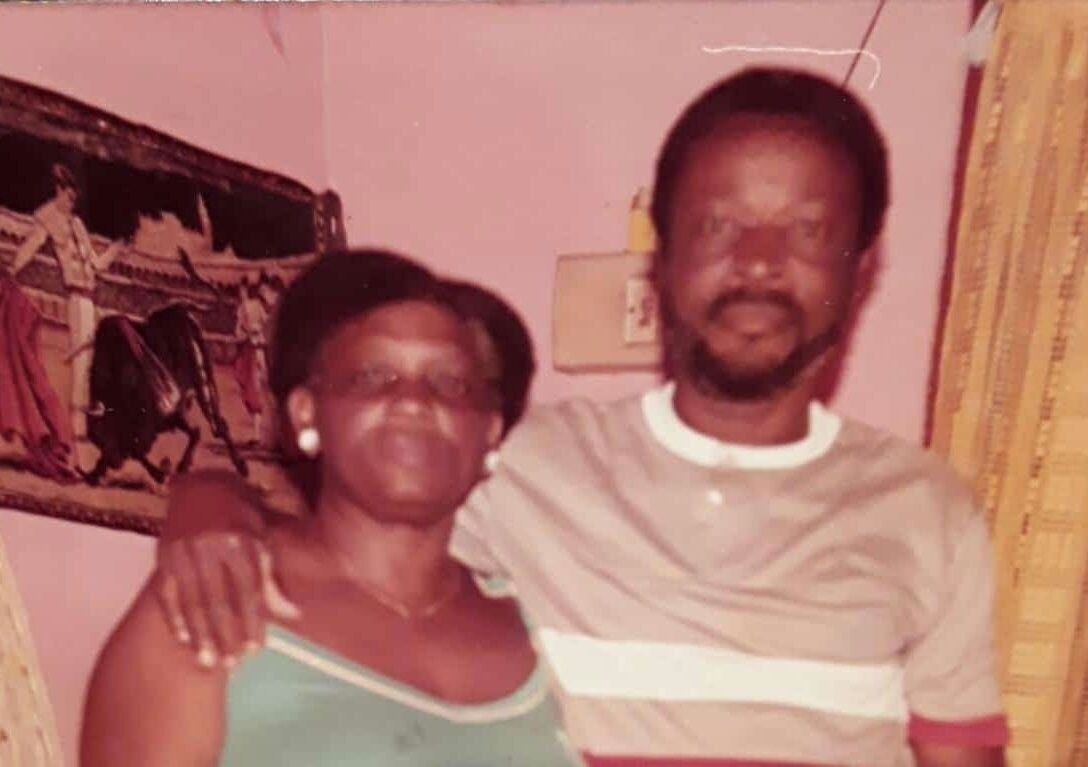
Dr. (H. C.) Suzette Deborah Lewis was born on June 7, 1971, into a family whose size, discipline, and simplicity would shape the earliest understanding of her life. She grew up in the Parish of St. David’s, approximately fifteen to twenty minutes from St. George’s, the capital Of Grenada, surrounded by the movement and energy of a large household. As the tenth of twelve children, she came into a family where one had to learn early how to share, adjust, listen, and live among others. Her childhood home was not very big, yet in her memory it was comfortable. That single word with ily reveals much about the way she learned to look at life. Comfort, for her, was not always about abundance. It was about having enough, belonging somewhere, and finding appreciation in what was present rather than grieving what was absent.
In that home, privacy was limited. The modern idea of every child having a separate room was far from her reality. Dr. Suzette shared a room with six girls. Such an arrangement could easily have felt crowded, but it also created an early training ground for patience, compromise, and emotional awareness.
She learned how to exist among personalities, moods, needs, and routines. She learned that family meant making room for one another, sometimes physically and sometimes emotionally. Long before she entered offices, communities, and outreach spaces, she had already been shaped by the daily practice of living closely with others.
Her parents, Monica Smith and Michael Smith, carried strong influence in her life. The family environment was strict, and that strictness left a deep impression on her. She was not allowed to move about as freely as some other children in the neighbourhood. She could see others going out, having fun, and enjoying a kind of childhood freedom that she did not always experience. Even her sisters, as she remembered, were strict with her. Being among the younger children meant she was watched, corrected, and protected, sometimes in ways that felt heavy to a young girl who wanted room to breathe.
Yet the same environment that felt restrictive also gave her the values that stayed with her. It taught her discipline. It taught her the importance of order. It taught her how families survive when everyone does not have everything. It also helped her understand the protective instincts of parents, a lesson she would later revisit through her own motherhood. In childhood, the strictness could feel hard. In adulthood, she could look back and recognise that her parents were trying to shelter their children and make sure all was well. That understanding did not erase the difficulty, but it gave the past a fuller meaning.
Her mother, Monica, left another kind of inheritance. She loved to cook, and she was remembered as a very good cook. From her, Dr. Suzette received not only a skill, but a language of care. Cooking became something she loved. She enjoyed trying new dishes and preparing food, and that gift would later become one of the most visible ways she served her community. In many lives, a childhood memory remains only a memory. In hers, it became action. The kitchen became connected to compassion. Food became connected to dignity. The love she first saw in her mother’s cooking later appeared in meals prepared for people who were homeless, shut in, or vulnerable.
“The beautiful thing about learning is that no one can take it away from you. "
Phase 2 : Discipline, Schooling, and the First Stirring of Independence

The school years of Dr. Suzette unfolded within the same world of discipline that shaped her childhood. She attended Anglican High School from 1985 to 1990, where she earned her diploma. Her formal schooling gave her an educational foundation, but her life outside the classroom was equally powerful in shaping her thinking. The contrast between school, home, and the wider neighbourhood created within her a quiet awareness of what she wanted from life.
For Dr. Suntte, adolescence was not a period of careless roaming or unlimited self-expression. She watched other children in the neighbourhood enjoy activities and freedoms that she did not always have. She was aware of boundaries, and those boundaries were not light. Her parents were strict, and her sisters were also protective and firm with her. Because she was among the younger children, there was a sense of being closely watched. In a large family, care can sometimes feel like surveillance, and protection can sometimes feel like limitation. For a young girl with her own thoughts, desires, and curiosity, that environment created a natural longing to step into her own space.
Yet it would be too simple to view this strictness only as hardship. It also formed the inner structure that later allowed her to handle responsibility. The discipline she experienced in youth became part of her ability to organise, manage, and remain steady in adult life. It helped her understand that actions carry consequences and that people depend on those who can be trusted. These early lessons may not have arrived gently, but they became useful. Later, when she had to manage office operations, clients, workers, budgets, payroll, and records, the seriousness of her upbringing would reveal itself in her work ethic.
Her years at Anglican High School also represented a time when she was moving toward young adulthood while still feeling the weight of family control. She completed secondary school and earned her diploma, but she did not continue immediately into further academic studies. Life moved quickly after school, and marriage came soon after. The absence of a long academic path at that time did not mean the absence of learning.
For Dr. Suzætte, education would later take many forms. It would come through work, motherhood, community service, short courses, customer service training, bookkeeping, customs entry, and eventually counselling. Her early educational path may have paused after secondary school, but her learning never truly stopped.
This stage of her life holds an important emotional truth. The desire for independence did not arrive suddenly. It grew slowly from the experience of being loved strictly, corrected often, and kept close. She wanted the chance to make decisions for herself. She wanted to know what it felt like to move beyond the rules of childhood. That desire would later influence the bold decision she made at nineteen, but its roots belonged here, in the years when she was still under the guidance of family.
During these years, Dr. Suzette was also absorbing values from home that would remain with her even when she sought freedom from its limits. She learned the importance of family connection. She learned that closeness can survive distance, as it later did with siblings who migrated to Canada while others remained in Grenada. She learned that people can remain connected through support, care, and regular contact. The family bond did not disappear with distance or adulthood. It continued as part of her life, even after her parents passed away.
The young woman emerging from this period was not rebellious in a careless sense. She was searching for room to become herself. She wanted to step outside the close watch of others and discover her own abilities. That wish for independence would soon lead her into marriage, travel, homemaking, motherhood, and eventually professional life. It would also teach her that freedom brings responsibility. The very independence she desired would ask her to grow quickly, adapt quickly, and learn lessons for which she had not always been prepared.
“Freedom lies in being bold.”
Phase 3 : Nineteen, Marriage, and the First Taste of Freedom
At nineteen, Dr. Suzette made a decision that would change the direction of her life. She eloped and got married, stepping into a new chapter with the hope of freedom. TO understand that choice, one must understand the world she was leaving behind. She had grown up in a strict household, where her movements were watched, and her choices were shaped by the expectations of others. Marriage, at that moment in her life, appeared as a doorway into independence. It was not simply a romantic decision. It was also a young woman’s attempt to claim space, agency, and the right to do her own thing.
The first years of marriage gave her that sense of release. For about the first two years before she became pregnant, she felt able to enjoy life in a way she had not experienced before. Those trips represented more than movement across water. They gave her the feeling of being unconfined. For Someone who had grown up under strict rules, the ability to travel, move, and enjoy herself carried emotional importance.
During those early years, she was also learning how to make a home. Her former husband’s family owned Country Cold Store, a business that sold frozen meat such as chicken and beef. While he worked with the family company, Dr. Suzætte spent time at home and began learning the practical duties of homemaking. Because she was young, she did not yet feel fully skilled in cooking and domestic work. Instead of allowing that lack of experience to discourage her, she used the opportunity to learn. She attended classes where she learned to bake, cook, and better manage the responsibilities of home life.
This willingness to learn became one of her defining qualities. She did not pretend to know everything. She entered unfamiliar spaces, observed what was required, and tried to grow into what life asked of her. The same young woman who had left home seeking freedom began discovering that independence was not only about doing what one wanted. It was also about learning what needed to be done. Cooking, baking, managing a household, and adjusting to married life became part of her early training in responsibility.
Her connection to cooking deepened in this period. The love for food that had begun with her mother’s influence now became part of her own life. She was no longer only the daughter who admired her mother’s ability. She was becoming a woman who could prepare, provide, and create meals herself. In later years, this skill would carry community meaning, but in this phase it was still personal. It was part of her effort to grow into herself.
After some time, Dr. Suzette began working with her former husband’s parents’ company. She worked there for about two to three years as a clerk or sales clerk, dealing with customers who came to purchase goods, answering the phone, and preparing invoices for the storeroom. This role introduced her to the world of customer interaction and business operations. She was not yet in the managerial roles that would come later, but she was learning how businesses function through daily details. A customer needed attention. A phone call needed a response. An invoice needed accuracy. A workplace needed someone who could stay alert and organised.
Note of Thanks
The life of Dr. (H. C.) Suzette Deborah Lewis carries deep gratitude for the people who have stood beside her, encouraged her, recognised her efforts, and helped her see the value of her own journey. Her thanks begin with her children, whose presence has given her strength, love, and purpose through every changing season. “Ihey have been part of her heart, her work, and her service. Their support, understanding, and nearness have helped her continue forward with courage.
Special gratitude is extended to her daughter, Melissa Lewis, who not only works alongside her but also supports her during outreach. When food is prepared and distributed, her presence becomes part of the service. Her words of love and recognition have also touched Dr. Suzette deeply, especially in seeing her as selfless and different in the way she gives.
Sincere appreciation is also extended to Mrs. Lyndell Mc Sween for her support of Dr. Suzette’s community service initiatives and to Mrs. Pearl Roberts for her encouragement in pursuing recognition for her work. Mrs. Pearl Roberts recognised the care, counselling spirit, and service that Dr. Suzette was already giving to others and helped bring attention to a path that could honour that work. Her encouragement became a reminder that sincere service is often seen by those who understand its value.
Gratitude is also extended to Andy Lewis and Jaden Lewis, whose assistance with cooking and preparation has been instrumental in sustaining the Hands and Heart Outreach feeding programme. Their lives have strengthened Dr Suzette’s purpose and reminded her why compassion must become action. Each meal, conversation, and visit has deepened her commitment to helping vulnerable individuals with dignity. Above all, this note of thanks honours the unseen hands, quiet prayers, family bonds, and meaningful relationships that have helped shape Dr. Suzette’s journey. Her life continues with appreciation for every person who has helped her grow, serve, forgive, and believe in the possibility of doing more.
thanks,
– Dr. (H.C.) Suzette Deborah Lewis

AIMLAY is a leading global education platform empowering ACADEMIC and EXPERIENTIAL learners, uniquely focused on recognizing knowledge gained through experience and building a diversified community of doctorates and aspiring researchers.