
"A meaningful life is not measured by recognition or titles, but by the quiet moments when someone feels comfort, hope, or strength because we chose to care."
Introduction
Every life story carries within it a quiet thread of determination that guides an individual through circumstances, choices, and unexpected turns. Some journeys begin in comfort and privilege, while others emerge from modest surroundings where dreams are nurtured through patience and perseverance. The story presented in this biography reflects the latter path. It introduces the life of Dr. Suman Arora, a woman whose dedication to service and compassion gradually shaped a meaningful career in the field of healthcare.
Her journey began in a modest Punjabi household where simplicity defined daily life. The environment in which she grew up was marked neither by luxury nor by excessive ambition. Instead, it was built upon values such as discipline, responsibility, and mutual care among family members. Her father served in the army as a laboratory technician in the medical division, a role that required commitment and a strong sense of duty. His profession brought the family into close contact with hospital environments and medical institutions, a setting that would later leave a lasting impression on his daughter.
During childhood, she often observed the atmosphere surrounding medical professionals. The presence of doctors, nurses, and technicians moving through hospital corridors created a quiet fascination. Watching her father carry out his responsibilities instilled a sense of respect for the profession of healthcare. Even at a young age, these experiences planted a seed that would eventually guide her toward a similar path.
Life within the family carried its own unique rhythm. The household consisted of daughters, creating a close bond among sisters who shared daily responsibilities and childhood memories. Their mother dedicated herself to raising the family, offering encouragement and emotional support that shaped the character of each child. Although she did not possess formal academic training, she valued education deeply and believed that learning could open doors for her daughters. Her gentle insistence on education created an atmosphere where personal growth was quietly encouraged.
The family frequently moved due to the nature of army service. Such movement exposed the children to different environments and communities. These experiences broadened their outlook while strengthening adaptability at an early age. Living near hospital premises allowed the young girl to observe the realities of medical care closely. The constant interaction with healthcare workers gradually transformed curiosity into admiration.
“Sometimes the smallest decision to follow one's own path becomes the beginning of a life devoted to purpose.”
Phase 1: Roots of Compassion
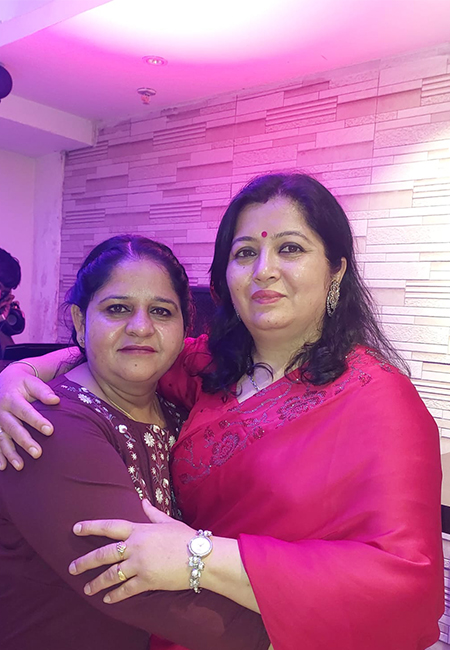
Every life begins with a set of quiet influences that shape the heart long before ambitions are fully understood. For Dr. Suman Arora, the earliest phase of life unfolded within a simple Punjabi household where values, discipline, and family bonds formed the foundation of character. The circumstances of her childhood were modest, yet they carried lessons that would later guide her entire professional journey.
She was born into a middle class family where life revolved around duty and responsibility. Her father served in the Indian Army as a laboratory technician in the medical division. His profession required technical skill and deep dedication to service. For a young child growing up in that environment, the presence of hospitals and medical work was not distant or unfamiliar. Instead, it was a regular part of everyday life.
Because of her father’s posting in the army, the family often lived close to hospital premises. These surroundings quietly introduced her to the world of healthcare long before she considered it as a possible career. She watched doctors moving with urgency through corridors and nurses caring for patients with patience and attention. The laboratory where her father worked was another place that fascinated her. Though she was too young to understand the details of the work, she sensed the importance of the environment.
Observing such scenes during childhood left a lasting impression. While other children might have seen a hospital as a place of fear or discomfort, she saw it as a space where people worked together to save lives and relieve suffering. The seriousness with which medical staff performed their duties inspired respect within her mind. Over time, admiration for the profession slowly developed.
Her mother played an equally significant role in shaping the values that guided the household. She devoted herself to raising her daughters with patience and warmth. Although she did not possess formal higher education, she strongly believed that learning could transform lives.
“Learning a profession is not only about gaining knowledge. It is about discovering the strength to stand steady when circumstances become uncertain.”
Phase 2 : The Discipline of Training
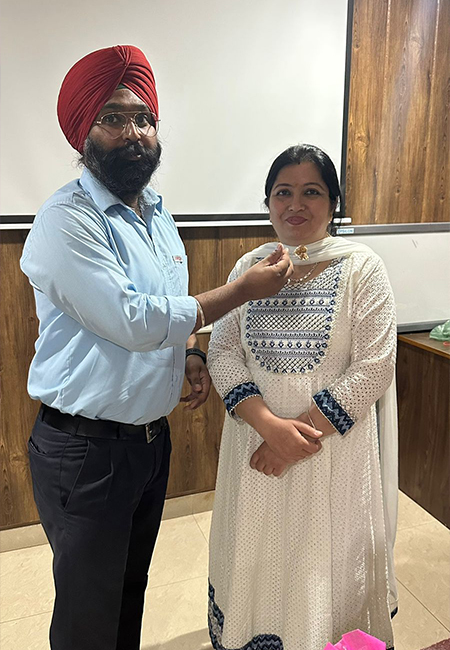
Stepping into a professional training environment often marks the first real transition between aspiration and responsibility. For Dr. Suman Arora, admission into the nursing program brought an entirely new rhythm to daily life. The shift from village familiarity to a structured institutional setting required adjustment, patience, and determination. The environment demanded discipline not only in studies but also in conduct, time management, and personal growth.
Life at the nursing institution unfolded with a strict routine. Students followed a carefully planned schedule that balanced classroom instruction with practical exposure. Each morning began early, as trainees prepared themselves for lectures, demonstrations, and hospital duties. Uniforms were worn with pride because they symbolized entry into a profession built upon service and accountability.
Living in the hostel created an atmosphere of independence. Many students had traveled from different regions, carrying their own cultural habits and life experiences. Within a short time, the hostel corridors turned into a place of shared learning. Conversations extended beyond academic topics. Young women exchanged stories about their families, hometowns, and hopes for the future. Friendships formed naturally through shared responsibilities and collective challenges.
Adapting to the demands of nursing education required mental strength. Subjects such as anatomy, physiology, and patient care procedures introduced students to the scientific side of medicine. These lessons demanded focused attention because every concept carried practical implications inside hospital wards. Understanding the human body was no longer just an academic exercise. It became essential knowledge for protecting life and health.
Laboratory sessions provided hands-on exposure that brought theoretical lessons into practical context. Under the supervision of instructors, trainees learned how to handle medical instruments, prepare reports, and understand diagnostic procedures. Accuracy became a crucial element of learning because even small errors could affect patient outcomes in real clinical situations.
“A profession truly begins when responsibility replaces guidance and every decision carries the weight of another person’s wellbeing.”
Phase 3 : The First Steps into Professional Service
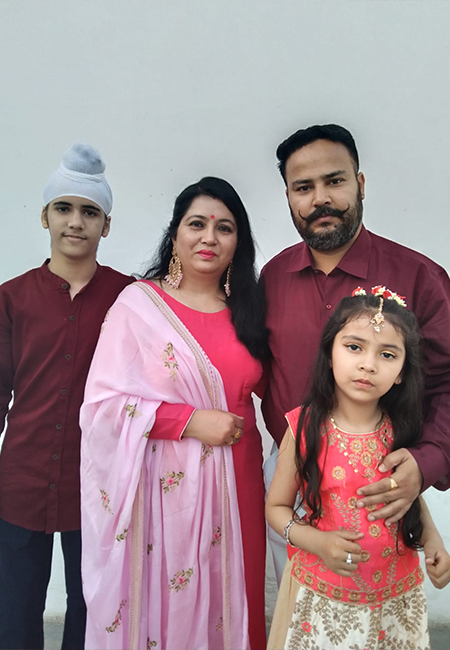
Completion of professional education often brings a moment filled with anticipation. For Dr. Suman Arora, finishing the nursing program marked the end of a demanding period of preparation and the beginning of a new chapter that carried real responsibility. The training years had shaped knowledge and discipline, yet the true meaning of the profession would only become clear once she stepped fully into the working environment.
The transition from student to working nurse introduced a different atmosphere. During training, instructors remained close at hand, guiding every step and correcting mistakes before they could grow into serious problems. Professional service required personal judgment and calm decision making. Patients, doctors, and hospital administrators all relied upon the nurse to perform duties with confidence and precision.
Her first assignment within a hospital environment brought a mixture of excitement and nervous anticipation. Entering the ward as a qualified professional felt different from earlier clinical practice sessions. The uniform now represented more than a stage of learning. It symbolized trust placed by patients who depended on medical care during difficult moments of life.
The hospital itself moved with a constant rhythm that rarely slowed. Corridors filled with staff members walking quickly between departments. Doctors discussed treatment plans while nurses managed patient records, medications, and daily monitoring. Each individual played a specific role within a larger system dedicated to healing.
During the early days of employment, observation remained an important part of adjustment. Although she had already learned numerous procedures during training, real hospital work introduced situations that could never be fully simulated in classrooms. Every patient arrived with a unique condition and a personal story. Understanding these circumstances required careful listening and attention.
Note of Thanks
Every life story is shaped not only by individual determination but also by the presence of people who offer encouragement, understanding, and strength along the way. The journey of Dr. Suman Arora stands as a reflection of this truth. Behind years of sincere service in healthcare lies a circle of individuals whose support quietly contributed to each step forward.
Deep gratitude is extended to the family whose patience and love formed the foundation of this remarkable path. Their encouragement during demanding years allowed professional responsibilities to be fulfilled with dedication and peace of mind. Moments spent together provided comfort after long hours of caring for others and reminded her that strength often grows from the warmth of home.
Appreciation is also offered to the many colleagues who shared hospital corridors and patient wards throughout this journey. Working within healthcare requires cooperation, understanding, and mutual respect. Doctors, nurses, technicians, and support staff each played an important role in creating an environment where compassionate care could flourish. The collective spirit of teamwork made even the most challenging days meaningful.
A special note of gratitude is extended to the patients and families who entrusted their wellbeing to her care. Their courage during illness and recovery provided powerful reminders of the strength that exists within the human spirit. Each encounter contributed valuable lessons about empathy, patience, and dignity.
The completion of this biography would not have been possible without the willingness to reflect upon these memories and experiences. Sharing such a journey offers an opportunity to honor the many people whose presence made the path worthwhile.
This section closes with a heartfelt thought that reflects the spirit of gratitude guiding these words.
With sincere appreciation, this story is offered as a tribute to everyone who contributed to a life dedicated to compassion and service.
Thanks,
– Dr. Suman Arora