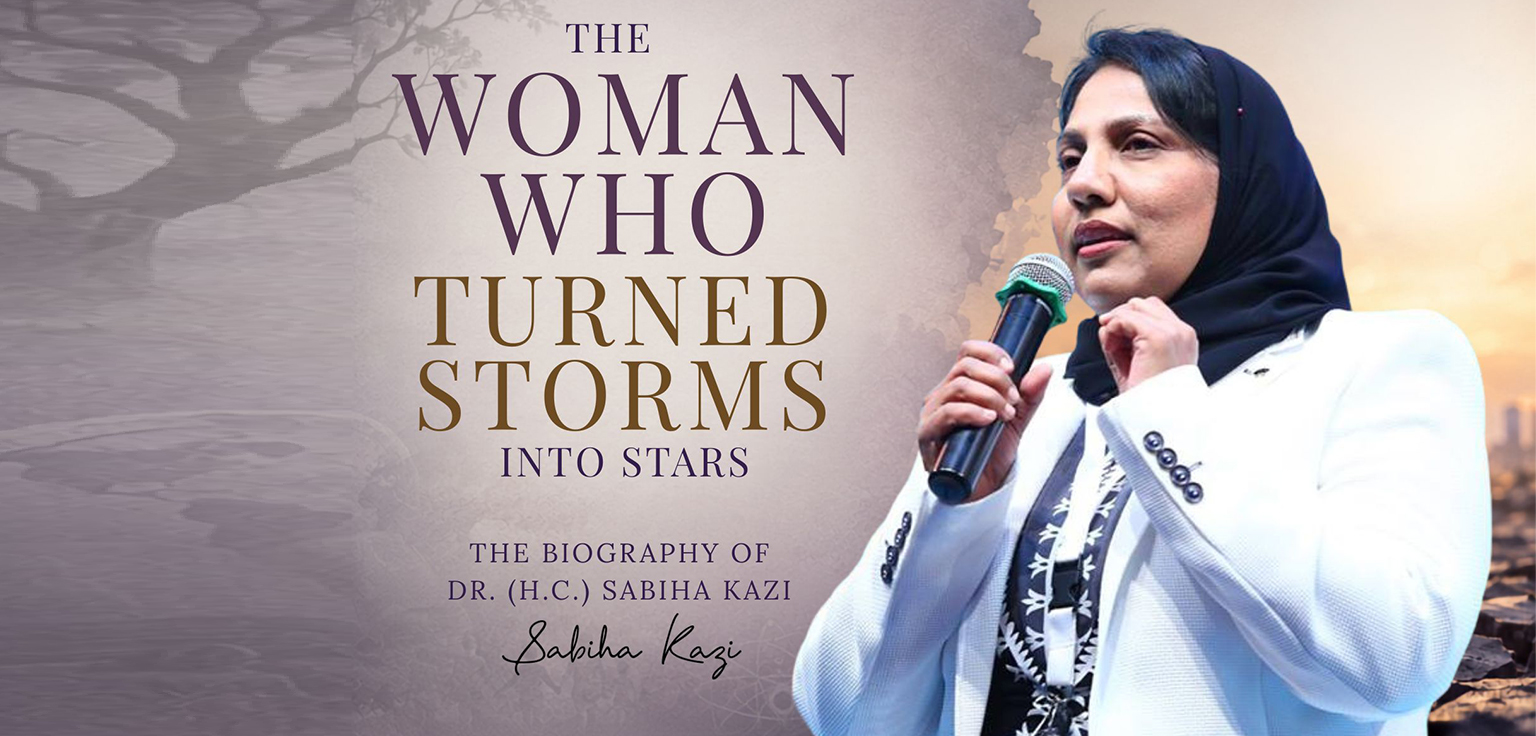

"With the support and Will of the Almighty God, I turned loss into fuel and fear into fire. I built a life from nothing, not for glory, but for my daughters and for every soul I could lift. My story is proof that courage can rewrite any destiny."
Introduction
The life of Dr. Sabiha Kazi is precisely such a journey. It is not a mere chronicle of titles earned or milestones reached. It is the living portrait of a woman who took the weight of responsibility and turned it into wings. She took the raw material of hardship and forged it into a lifelong vocation of lifting others. Her story does not simply narrate; it resonates. It is a testament to the radical belief that every experience, no matter how shattering, can become the bedrock of something extraordinary.
She was born in the vibrant lanes of Surat, Gujarat, but it was the ancient, soulful city of Agra that shaped the first eighteen years of her becoming. There, under the watchful eyes of her parents, the late Abdul Khaliq Golandaz and the late Zakiyunnisa Golandaz, she absorbed lessons that would outlast time itself. Her childhood was not cushioned by ease; it was fortified by values. Even then, a quiet fire burned within her. She was curious, unafraid to question, and fiercely certain of her own convictions. She possessed the rare gift of confidence without arrogance, and the courage to stand her ground long before she understood the cost of doing so.
Life, however, does not wait for one to be ready. It thrusts its lessons forward with unflinching urgency. Dr. Sabiha learned this early, when her mother’s health began to falter. She stepped into the breach without hesitation, becoming the second mother to her six siblings while still a student herself. They called her “Chhoti Mummy”, a name that was not merely affectionate but deeply earned. It spoke of a girl who held her family together with small hands and an indomitable heart, managing households, nurturing younger brothers and sisters, and never once abandoning her own education. She was not just surviving; she was leading, even when no one was watching.
Then came the move to the United Arab Emirates, a new land, a new beginning, and soon after, a shattering loss. In 1991, her husband, Alimuddin Kazi, passed away, leaving her to navigate the treacherous waters of grief while raising her daughters alone. The world could have crushed her. Instead, she chose to rise. With her father’s faith as her anchor and her daughters’ futures as her compass, she stepped into the professional realm from the ground floor. She learned, she adapted, and she rebuilt. Brick by brick, she constructed a life where none had been promised.
It was at Ajmal Perfumes that the seed of her true calling was first watered. She entered as a learner, but she left as a leader in the making. Her Line manager , the HR Manager at Ajmal Perfumes, saw something in her that she had not yet fully seen in herself. He handed her the opportunity to conduct her first training session, and in that single moment, the world tilted on its axis. She discovered a language she had always spoken but never named, the language of connection, development, and transformation. That experience became the cornerstone of her lifelong marriage to Learning and Development.
Her hunger for knowledge did not wane. It grew. She pursued an MBA in Human Resource Management, expanding her vision beyond the individual to the intricate machinery of systems and organisations. When she joined the Albatha Group as an HR and Administration Assistant, she was not merely filling a role. She was planting a flag. Over time, she built learning initiatives from the ground up, developed employees into leaders, and infused a culture of growth across a sprawling, diversified conglomerate.
This biography is not simply an account of where she has been. It is an invitation to walk alongside her, to witness the grit, the grace, and the unyielding determination of a woman who refused to be defined by her circumstances.
"Curiosity was her compass; courage was her currency. Long before she led others, she dared to question everything."
Phase 1: The Girl Who Asked Why
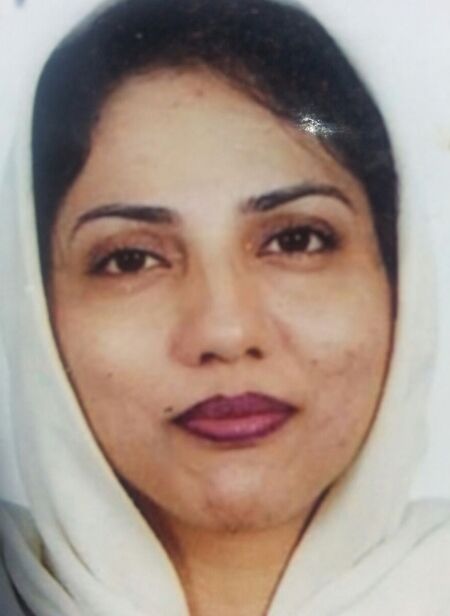
Before the world knew Dr. Sabiha Kazi as a visionary in Learning and Development, before she became a mentor whose words could ignite careers, and long before she dedicated her life to prying open doors for others, there was simply a girl. A girl with a restless mind, a brave heart, and an unshakable sense that she was meant for something more. Her story does not begin in a boardroom or a training hall. It begins in the tender, formidable years of childhood, where the scaffolding of her character was quietly erected by family, faith, and the first stirrings of responsibility.
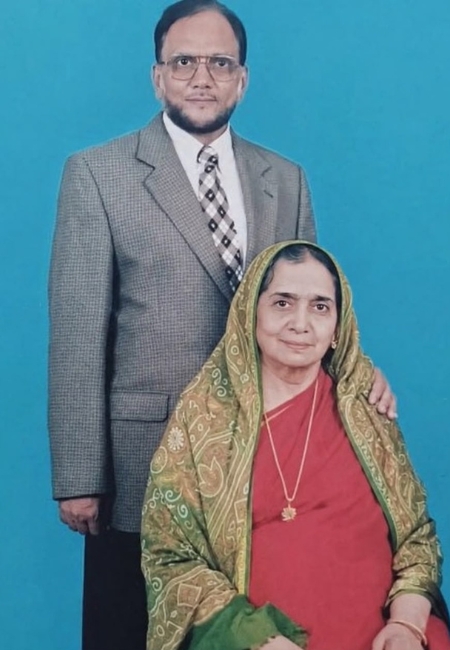
She was born in Surat, Gujarat, a city that hummed with mercantile energy and ancient traditions. But her infant eyes had barely adjusted to the light when her family packed their lives and moved to Agra, following her father’s professional transfer. “Ihat journey, undertaken when she was just six months old, would define the next eighteen years of her becoming. Agra was not merely a city she lived in; it was the crucible where her personality was forged. Her father, the late Abdul Khaliq Golandaz, was a man of stature and vision, a Regional Manager with Travel Corporation of India Pvt. Ltd. (TCI) who would later carve his own path as an entrepreneur in the United Arab Emirates. He was a man who understood the world because he had seen it, and he carried that wisdom into the home he built.
Her mother, the late Zakiyunnisa Golandaz, was the emotional centre of the household, a woman who wove warmth into the fabric of daily life. Together, her parents created a world where values were not merely spoken but lived. From her father, Sabiha absorbed the sacred currency of self-respect, the discipline of focus, and the quiet power of integrity. His voice became an internal compass, guiding her long after his physical presence had faded. Her mother taught her the language of love expressed through service, the art of holding a family together with grace, and the profound strength that resides in gentleness.
She grew up in a bustling household of seven siblings, a small universe unto itself where togetherness was not a choice but a way of life. Even as a child, Sabiha was different. She was not content with surface-level answers. Her mind worked like a detective, always probing, always asking why. She wanted to understand the mechanism behind the magic, the reasoning behind the rule. This was not defiance; it was a deep, almost spiritual hunger for truth. She carried a natural confidence that was neither loud nor boastful, but steady and rooted. She spoke her mind with clarity, and she defended what she believed was right with a quiet ferocity that surprised even those who knew her best.
In the corridors of her school, she was known as the girl who would not simply nod along. If a concept was unclear, she raised her hand. If a rule felt unjust, she raised her voice. This courage, this refusal to accept the world at face value, was not a phase; it was a prophecy. It was the early murmur of the leader she would one day become, the woman who would stand before rooms full of people and challenge them to see their own potential.
Her childhood dreams shimmered with ambition. At one point, she envisioned herself as an IAS officer, wielding the power of governance to serve her nation. At another, she dreamed of a white coat and a stethoscope, of healing bodies and saving lives. These aspirations were not mere fantasies; they were early expressions of her core desire to contribute, to serve, to make a tangible difference in the world. Life, with its unpredictable currents, would eventually steer her away from medicine and civil service, but the engine beneath those dreams, the impulse to support and guide others, never stopped running. It simply found a new vehicle.
"She learned to hold a family together before she knew how to hold a pen. Love became her first lesson in leadership."
Phase 2 : A Mother's Heart in a Child's Hands
For Dr. Sabiha Kazi, childhood was never a sheltered cocoon. It was a training ground, a place where the raw materials of her character were hammered into shape long before she ever stepped into a boardroom or addressed a room full of eager learners. The qualities that would later define her as a leader, the patience, the perceptiveness, and the unflinching willingness to carry weight for others, were not acquired in seminars or corporate retreats. They were forged in the quiet, unglamorous hours of her youth, when she discovered that love is not a feeling but a verb and that true strength reveals itself not in what one takes, but in what one gives.
She was just eleven years old when the first tremor shook her world. Her mother, the late Zakiyunnisa Golandaz, fell gravely ill. The family, far from their native roots, found themselves adrift. Her father, though deeply devoted, was consumed by the demands of his professional life, traveling and working to keep the family afloat. The household needed a steady hand. It needed someone to hold the centre. And without a moment’s hesitation, Sabiha stepped forward.
As the second eldest among seven siblings, she was not merely a sister; she became a surrogate parent, a protector, and a pillar. Her days were no longer her own. They belonged to her brothers and sisters, to the endless rhythm of meals to be prepared, clothes to be washed, homework to be supervised, and tears to be dried. She managed the household with a quiet efficiency that belied her age, balancing the mundane demands of domesticity with the relentless pressure of her own schooling. She did not complain. She did not withdraw. She simply rose, again and again, because the people she loved needed her to.
Her neighbours and society gave her a name that would stick for a lifetime: “Chhoti Mummy”. It was not a title she sought, but one she earned through the sweat of her brow and the generosity of her spirit. The name carried the weight of their trust, the depth of their dependence, and the profound recognition that she was more than a sister. In that name, she found not just an identity, but a calling.
"Grief could have defined her. Instead, she defined it. She chose to build, and the world could not stop her."
Phase 3 : From Ashes, a Beginning

There are moments in every life that act as fault lines. They split the narrative into a before and an after, leaving the terrain forever altered. For Dr. Sabiha Kazi, that fault line arrived not as a gentle curve, but as a shattering rupture. It came wrapped in the promise of new beginnings, only to reveal itself as the most brutal test of her spirit. This is the chapter where the girl became a woman, where comfort gave way to uncertainty, and where she discovered that the deepest reservoirs of strength are often found in the wreckage of our greatest losses.
She was young, barely out of her teenage years, when she stepped into marriage with Alimuddin Kazi. It was a leap of faith, a commitment to building a life with a man who carried his own dreams and ambitions. Leaving behind the familiar streets of Agra, the echo of her mother’s voice, and the warmth of her sprawling family, she crossed borders to the United Arab Emirates. It was a land of shimmering possibilities, but for her, it was simply the place where her new life would unfold. Her parents and siblings were already there, a small constellation of familiarity in an otherwise foreign sky, and she took comfort in their proximity.
Her husband was a chemical engineer with Dubai Petroleum Company, a man of science and precision. Their life together was simple, grounded, and centred on family. She embraced her role as a homemaker with the same dedication she had once brought to caring for her siblings. Her days were filled with the soft rituals of motherhood, raising her young daughter, and soon, another daughter would join the family. She managed the household, nurtured her children, and adjusted to the rhythms of a new country. It was not a life of grand ambitions or professional pursuits, but it was full, meaningful, and rich with love.
Then, in 1991, the world collapsed. Her husband was involved in an offshore accident, and the news arrived like a thunderbolt from a clear sky. The man who had been the centre of her world was gone. She was twenty-seven years old. She had two young daughters, one barely more than a baby, clinging to her with the innocent trust that only children possess.
The grief was suffocating, a tidal wave that threatened to drown her. But grief was not the only burden she had to carry. In the span of a single, cruel moment, she had become the last line of defence for her children. The weight of that reality pressed down on her with an almost physical force.
But even as she gave herself to her family, Sabiha refused to let her own dreams wither. She continued her education with a tenacity that defied the chaos around her. Books became her sanctuary, and knowledge became her rebellion against the limitations of circumstance. She learned to study in stolen moments, to revise lessons while stirring pots, and to memorise formulas between comforting a crying sibling and managing a household crisis. These years taught her a lesson that would become a cornerstone of her philosophy: circumstances may shift, burdens may multiply, but growth is a choice that no one can take from you. Responsibility is not a barrier to progress; it is a catalyst for it.
The experience of becoming “Chhoti Mummy” did more than teach her resilience; it sharpened her emotional intelligence to a razor’s edge. She learned to read the unspoken, to sense when a sibling needed encouragement rather than instruction, when silence was more comforting than advice. She became attuned to the subtle currents of human emotion, understanding that every person carries invisible burdens, and that sometimes the greatest gift you can offer is not a solution, but simply your presence. These were not theoretical lessons. They were carved into her through lived experience, and they would later become the bedrock of her approach to mentorship and leadership.
"She entered the professional world with empty hands but a full heart. Determination was her only resume."
Phase 4 : The First Step into the Unknown
There is a particular kind of courage required to begin again when everything you have known has been reduced to rubble. It is not the courage of battle or the bravado of youth. It is quieter, more desperate, and infinitely more profound. It is the courage of a mother who looks at her children and refuses to let their future be defined by her past. For Dr. Sabiha Kazi, that courage became the engine of her rebirth. She stood at the precipice of an unfamiliar world, armed with nothing but resolve, and she stepped forward.
Until that moment, her life had been a tapestry of domestic responsibilities, of meals prepared and children raised, of a home held together by her steady hands. The professional world was a foreign country, its language unknown, its customs opaque. She had never typed a formal letter. She had never attended a meeting. She had never navigated the labyrinthine corridors of corporate culture. The very idea of an office, with its computers and its protocols, was as distant from her experience as the surface of the moon. But the distance between who she was and who she needed to become did not matter. What mattered was her daughters. Their education, their stability, and their sense of safety, these were not negotiable. They were the North Star by which she would navigate every subsequent decision.
Her father’s voice echoed in her mind, a guiding whisper across the years. He had taught her that time and energy are the most precious currencies a person possesses, and that how they are spent determines the trajectory of a life. She had no wealth to fall back on, no safety net of connections or capital. But she had her hours, her focus, and her fierce, unyielding will. She decided that she would invest them wisely. She would not squander them on regret or self-pity. She would use them to build.
Her first step was tentative, but it was a step nonetheless. She entered the doors of Ajmal Perfumes, a company that would become the crucible of her professional awakening. She was not walking in as a seasoned executive or a confident graduate. She was walking in as a novice, a woman who had to learn the alphabet of office life before she could even begin to write her own story. Every task was a revelation. Every interaction was a lesson. She learned how to operate a computer, a machine that had once seemed as inscrutable as a spacecraft. She learned how to communicate in a professional setting, how to draft correspondence, and how to manage her time across competing demands. She was not just learning skills; she was learning a new language, the language of the workplace.
But she did not stop at the surface. She approached every challenge with the same philosophy that had guided her through the darkest days of her personal life: if something needed to be learned, she would learn it. If something needed to be done, she would find a way. There was no task too small, no question too basic. She absorbed knowledge like a parched earth drinking rain, her curiosity rekindled and sharpened by the demands of her new environment. The same restless mind that had once questioned her teachers in Agra now questioned processes, systems, and assumptions. She was not content to simply follow instructions; she wanted to understand why things were done the way they were.
Her entry into the workforce was never just about a paycheck. It was a declaration of independence, a statement that she would not be defined by her circumstances. Every small achievement, a completed report, a positive interaction, and a new skill mastered, became a stepping stone. Each one was a quiet rebellion against the narrative that had been written for her. She was not a victim. She was a victor in the making.
"A mentor saw the spark she could not see. That day, she discovered not just a skill, but a calling."
Phase 5 : The Moment That Changed Everything
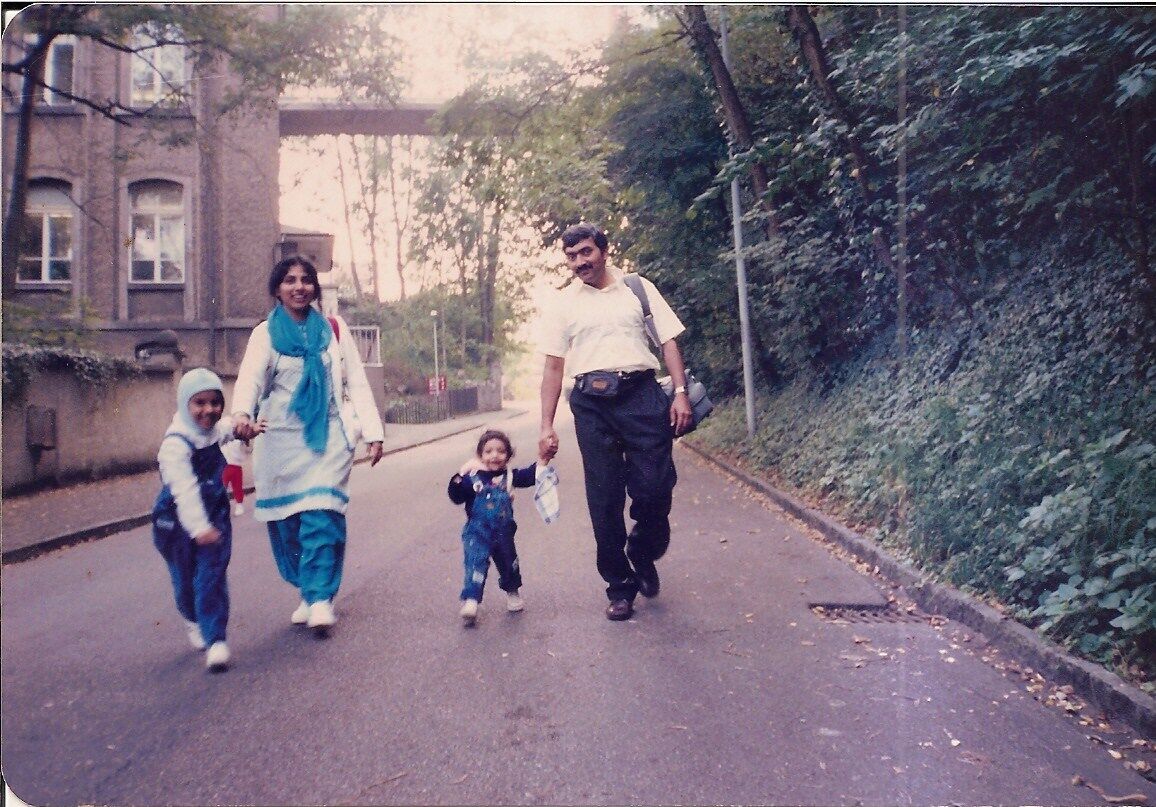
There are moments in a life that arrive unannounced, wearing the disguise of the ordinary. They do not come with fanfare or warning. They slip through the cracks of routine and settle quietly in our memory, waiting to reveal their significance. For Dr. Sabiha Kazi, such a moment arrived not in a boardroom or a grand hall, but in the humblest of settings, a training session she had never expected to lead. It was a moment that would unravel the fabric of her professional identity and weave it anew, revealing a purpose she had carried within her all along, without ever knowing its name.
She had entered the professional world with a single, burning mission: to provide for her daughters. Every step she took was measured against that goal. Learning, adapting, and surviving – these were her daily currencies. But somewhere beneath the surface of her determination, a different current was flowing. She was not just working; she was observing. She was not just earning; she was absorbing. And without realising it, she was preparing for a role that would define the rest of her career.
At Ajmal Perfumes, she worked as an HR Assistant, reporting to the HR team and learning the intricate mechanics of managing people within an organisation. She was a student of the system, quietly studying how policies were framed, how conflicts were resolved, and how employees were developed. But her true education came from an unexpected source: her mentor, Mr. Prakash Babu, the HR Manager. He was a man who saw potential where others saw only a newcomer, a man who understood that leadership is not about authority, but about awakening possibility in others.
As he prepared a training module for a leadership session, a programme designed for a room full of CEOs and Managing Directors, he would often discuss the content with Sabiha. He asked for her opinions, her perspectives, her thoughts on how concepts could be framed and delivered. She participated casually, not realising that these conversations were not idle chatter. They were lessons, quietly embedded in dialogue. They were the slow, deliberate cultivation of a skill she did not yet know she possessed. She was being groomed, gently and systematically, for a moment she could not foresee.
The day of the leadership session arrived. Sabiha attended as a support staff member, her role limited to managing the presentation materials and ensuring the logistics ran smoothly. She sat quietly at the side, prepared to observe, to learn, and to remain invisible. The first half of the session unfolded as expected, with the HR Manager commanding the room with his expertise. She watched, absorbed, and assumed her role was complete.
Then came the moment that would rewrite her story. When the session resumed after the lunch break, the HR Manager stood before the group and made an announcement that sent a jolt through her entire body. The second half of the leadership programme, he declared, would be delivered by Sabiha. The words hung in the air like a thunderclap. She felt the blood drain from her face. Her heart pounded against her ribs. She had never conducted a training session in her life. She had no slides prepared, no notes, no framework. She was, by every definition, unprepared.
"She did not chase credentials; she chased understanding. And in that pursuit, she found excellence."
Phase 6 : The Student Who Never Stopped
The discovery of her passion for developing people had ignited something within Dr. Sabiha Kazi. It was a flame that refused to be contained, a quiet insistence that she was meant for more than the roles she had inhabited. But passion alone, she understood, was not enough. It needed structure. It needed knowledge. It needed the scaffolding of formal education to transform raw instinct into refined capability. She had stumbled upon her calling through a stroke of serendipity, but she was determined to pursue it with intention. She was no longer content to simply survive in the professional world; she wanted to excel within it.
While juggling the demands of work and the ceaseless responsibilities of motherhood, she began to reflect on the gaps in her foundation. She had accumulated practical experience, invaluable lessons learned through trial and error. But she recognised that her growth would plateau without the ballast of structured learning. She needed to understand the theories behind the practices, the frameworks that governed human behaviour within organisations, and the strategic dimensions of human resource management. This realisation crystallised into a decision: she would pursue an MBA in Human Resource Management. It was not a decision made lightly. It required sacrifice, discipline, and the reallocation of time that was already stretched thin. But for Dr. Sabiha, the cost of staying still was far greater than the cost of moving forward.
Her pursuit of the MBA was never about collecting credentials. It was about deepening her capacity to contribute. It was about equipping herself with the tools to ask better questions, design more effective solutions, and understand the intricate dance between people and systems. The programme became a bridge, connecting her lived experiences in the workplace with the academic frameworks that gave them meaning. She learned about organisational behaviour, performance management, and strategic planning, all of which enriched her perspective and sharpened her instincts. She was not just earning a degree; she was building a lens through which she could see her work more clearly.
But her growth was not confined to the classroom. She continued to push the boundaries of her professional role, refusing to be siloed into a single function. Her curiosity, that restless engine that had driven her since childhood, propelled her into unfamiliar territories. She found herself drawn to quality management systems at International Beverage and Filling Industries, a small business unit of the Albatha Group. At that time, concepts like ISO standards and quality assurance were still nascent in the region, often viewed as bureaucratic formalities rather than strategic imperatives. Where others saw complexity, Dr. Sabiha saw opportunity. She did not wait for permission to explore; she simply began.
She sought out the wisdom of Captain Reynold James, an ex-Indian Army officer whose understanding of systems and processes was forged in the rigorous crucible of military discipline. Under his guidance, she delved into the principles of quality management, learning about auditing, inspection, and the meticulous standards required for certification. She spent hours absorbing knowledge, asking questions, and connecting the dots between defence methodologies and corporate applications. It was not a linear path; it was a dense forest of new concepts, and she navigated it with the same determination she had brought to every other challenge in her life.
Her efforts bore remarkable fruit. She took charge of implementing quality management systems for the Star Juice Company, a responsibility that demanded both precision and persistence. Her work was not only successful; it was recognised. The achievement was published in newspapers, a public acknowledgment of her ability to translate complex standards into tangible results. The momentum carried her further, as she was entrusted with implementing similar systems within the frozen division. Each success reinforced her belief that she could contribute meaningfully, regardless of the domain. She was not defined by her job title; she was defined by her willingness to step forward and create impact.
"She built a sanctuary where learning flowed like water. And in that space, countless futures took root."
Phase 7 : The Architect of Possibility
There comes a point in every meaningful journey when the path widens. The horizons expand. The work that once occupied a single corner of the world begins to ripple outward, touching lives and shaping cultures far beyond the original point of impact. For Dr. Sabiha Kazi, that point arrived when her contributions could no longer be contained within a single department or business unit. She had spent years learning, adapting, and quietly proving her worth, not through grand declarations, but through consistent, unrelenting action. And now, the organisation was ready to offer her a larger stage.
Her transition to the corporate level of Albatha Group was not a sudden promotion; it was an organic recognition of the value she had already been creating. She had demonstrated an almost uncanny ability to bridge the gap between systems and people. She understood quality management, but she also understood the human beings who had to implement it. She knew how to design training programmes, but she also knew how to inspire individuals to embrace them. This rare combination of technical competence and emotional intelligence made her indispensable, not as a specialist, but as a strategist. Leadership took notice and entrusted her with a responsibility that would define the next chapter of her career: the establishment of a Learning Centre.
For Dr. Sabiha, this was not merely a professional assignment. It was the manifestation of a philosophy she had carried since her first unexpected training session. She believed that learning should not be an event, a box to be ticked on an annual calendar. It should be a current, flowing continuously through the organisation, nourishing every level, every role, every aspiration. The Learning Centre was her opportunity to transform that belief into reality. She approached it not as a project manager, but as an architect of possibility.
She began by immersing herself in the organisation’s fabric. Albatha Group was a diverse conglomerate with operations spanning multiple sectors, each with its own unique challenges, languages, and professional cultures. To create learning initiatives that resonated, she had to understand the nuances of each business unit. She spoke with employees at every level, from frontline workers to senior executives. She listened to their struggles, their ambitions, and their ideas about what growth meant to them. She was not designing programmes in an ivory tower; she was building them from the ground up, rooted in the lived realities of the people she sought to serve. As she had implemented Quality Management Systems in each and every business unit of Albatha, the knowledge of systems, processess and people was an added advantage in understanding and identifying training needs and building training modules.
Her commitment to learning innovation was reflected in the diverse approaches she introduced beyond traditional classroom training. She explored experiential learning, action learning, live projects, coaching, mentoring, competitions, road shows, exhibitions, virtual reality, artificial intelligence, hackathons, idea pitching, internal trainers, retreats, and employee-led learning initiatives.
Her objective was always clear: learning should not be something employees simply attend; it should be something they experience, apply, and remember. She believed that development becomes meaningful when it connects directly with real challenges, practical experiences, and individual aspirations.
She designed programmes that were practical, engaging, and directly applicable to the challenges employees faced daily. She created spaces where people felt safe to ask questions, make mistakes, and grow. She was not just a trainer; she was a cultivator of courage.
"She measured her success not by those who stayed, but by those who grew. Her legacy lives in every life she touched."
Phase 8 : The Leader Who Multiplied Light
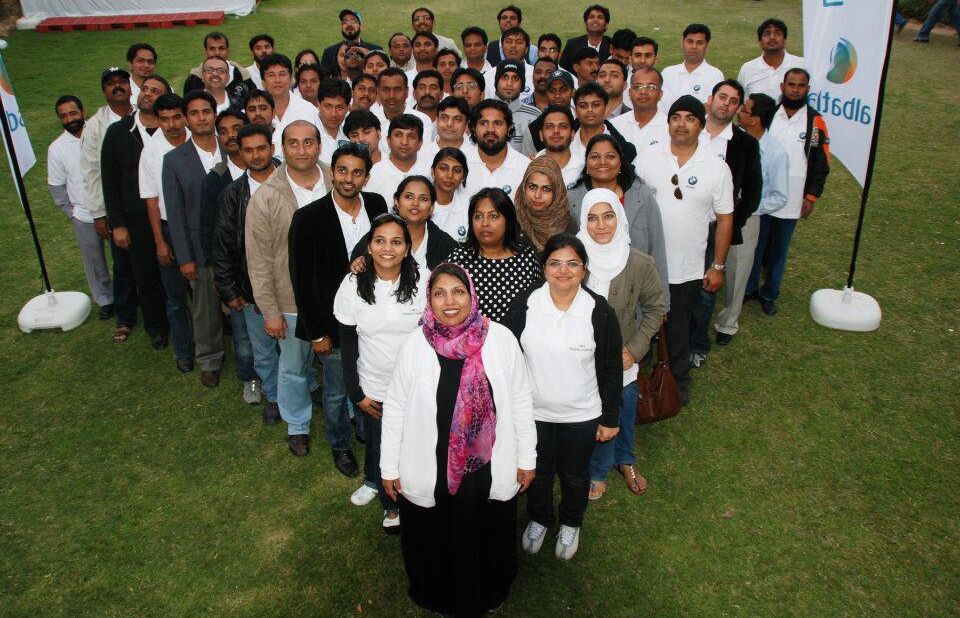
The training room had been her sanctuary, the place where she had first discovered her voice and her purpose. But over time, Dr. Sabiha Kazi realised that her influence could not be confined within four walls. It had to spill out into corridors, into conversations, into the quiet moments of mentorship that happen far from formal schedules and PowerPoint slides. Her role had evolved, not because her title had changed, but because her understanding of leadership had deepened. She was no longer just a facilitator of learning; she had become a cultivator of human potential, a weaver of futures that others had not yet dared to imagine.
She had spent years studying the mechanics of organisations, the frameworks of quality management, and the science of human behaviour. But the most profound lesson she learned was this: every person carries within them a reservoir of untapped ability. The tragedy is not that they lack potential, but that too often, no one takes the time to see it.
Dr. Sabiha made it her life’s work to be the one who saw. She looked at employees not through the narrow lens of their current job descriptions, but through the wide aperture of what they could become. She asked not, “What are you doing?” but “What do you want to do? What are you capable of? What would you dare to try, if someone believed in you?”
This philosophy was not abstract theory; it was the living embodiment of her own story. She remembered the importance of having someone believe in her potential before she fully recognised it herself. She carried that memory like a sacred flame, and she dedicated herself to passing it on. She wanted to be for others what her mentor had been for her: a mirror reflecting back the greatness they had not yet recognised.
One of the most visible manifestations of this commitment was her work in developing training champions. She identified individuals across the organisation who possessed the raw materials of a great facilitator: the empathy to connect, the patience to explain, and the credibility to be trusted by their peers. Many of these individuals did not see themselves as trainers. They were technicians, engineers, or front-line supervisors who simply wanted to do their jobs well. But Dr. Sabiha saw more. She invested in them, offering guidance, encouragement, and the opportunity to grow. She helped them build their confidence, refine their communication, and take ownership of learning within their teams. In doing so, she created a distributed network of development, a system where knowledge flowed not from the top down, but organically, from peer to peer.
The results were remarkable. Many of these training champions later transitioned into full-fledged Learning and Development roles, some within multinational corporations. They carried with them the skills and the philosophy she had instilled, spreading her impact far beyond the boundaries of Albatha Group. When the internal audit department once flagged this as a concern, pointing out that her efforts were contributing to employee attrition, she responded with a perspective that was both radical and deeply humane. She did not view their departure as a loss; she viewed it as a triumph. She had helped them grow to the point where they could seize larger opportunities. Their success was not a failure of retention; it was a proof point of the quality of the learning culture she had built. For Dr. Sabiha, development was never about ownership. It was about liberation.
This philosophy was not born of naivety; it was born of a profound understanding of leadership. She knew that organisations are not static entities; they are living ecosystems of human beings who evolve, grow, and sometimes move on. Her job was not to chain them to their desks, but to equip them for the journey, wherever it might lead. She believed that a leader’s true legacy is not measured by the number of people who stay, but by the number of people who leave better than they arrived. She took pride in the alumni of her programmes, in the leaders she had helped shape, in the careers she had helped launch. Their success was her success, even when it took them beyond her direct influence.
"Titles faded; love remained. She discovered that true success is measured in the hearts we hold, not the honours we earn."
Phase 9 : The Heart Behind the Leader
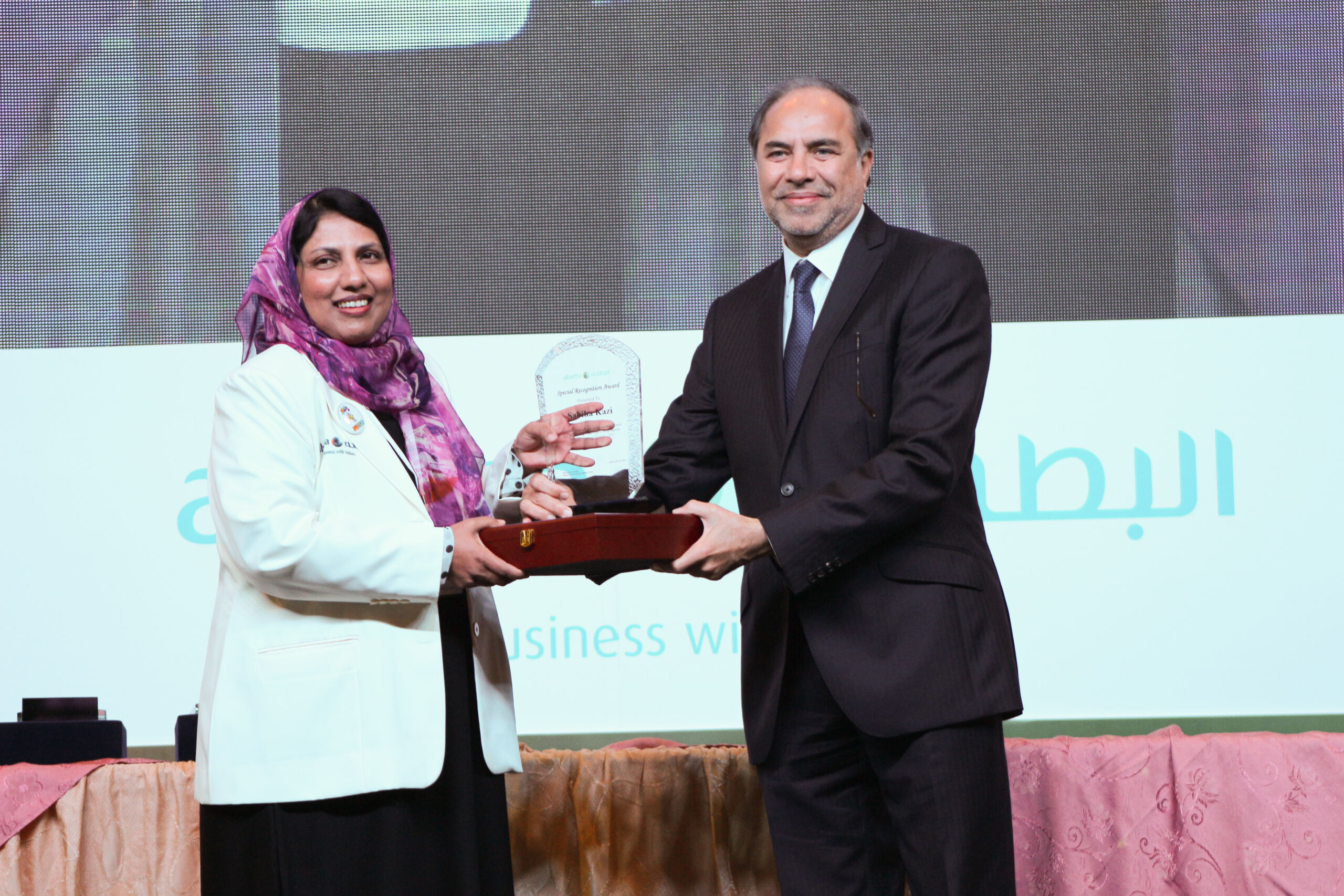
There comes a moment in every extraordinary life when the noise of accomplishment fades and a quieter truth emerges. Titles lose their lustre. Milestones recede into the background. And what remains is something far more enduring: the echo of lives touched, the whisper of gratitude from those who were lifted along the way. For Dr. Sabiha Kazi, that moment has arrived not as a conclusion, but as a revelation. She has spent decades building a career, shaping systems, and developing talent. But she knows, with the clarity that only experience can bring, that her true success has never been measured by the positions she held. It has always been measured by the hearts she has reached, the values she has lived, and the family she has held close through every storm.
That understanding became the North Star of her career. She never forgot that behind every employee number, every performance metric, and every organisational chart, there was a human being with dreams, fears, and the quiet hope of becoming something more.
Her leadership was never about authority. It was about empathy. She approached every interaction with the same curiosity and compassion that had defined her since childhood. She listened more than she spoke. She observed more than she judged. She believed that every person carries within them a story, a struggle, and a strength that may not be immediately visible. Her gift was the patience to uncover those layers, to meet people where they were, and to guide them, gently and persistently, toward where they could be. She did not impose her vision on others; she helped them discover their own.
But her professional journey was never separate from her personal one. The two were braided together, each informing the other, each giving the other meaning. Her family remained the beating heart of her existence, the reason she woke each morning with purpose and the source of her deepest pride. Her daughters were not merely the beneficiaries of her sacrifices; they were the co-authors of her story. Every professional risk she took, every late night she spent studying, every challenge she accepted, was animated by the desire to create a life of stability, dignity, and boundless possibility for them. She did not just provide for them; she built a world where they could thrive.
And thrive they have. Today, her family stands as a living monument to her devotion. Her daughters have grown into women of strength and character, carrying forward the values she instilled in them. Her grandchildren, three precious souls, are the joy that fills her later years with laughter and light. They represent the continuation of a legacy, not of wealth or status, but of resilience, love, and the unshakeable belief that family is the truest foundation of any meaningful life. When she looks at them, she sees not just the future, but the fulfilment of every promise she made to herself in the darkest days of her past.
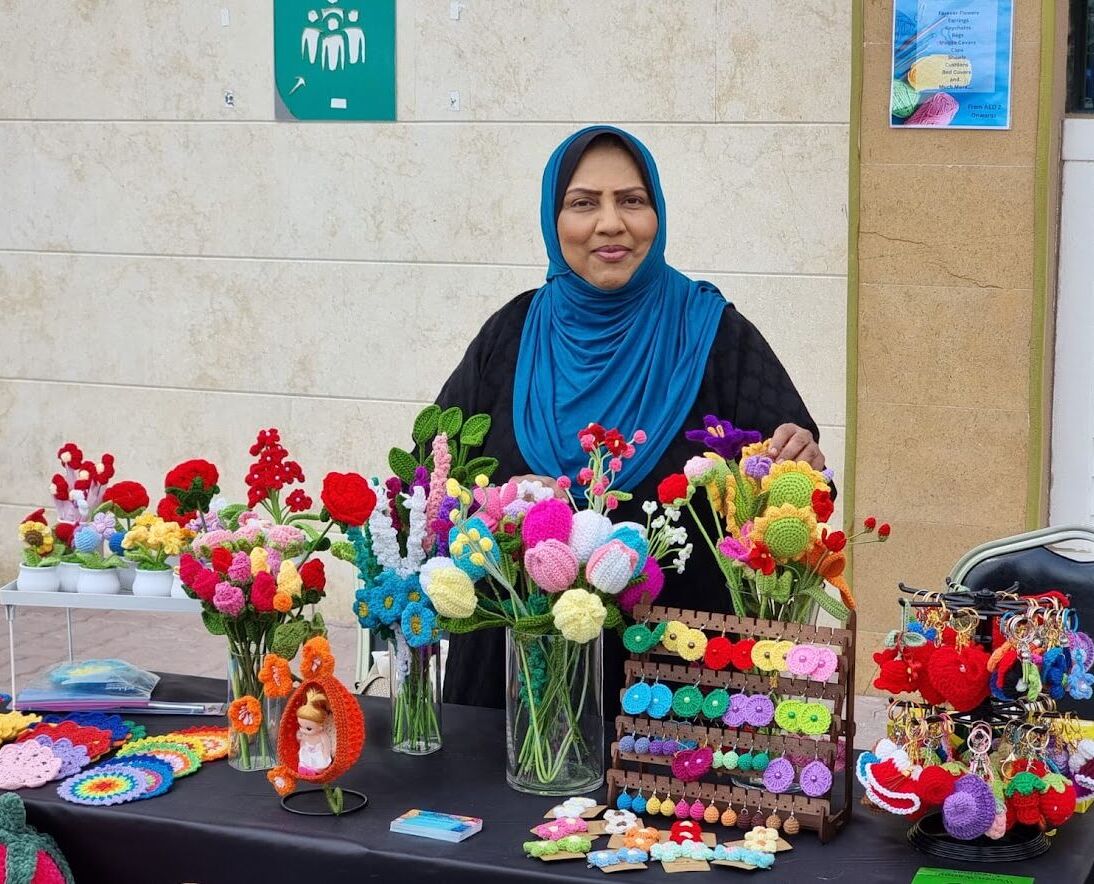
Yet even amidst the demands of her career and the responsibilities of motherhood, Dr. Sabiha never lost sight of the importance of balance. She found solace in the quiet rhythms of creativity, in the simple, meditative art of crochet and knitting. These were not just hobbies; they were acts of renewal, moments when the world slowed down and she could reconnect with the patient, careful hands that had once held her siblings, her children, and her dreams. In the loops of yarn and the patterns of thread, she found a different kind of mastery, one that required no validation, no recognition, and no applause. It was a reminder that she was not only a leader and a provider, but also a woman who found joy in the small, beautiful act of creating something with her own hands.
"Her story does not end with her. It continues in every person she lifted, every door she opened, every life she changed."
Phase 10 : The Unfinished Story
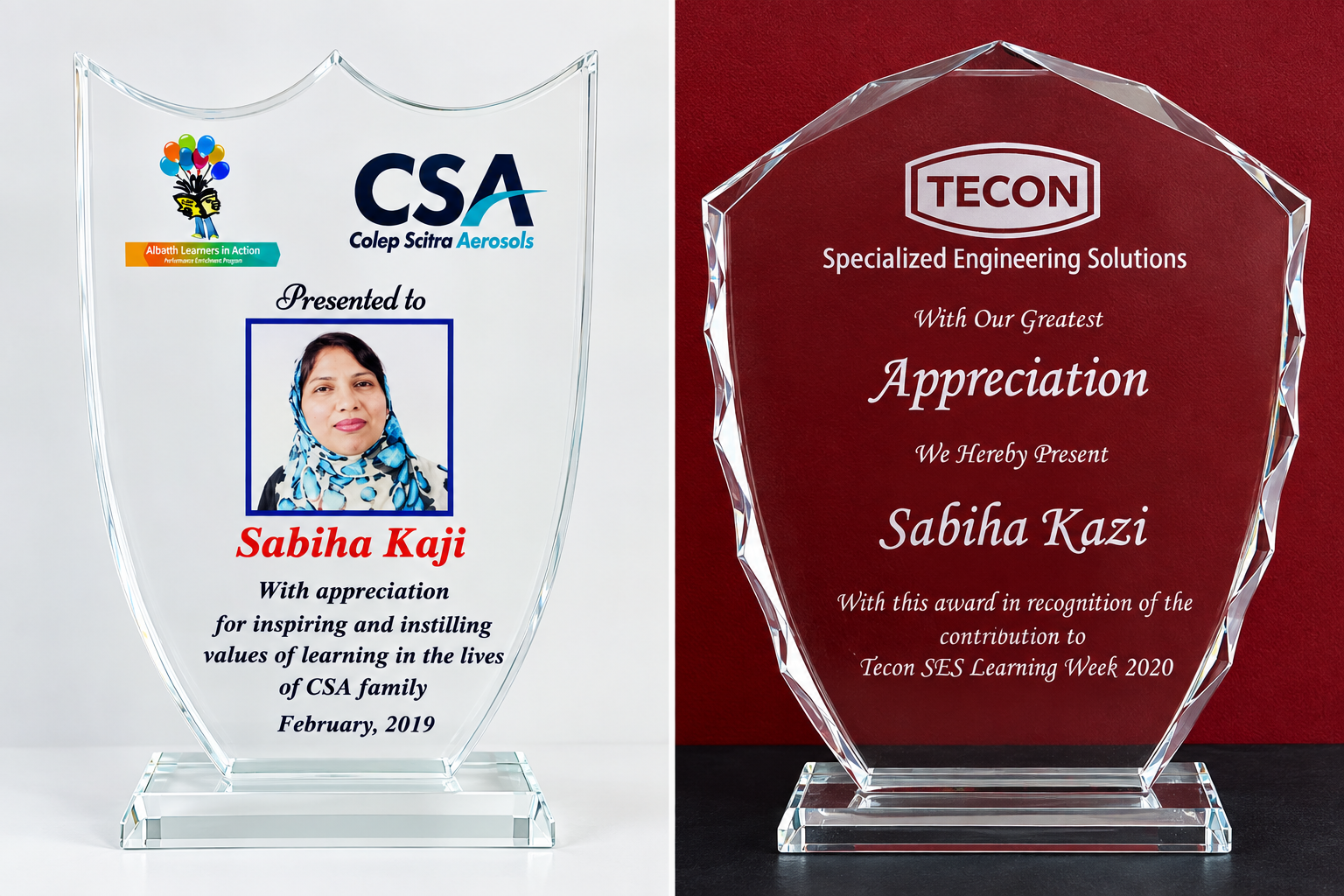
Every journey, no matter how extraordinary, eventually reaches a threshold where the focus shifts from building a path for oneself to strengthening the paths of those who will follow. For Dr. Sabiha Kazi, this transition was not a deliberate decision; it was the natural flowering of a life spent in service to others. Her story has never been confined to the boundaries of professional achievement or personal triumph. It has always been animated by a deeper current, a quiet, persistent commitment to growth, contribution, and the sacred responsibility of helping others recognise the power within themselves.
As she looks back across the vast landscape of her life, she sees not a series of disconnected events, but a single, unbroken narrative. The young girl in Agra who refused to accept easy answers, the daughter who stepped into the role of a second mother, the grieving widow who rebuilt her world from the ashes, and the professional who entered an office without knowing how to turn on a computer, they were all the same person.
They were all Dr. Sabiha. Each phase, with its unique trials and triumphs, contributed to the architecture of her character. Each challenge deepened her understanding of courage. Each lesson refined her ability to lead. And each experience reinforced her conviction that the truest purpose of any life is to lift others as you rise.
For her, learning has never been a finite goal, a box to be checked, or a certificate to be framed. It has been the very oxygen of her existence. She has approached every stage of her life with the same insatiable curiosity that defined her childhood, the same willingness to step into the unknown, and the same courage to admit when she did not know something and then set about learning it. This mindset, this relentless pursuit of understanding, became the engine of her transformation. It carried her from the uncertainty of her first professional role to the confidence of corporate leadership. It allowed her to embrace quality management systems, to master the intricacies of HR, and to become a coach capable of guiding others through their darkest moments. She never stopped learning, and in doing so, she never stopped growing.
Her career within Albatha Group became the most visible expression of this philosophy. Through her work in Learning and Development, she created not just programmes, but possibilities. She designed initiatives that equipped employees with the skills they needed to excel, but more importantly, she cultivated an environment where people felt safe to grow. She understood that true development is not about filling a knowledge gap; it is about building the confidence to bridge that gap yourself. She gave people permission to ask questions, to make mistakes, and to try again. She created spaces where potential could be discovered, nurtured, and unleashed.
The impact of her work, however, cannot be captured in statistics or spreadsheets. It lives in the quiet testimonials of those who credit her with changing their lives. It lives in the professionals who advanced because she recognised their abilities before they did. It lives in the training champions she developed, many of whom went on to lead Learning and Development functions in multinational organisations. It lives in the individuals who found the courage to pursue new careers, to take on greater responsibilities, and to believe in their own worth because someone, Dr. Sabiha, had believed in them first.
This perspective was shaped, more than anything else, by the influence of her father, the late Abdul Khaliq Golandaz. His belief in her became the bedrock upon which she built her entire life. He did not simply tell her she was capable; he showed her through his unwavering trust, his patient guidance, and his refusal to let her settle for less than she deserved. The principles he instilled, the importance of using time wisely, the discipline of protecting one’s energy, and the clarity of focusing on the long view, became the coordinates by which she navigated every challenge. His legacy lives on in her, not as a memory, but as a living force that continues to guide her actions and inspire her generosity.
Note of Thanks
Throughout her extraordinary journey, Dr. Sabiha Kazi has carried within her heart a quiet, enduring river of gratitude. She understands, with the clarity that only a life fully lived can bring, that no story is written in isolation. Every chapter of her narrative has been shaped by the hands that held hers, the voices that guided her, and the love that never let her fall. This is her tribute to those who made her story possible.
First and foremost, she bows her head in profound gratitude to God Almighty, the source of every blessing, the anchor in every storm, and the light that guided her through seasons of both shadow and sunshine. Her faith has been her sanctuary, the quiet whisper that reminded her, even in her darkest hours, that she was never truly alone. It gave her the courage to rise when rising seemed impossible and the grace to embrace every opportunity that came her way.
Her deepest, most tender appreciation flows toward her parents, the late Abdul Khaliq Golandaz and the late Zakiyunnisa Golandaz. Their love was the soil in which her character took root. Their sacrifices were the water that nourished her dreams. The values they instilled, not through grand speeches but through the quiet, consistent example of their lives, became the moral compass that guided every decision she ever made. She carries their legacy not as a memory, but as a living force within her.
A special place in her heart, warm and eternal, belongs to her daughters, Shehnaz and Mumtaz; her son-in- law, Suhail; and her beloved grandchildren, Shabaz, Hiba, and Shayaz. They have been her greatest joy, her proudest accomplishment, and her most constant source of inspiration. Their love, patience, and constant belief in her sustained her through the most demanding chapters of her life. They reminded her, again and again, that family is not just a part of life; it is life itself.
A significant part of Dr. Sabiha Kazi’s professional journey has been shaped by Albatha Group, an organisation that provided her with opportunities to grow, learn, contribute, and lead. She remains deeply grateful to the owners and members of the Albatha family, the Board, Group leadership, CEOs, senior leaders, colleagues, and employees across the Group for their trust, encouragement, and support throughout her journey. Every initiative she was privileged to lead, and every milestone achieved was made possible because of the people who believed in the purpose, shared their knowledge, contributed their time, and worked alongside her with commitment and dedication. The environment of trust and collaboration at Albatha Group allowed her to transform ideas into meaningful initiatives and create platforms that supported learning, development, and growth. For her, Albatha Group has been much more than a workplace. It has been an important chapter of her life, a place where she had the privilege of developing people, building lasting relationships, learning from remarkable individuals, and contributing towards a culture of continuous improvement. She carries immense gratitude for the experiences, friendships, opportunities, and memories that became part of this journey. She remains especially grateful for the trust and support extended during challenging periods, including the COVID- 19 crisis, when the collective commitment of Albatha Group’s leadership, HSE teams, and employees reflected the organisation’s deep-rooted values of care, responsibility, and humanity. She will always remain thankful for the confidence placed in her and for the opportunity to contribute, in her own way, to the growth of its people and the continued legacy of Albatha Group.
She also extends her heartfelt gratitude to the many teachers, mentors, leaders, colleagues, friends, and well- wishers who crossed her path and left their mark on her soul. Each one, in their unique way, contributed to the woman she became. Some offered guidance when the road was unclear. Others offered encouragement when her spirit faltered. And some simply believed in her potential when she had not yet learned to believe in herself. To every single one, she offers her deepest thanks.
She is equally grateful to those who encouraged her to preserve her memories and share her experiences through these pages. Their insistence gave her the courage to open her heart, to revisit both the pain and the triumph, and to present her story with honesty, dignity, and profound gratitude. This biography exists because they believed it mattered.
Finally, she extends her appreciation to every reader who takes the time to walk alongside her journey. She hopes that within these pages, you will find courage during your moments of difficulty, hope when circumstances feel overwhelming, and the determination to continue moving forward, no matter how heavy the burden. Her story is not simply her own; it is an offering, a reminder that resilience is possible, purpose is achievable, and every life, no matter how fractured, can be rebuilt into something beautiful.
Her sincere thanks to Ajmal Group, who gave her the first break in her professional career and stood by her at the most crucial juncture of her life. For Dr. Sabiha, the true value of a life story lies not only in remembering the past, but in inspiring others to believe in their own possibilities. This is her prayer, her hope, and her gift to you.
thanks,
– Dr. (H.C.) Sabiha Kazi

AIMLAY is a leading global education platform empowering ACADEMIC and EXPERIENTIAL learners, uniquely focused on recognizing knowledge gained through experience and building a diversified community of doctorates and aspiring researchers.
Contact Details:
Phone: +91-98216-64888 / +1-575-205-1311
Email: [email protected]