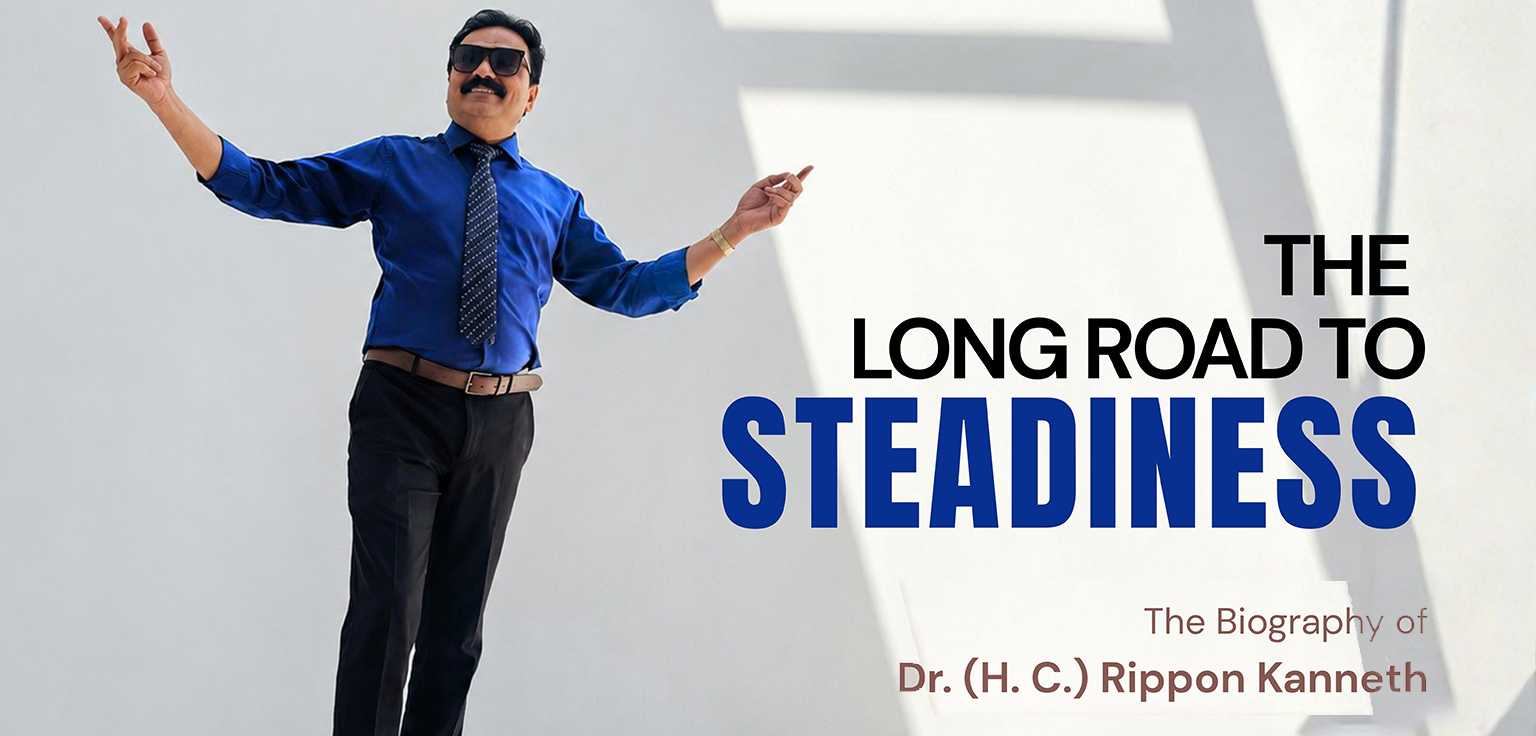
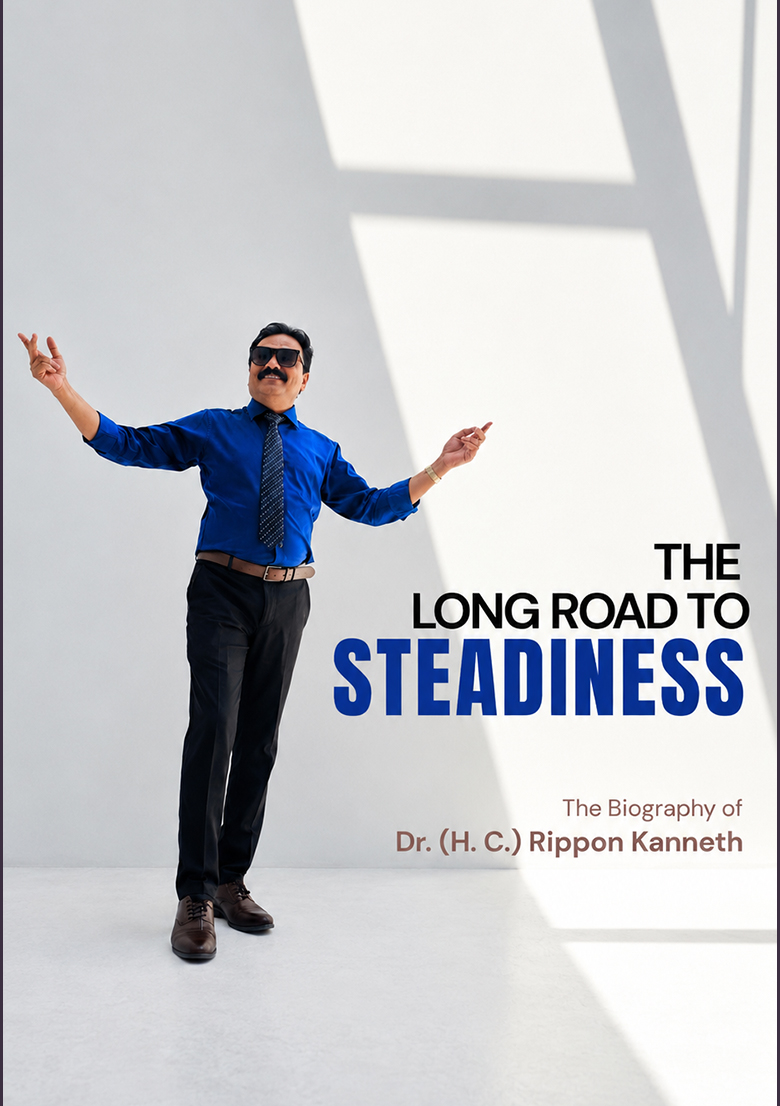
“People think success is loud. I learned it’s not. It’s the silence after a hard day. It’s showing up when you feel like quitting. It’s the slow, boring work of staying steady when nothing is certain.”
Introduction
Not every journey starts with a clear map. Some just take shape slowly, almost without you noticing, as life moves along. That’s exactly how Dr. Rippon Kanneth’s story grew. It’s not built on sudden decisions or perfect plans. Instead, it unfolded gradually, through real experiences, paying attention, and simply refusing to stop moving forward.
He was born on 31 May 1969 in Kerala and spent his early years in Cochin, where life was simple and family meant everything. Those days weren’t filled with pressure or high expectations. Just a natural ease that let him grow at his own pace. His father served in the Indian Army, a role that naturally brought discipline and responsibility into the home. His mother chose to stay at home, quietly building a steady, caring environment. But what stood out most wasn’t what they demanded from him. It was what they allowed. They gave him space to think, to decide, and to figure things out in his own way.
As he moved into his academic years, his path stayed practical. He finished school in Kerala and went on to earn a Bachelor of Commerce from the University of Calicut. His studies introduced him to business, accounting, and commerce basics, but at that point, they didn’t point toward any fixed goal. Like many his age, he explored different things along the way. He spent some time on intermediate-level ICWA studies, took up computer courses, and even trained in travel and airline services. None of these steps were certain, but each quietly added to his understanding of the world.
His first job came in Kochi, working as an assistant manager. It was a short phase, but it gave him a clear look at what a structured working life felt like. Over time, he started feeling that this wasn’t where he saw himself in the long run. It wasn’t a sudden decision or any kind of frustration. Just a quiet realization that he needed a different kind of path. One where he had more control over what he was building.
That realization eventually led him to the United Arab Emirates. Moving to a new country brought its own set of challenges. A different environment, a different pace, and even basic communication wasn’t always easy. Sometimes, language was a real wall, especially when dealing with people who didn’t speak English. But instead of holding back, he adapted. Slowly, through daily effort and just talking to people, he began to understand and speak Arabic at a conversational level. It wasn’t planned. It just came out of necessity.
“The strongest foundations are not built with pressure, but with space. Space to observe, to understand, and to grow at your own pace.”
Phase 1: Where It All Began: Simple Days, Solid Ground
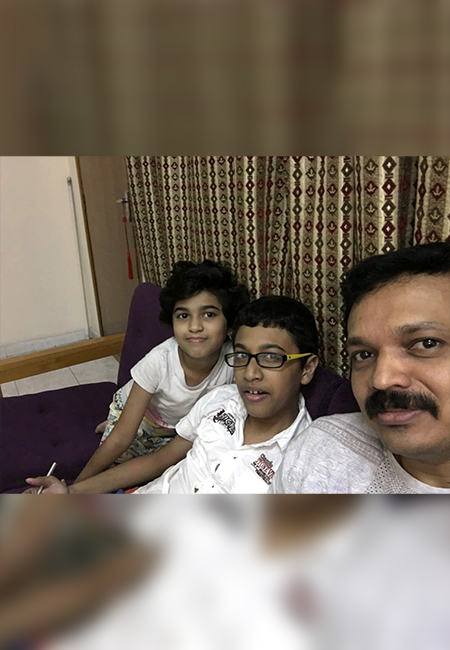
The early life of Dr. Rippon Kanneth began in Kerala, where he was born on 31 May 1969 and grew up in Cochin. Those years weren’t marked by anything flashy or extraordinary on the surface. Yet they carried a quiet kind of completeness, the kind you only really notice much later in life. It was a time when things were simple. Daily routines had their own rhythm. And much of what you learned came without anyone formally teaching it.
At home, there was a natural balance between responsibility and comfort. His father, who served in the Indian Army, brought a sense of discipline that was simply part of who he was. It wasn’t something that needed to be enforced. It just showed up in the way he carried himself. His mother, on the other hand, made sure the home stayed steady and supportive. By choosing to be there for the family, she created a space where things felt secure, where attention was always available, and where life never felt uncertain.
Growing up with his elder sister and brother, he never felt alone in those years. There was a sense of companionship that came naturally, without any effort. They weren’t just siblings in the formal sense. They were part of his everyday world. The time spent together, whether in small routines or shared moments, added a certain ease to his childhood.
What really made a difference, though, wasn’t just the environment. It was the absence of pressure within it. There were no constant reminders of what he should become or how he should live his life. He wasn’t guided through strict expectations. Instead, he was given space. Space to observe, to understand, and to make sense of things in his own way. At that stage, it may not have felt significant. But over time, that freedom slowly turned into confidence.
His schooling followed a steady path. There were no major interruptions, no defining challenges that changed the course of things. He moved through his studies at a natural pace, without difficulty. Learning was just part of his routine, not something that stood apart from it.
“The greatest gift you can give a child is not direction, but trust. Trust that they will find their own way. And the space to prove it.”
Phase 2 : The Gift of a Childhood Without Pressure
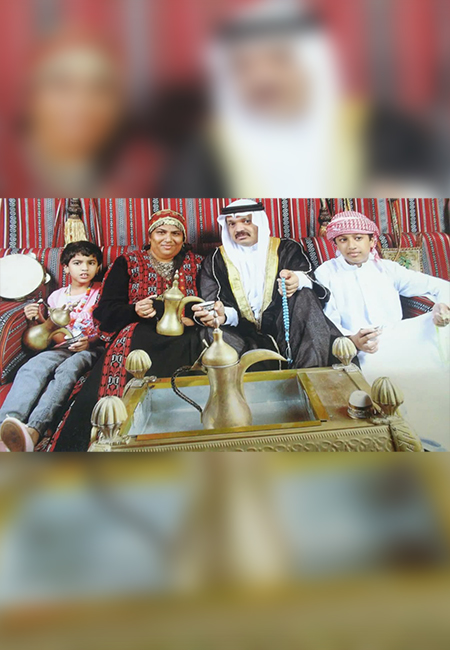
If the early years of Dr. Rippon Kanneth were the backdrop, this phase is really the heart of the story. This is when childhood actually felt like childhood. No rush. No pressure. Just life moving at its own gentle pace. For Dr. Rippon, growing up wasn’t about chasing some big dream or living up to anyone’s expectations. It was simpler than that. Days unfolded naturally. There was time to just be. Time to notice things. Time to laugh, to wander, to sit quietly without anyone asking what he was going to do with his life. Looking back, that might have been the greatest gift of all.
Home was the center of everything. And not because it was fancy or perfectly organized. It was because of the feel of the place. His father, a man who had served in the Indian Army, carried discipline quietly. He didn’t walk around giving orders or turning the house into a military zone. You could just tell he had standards, but he wore them lightly. His mother was different in the best way. She chose to be home, fully present, making sure the house felt like a safe place to land at the end of the day. Between the two of them, they created something rare: guidance without grip, support without suffocation.
Then there were his siblings. An elder sister and an elder brother. They weren’t just relatives you saw on holidays. They were his daily companions. They shared meals, arguments, silences, and small jokes that no one else would understand. Growing up with them meant he never felt like he was navigating life alone. There was always someone nearby. That kind of quiet togetherness stays with you. It taught him, without anyone saying a word, what it means to belong.
What’s striking is how free his childhood felt. Not in a reckless way, but in the way that matters most. No one was constantly measuring him against anyone else. No one was telling him he needed to be first in class or plan his career at twelve. He was just allowed to be a kid. And that freedom didn’t make him lazy or lost. It did the opposite. It gave him room to figure out what he actually liked, not what he was supposed to like.
“You don’t need to have everything figured out. Occasionally, you just gather what you can, stay curious, and trust that the pieces will connect later.”
Phase 3 : Collecting Tools Without Knowing What He’d Build

As Dr. Rippon Kanneth moved beyond his early childhood, his attention slowly turned toward education. But not in a heavy, pressured way. It just felt like the natural next step. There was no dramatic moment where everything changed. No sudden realization that he needed to become something specific. School led to college, and college led to more learning, and that felt perfectly fine to him.
He completed his schooling under the Kerala State Board, and even then, there was a certain ease to it. He wasn’t the kind of student who stayed up all night worrying about exams. Neither was he someone who brushed studies aside. He just found a middle path. Learning became part of his daily rhythm, like eating or sleeping. It fit into his life rather than taking it over. That balance kept him steady through all those years.
When it came time to choose a direction after school, he went with something that made sense to him at the time: commerce. He enrolled in a Bachelor of Commerce program at the University of Calicut. It wasn’t some grand, carefully planned strategy. It just felt right. The subjects he studied, business, finance, and accounting, gave him a structured way to understand how money and organizations worked. And honestly, that kind of knowledge felt useful, even if he didn’t know exactly where it would lead.
University life wasn’t filled with dramatic highs or lows. There were no sudden breakthroughs or major failures. Just steady, quiet progress. He showed up, did the work, and let the learning sink in. Subjects like accounting and cost accounting taught him to be detail-oriented. They weren’t the most exciting things in the world, but they had their kind of satisfaction. There’s something calming about numbers that add up, about ledgers that balance. And somewhere along the way, that precision became part of how he thought.
Note of Thanks
Putting this biography together was not a quick thing. It took patience, trust, and a willingness to sit with the story until it felt right. Dr. Rippon’s life was not built in a day, and this telling of it could not be either. It came together slowly, piece by piece, the same way his journey actually happened. And in that process, there were so many people who mattered. So many hands, seen and unseen, that helped shape the path this book tries to follow.
First and always, his family. His father, who wore the Indian Army uniform with quiet dignity, and his mother, who chose to be present every single day, building a home that felt safe and steady. They did not hand him a roadmap. They did not tell him exactly what to do or who to become. What they gave him was better. They gave him trust. They gave him space. They let him grow at his pace, make his own mistakes, and find his own way. That kind of upbringing does not announce itself loudly, but it leaves lasting marks. His wife, Vinitha, and their children carried that same quiet strength into the present. They were the anchor when work got heavy, the calm when everything else felt chaotic. Without them, the story would have been very different. Empty, maybe. Their presence in the background, steady and unfailing, made all of it possible.
Then there were the people who became part of his journey in the United Arab Emirates. That chapter of his life was not easy. A new country, new rules, and new ways of living. But the environment there, as demanding as it was, shaped him. It forced him to adapt, to learn, and to grow in ways he had never expected. The struggles were real. The loneliness, the confusion, the days when nothing felt familiar. But those struggles became his teachers. And the people he met along the way, even those whose names may never appear in any book, they mattered too. A kind word here, a small help there. Little things that added up over time.
RAK Bookshop deserves its own mention. Not because it is large or widely known, but because of what it represents. Years of showing up. Years of staying consistent when it would have been easier to walk away. Years of holding on when things were uncertain. That shop is not just a place that provides books and supplies. It reflects persistence. Every customer who trusted him, every small step that kept things moving, every quiet day that became a quiet year. All of it mattered. All of it built something that could last.
And finally, Dr. Rippon himself. This work would not exist without his willingness to share his story as it is. Not polished, not exaggerated, just real. A journey with effort, setbacks, and moments of doubt. He did not try to present himself as anything more than what he is. And that honesty is what made this story worth telling. His life does not demand attention, but it offers something meaningful. A reminder that progress does not need to be loud and that resilience often lives in the quiet act of continuing.
This biography is a small attempt to honor that journey. Not to elevate it beyond what it is, but to reflect it with honesty, respect, and gratitude for every person, every moment, and every experience that helped shape it.
Thanks,
– Dr. Rippon Kanneth