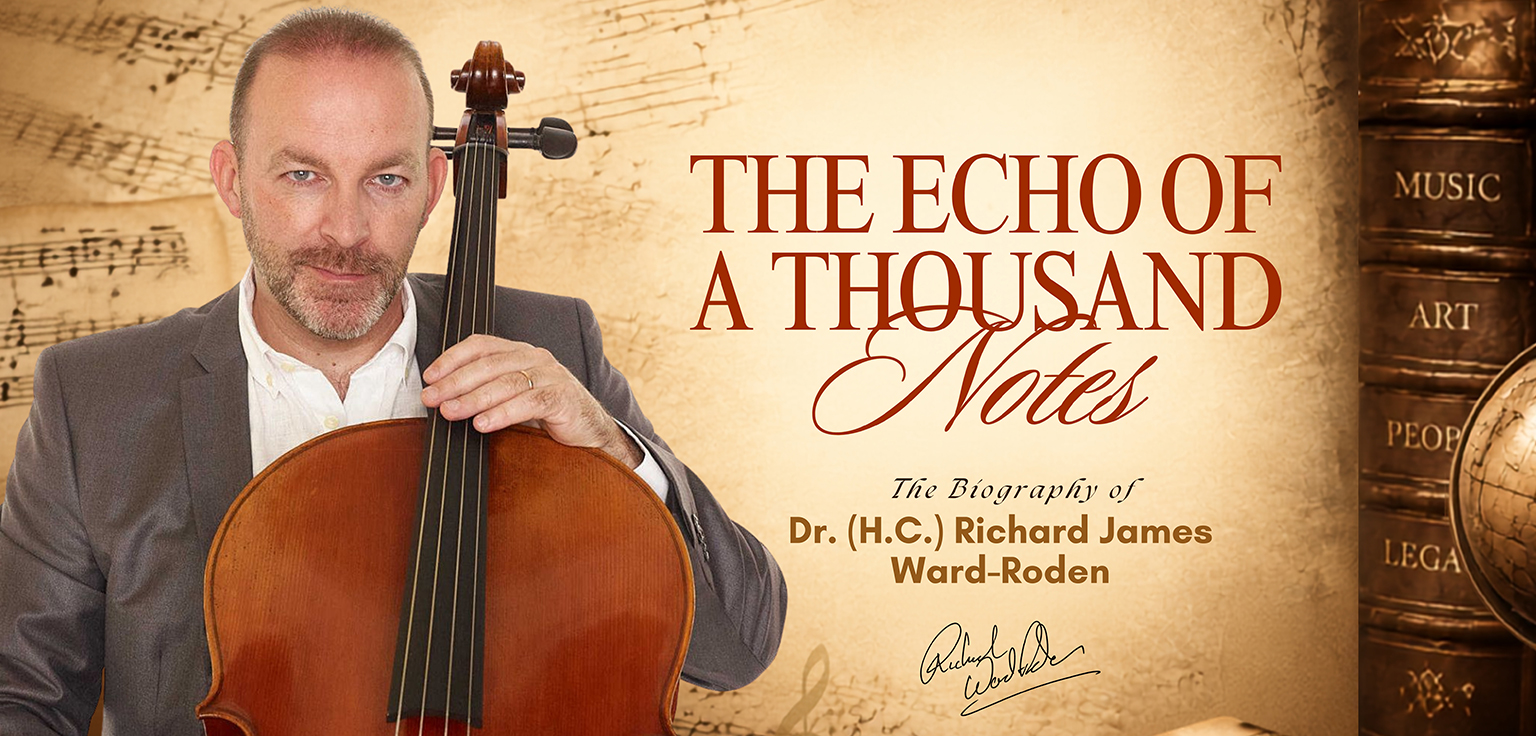
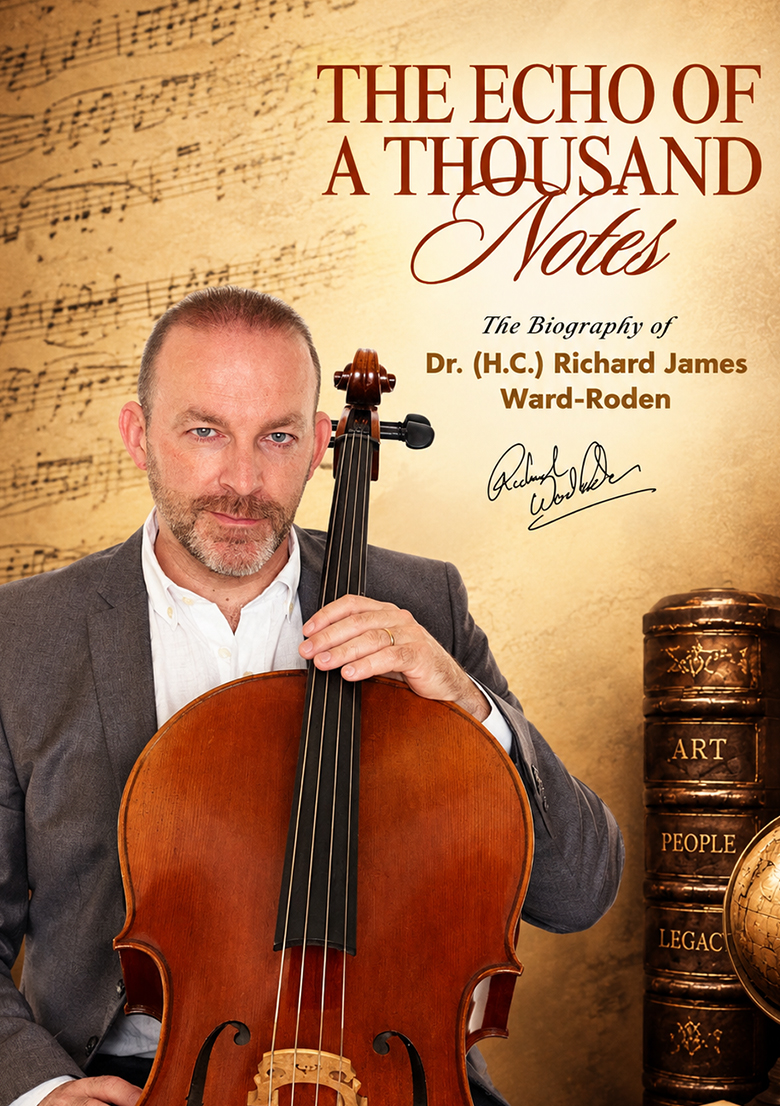
“I began with a cello and a question. I built a life on the answer. Creativity is not meant to be kept. It is meant to be passed forward, like aflame that refuses to die.”
Introduction
At the very heart of Dr. Richard James Ward-Roden’s story beats a single, unwavering belief. Creativity is not something to be contained, hoarded, or guarded. It is something to be shared, nurtured, and passed forward like a flame from one pair of hands to the next. Today, standing at the intersection of arts education and a rapidly accelerating technological world, he continues to wrestle with one of the most urgent questions facing future generations. How can human creativity remain at the centre of progress, not as an afterthought, but as its driving force?
As Director of Arts Education at HD Shanghai, Dr. Richard is not merely administering programmes. He is cultivating a vision for the arts that transcends individual disciplines, that refuses to be boxed into neat categories. His work reflects a profound understanding that music, performance, and artistic expression are never simply about technical ability. *Ille}’ are about communication, the fragile bridge between souls. They are about collaboration, the quiet miracle of many becoming one. They are about confidence, the hard-won belief that your voice deserves to be heard. And they are about connection, the thread that binds us to one another across every divide. In a world where technology continues to transform how people access information and create, he holds fast to a conviction. Qualities that make us human — our creativity, our interpretation, our emotion, and our imagination, remain irreplaceable. They occupy a unique space that cannot be measured by knowledge alone or reduced to mere skill.
Yet this vision, so carefully constructed and so confidently held, was not born in a modern educational environment. It did not emerge from strategy documents or institutional frameworks. It began decades earlier, in a young boy’s first, tentative encounters with music.
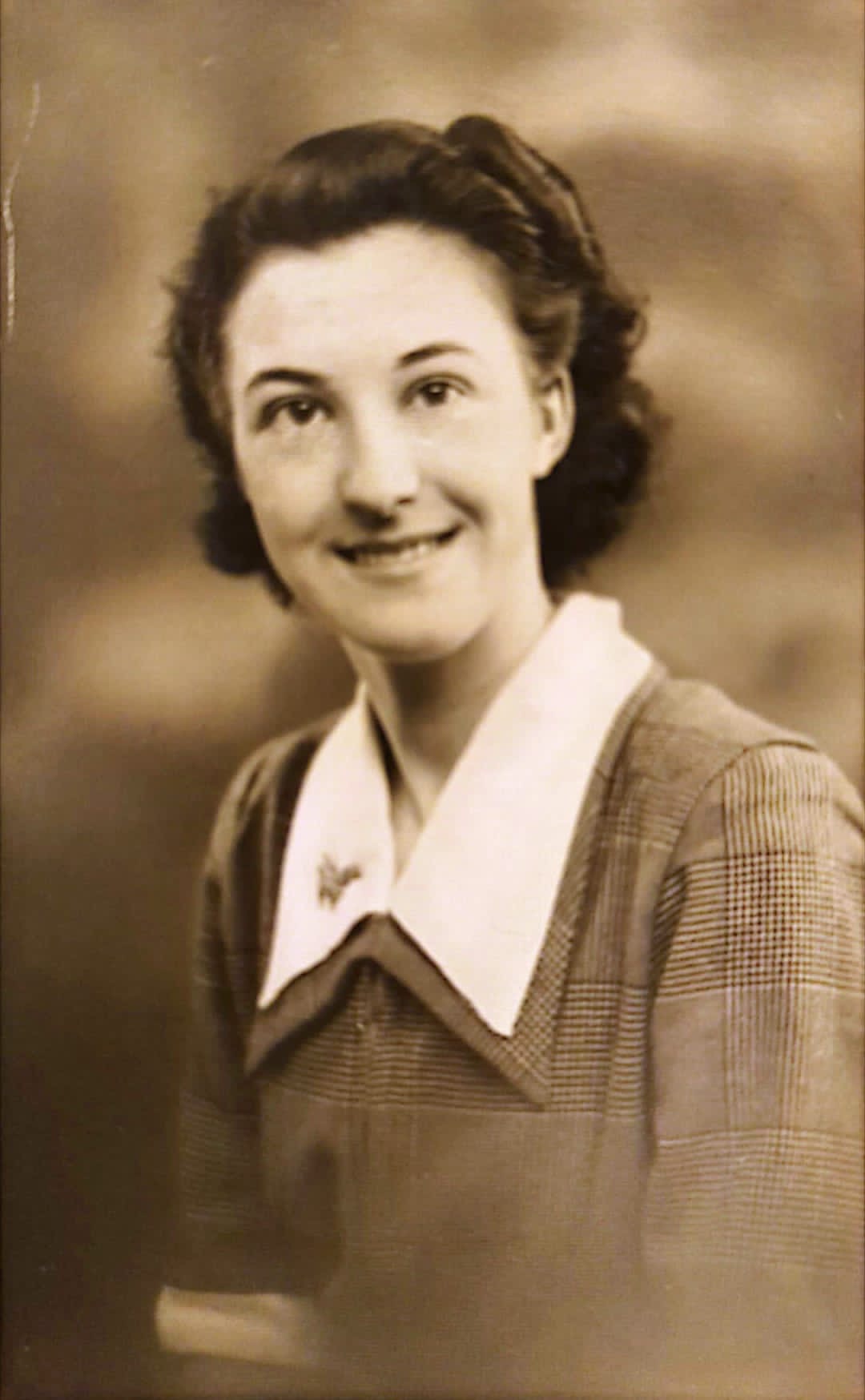
Born on 1 September 1968 in Moxley, United Kingdom, Dr. Richard grew up in a world where music gradually became a meaningful presence, a quiet companion in an otherwise ordinary childhood. His connection with the art form was shaped by his family, particularly through his mother Dorothy, whose appreciation for the arts helped nurture his early curiosity. musical heritage within his family provided an important backdrop, a soft hum beneath the surface of his daily life. But the defining moments came through experiences that allowed him to understand music not merely as sound, but as a form of storytelling, a language that could speak when words failed.
From an early age, he discovered something transformative. Music had the power to create images, to summon emotions, and to forge connections across silence. That understanding would become the cornerstone of a lifelong relationship with the arts. However, like all meaningful paths, his development was not carved by talent alone. It was shaped by the people who Saw his potential before he could see it himself, who recognised the spark and chose to fan it into flame.
Among those influential figures was Mrs. Griffiths, an early music teacher who helped introduce him to the world of musical expression during his childhood years. She was among the first to open a door. Later, after moving to Shropshire at the age of 11, another significant influence entered his life. Mary Allen became an important influence during his early development, encouraging his musical curiosity and helping him take his first steps towards a deeper understanding of music.
“In a world racing toward automation, the human heart remains the one thing technology cannot replicate.”
Phase 1: Standing at the Crossroads of Art and Innovation
We stand at a remarkable crossroads. The worlds of creativity and technology are no longer separate spheres. They are converging, intertwining, reshaping everything we thought we knew about how art is made, how it is taught, and how it is experienced. At this very intersection stands Dr. Richard James Ward-Roden, a man whose decades of artistic experience have prepared him for exactly this moment. He is not merely observing the change. He is shaping it.
As Director of Arts Education at HD Shanghai, his focus is clear. He is developing an environment where the arts continue to evolve, where they embrace the possibilities of the future, while preserving the very qualities that make them deeply, irreplaceably human. His work is anchored in a belief that creativity cannot be reduced to information, to technique, or to measurable Output alone. It lives in interpretation, in the quiet space between the notes. It lives in emotion, in the trembling vulnerability of a performance. It lives in imagination, in the audacity to see what does not yet exist. And it lives in communication, in the sacred act of reaching across silence to touch another soul.
For Dr. Richard, arts education has never been simply about teaching individuals how to perform. That would be too narrow, too limiting. It is about creating opportunities for people to discover their own abilities, to develop the quiet confidence that comes from finding your voice, and to understand the profound value of expression itself. His perspective has been forged over a lifetime spent within music. First as a student, fumbling toward his own sound. Then as a performer, commanding the stage. •lhen as a conductor, shaping chaos into harmony. And finally, as an educator and mentor, standing beside others as they discover their own path.
At HD Shanghai, his focus extends far beyond individual artistic disciplines. He is working towards building a wider vision for arts education, one that recognises the importance of creativity in a rapidly changing world. The growing influence of artificial intelligence, the relentless march of digital transformation, these developments have created new and urgent questions about the role of human creativity. For Dr. Richard, these forces do not diminish the importance of the arts. Quite the opposite. They highlight why creativity, why emotional understanding, why collaboration, and why personal expression remain more essential than ever. They are the qualities that machines cannot replicate. “Ihey are the qualities that make us who we are.
“Every musician stands on the shoulders of those who believed before they had any reason to.”
Phase 2 : The Hands That Shaped a Future Maestro

Long before Dr. Richard James Ward-Roden stood on professional stages, before he raised a baton to lead musicians, before he shaped the future of arts education, his development began with something far more personal. It began with the presence of people who noticed his curiosity and chose to encourage it. His early relationship with music was not forged through ambition alone. It grew through the quiet, steady support of teachers and mentors who understood that nurturing a young person’s interest could become the foundation for something much greater.
One of the earliest influences in this formative period was Mrs. Griffiths, his music teacher in the Midlands. At a time when music was still an exploration rather than a defined path, she helped create an environment where his interest could take root and stretch toward the light. Through her guidance, music became something active and engaging. It was no longer a distant appreciation. It became a participation, a joyful involvement, a connection forged through rhythm and melody with others. Her influence represented one of the first moments when music moved beyond being something he simply enjoyed and became something he could truly engage with, something that demanded his attention and rewarded his effort.
The encouragement he received during these early years helped him understand a fundamental truth. Music was not only about listening or appreciation. It was about involvement, about expression, and about the quiet thrill of discovery that comes when you realise you can create something beautiful.
At the age of II, another significant change entered his life. His family moved from the Midlands to Shropshire. Leaving behind a familiar environment brought its own adjustments, its own small griefs and uncertainties. But this transition also became an important turning point in his musical development. In his new surroundings, he encountered opportunities that allowed his interest in music to grow further and opened the way for deeper exploration.
It was during this period that Mary Allen became one of the most important figures in his life. Her influence extended far beyond the traditional role of a teacher. For Dr. Richard, she became a guiding presence, a steady hand, and a deeply supportive figure who helped shape not only his musical abilities but also his confidence and his belief in what he could achieve.
She introduced him to the cello, an instrument that would become central to his identity as a musician, an extension of his very voice. However, her contribution went far beyond teaching technique. She encouraged his development, supported his progress through every misstep, and helped him understand that music was not simply about learning an instrument. It was about finding a personal voice, about discovering a way to communicate through sound when words were not enough.
The relationship they built became one of lasting significance. Over time, Mary Allen came to represent the kind of mentor who leaves an influence that extends far beyond individual lessons. She showed him the value of patience, the power of encouragement, and the transformative nature of belief. These qualities would later become central to his own approach when supporting students and musicians. He learned from her example, and he carried that example forward.
“Starting the cello at fourteen taught me that the starting line matters less than the courage to keep running.”
Phase 3 : A Late Beginning That Became a Lifelong Symphony
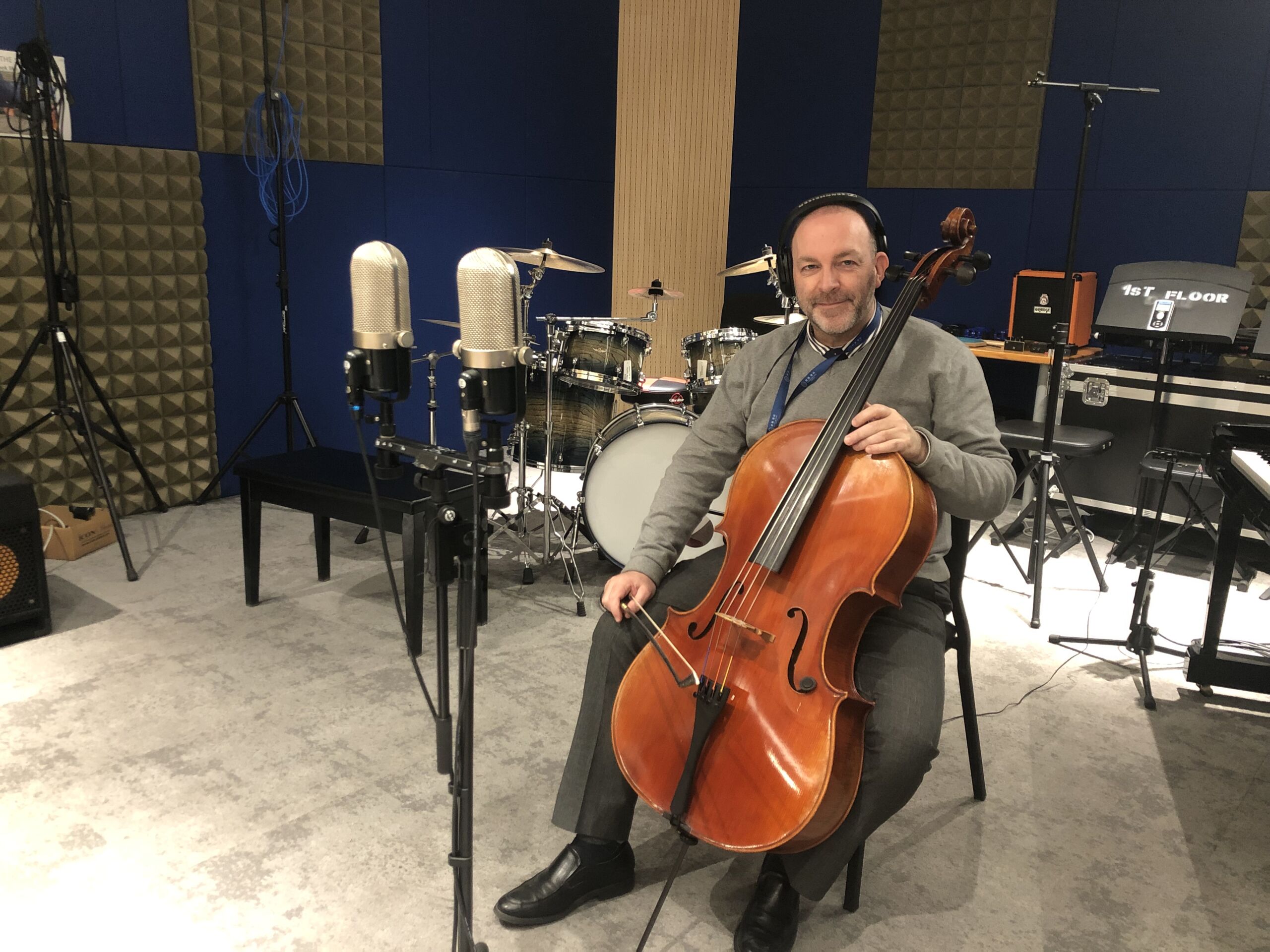
For Dr. Richard James Ward-Roden, the cello was never simply an instrument he learned to play. It became the vessel through which he discovered discipline, the channel through which he found expression, and the mirror that reflected a deeper understanding of himself as a musician. His connection with the instrument began at a stage when many young musicians had already spent years developing their craft, years of scales and studies, years of calluses and quiet triumphs. Starting the cello at the age of 14 placed him on a different path from many of his peers. But it also revealed something essential about his character. He was willing to work. He was willing to listen. And he was willing to dedicate himself fully to growth, no matter how late the start.
By the time he began seriously developing as a cellist, he already carried the influence of the mentors who had encouraged his musical curiosity. Their belief had taken root in him, giving him the confidence to take on a new challenge and commit himself to an instrument that would eventually become central to his identity. The cello offered him not only a technical pursuit but also a new form of communication, one where emotion, interpretation, and personal expression could come together in a single, resonant voice.
His progress was shaped through his involvement with the Shropshire Schools of Music, where he continued developing his abilities and gained invaluable experience performing alongside other young musicians. Through these opportunities, he became part of musical groups that allowed him to experience the discipline and connection Of ensemble playing. Being surrounded by Other musicians taught him a lesson that would never leave him. Music was not created in isolation. It required listening, deep and patient. It required cooperation, the willingness to blend and to yield. And it required an awareness of how individual contributions, each one small and fragile, become part of something larger, something greater than any single player could achieve alone.
The transition from beginner to serious musician demanded commitment of a rare kind. Beginning later than many others meant that he had to progress quickly and develop the skills necessary to compete in demanding musical environments. Rather than viewing his starting point as a disadvantage, he approached it as a challenge that required determination, a puzzle to be solved with patience and grit. Each stage of development became an opportunity to improve, to refine his technique, and to strengthen his understanding of the instrument. He did not complain about the distance he had to travel. He simply began walking.
One of the important figures during this period was Paul Ives, his first professional cello teacher. His guidance helped Richard continue developing beyond the foundations of early learning and move towards a deeper understanding of professional musicianship. Through dedicated practice, through hours of repetition, and through continued learning, Richard began preparing himself for the next stage of his musical education. He was no longer just a student. He was becoming an artist.
The journey from a young cellist discovering the instrument to a musician ready for advanced training was not simply about technical improvement. It was about developing the mindset required for a professional career. He learned that progress came through patience, through consistency, and through the willingness to continue improving even when challenges appeared. There were moments of frustration, no doubt. There were pieces that refused to yield, passages that seemed impossible. But he persisted. He always persisted.
Note of Thanks
Every meaningful journey is shaped not only by individual dedication but also by the people who offer guidance, encouragement, and belief along the way. No one walks their path alone, and Dr. Richard James Ward-Roden knows this better than most. As he reflects on his life through music, performance, and education, he recognises the lasting influence of those who supported his growth and helped shape the musician and educator he became. Their fingerprints are on every note he has ever played.
He extends his deepest gratitude to Ethel Lippitt, whose early guidance introduced him to the world Of music and whose place within his own musical family history made her influence even more meaningful. As his first piano teacher at the age of four, she helped establish the earliest foundation of his lifelong relationship with music. She was there at the beginning, when curiosity was still fragile and talent was still unproven. Her support became part of the foundation upon which his lifelong connection with music was built.
He offers heartfelt thanks to Mary Allen, whose encouragement, patience, and belief played a significant role during his formative years. Her influence went far beyond musical instruction, reaching into the very core of who he would become. She helped him develop confidence and a deeper understanding of the power of mentorship. She was, and remains, his musical mother.
Dr. Richard also acknowledges the guidance of Paul Ives, whose teaching helped strengthen his development as a cellist and supported his progression towards professional musicianship. He is equally grateful to George Hadjinikos, whose mentorship expanded his understanding of conducting and musical leadership, shaping the way he approached collaboration and ensemble direction. Together, these teachers sharpened his craft and widened his vision.
Special appreciation is extended to Eduardo Vassallo, whose influence encouraged individuality, interpretation, and a deeper connection with musical expression. Dr. Richard is also thankful to Stefan Popov, whose mentorship and artistic guidance had a profound impact on his career and continued development as a musician. His time learning from such an accomplished musician reinforced the importance of lifelong learning and artistic curiosity. Stefan taught him that the greatest musicians never stop being students.
He expresses his gratitude to Stuart Calvert, with whom he co-founded the Showbiz Pops Orchestra, creating opportunities for musicians to collaborate and perform within a unique artistic platform. He also recognises Jason Lai for his guidance in conducting development and his contribution to Richard’s growth as a musical leader. These collaborations reminded him that the most rewarding creations are born from shared vision.
Finally, Dr. Richard extends his appreciation to Carlos Lopez-Real, whose guidance during his time at the Guildhall School of Music and Drama supported his completion of the Postgraduate Teaching Certificate in Performance and further strengthened his development as both a performer and educator. Each of these individuals contributed a meaningful chapter to Dr. Richard’s journey. Their guidance, their encouragement, and their shared passion for music became part of the foundation that continues to influence his work in performance, education, and the creation of opportunities for future generations.
Their impact remains present in every student he supports, every ensemble he leads, and every artistic community he helps build. They gave him more than knowledge. They gave him belief. And he has spent his life ensuring that gift never stops giving.
thanks,
– Dr. (H.C.) Richard James Ward-Roden