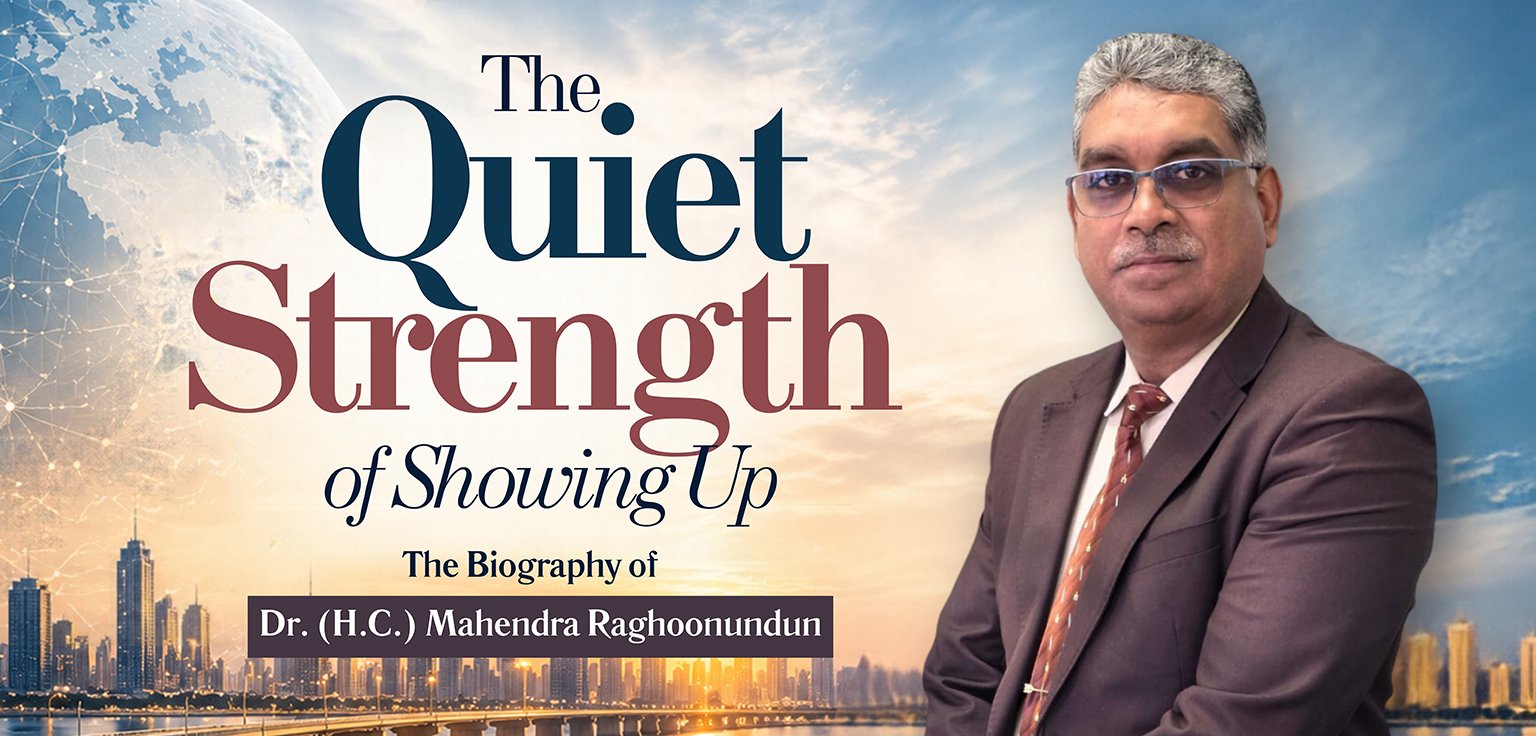
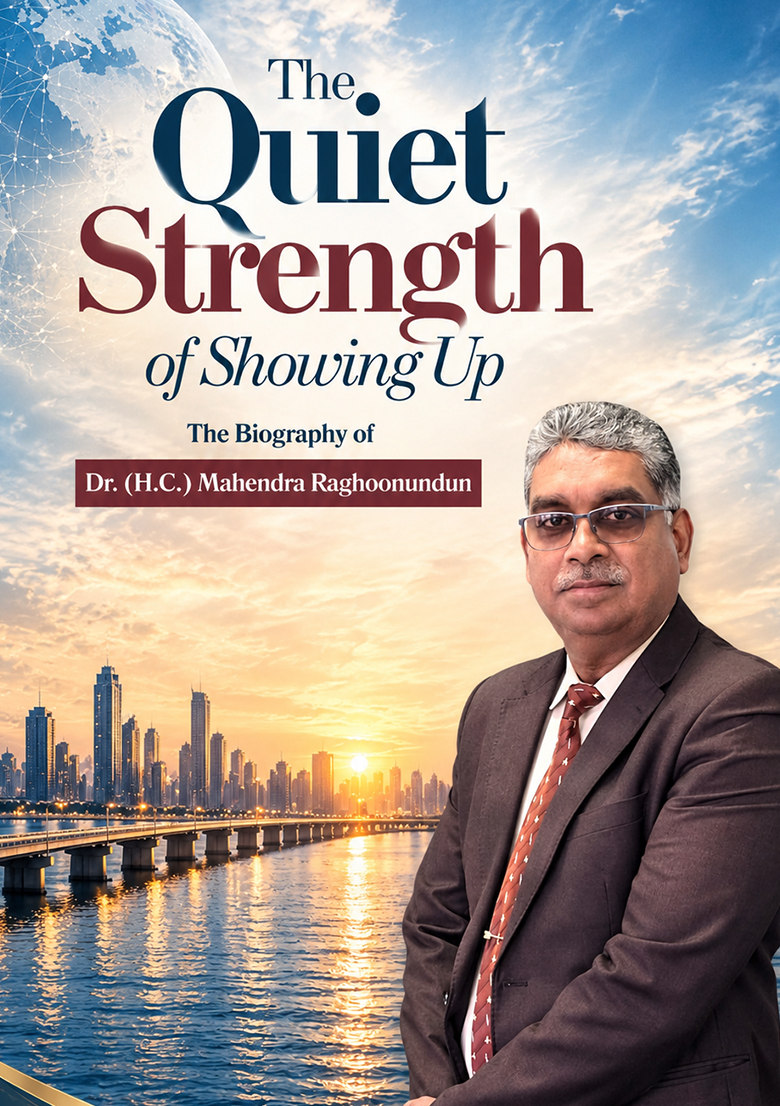
"Some men are shaped by their successes. He was shaped by what he refused to let defeat him."
Introduction
There are careers that advance along predictable lines, and there are others shaped by interruption, reconsideration and the willingness to begin again. The story of Dr. Mahendra Raghoonundun belongs to the latter. His progress did not follow an effortless route from education into professional success. It developed through uncertainty, demanding choices and the gradual discovery that a setback could redirect him without defining him.
As a child, he was drawn to questions. When something stopped working, he wanted to know why. When an object broke, he tried to repair it. He wanted to understand its cause, examine what could be changed and find a solution that would work.
His return to education demanded patience. He worked, saved and studied part time because further learning could not be separated from financial responsibility. In doing so, he became the first in his family to pursue university level studies. His progress through computer studies, followed by a degree in Computing and Information Systems, was not simply an accumulation of qualifications. Each stage represented a decision to keep moving despite fatigue, limited time and institutional disappointment.
Teaching became part of that development. While continuing his own studies and employment, he delivered evening courses to students at different levels. Standing before learners required him to translate technical knowledge into language others could understand. That ability would later become essential as his responsibilities moved beyond systems into people, projects and organisational change.
His transition into the private sector began with training users on document management and information database systems. Repetition soon made him restless, not because he dismissed the value of training, but because he wanted to understand the complete process. He volunteered to assist technical colleagues, learned about installation and deployment, and asked to contribute to project work. This pattern would remain consistent throughout his career. When a role presented boundaries, he looked for ways to increase his understanding and contribution.
At DTOS, that readiness developed into substantial responsibility. What began as technology management expanded as the organisation grew and its physical and operational requirements became more complex. He learned that infrastructure was not limited to servers or connectivity. It included workplaces, facilities, continuity and the ability to move people and systems without disrupting their work. His responsibilities widened because he repeatedly demonstrated that he could carry them.
During these demanding professional years, Dr. Mahendra returned to formal education once more and completed an MBA in Innovation and Technology Management. The programme gave structure to knowledge he had acquired through practice and allowed him to examine the relationship between technology and work life balance. It also arrived at an important moment. He was ready to apply what he had learned beyond a single organisation and within a wider international environment.
That opportunity emerged through Dr. Stephen Chiang, who witnessed his ability to respond quickly to an urgent practical need. Their encounter led Dr. Mahendra to Ocorian, where the scale of his work broadened considerably. He became involved in acquisition integration, global technology support and collaboration across several jurisdictions. The transition confirmed something he had gradually learned: professional credibility is often established long before an opportunity is formally offered.
“He was the youngest in the family, but the strength that carried him was gathered from every person who stood around him.”
Phase 1: The Youngest Branch of a Strong Family
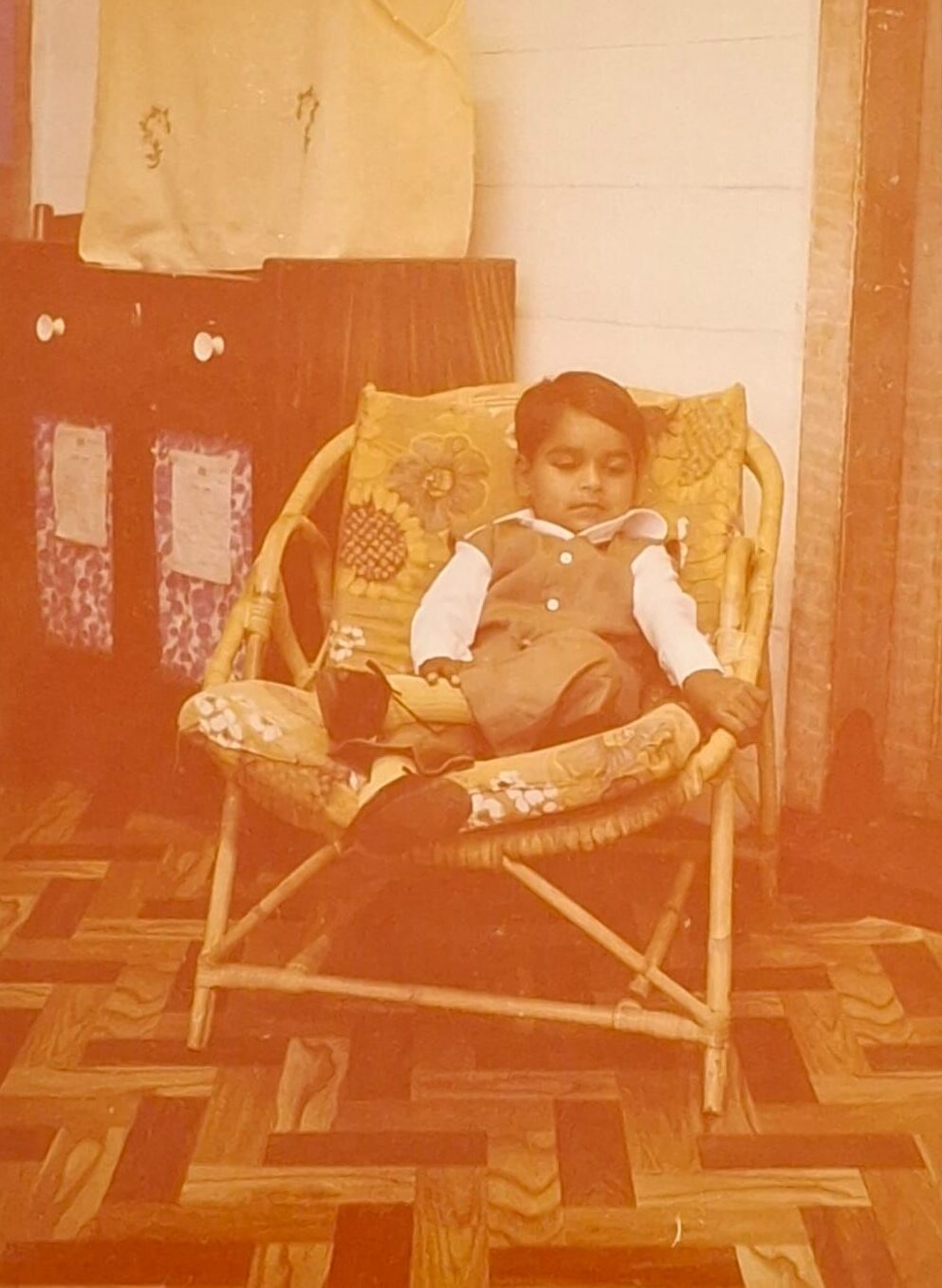
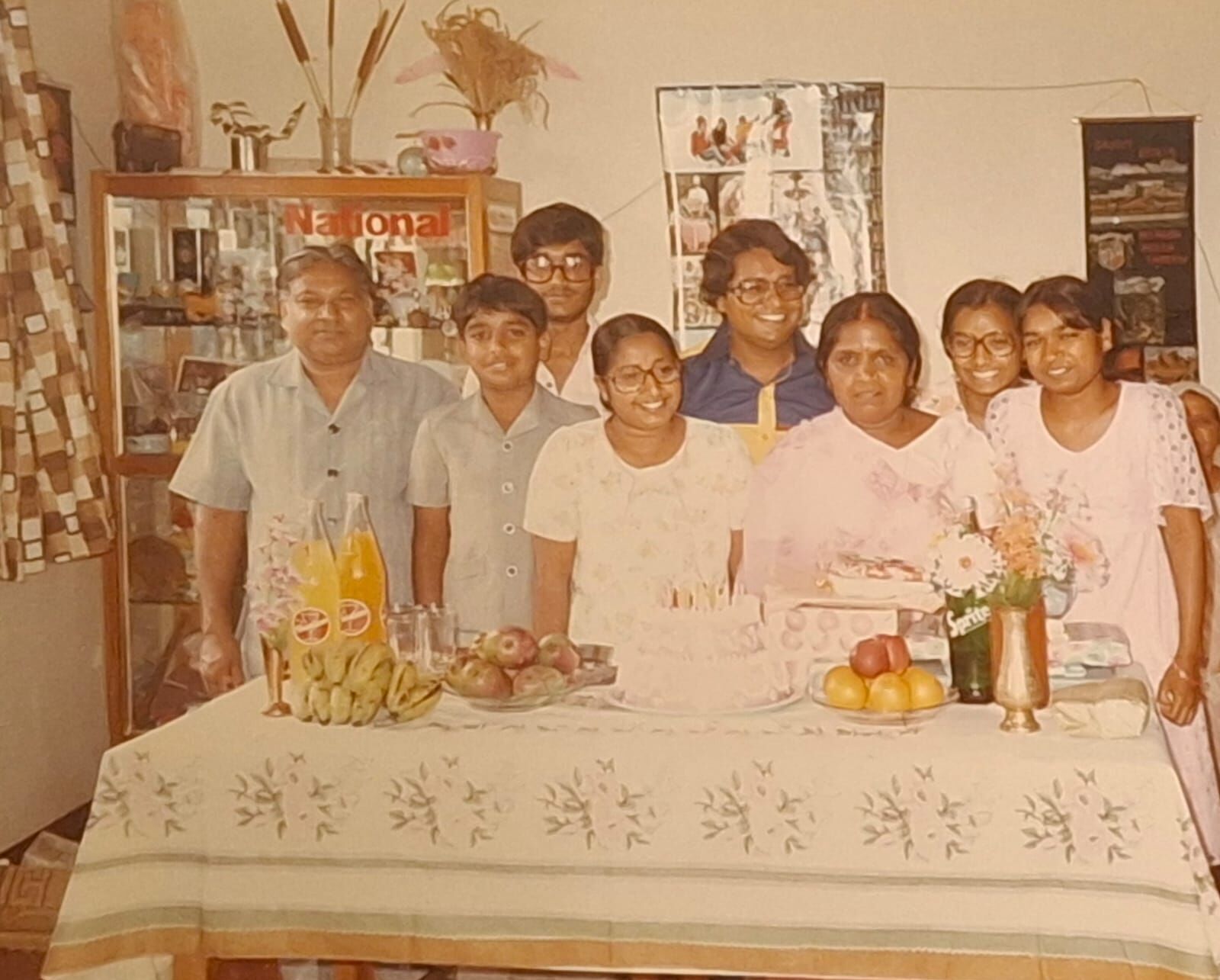
Born on 2 August 1971, Dr. Mahendra Raghoonundun entered a family in which care was shared, responsibility was understood and every member had a place within the whole. He was the youngest of seven children, with three brothers and three sisters preceding him. By the time he was old enough to understand the character of his household, much of its rhythm had already been established. His older siblings had begun growing into their responsibilities, while his parents remained at the centre of a home shaped by steady effort and close family bonds.
His father, Lekram Raghoonundun, worked as a shopkeeper and carried the responsibility of being the household’s sole earner. Supporting seven children required consistent effort, particularly when their education also had to be considered. The family’s circumstances demanded care in the way resources were managed, yet the importance of learning was never pushed aside. His father continued working and providing, making it possible for his children to move forward within the means available to them.
The contribution of Gendyanee Raghoonundun, his mother, took a different but equally important form. As a homemaker, she remained close to her children and had the time to look after them. Her presence gave the household a sense of continuity. She was there through the ordinary demands of raising a large family, attending to the needs of her children and creating the supportive environment that her youngest son would remember with gratitude.
Being the youngest naturally placed him in a position of particular care. He was surrounded by people who had known the family before he arrived and who were already moving through stages he had yet to experience. His recollection of those years is not one of isolation or neglect. He remembers being well looked after, protected and supported. The affection he received did not come from his parents alone. It extended through his brothers and sisters, who formed a dependable circle around him.
As the years passed, the family structure began to change in a way that helped ease the pressure on the household. His older siblings entered employment and started contributing. Their support gradually strengthened the home that had previously depended upon one earning parent. By the time Dr. Mahendra was growing up, several of them were already working, and their contributions made a meaningful difference.
This shared responsibility gave him an early example of what it meant for people to support one another. No single person stood apart from the needs of the family. His father provided through his work, his mother cared for the household, and the older children contributed as they became able to do so. The strength of the family came from the way these roles met rather than from any one individual carrying every responsibility alone.
Among the siblings, his eldest brother held a respected place. He became a French teacher, building a professional identity through education. As the eldest son, he also belonged to a generation within the family that had already stepped into adulthood while Dr. Mahendra was still finding his way. The difference in their ages did not weaken the connection between them. Instead, it reflected the broad span of experience that existed within a household of seven children.
"Long before technology became his profession, curiosity had already taught him to look beyond what was visible and ask how everything worked."
Phase 2 : Where Curiosity Chose Its Craft
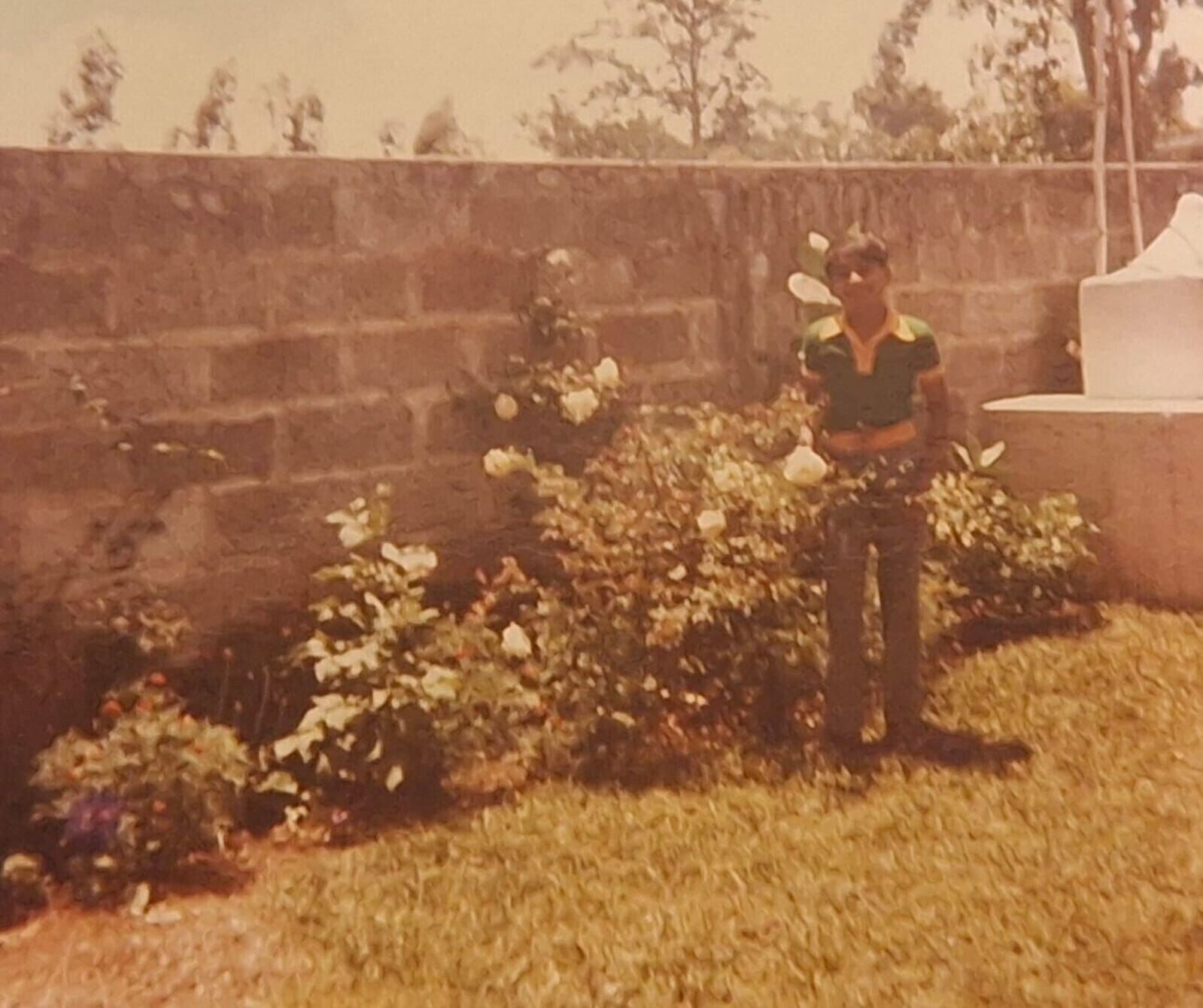
As a child, Dr. Mahendra was rarely content to leave a question unanswered. He noticed this difference between himself and those around him from an early age. While others might accept that an object had stopped working, he wanted to know what had happened inside it. If something was broken, his first instinct was to examine it and attempt a repair. He enjoyed bricolage, not simply as a pastime, but as a way of exploring the connection between a problem and its solution.
His curiosity was practical. He wanted to touch, test, and understand. Questions came naturally to him. Why had something broken? How could it be repaired? Why had it been made in a particular way? Could it be improved? These were not formal technical exercises. They were the thoughts of a young person who felt most engaged when he was discovering how separate parts worked together.
Two interests gradually gave this curiosity a clearer direction. The first was photography, a passion that began while he was still at school. His aunt gave him a small camera, opening a world that immediately captured his attention. He became fascinated not only by taking photographs but also by understanding the process behind them. He wanted to learn how photography worked and how an image could be created with care.
The camera gave him a means of turning observation into something lasting. Photography required him to look closely at people, occasions, and surroundings. It invited him to notice what others might overlook and to make deliberate choices about what should be preserved within a frame. His interest grew because the camera brought together creativity and technique, two qualities that already appealed strongly to him.
In 1991, that interest led to a defining achievement when he became a gold medallist in a photography competition held at the national level. The recognition was deeply meaningful to him. It confirmed that what had begun with a small camera and a genuine desire to learn could become something more substantial. Proud of the result, he began to consider photography as a possible profession.
Turning that possibility into practice required equipment of his own. He wanted to purchase a camera but did not have enough money to do so. One of his sisters stepped in and helped him buy it. Her assistance allowed him to continue developing an ability that might otherwise have remained restricted by the cost of the necessary equipment.
With his own camera, Dr. Mahendra began photographing weddings and family occasions. The work started within familiar circles, where people could see the care he brought to each assignment. Their response encouraged him. They were pleased with the photographs and began recommending him to others. Through those personal recommendations, an early interest grew into regular part-time work.
"The accident interrupted his examination, but the harder years that followed taught him that a disrupted plan did not have to become a permanent ending."
Phase 3 : The Year the Planned Road Disappeared
The months before the Higher School Certificate examinations should have carried Dr. Mahendra towards the completion of his secondary education. The examinations were scheduled for October and November, giving him a clear academic destination. In July, however, that expected progression was abruptly interrupted.
He was walking on the pavement when a car struck him. The road accident was serious, leaving him with a broken leg and requiring several surgical procedures. The immediate concern was no longer preparation for an examination. His attention had to turn towards medical treatment and physical recovery. By the time the examination period arrived, he was unable to sit for the papers.
Missing the examinations affected more than the academic calendar. Until then, he had been moving through an established system in which classes, teachers and regular preparation provided structure. The accident removed him from that rhythm. What had appeared to be a straightforward route towards the Higher School Certificate was suddenly no longer available to him.
The following year, he attempted to recover what had been lost. That effort proved difficult because he had to prepare without the tuition and regular schooling that had previously supported his learning. Catching up independently after surgery and a long disruption was demanding. He was not simply revising familiar lessons under ordinary conditions. He was trying to rebuild academic momentum after an experience that had already weakened his motivation.
The results were not what he or others might have expected. Looking back, he described his academic performance during that period as a failure. The judgement came not from an absence of ability, but from the disappointment of knowing that his schooling had not concluded as he had hoped. After the accident, repeated surgeries and the struggle to prepare without formal support, the outcome left him discouraged.
His response was emotional as well as practical. He became tired of studying and no longer wanted to continue. The accident had done more than injure his leg. It had disturbed the confidence with which he viewed his academic future. At that point, returning immediately to another cycle of preparation did not feel possible.
He decided to stop his studies and begin working. The choice was also connected to responsibility. Rather than remain dependent upon his parents while uncertain about what to do next, he wanted to help them. Employment offered a way to contribute while stepping away from the academic environment that had become associated with frustration.
Note of Thanks
With sincere gratitude, Dr. Mahendra Raghoonundun acknowledges the people whose support has accompanied him through the many responsibilities, decisions, and transitions of his personal and professional path.
His deepest appreciation goes to his wife, Hemla R., whose presence has remained an important source of support. As a professional accountant with her own career commitments, she understood the demands of responsibility, discipline, and continuous growth. Her understanding gave him the strength to remain committed to his work while continuing to fulfil his responsibilities at home. Dr. Mahendra recognises with affection the patience and encouragement she extended throughout the years.
He offers special thanks to Dr Stephen Chiang, whose confidence created an important turning point in his professional career. Dr Stephen saw his ability to respond quickly, solve problems and deliver results, and then trusted him with a responsibility of international significance. That trust gave Dr. Mahendra the opportunity to work across jurisdictions, contribute to a major organisational integration and expand his experience within a global environment. Their professional association grew into a friendship that he continues to value deeply.
Dr. Mahendra also expresses his appreciation to the teachers who encouraged him to question, experiment and discover answers independently. He remembers the colleagues and team members who worked beside him, particularly during demanding projects and difficult circumstances. Their combined effort repeatedly demonstrated that meaningful results are built through cooperation rather than individual action.
His thanks extend to every person who offered guidance, opened an opportunity, shared knowledge, or placed confidence in his abilities. He remains equally grateful to those whom he had the privilege of teaching, training, mentoring, and supporting, for each interaction contributed to his own growth.
Above all, Dr. Mahendra receives every expression of goodwill with humility. His gratitude therefore belongs to all who became part of his story and helped him remain grounded while moving forward.
thanks,
– Dr. (H. C.) Mahendra Raghoonundun

AIMLAY is a leading global education platform empowering ACADEMIC and EXPERIENTIAL learners, uniquely focused on recognizing knowledge gained through experience and building a diversified community of doctorates and aspiring researchers.