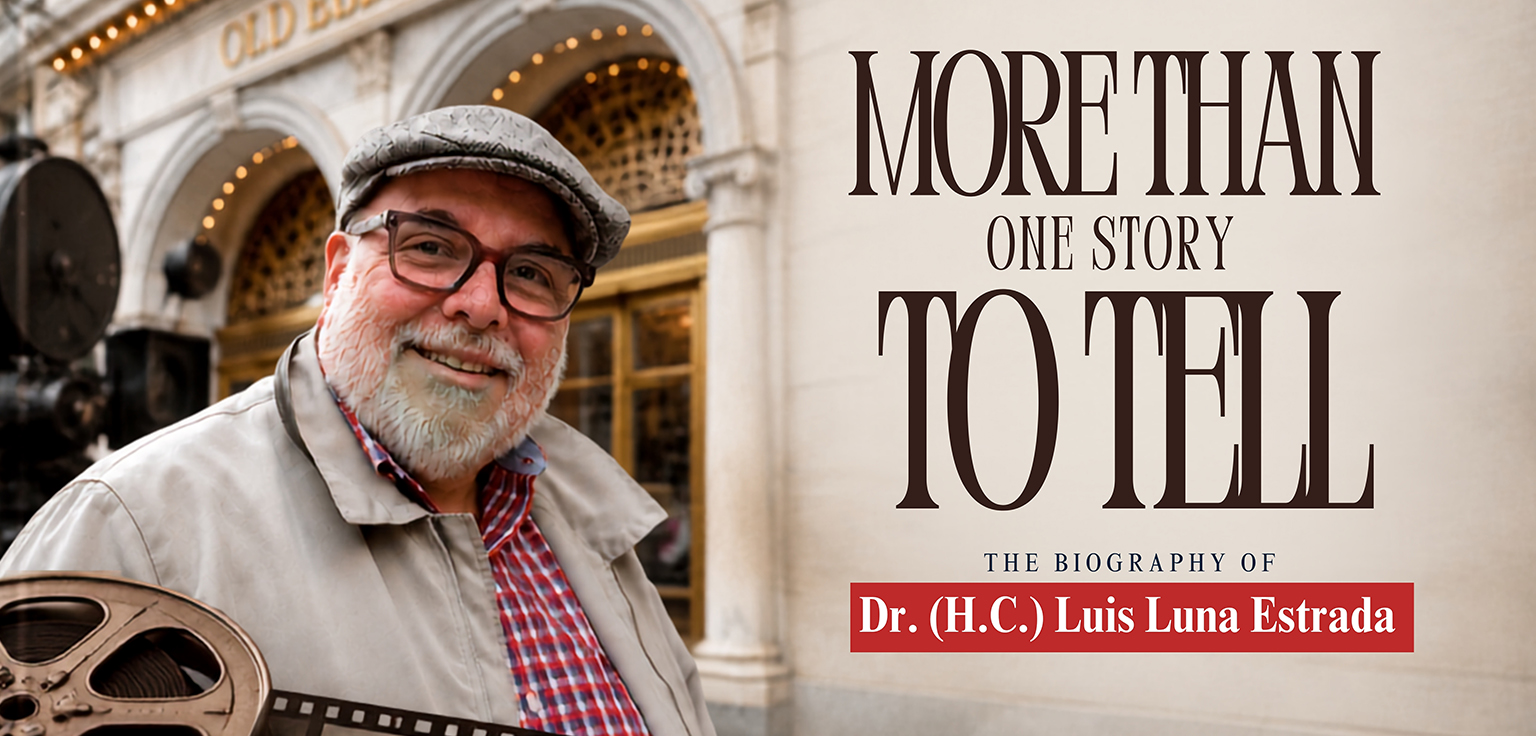
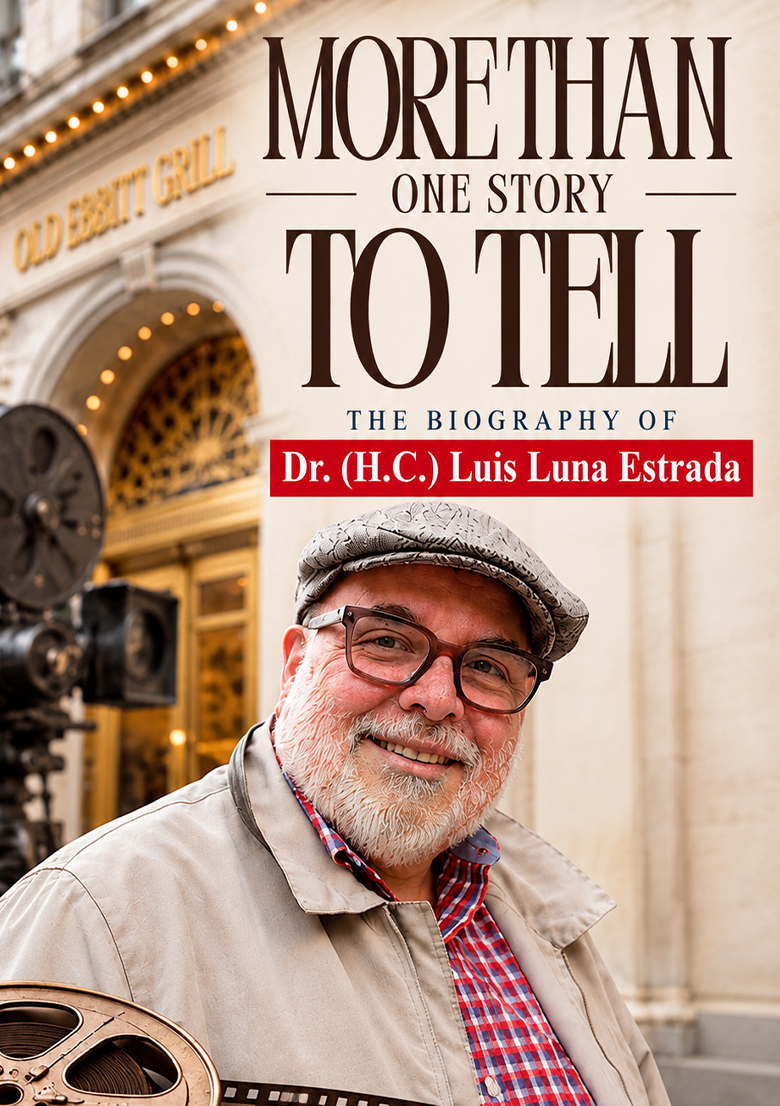
“Every project teaches you something that belongs in the next one. You finish the work, carry the lesson with you, and keep moving.”
Introduction
The life of Dr. Luis has unfolded through curiosity, movement, and an unusual willingness to keep learning from whatever came next. Long before titles such as producer, director, executive, fundraiser, entrepreneur, or public media leader became part of his professional identity, there was a young boy in East Los Angeles who watched television differently from most children. Growing up around Echo Park, he enjoyed cartoons, films, comedy, drama, radio, and television, but the finished Story was never the only thing holding his attention. He wanted to know why a camera cut at a particular moment, how lighting changed a scene, where the sound came from, and how music could alter what an audience felt. Entertainment became a source of questions, and those questions gradually became a direction.
That curiosity belonged naturally to the household in which he was raised. His parents had come from Mexico, and Spanish was spoken at home. English existed beyond that domestic world, while Spanish carried family, culture, conversation, and familiarity. This distinction would later become One Of the most useful parts of his professional life. What began simply as the language of home eventually allowed him to work comfortably across English-speaking and Hispanic media environments, not as someone standing between two cultures, but as someone who understood both from within.
Instead of observing production from a distance, he found himself learning how budgets were built, crews assembled, studios negotiated, casting organized, and productions managed.
Those early years established something that would remain characteristic of Dr. Luis throughout his career. He learned by doing. Under the guidance of Marshall Whitfield, he also began to understand financing and the importance of relationships in an industry where one project could end while another opportunity appeared through someone who remembered how he worked. That understanding eventually helped open the door to Paramount Pictures, placing him inside a professional film environment where budgeting, scheduling, and production finance became part of his continuing education.
His professional life did not remain confined to film. Television, radio, marketing, production, news, branding, creative services, and management gradually became connected chapters rather than separate Careers. Telemundo introduced a Stronger management dimension to his work.
Yet Dr. Luis never allowed executive responsibility to erase the creative instinct that started everything. Through his own production work, he continued writing, producing, directing, mentoring, and developing projects across the United States and Mexico. His career expanded into documentaries, commercials, training productions, public affairs programming, feature films, bilingual content, and media consulting. range was wide, but the underlying impulse remained remarkably consistent. He liked understanding how things worked, bringing the right people together, and finding a way to move an idea from possibility into something real.
The story of Dr. Luis is therefore not a straight ascent through increasingly impressive titles. It is a life shaped by curiosity, adaptability, relationships, practical learning, cultural fluency, creativity, and the refusal to believe that one professional identity had to exclude another. Radio informed television. Production informed management. Film strengthened finance. Culture strengthened communication. Even after more than four decades of work, he continues to look toward new projects with the same essential instinct that first drew his attention behind the television screen, there is always another story to understand, another problem to solve, and another possibility worth exploring.
"What my parents gave me was simple but lasting : work hard, value education, and never forget where you come from."
Phase 1: The House by Echo Park Lake
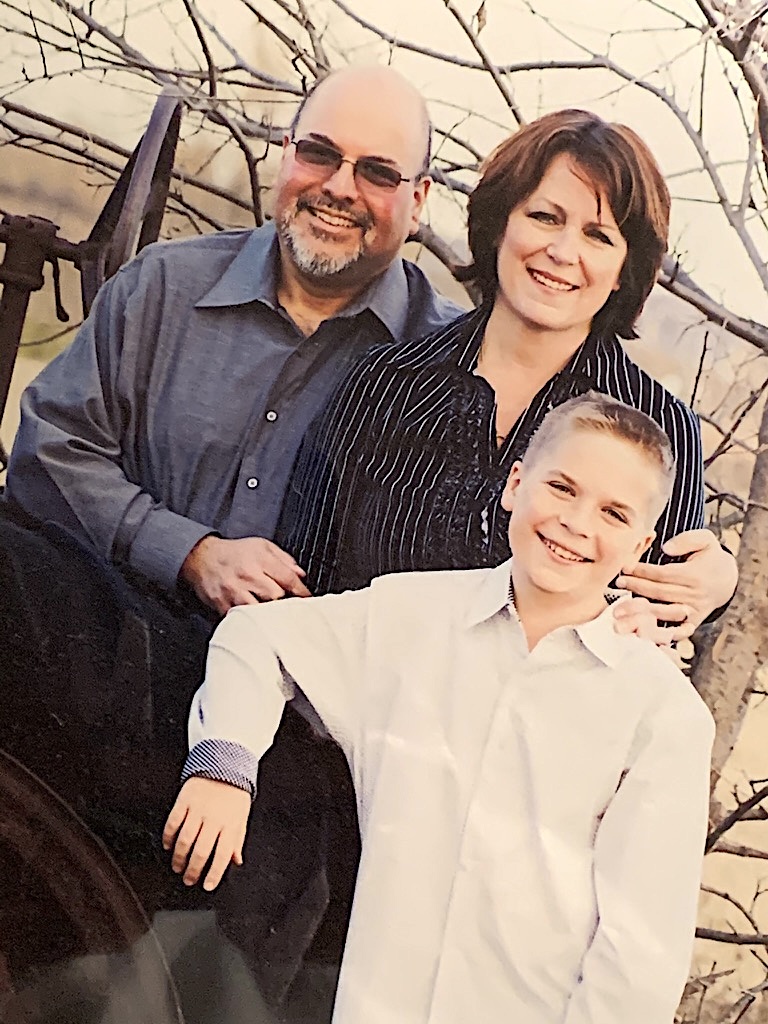
Long before Dr. Luis entered studios, production rooms, broadcast environments, or executive offices, there was a home in Echo Park where some of the strongest influences on his life were already quietly taking shape. He was born in East Los Angeles, and the neighborhood around Echo Park Lake, close to downtown Los Angeles, became the setting of his childhood. It was not simply a place he happened to grow up in. It was the familiar landscape around which family life, everyday routines, early memories, and a sense of belonging were formed.
The Los Angeles he remembers from those years was different from the city it would become. There were fewer cars and less congestion. One of his uncles, a professional boxer, used to jog around Echo Park Lake, and on some mornings young Dr. Luis would go along with him. It was an ordinary childhood memory, yet one that remained clear enough for him to recall many years later. The neighborhood changed gradually as development increased. Older houses began disappearing to make room for apartments, while the family home itself had been built sometime around the 1890s. Even as the surroundings transformed, the connection to that part of the city remained.
At the center of those early years were his parents, Eliova and Pedro, both families originally from Mexico. Their household carried a Strong connection to Mexican culture, and Spanish was spoken naturally at home. That language was not introduced as a professional advantage or a future skill. It was simply part of family life, part of conversation, and part of the environment in which Dr. Luis, his brother Oscar, and his sisters Delia and Angela grew up. Only later would he realize how valuable that foundation would become, but in childhood it belonged to something more personal: home.
His father’s influence came largely through example. Pedro worked in construction and served as a foreman. His days began early, often around five in the morning, and they were physically demanding. He would return home tired after long hours spent outdoors in the realities of construction work. Dr. Luis saw that routine closely.
There was no elaborate speech required to explain discipline because the lesson was visible every day. His father took pride in the quality of his work and believed that responsibility had to be met through effort. For his children, that became an early understanding of what work actually meant.
At one point, Dr. Luis also spent some time working with his father. Much later, when he understood the organization required to put film and television projects together, he recognized a similarity between production and construction. Both required structure. Both depended on people performing particular responsibilities. Both involved taking something from an idea or plan and turning it into a completed project. The connection was not obvious to him as a child, but the experience eventually gave him another way of understanding what he had absorbed from Pedro.
If his father demonstrated the discipline behind work, Eliova helped shape another side of the household. She spent most of her time caring for the family and placed considerable importance on education and music. Music already had a place in the family because her father, Dr. Luis’s grandfather, had been a musician. She wanted her children to receive that same connection as part of their upbringing. Dr. Luis himself became a musician, while his brother continued more deeply into music. One of his sisters became an opera singer in Europe, living in Scotland, while another pursued education seriously, eventually earning a doctorate and two master’s degrees and working within the Los Angeles Unified School District.
“Curiosity is where a path begins. I did not only want to watch the story. I wanted to understand how the camera, the sound, the light, and the people behind it made the story possible."
Phase 2 : He Was Never Watching Just the Story
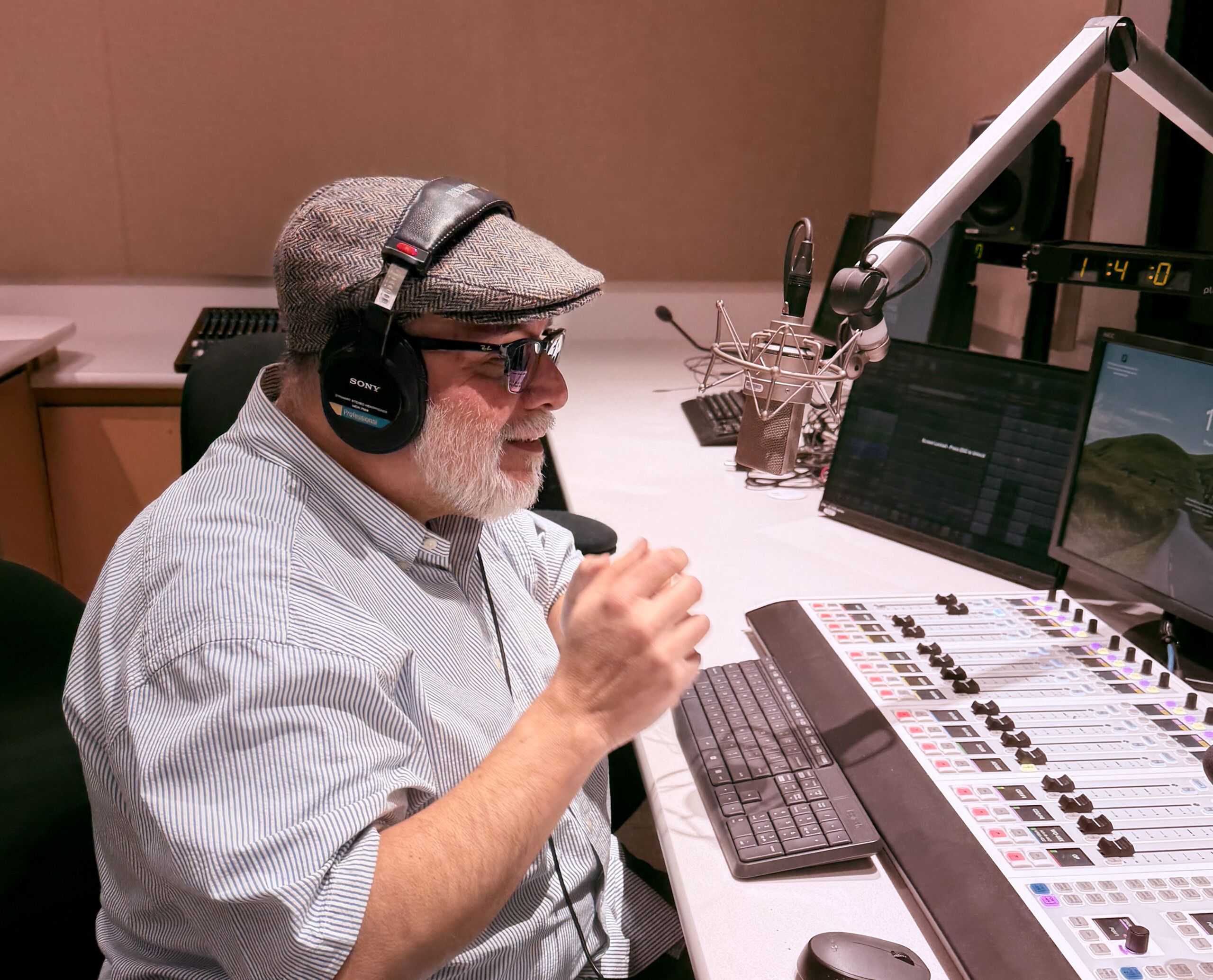
By the time Dr. Luis was moving through high school, curiosity had already begun turning into intention. He was no longer satisfied with simply enjoying what appeared on a television screen or came through a radio. What interested him was the invisible work behind it. He wanted to understand how separate elements could come together and become a finished Story. The question was no longer whether media interested him. He had begun wondering how he could become part of making it.
There was something practical about the way he approached that interest. Dr. Luis did not imagine spending years waiting before discovering whether broadcasting suited him. He wanted to get close to the work as quickly as possible. While still moving through his education, he began studying radio at Los Angeles City College. Radio seemed like a sensible place to begin because, in his mind, there was already a progression forming. He could learn radio first, then move into television, and eventually reach film.
That plan was simple, but it showed that he was already thinking of media as a world with many connected rooms rather than one narrow profession. He did not feel compelled to choose between radio, television, and film. He wanted to understand each of them.
He later enrolled at the Columbia School of Broadcasting, which at that time offered a two-year course. The length of the program appealed to him because he was eager to begin working.
At Columbia School of Broadcasting, his education extended beyond being behind a microphone. He was introduced to radio broadcasting, sales, engineering, and other working parts of the business. That breadth mattered. Even at this early stage, media was revealing itself as far more than performance or creativity alone. Someone had to understand equipment. Someone had to sell. Someone had to organize the work. Someone had to know how the pieces related to one another. Those lessons gave him a wider view of an industry he had previously known mainly as an audience member.
One of the most useful features of the school was a board where internship opportunities were posted. Most were connected with radio, which suited the path Dr. Luis had chosen for himself. He applied for several of them and spent periods working in different settings, sometimes for a few weeks at a time. The value was not merely in adding experience. He was able to learn aspects of sales, observe how workplaces functioned, and meet people already involved in the profession. Each short opportunity gave him a clearer sense of what working in media actually required.
Then something appeared on that board that immediately changed the direction of his plan. Among the radio opportunities was an internship with a television production company making game show pilots. Television had always been the next Step in the sequence he had imagined for himself, but suddenly it was available much sooner than expected. There was little hesitation. The moment Dr. Luis saw that it involved television, he applied.
“When someone gives you the chance to learn, absorb everything you can. I soaked it all in, and little by little, that learning became my path.”
Phase 3 : Learning the Business from the Production Floor
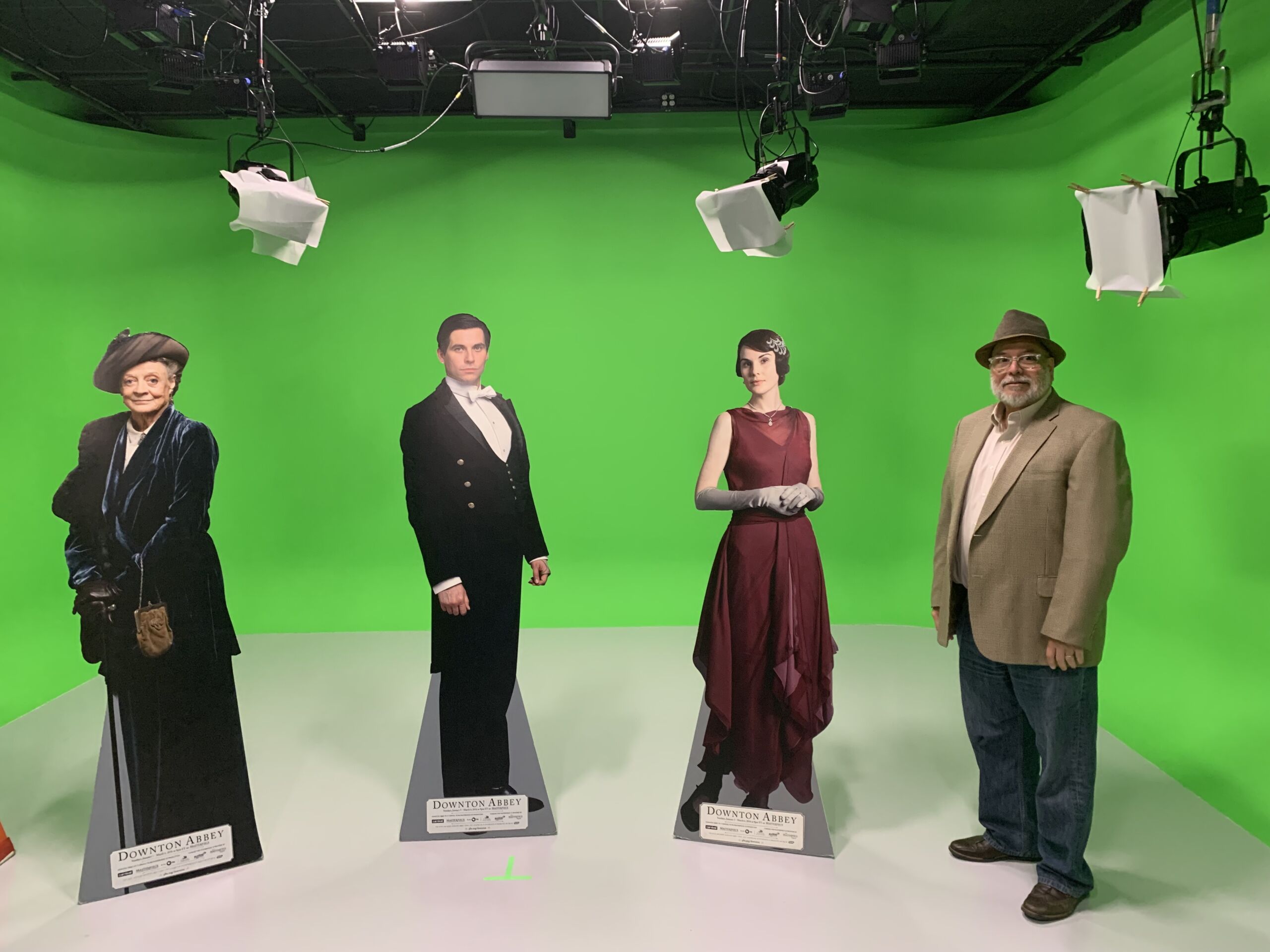
Once Dr. Luis entered the television production company, the fascination he had carried for years was suddenly replaced by something far more demanding: responsibility. He was no longer looking at production from the outside. He was standing inside it, watching decisions become schedules, budgets, crews, sets, and eventually finished programs. What made the experience especially significant was that someone noticed his ability before he had fully recognized its direction himself.
The company’s chief executive and executive producer, Marshall Whitfield, saw qualities in the young Dr. Luis that suggested he could become a production manager. Instead of leaving him to observe from the margins, Marshall Whitfield began teaching him directly. The training was practical and personal. As the company worked on game show pilots, Dr. Luis learned how to prepare budgets, assemble crews, secure studios, negotiate arrangements, organize casting, and understand how producers, directors, and executive producers had to work together for a production to move forward. He absorbed every part of the process he was allowed to see.
It was an education in the actual mechanics of making something happen. A production could begin with an idea, but an idea alone could not hire a crew, pay for a studio, schedule people, or keep the work within financial limits. Creativity needs Structure. Dr. Luis was beginning to understand that the person responsible for managing a production had to think about the whole picture while dozens of individual details were changing around him.
When the game show pilots were completed, the project ended, but the relationship with Marshall Whitfield did not. He remained an important mentor for much of his life. His influence also widened Dr. Luis’s understanding of the industry because his knowledge extended beyond production into finance. A venture capitalist as well as an Emmy winning documentary producer, Marshall Whitfield understood how projects were funded and how large amounts of capital could be brought together to make ambitious ventures possible. During the 1980s, he was raising substantial sums for projects, and Dr. Luis learned from watching the financial side of that work as carefully as he had learned production management.
That exposure mattered because it challenged any romantic idea that media existed Only through imagination. A program could have a wonderful concept and still require financing before anything appeared on a screen. The lesson stayed with him. Production, creativity, and money were not separate worlds. They were parts of the same process.
The director of the game show project became a friend. He had noticed the way Dr. Luis worked and eventually asked him to serve as his business manager. It was not a position created through a carefully planned application. It came because someone had already seen how he handled responsibility. Dr. Luis worked with the director and his wife, and that relationship later opened an entirely different door when she began working at Paramount Pictures.
She knew that Paramount Pictures needed someone with his skills and encouraged him to interview. He did, and he was hired. The transition demonstrated something he was beginning to understand about professional life. Completing a project did not necessarily mean the value of that project had ended. The people encountered along the way could become part of whatever came next.
Note of Thanks
For Dr. Luis, gratitude Starts with the family that gave him a foundation so solid he could pursue an unpredictable professional life with confidence. His mother, Eliova Estrada, and his father, Pedro Estrada, hold a particularly meaningful place in that story. Their influence carried beyond childhood and stayed with him as he stepped into the adult world. Through their support, he developed the confidence that ambition could be pursued without sacrificing the security of family.
He also thanks his brother, Oscar Estrada, and his sisters, Delia Estrada and Angela Estrada. Their individual paths developed differently, yet they remained part Of the family circle that supported Dr. Luis as his own journey moved through changing cities, demanding projects, new responsibilities, and an industry where certainty was rarely guaranteed. Iheir presence belongs naturally within his acknowledgement of the people who formed the personal background to a life spent continually moving forward.
A special place in his thanks also belongs to Marshall Whitfield, whose influence entered Dr. Luis’s life at an important early stage. What began as professional guidance developed into a mentorship that continued for much of Marshallk life. His willingness to recognize potential, share practical knowledge, and expose Dr. Luis to the wider realities of production and financing helped shape an understanding that would remain valuable across decades of work.
This note of thanks is therefore not centered on professional recognition. It is an acknowledgement of people. To Eliova, Pedro, Oscar, Delia, Angela, and Marshall Whitfield, it carries the gratitude of Dr. Luis for the support, influence, and belief that became part of the journey itself.
Other notable thanks to friends that supported in good and bad times, William Kim, Roger Nygard, Francisco Outon, Francisco Cuevas, Mario Calderon, Gabriela Guerrero, Greg Richardson, Jim Lucero, and Terry Woods.
And the most important thanks for the support, love and patience of his wife Angela Allison Estrada and son Samual Estrada that keep his life moving forward toward the next chapter.
thanks,
– Dr. (H.C.) Luis Luna Estrada

AIMLAY is a leading global education platform empowering ACADEMIC and EXPERIENTIAL learners, uniquely focused on recognizing knowledge gained through experience and building a diversified community of doctorates and aspiring researchers.