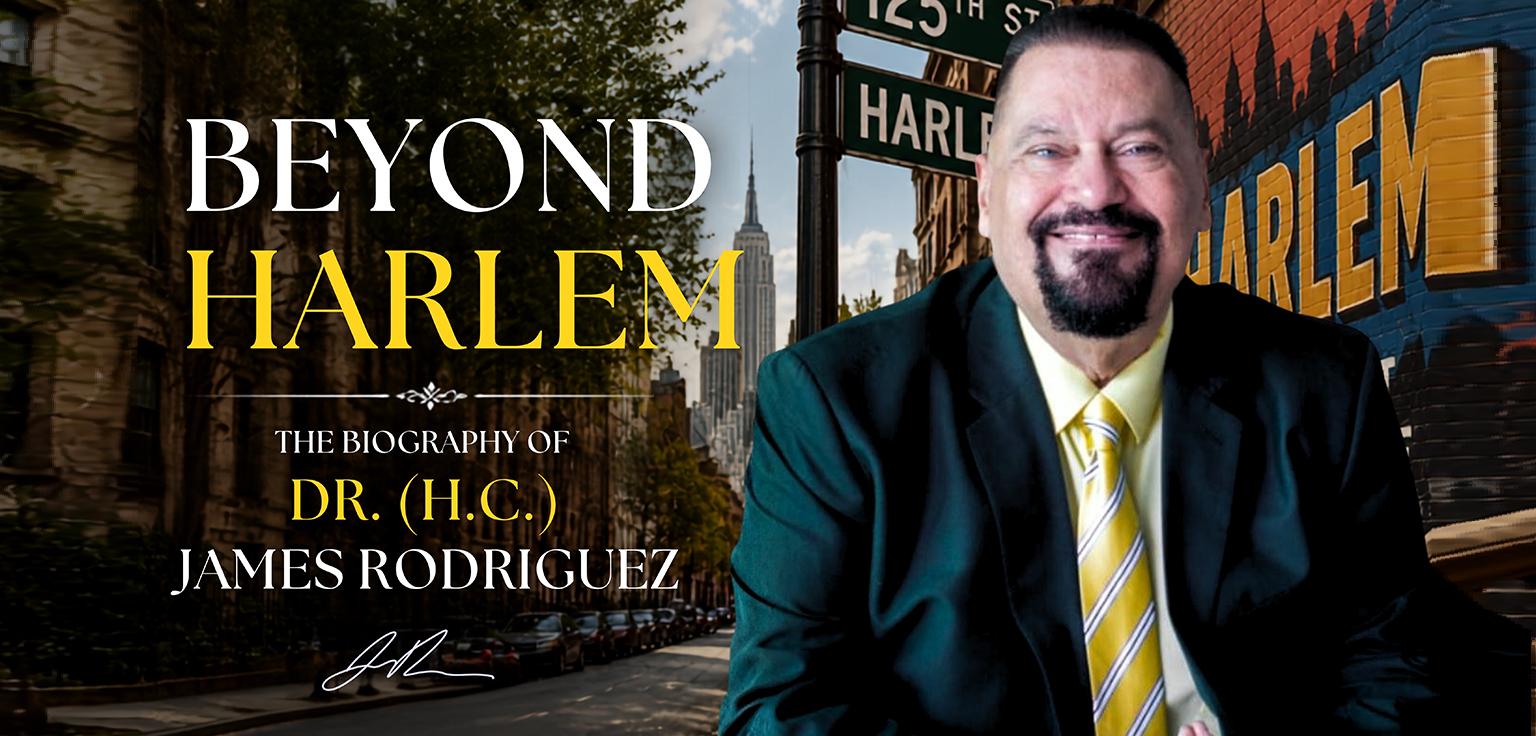
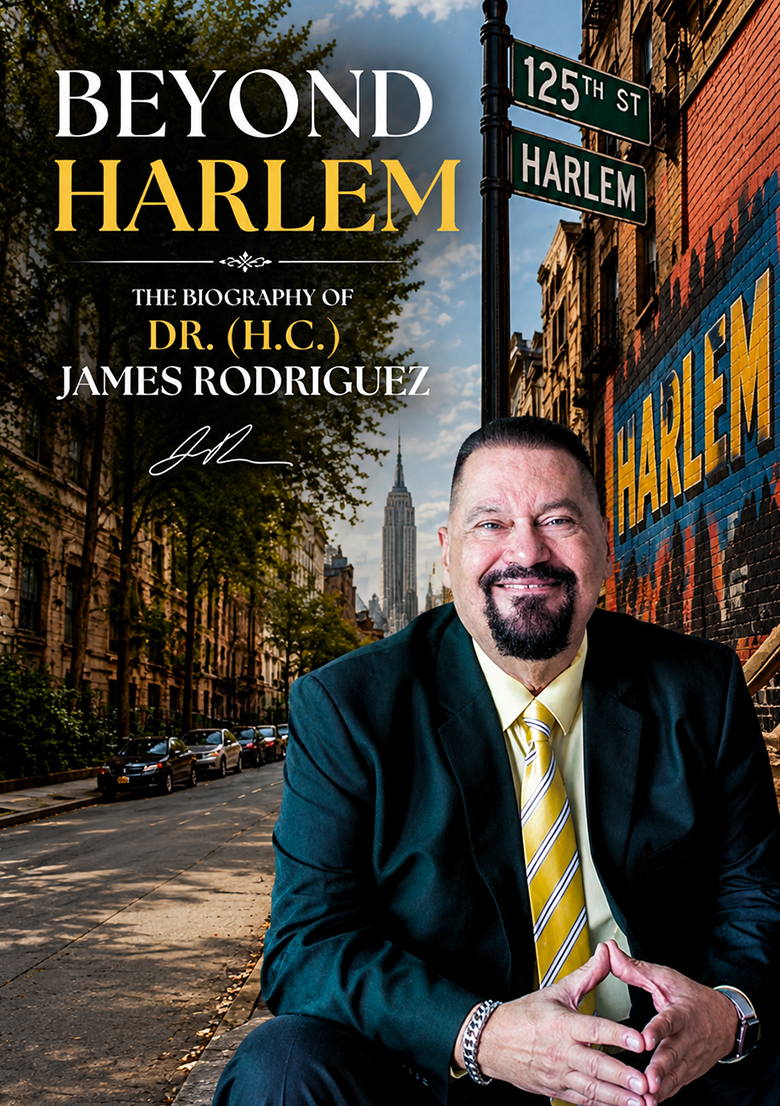
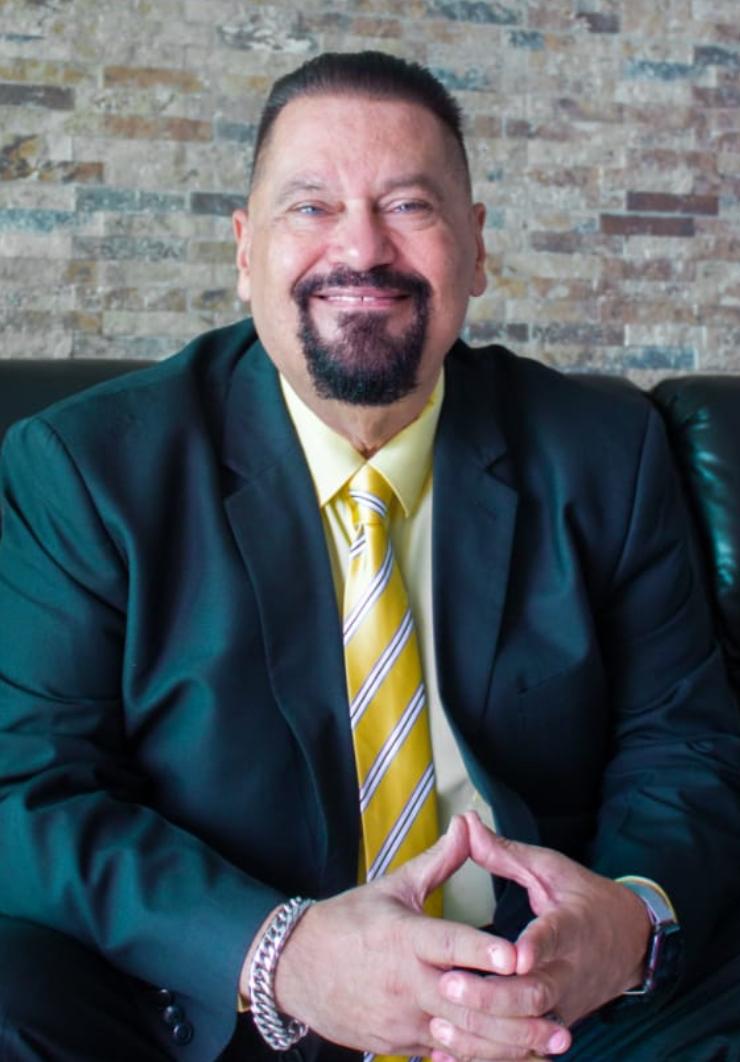
"I coach leaders at every leeel, whether they hold a PhD, run a company, lead a team, or are still discovering their purpose. Leadership is not defined by a title; it is developed through humility, growth, influence, and impact. "
Introduction
There are moments in life when the path ahead appears impossible, when the weight of circumstances presses so heavily upon a person that moving forward feels almost beyond reach. Yet it is often in those very moments that the human spirit reveals its greatest capacity for resilience, growth, and transformation. Dr. (H.C.) James Rodriguez knows this truth intimately. His life stands as a testament to the power of faith, discipline, perseverance, and the decision to keep rising, even when life gives you every reason to quit.
To speak of his journey is to speak of a man who has worn many hats, walked through many seasons, and grown through many battles. He has been a young man shaped by the streets of East Harlem, a United States Coast Guardsman, a convenience Store manager, a corporate executive, a restaurant turnaround specialist, an entrepreneur, a president of an international company, a published author, and a certified leadership coach. He has been a father raising daughters, a grandfather cherishing grandchildren, a lifelong learner, a mentor to hundreds directly and thousands indirectly, and a coach to people from every walk Of life.
Yet through all these roles, one thread has remained constant: his commitment to helping people grow beyond what they believed was possible.
Born into a world where survival was often learned before maturity, James understood early that life would not hand him an easy road. His mother, Rebecca Candal, raised him with strength, sacrifice, and love until the age of fourteen. During his earliest years, his grandparents, Abelardo and Maria Arroyo, also played a meaningful role in helping raise him, planting seeds of faith, family, resilience, and unconditional love that would remain with him throughout his life.
At fourteen, James went to live with his grandmother, and later with his Aunt Esther Arroyo, who welcomed him into her home with kindness and care before he joined the United States Coast Guard at the age of seventeen. These family influences did not erase the hardship around him, but they gave him something hardship could not destroy: a foundation of love, faith, and belonging.
East Harlem in those years was a world marked by struggle, poverty, pressure, and survival. It was a place where young people often grew up too quickly, where the streets taught lessons no child should have to learn, and where choices were often shaped by the need to protect, belong, and endure. James was not immune to that environment. Like many young men searching for identity, safety, and respect, he found himself connected to street life. Yet even then, beneath the confusion and immaturity, there was a protective instinct inside him. He was never driven by a desire to exploit the weak. He was driven by a desire to stand up for those who could not always stand for themselves.
That instinct to protect would follow him throughout his life. It would later appear in his decision to serve in the Coast Guard, where discipline, structure, responsibility, and service began to shape him in a deeper way. When he enlisted at seventeen, James was stepping into a world far bigger than the neighborhoods he had known. The military exposed him to people from different backgrounds, regions, cultures, and mindsets. It stretched him, humbled him, and began dismantling assumptions he did not even realize he carried.
Phase 1: The World Within a World
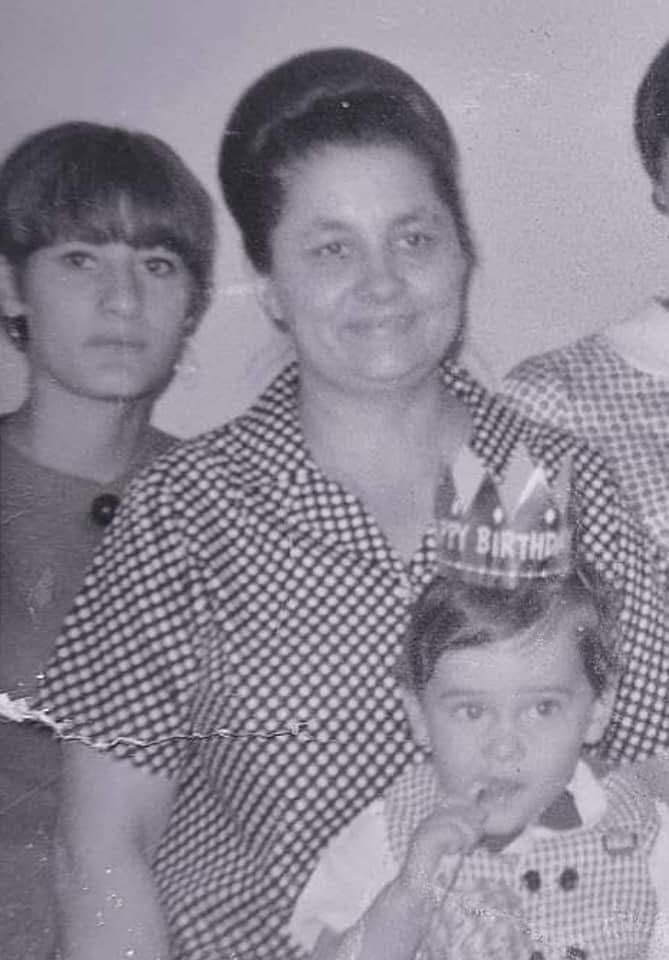
Dr. (H.C.) James Rodriguez entered the world under circumstances that were not easy. His mother, Ms Rebecca Candal, was very young when he was born, and like many young mothers, she faced responsibilities far beyond her age. Yet James’s early life was not defined by abandonment. It was shaped by family, sacrifice, and survival.
During the earliest years of his life, his grandparents, Mr. Abelardo and Mrs. Maria Arroyo, helped raise him and played a meaningful role in his foundation. Their love, faith, and guidance planted seeds that would remain with him throughout his life. They were a source of stability, affection, and unconditional love, and their influence helped shape the man he would eventually become.
However, James’s childhood in Harlem was spent primarily with his mother, Mrs. Rebecca Candal, and his father, Mr. Herminio Rodriguez. It was within that home and that environment that he began to understand both the beauty and the hardship of life. Harlem was more than a neighborhood; it was a world within a world. It was filled with culture, family, pressure, survival, and lessons that would follow him for the rest of his life.
East Harlem in those years was a place where children often grew up quickly. Poverty was real. Violence was close. Families worked hard to survive, and the streets could become both a classroom and a battlefield. It was a neighborhood rich in spirit but heavy with challenges. For James, those streets taught him early that life was not always fair, that strength mattered, and that people often had to fight to be seen, heard, and respected.
Even in that environment, James was surrounded by people who loved him. His grandparents, his mother, his father, and his extended family all played different roles in shaping his early identity. His aunts, Mrs. Raquel Acosta and Mrs. Esther Arroyo, were especially meaningful in his life. Close enough in age to feel almost like older sisters at times, they helped shape his understanding of loyalty, protection, belonging, and family love.
Life in Harlem was not easy, but it was formative. James watched people struggle. He saw the weight of poverty pressing down on families who were trying to survive. He observed how desperation could pull people into difficult choices, and how communities could feel forgotten by the world around them. It would have been easy for a young man in that environment to feel invisible or limited. But inside James, something was already beginning to grow: a desire to protect, to rise, and to become more than his circumstances predicted.
As he grew older, James developed a fierce protective instinct. He saw the threats around his community: violence, pressure, exploitation, and fear. Like many young men searching for identity, respect, and safety, he became connected to street life. But Lames has never glorified that part of his Story. He does not present it as 4_ something noble or something to be celebrated. He sees it honestly, as a season shaped by immaturity, survival, loyalty, and the limited choices he believed were available at the time.
Phase 2 : A Rude Awakening to the World
When Dr. (H.C.) James Rodriguez enlisted in the United States Coast Guard, he was not merely beginning military service; he was stepping into an entirely new world. For a young man shaped by East Harlem, the first shock was the diversity of the people around him. He had grown up in a familiar environment, surrounded by people who understood the culture, struggles, language, and rhythm Of his neighborhood. But the military brought together young men and women from every corner of the United States, from small Southern towns, Midwestern farms, suburban communities, inner cities, and places he had never imagined.
This cultural collision was both uncomfortable and educational. James quickly realized how limited his exposure had been. He had known New York, Harlem, family, the streets, and survival. But he had not yet fully understood how large, complex, and varied America truly was.
One of his earliest and most memorable lessons came from a fellow recruit who said, “Rednecks and Puerto Ricans don’t get along.” James had no idea what a “redneck” was. In a moment of genuine confusion, he looked at the man’s neck to see if it was actually red. It was a humbling and unforgettable moment, funny on the surface but deeply revealing. It showed him that he was entering a world filled with words, assumptions, prejudices, and experiences he had never encountered before.
Rather than retreat into defensiveness, James chose to learn. He began to understand that what he did not know was not a weakness unless he refused to grow from it. The CA)ast Guard became more than a place of service; it became a classroom. It forced him to listen, observe, ask questions, and see people beyond the labels he had inherited or misunderstood.
One of the most transformative experiences of that season came through a friendship with a young man from the South who identified himself as a redneck. In another environment, they may never have spoken deeply, much less become friends. But military life placed them side by side. They worked together, learned from one another, challenged each other’s assumptions, and discovered that people are rarely as simple as the labels placed upon them.
That friendship helped James understand a truth that would later shape his leadership philosophy: every person has a story. people cannot be understood only by where they are from, how they speak, what they look like, or what others say about them. Real leadership begins when we are willing to see the person behind the label.
The military also forced James to confront the size of the world beyond New York. Stationed on a Coast Guard cutter out of California, he found himself serving on a ship built for extended missions. He traveled through Central America and across the Pacific, seeing countries, cultures, and people he had previously only heard about. He witnessed poverty, beauty, resilience, and struggle in places far beyond the borders of his own upbringing.
Phase 3 : Finding a Fleet and a Purpose
The military was not merely an escape for Dr. (H.C.) James Rodriguez; it was a redefinition of what his life could become. When he joined the United States Coast Guard, he stepped into a world that demanded discipline, responsibility, structure, and maturity. It tested him physically, mentally, and emotionally. In doing so, it revealed strengths he had not yet fully discovered within himself.
James entered the Coast Guard without a high school diploma. Rather than allow that to become a limitation or excuse, he made the decision to finish what he had started. While serving in the military, he completed his final year of high school through correspondence courses, taking his classes and final exams while fulfilling his Coast Guard responsibilities. Earning his diploma during his service became one of the earliest signs of the discipline and determination that would later define his life.
Serving on a Coast Guard cutter out of California became one of the defining experiences of his early life. The ship was more than a workplace. It was his home, his classroom, and his training ground. The days were long, the work was demanding, and the expectations were clear. There was no room for excuses. Everyone had a role, and every role mattered.
For Mr. James, this was a powerful shift. He had come from an environment where survival often depended on instinct and quick decisions. In the Coast Guard, he learned another kind of strength: consistency. He learned that discipline was not about control; it was about preparation. He learned that systems were not restrictions; they were safeguards. He learned that excellence was built through standards, repetition, accountability, and teamwork.
Life aboard the ship taught him the importance of trust. At sea, people cannot afford to work as isolated individuals. Every person’s actions affect the safety and success of the entire crew. If one person fails to do his job, everyone can feel the consequences. That reality created a sense of responsibility in James that would remain with him long after his military service ended.
The crew became a kind of family, not built on blood but on shared mission. They came from different backgrounds, different regions, different races, different cultures, and different life experiences. Yet the mission required them to depend on one another. On the open water, titles, backgrounds, and personal differences mattered less than reliability, discipline, and trust.
This environment helped James understand one of the most important leadership lessons of his life: strong teams are built when people understand that their individual responsibilities are connected to a larger purpose. A team succeeds when every person knows their role, respects the mission, and trusts the people standing beside them.
Note of Thanks
This biography would not have been possible without the collaboration, openness, and honesty of Dr. (H.C.) James Rodriguez, who generously shared the story of his life with patience, reflection, and humility. His willingness to revisit both the victories and the difficulties of his journey, to speak openly about the challenges he has faced, and to share the lessons he has learned became the foundation upon which this work was built.
It is a privilege to have been entrusted with his Story, and every effort has been made to honor his voice, his values, and his vision.
The process of preparing this biography has been a journey of discovery and reflection. Dr. James’s life reminds us that every story carries lessons, and every season, even the painful ones, can become part of a greater purpose. His journey reflects resilience, faith, service, leadership, and the power of transformation. His example offers encouragement not only to readers, but also to all who believe that a life surrendered to growth and service can have a lasting impact.
Gratitude is also extended to the many individuals who have been part of Dr. James’s journey: his family, mentors, colleagues, friends, leaders, employees, and the many people who walked with him through different seasons of life. Their love, support, correction, encouragement, and belief helped shape the man and leader he has become.
Special thanks are extended to his daughters, Brianna and Serenidad, whose love and presence have been among the greatest blessings of his life. Their lives represent a powerful part of his legacy. Gratitude is also given for his grandchildren Elaina, Vera, Ava, and Harley, whose future continues to inspire him to lead, serve, grow, and build with purpose.
This biography is offered with the hope that it will inspire readers to believe in their Own potential, to understand that their circumstances do not have to define their destiny, and to embrace the possibility of transformation. Dr. James’s story reminds us that leadership is not about titles, status, or accolades alone. True leadership is service. It is influence. It is humility. It is the willingness to help others rise, grow, and succeed.
Finally, all glory is given to God, whose grace, guidance, and mercy have been the true foundation of Dr. James’s life. His faith in Jesus Christ has sustained him through trials, strengthened him through uncertainty, and guided him through seasons of growth, failure, restoration, and purpose.
May this biography stand as a testimony of faith, family, resilience, leadership, and service. May it encourage others to seek their purpose, confront the mirror, grow through adversity, and live a life of influence and impact.
thanks,
– Dr. (H.C.) James Rodriguez

AIMLAY is a leading global education platform empowering ACADEMIC and EXPERIENTIAL learners, uniquely focused on recognizing knowledge gained through experience and building a diversified community of doctorates and aspiring researchers.