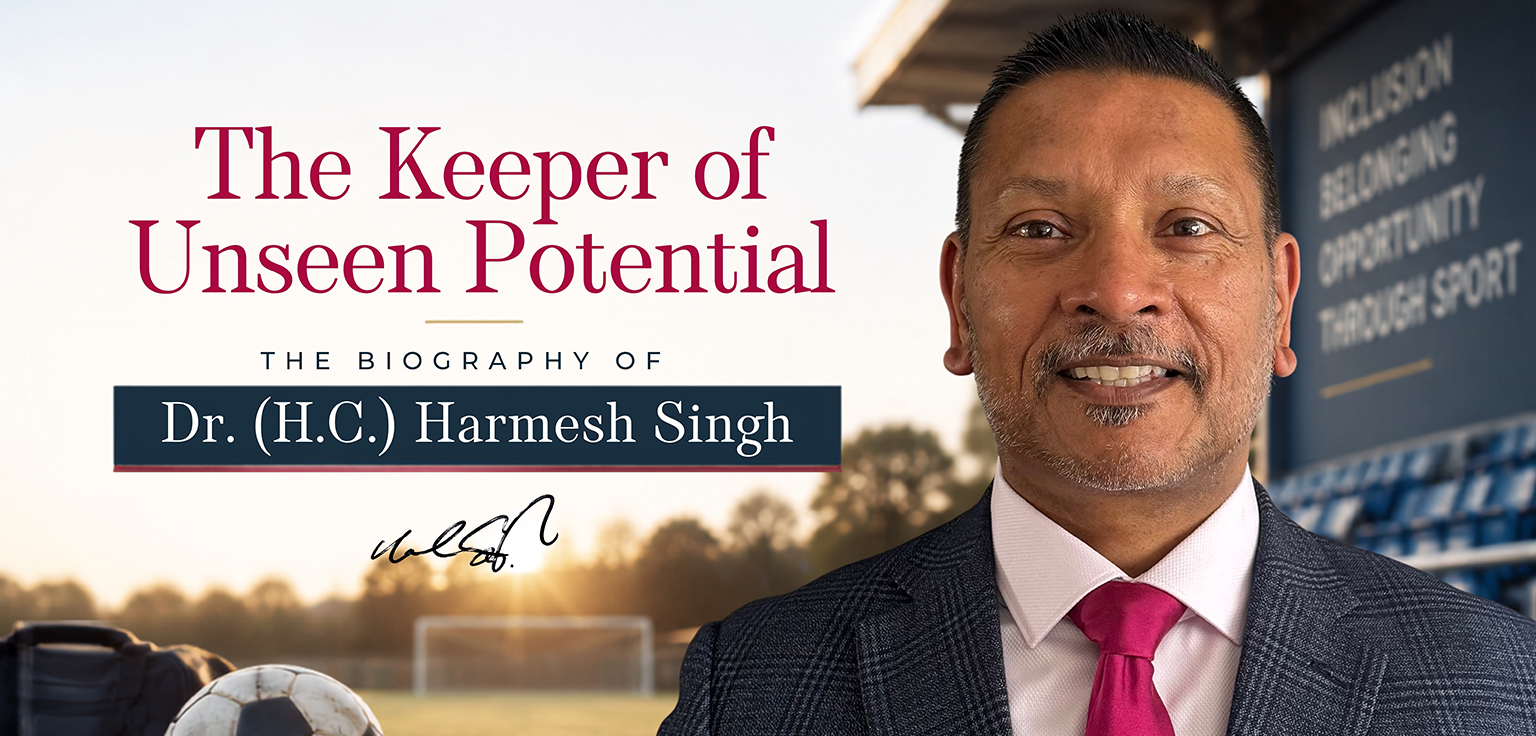
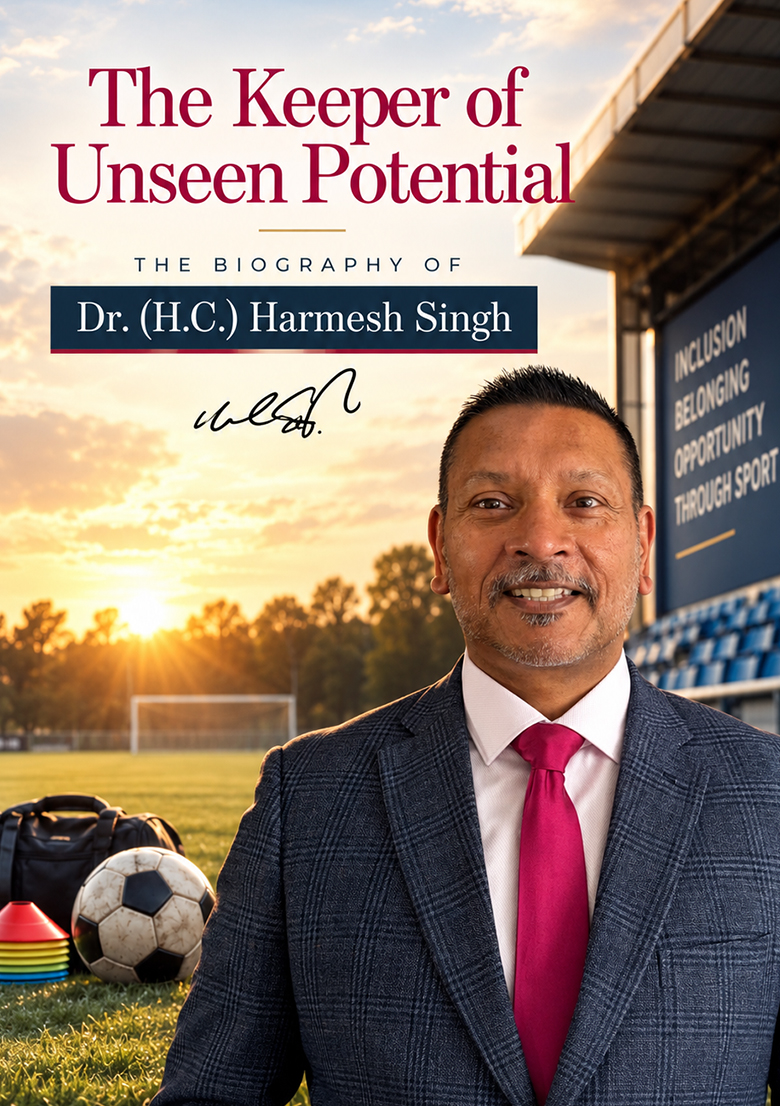
"I once searched for my place in the world, but every challenge, every lesson, and every opportunity shaped me into someone who could open doors for others. Today, my greatest achievement is helping people discover the potential they always carried within."
Introduction
Every life story is built on a collection of moments. There are choices made in hesitation, opportunities that appear out of nowhere, and values that hold steady even when everything else seems to shift. The journey of Dr. Harmesh Singh contains all of these elements and more. It is the story of someone who discovered his purpose not through a single defining moment, but through a series of experiences that slowly, steadily pointed him in the right direction. He transformed his early passions for sport, education, and people into a lifelong mission to help others grow.
Today, he is widely recognised for his work as a Director of Inclusion and Special Educational Needs and Disabilities Coordinator (SENDCO), at a secondary school. His role places him right at the heart of supporting young people with diverse needs. He guides teachers, works closely with families, and constantly looks for ways to create opportunities for students who might otherwise face barriers in their educational journey. But this responsibility is far more than a job title. It is the living expression of a belief that has guided him throughout his entire life: that every person, regardless of their challenges, deserves understanding, encouragement, and a genuine chance to discover their own abilities.
His path to this purpose was never a straight line. It began in Leeds, inside a family built on hard work, resilience, and strong, old-fashioned values. The experiences of his early years shaped the way he viewed responsibility and determination. They taught him the importance of showing up for others. Growing up among siblings in a bustling, hard-working household gave him an instinctive understanding of commitment and togetherness. These lessons would later influence everything from his teaching style to his leadership approach and even the way he built relationships.
From a very young age, sport became a vital part of who he was. Football, in particular, gave him confidence, discipline, and a way to connect with others that felt natural and effortless. What started as a personal passion gradually evolved into something deeper. He began to see how encouragement and guidance could transform young people. His early experiences on the football pitch would later become closely intertwined with his approach inside the classroom. He carried the same belief into both spaces: that every person can progress when they are given the right support and genuine belief.
His journey also included moments of uncertainty and self-discovery. An early interest in Building Studies, influenced by his family background, eventually led him to realise that his true strengths and passions lay elsewhere. Choosing to move towards sport and education became one of the most pivotal decisions of his life. It allowed him to combine his natural ability to connect with young people and his deep desire to contribute something meaningful to society.
When Dr. Harmesh entered teaching in 1999, he found a profession that brought together so many parts of who he was. His understanding of sport, his gift for motivating young people, and his firm belief in treating every student with kindness became the foundation of his teaching philosophy. Over time, his responsibilities grew. He moved from classroom teaching to departmental leadership, then to wider school responsibilities, and eventually to the very heart of inclusion leadership.
"He discovered that the strongest foundations are not built with wealth, but with quiet sacrifice, love that never wavered, and parents who gave everything so their children could become anything."
Phase 1: The Foundations of a Dreamer
Before Dr. Harmesh Singh became an educator, an inclusion leader, and someone dedicated to supporting others, he was simply a child growing up in a home where effort was woven into the fabric of everyday life. His earliest understanding of responsibility did not come from textbooks or professional training. It came from watching his family work tirelessly, sacrifice willingly, and stand together through every challenge that came their way.
Born on 26 April 1969 in Leeds, his story began within a family whose roots stretched all the way back to Punjab, India. His parents, Mohan Singh and Gurmeet Kaur, had moved to the United Kingdom in 1952, carrying with them the hope of building a better future. Like so many who begin a new chapter in an unfamiliar land, they worked with determination and patience to establish a life for their children. His father worked as a builder, while his mother worked as a sewing machinist. Both dedicated themselves completely to providing stability and opportunities for their growing family.
Dr. Harmesh grew up as one of eight siblings, with five sisters and three brothers, including himself. Being part of such a large family meant that life was always full of movement and noise. There were endless conversations, shared experiences, and a strong sense of togetherness that could not be manufactured. The household was not built around luxury or excess. It was built around cooperation, understanding, and making the most of what they had. Every member of the family understood the importance of contributing and supporting one another. There was no room for selfishness, and that lesson sank in early.
The family home reflected the reality of their circumstances. Space was limited, with many family members sharing rooms and adapting to a busy, bustling household environment. Yet despite these challenges, there was never a feeling that they lacked what truly mattered. His parents ensured that their children had food on the table, care when they needed it, and constant encouragement to pursue their own paths. The difficulties they faced were never treated as burdens. They became lessons in resilience, quiet strength, and making the best of every situation.
His mother’s dedication left a particularly deep and lasting impression on him. Working long hours, she would often leave early in the morning and return after a demanding day, yet she never stopped prioritising her family’s needs. Her commitment showed him the true meaning of quiet sacrifice. She did not complain about hardship. She simply carried her responsibilities with strength, consistency, and grace. Those everyday actions, repeated day after day, became some of the earliest and most powerful examples of dedication that he would ever witness.
His father also played an essential role in shaping his understanding of work and independence. Through his building profession, he demonstrated the importance of creating something through one’s own effort and skill. He encouraged his children to work hard and follow their own choices, even when those choices diverged from his own expectations. Although he had hopes for his son’s future, he also gave him the freedom to explore his own direction. That trust was a gift in itself.
Growing up in a close-knit community also influenced his outlook in profound ways. The environment around him was filled with shared relationships and a strong, unspoken connection between families. Neighbours looked out for one another. Children played together in the streets. Everyone knew everyone else’s business, but that also meant everyone knew when someone needed help. These experiences helped him understand the importance of community support and looking after others. The values surrounding him were simple yet powerful: work honestly, respect people, remain humble, and create your own path through sheer dedication.
"He understood that being overlooked does not define you. Talent waits patiently for its moment, and confidence grows not from recognition, but from the quiet determination to keep showing up."
Phase 2 : Discovering Strength on the Field

Long before Dr. Harmesh Singh understood the importance of supporting young people, he experienced what it felt like to search for his own place in the world. His early school years were not always filled with confidence or belonging. In fact, school was a place where he initially struggled to connect. Yet within those same surroundings, he slowly discovered the abilities that would later shape his entire journey.
As a young boy in Leeds, he did not immediately enjoy his experience of education. He openly admits that during his early years, he found school difficult and often wanted to escape from it rather than embrace it. There were days when the classroom felt like a cage and the lessons seemed to drag on forever. But beneath that uncertainty was a child with strong abilities and a natural curiosity. He was particularly good at subjects such as English, mathematics, and science. Physical Education, however, became the area where he felt most comfortable and most fully himself.
Sport gave him something that the traditional classroom environment simply could not provide. On the field, he did not feel limited by the things that made him different. He found freedom, expression, and a genuine sense of achievement. Football became more than just a game. It became a space where he could demonstrate his ability, connect with others on a level playing field, and feel recognised for what he could actually do rather than how he was perceived.
One of the challenges he experienced during his school years was being overlooked because of his height. Although he had strong sporting abilities, he noticed that teams were often selected based on physical appearance, with taller students being chosen ahead of him. As a young person, this was difficult to understand and accept. He wondered why his talent and enthusiasm were not always enough to earn the same opportunities as his peers.
Those moments of quiet frustration stayed with him. They later influenced the way he viewed young people, particularly those who felt unseen or underestimated. He understood, perhaps more deeply than most, that sometimes individuals are judged by what others see first rather than by the potential they carry within.
Over time, his attitude towards education began to shift. The child who once felt disconnected from school gradually developed a stronger desire to learn. He started to recognise that education could open doors and provide opportunities far beyond what he had originally imagined. That willingness to keep learning became an important turning point, eventually leading him towards higher education and a future he had never planned for.
His connection with his heritage was also an important part of his development. Learning Punjabi became one of his proudest achievements during his school years. For him, it was not simply another qualification to add to a list. It represented something far deeper: a connection to his background, his culture, religion and his understanding of who he truly was. The ability to read and engage with the language gave him a stronger sense of identity and became something he valued greatly.
"He learned that courage means walking away from what is expected and stepping towards what feels true. The first dream is not always the right one. Growth requires letting go."
Phase 3 : The Courage to Choose His Own Path
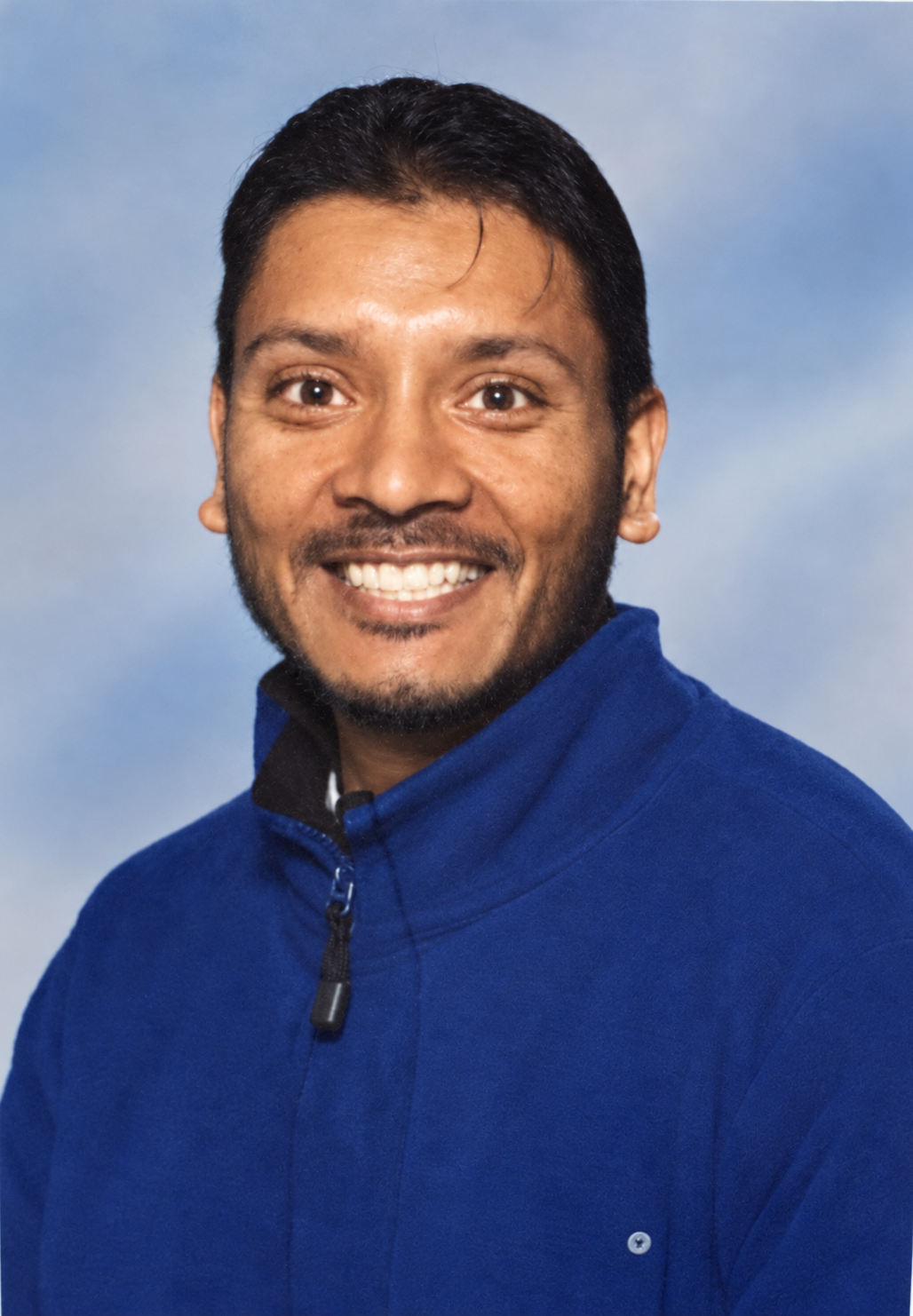
For many people, the earliest career choices are shaped by the people they admire most. For Dr. Harmesh Singh, one of those influences was closer than most. Growing up with a father who worked as a builder, he developed a deep appreciation for practical skills, dedication, and the quiet satisfaction that comes from creating something tangible through hard work. The world of construction was familiar to him, woven into the fabric of his daily life. It naturally became one of the first directions he considered for his own future.
After completing his school education, he moved towards Building Studies. He gained knowledge and hands on experience connected with the construction field. It was a path that reflected both his surroundings and the influence of his family background. He was not stepping into an unfamiliar world. He was exploring a profession that carried a direct connection to the work ethic he had witnessed throughout his childhood. It felt safe, sensible, and expected.
His time in this field eventually led him to work as a trainee architect. It was an opportunity to understand the profession more closely and experience what life within that environment would actually look like. He sat at desks, studied plans, and learned the technical side of the trade. But as he spent more time in the role, something began to shift. He started to recognise an important truth about himself. Although he respected the profession and appreciated the skills involved, he realised that sitting behind a desk and working within that particular setting did not bring out the qualities that made him feel most alive and engaged.
The decision to change direction was not just about leaving one career behind. It was about listening to his own interests more carefully and recognising where his strengths truly belonged. The creativity, the communication, and the deep connection with people that he valued were not being fully expressed in the path he had initially chosen. Gradually, he began to understand that his future needed to involve more interaction, more movement, and more opportunities to positively influence others. The quiet of the drafting table could not compete with the energy of human connection.
Sport had always remained an important part of his life, a constant thread running through everything else. It had given him confidence during his school years and provided a space where he felt completely comfortable expressing himself. As he reflected on his experiences, he began to see that sport was not only something he enjoyed personally. It was also something through which he could connect with others, especially young people who might be searching for their own sense of belonging.
This realisation led him towards Sport and Leisure Studies, marking a significant and courageous turning point in his journey. Moving away from the expected path required openness and a willingness to trust his instincts. It meant accepting that the first choice was not necessarily the final destination. Instead of viewing the change as a setback, he began to see it as an opportunity to move closer to something that matched his personality and aspirations more authentically.
The transition allowed him to explore an area where his natural abilities could develop further. His understanding of teamwork, communication, and encouragement began to take a clearer and more purposeful shape. The lessons he had learned through football, the discipline, the camaraderie, and the thrill of collective achievement, started connecting with his growing interest in helping others improve. Sport was no longer just a personal passion. It was becoming a way through which he could create meaningful, life-changing experiences for others.
Note of Thanks
Every journey carries the support of many hands. Behind every achievement is a story of people who believed, encouraged, and walked alongside us. Dr. Harmesh Singh recognises that his journey has never been shaped by his efforts alone. Every lesson learned, every challenge overcome, and every achievement reached has been supported by the people who have stood beside him throughout his life.
He extends his deepest gratitude to his parents, Mohan Singh and Gurmeet Kaur, whose sacrifices, dedication, and values created the foundation upon which his life was built. Their commitment to hard work, responsibility, and family remained a constant source of inspiration. They shaped the principles that continue to guide him today, and their quiet strength has never been forgotten.
He expresses heartfelt appreciation to his brothers and sisters, whose presence throughout his early years taught him the importance of connection, support, and togetherness. Growing up in a close family environment gave him lessons that continued to influence the way he values relationships and community. Those bonds have stayed with him, and he carries them into everything he does.
A special acknowledgement goes to his wife, Charanjit, whose love, understanding, and encouragement have remained a source of strength throughout his journey. As the person he considers his greatest mentor, her belief in him has supported him through every stage of his personal and professional life. She has been his anchor, his confidante, and his greatest champion.
He also offers his sincere thanks to his children, Amrit, Barina, and Rosepreet, whose achievements and growth continue to bring him immense pride and happiness. Their journeys remind him of the importance of encouragement, education, and creating opportunities for future generations. Watching them flourish has been one of the greatest joys of his life.
Beyond his family, Dr. Harmesh remains grateful to the teachers, mentors, colleagues, students, and communities who have contributed to his growth. Each interaction, lesson, and shared experience has added meaning to his journey as an educator and leader. He has learned as much from those he has taught as he has taught them.
This gratitude reflects a simple truth that has guided his life: success becomes more meaningful when it is shared with the people who make the journey possible. The support, trust, and encouragement he has received remain an essential part of his story and continue to inspire the work he does every day.
thanks,
– Dr. (H.C.) Harmesh Singh

AIMLAY is a leading global education platform empowering ACADEMIC and EXPERIENTIAL learners, uniquely focused on recognizing knowledge gained through experience and building a diversified community of doctorates and aspiring researchers.