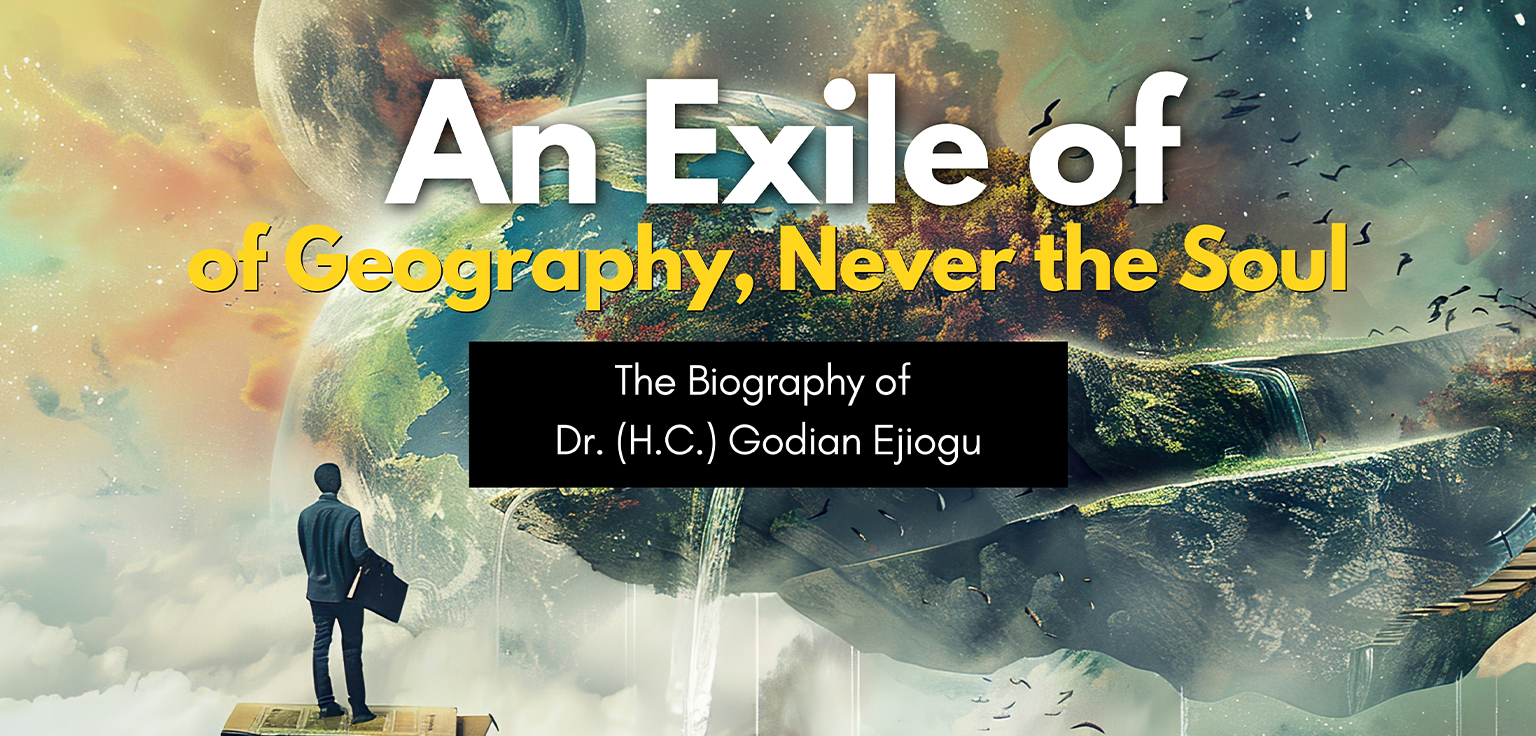
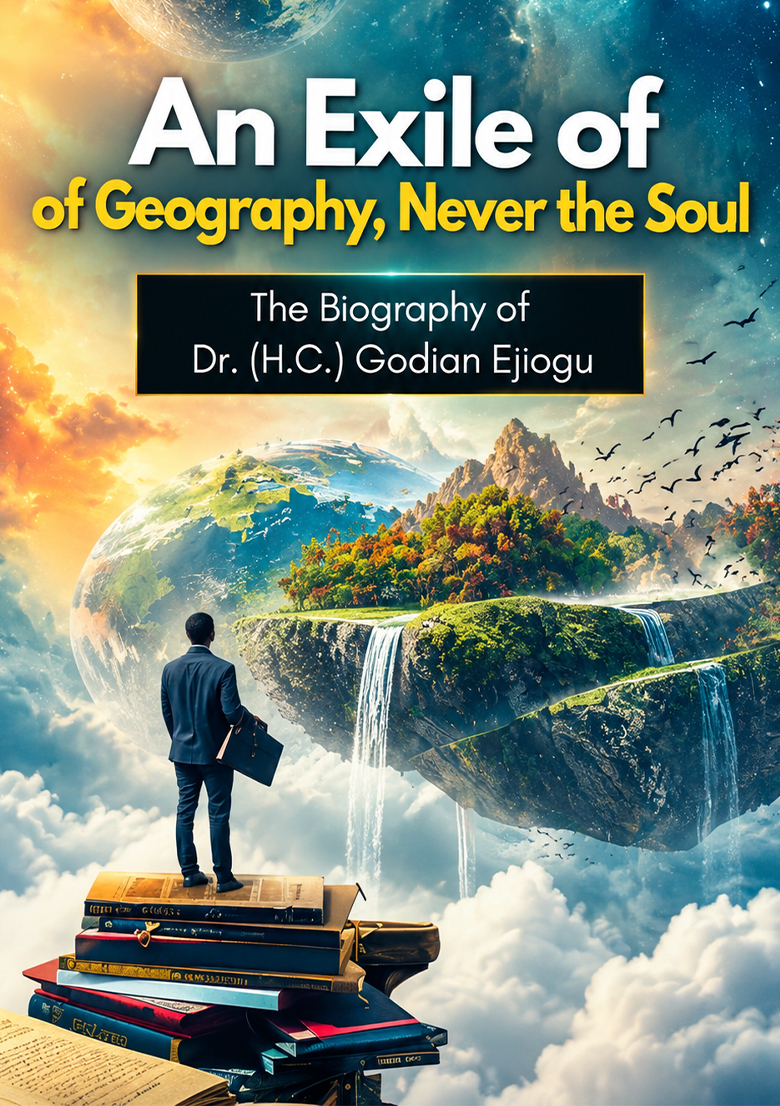
“I have known illness and displacement, yet faith carried me forward. I have built bridges across cultures, served the wounded, and held space for the lost. My life is proof that purpose finds those who keep serving, even when the road is uncertain, I trust my journey.”
Introduction
The life journey of Dr. Godian Ejiogu is not a straight line plotted on a map of achievements; it is a winding river fed by faith, service, culture, and the eternal human thirst for meaning. His story refuses to be contained within the boundaries of professional titles or the weight of responsibilities carried across decades. It is, at its core, a continuous act of devotion: the devotion to understanding people in their most vulnerable moments, to standing beside them when the ground trembles beneath their feet, and to gently guiding them back to their identity, their purpose, and the quiet sanctuary of inner joy that gives peace.
From the very dawn of his life, Dr. Godian was shaped by the hands that raised him. His parents, Gabriel Egbufor Ejiogu and Helen Anubelen Ejiogu, nurtured a household of twelve children with a rare combination of guidance and grace. The foundation they laid during those formative years was not built of grand sermons or rigid rules; it was built of daily lessons in family, responsibility, and compassion. These qualities, planted in the soil of his childhood, would later bloom in every corner of his adult life, colouring the way he approached every soul he would come to serve.
Faith emerged as one of the strongest pillars of his existence. His devotion to Christ Jesus transcends mere religious practice; it is the very heartbeat of his being, a source of strength that has steered him through seasons of triumph and seasons of shadow. His spiritual understanding did not remain confined to the walls of a church; it gradually expanded into a wider mission, a calling to care for people in their struggles and to help them unearth meaning within the rubble of their own experiences. Faith, for him, became a verb, an action word written in the language of service.
Over time, Dr. Godian transformed the raw material of his own experiences into a steadfast commitment to lifting others. His work as a Specialist African Chaplain, theologian, pastoral worker, psychosocial therapist, community leader, author, and educator represents the many facets of a man who refuses to be confined to a single box. His approach is holistic, rooted in the belief that true care requires understanding a person within the full context of their culture, beliefs, experiences, and deepest emotional needs. Through Peace Servant, these principles found a practical expression, bringing together his interests in care, education, research, and community service.
A significant portion of his mission has been devoted to African migrant communities. Dr. Godian understands, with a clarity born of lived experience, that migration is seldom a simple act of relocation. It is a journey that carries questions of identity, culture, and belonging, a process that can leave individuals suspended between two worlds. His work focuses on helping people maintain a lifeline to their roots while navigating the complexities of life in a foreign environment. Through counselling, education, research, and community engagement, he builds bridges where others might see only gaps, creating spaces where people can feel truly understood and supported.
His hunger for knowledge and his commitment to sharing it have also drawn him into the realm of education and digital learning. Recognizing that knowledge must be accessible to transform lives, he developed expertise in digital learning design, course development, and online education. His dedication was recognised with the Distinction Award from the Digital Learning Institute, a testament to his outstanding performance in achieving distinctions across four courses. This honour reflects not just academic excellence, but a deeper passion for expanding the ways in which wisdom can be shared and accessed by all.
"He learned early that connection was not a luxury but a lifeline, and that the values of family and responsibility planted in childhood would bloom throughout his life."
Phase 1: Where the Story Took Root
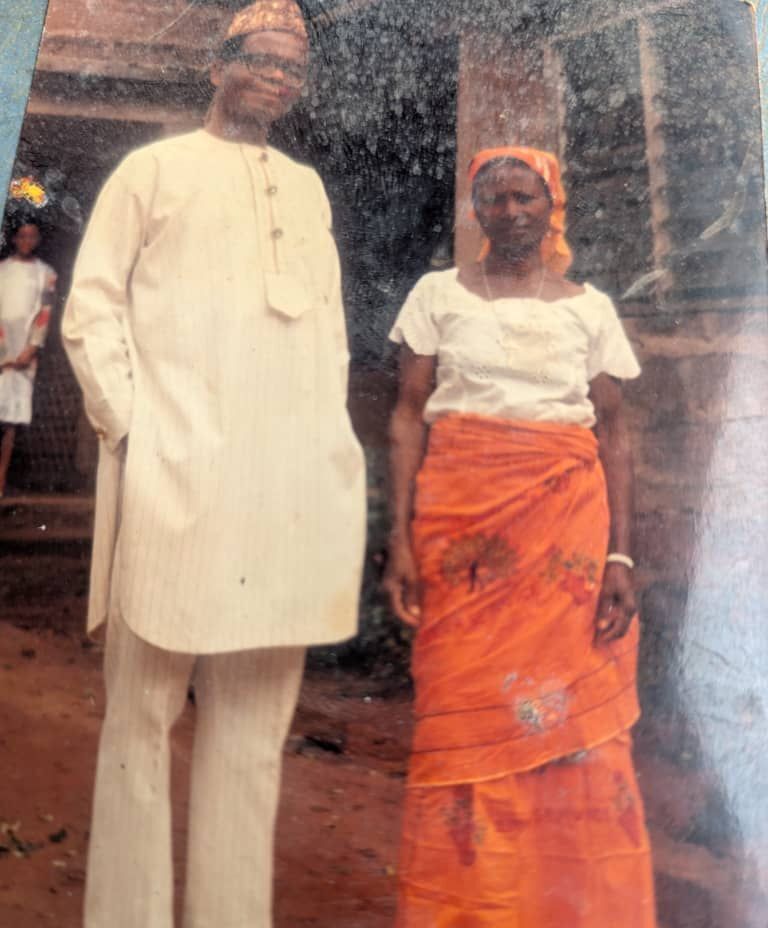
Every life story begins not with a single step, but with the womb that forms us, the prayers said, the hands that first hold us, the voices that first speak our names, and the walls that first shelter our dreams. For Dr. Godian Ejiogu, that beginning was inseparable from the family that cradled him and the environment lovingly shaped by his parents, Gabriel Egbufor Ejiogu and Helen Anubelen Ejiogu. They were raising twelve children and dozens of orphans, and within the rich, bustling chaos of that large household, the earliest contours of his character were quietly being carved.
To grow up as one of twelve is to understand, from the very first breath, that life is never lived in isolation. Family was not a distant concept or a photograph on a wall; it was the very air he breathed. The presence of so many siblings created a living classroom where relationships were not optional but essential, where consideration for others was not a lesson but a necessity, and where shared responsibility was woven into the fabric of daily existence. Though the details of his childhood may have faded with time, the significance of his parents in his formation remains luminous. Their place in his understanding of his own journey has never dimmed.
His father and mother were his first and most intimate mentors. Long before teachers entered his life, before colleagues crossed his path, before spiritual leaders offered their wisdom, and before other guides appeared to shape his direction, it was his parents who gave him his earliest compass. Their influence did not remain confined to childhood; it seeped into the very marrow of his being, becoming a foundation he would carry forward into every season of his life. The values they instilled, particularly those associated with family and human dignity, would later become visible in the way he approached people and communities. His concern for human well-being was not an acquired trait; it was a seed planted in those early years.
Family also became the lens through which he understood responsibility. Being raised within a household of twelve children and dozens of orphans placed him within a powerful network of relationships from the very outset. He learned early that the well-being of others was not separate from his own, that connection was not a luxury but a lifeline. His later commitment to people was simply an extension of that same broader human concern, a concern that became evident throughout his life in his tireless interest in helping others feel understood, supported, and genuinely connected.
The story begins, then, not with a position, not with an award, and not with a professional title. It begins with family. It begins with a father and a mother raising twelve children and with a young Dr. Godian growing within that vibrant, living experience. Those beginnings provided the first framework through which he encountered responsibility, relationships, and the profound importance of people. They became the quiet, unassuming starting point for a much wider journey, one that would eventually lead him to a life of service that has touched countless souls.
“He discovered that belonging does not require abandoning one’s roots, and that understanding can flourish across differences when there is openness and genuine interest.”
Phase 2 : Finding Connection in a Foreign Land
As Dr. Godian Ejiogu’s life carried him beyond the familiar embrace of his early family years, his experiences in the Netherlands introduced another profound dimension to his understanding of people, culture, and the fragile architecture of belonging. Living in a foreign environment brought him into contact with individuals and experiences that expanded his perspective in ways he could not have anticipated. Among the relationships that became particularly luminous during this period was the one he formed with a Dutch mentor and priest, Prof. Ben Hemelsoet, a man whose presence would leave an indelible mark on his journey.
What made this relationship meaningful was not that the mentor taught him his language or introduced him to his own culture. Dr. Godian had already come to the Netherlands as an adult, carrying his language, heritage, and identity with him. The importance of the relationship lay elsewhere. In a foreign country, this Dutch mentor and priest became someone whose presence made a lasting impression on him. Their connection showed him that people from different cultural backgrounds could meet with genuine respect and human understanding, without asking one another to leave their roots behind.
For him, this encounter became one of the most memorable of his time in the Netherlands. He would later describe this Dutchman and priest as one of the best people he ever met there. The weight of that statement lies not in hyperbole but in the quiet authenticity of the relationship itself. In an unfamiliar setting, surrounded by the disorientation of a new culture, he encountered someone who offered encouragement rather than distance, understanding rather than indifference, and friendship rather than mere politeness. That experience became a cornerstone in the way he came to value relationships that cross cultural boundaries, relationships that affirm rather than erase.
The intricate connection between culture and identity would later become an essential thread running through every aspect of Dr. Godian’s professional life. His subsequent work with African migrants, cultural issues, spiritual care, and multicultural challenges would place him in situations where questions of belonging were often the beating heart of the matter. Yet the importance he attached to culture did not originate as a professional concept, a theory learned from textbooks or lectures. It was born from lived experiences such as this one, which gave personal meaning to the relationship between a person’s roots and the environment in which they find themselves.
The encouragement to maintain Igbo was particularly significant because language carries so much more than communication. It preserves connection with heritage, it carries the echoes of ancestors, and it provides a way of remaining close to one’s cultural identity even when geography has shifted. The mentor’s willingness to support that learning reflected a form of care that Dr. Godian never forgot. It showed him that respect for another person’s background can itself become one of the most profound expressions of friendship and support. In that act, the mentor was saying, without words, that who you are matters, and you do not have to leave that person behind to find a place in this new world. He put it categorically to him “if you lose your mother tongue and your culture, you are useless to yourself and to everyone”. This sentence spoken in May 1994, did not leave the soul of Dr. Godian. He became aware of culture and its importance in life.
Years later, the themes present in that relationship would appear repeatedly in his work. His interest in African culture and people, his attention to migrant experiences, and his deep concern for culturally sensitive care would all place culture at the very centre of his engagement with people. His professional understanding would become more sophisticated and refined, but the human principle remained familiar and steadfast: people should not have to lose their roots to find their place in a new environment. They deserve to carry their entire selves into every new chapter of their lives.
“He came to understand that some of the most consequential moments arrive quietly, interrupt everything, and leave a person looking at life with eyes that have learned to see more clearly.”
Phase 3 : The Pause That Redefined Everything
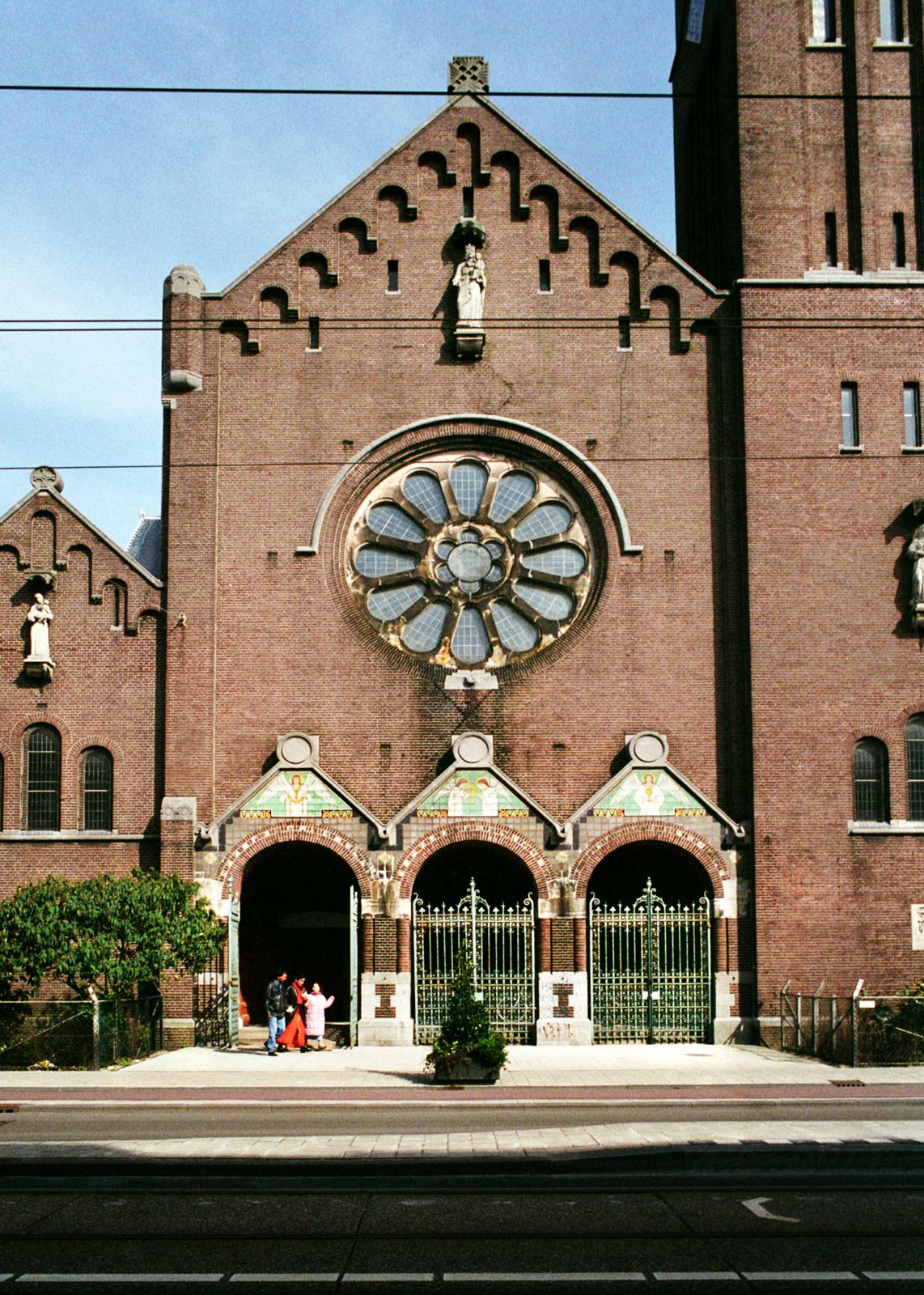
There are moments in every life when the rhythm of everything changes, when the music that once propelled a person forward suddenly falters, and silence rushes in to fill the space. The plans that once seemed urgent fade into irrelevance, ordinary concerns lose their grip, and attention turns inward with an intensity that cannot be forced or faked. For Dr. Godian Ejiogu, one such moment arrived when he was admitted to the hospital. He has identified that experience as a turning point in his life, a threshold that marked the moment when his journey took on an entirely different meaning.
A hospital admission has a way of interrupting the flow of life in a manner that few other experiences can match. The outside world continues its relentless motion, but the person lying in that bed exists in a suspended reality where time moves differently and priorities are stripped down to their barest essence. For him, this was not simply another event to be filed away among the many chapters that followed. It became a point of profound reflection, a moment that compelled him to look more closely at his own existence and at what truly mattered beneath the surface of daily routines. The significance of the experience lies in the fact that he remembers it not merely as a period of illness, but as a defining point in his personal journey, a line drawn in the sand of his consciousness.
What makes this turning point especially significant is that it did not remain isolated from the rest of his life, a sealed compartment visited only in memory. The concerns that would become increasingly visible in his work, including human well-being, spiritual care, mental health, and the search for meaning, can all be viewed alongside the personal experiences that shaped his understanding of vulnerability. His later work would involve sitting with people during their most difficult periods, giving serious and compassionate attention to the questions that arise when life becomes uncertain and the ground beneath one’s feet begins to tremble. The hospital experience formed part of the personal ground from which that deep sensitivity developed.
He would eventually work with individuals, groups, and communities through spiritual and psychological counselling and therapy. He would also become deeply involved in cultural and social questions affecting African migrants, particularly where questions of identity, religion, mental health, and life in a foreign environment intersect in complex and often painful ways. Yet before these became areas of professional service, before he could guide others through their struggles, he himself had encountered a moment that demanded stillness, reflection, and an honest reckoning with his own limitations.
There is also something deeply and achingly human in the way this experience sits within his story. A person who would later devote himself to helping others through questions of meaning and well-being first had to encounter his own moment of vulnerability, his own brush with the fragility that defines the human condition. His life was not shaped only by education, professional development, leadership, or service. It was also shaped by experiences that brought him closer to the realities faced by ordinary people when circumstances become difficult and the future grows uncertain. He did not stand apart from those he would later serve; he had walked through the same shadows. That experience deepened his understanding of what it means to be human.
That transformation made him unique and able to reach people, even those who lost trust in humanity and sometimes even lost trust in God.
That understanding would become essential as his work developed. His approach to care would extend far beyond any single dimension of a person’s life. Spiritual questions, emotional struggles, cultural identity, relationships, and social circumstances could not simply be separated from one another and placed in neat compartments. They were interwoven, each thread affecting the others. His later professional description reflects this broad and holistic understanding, combining spiritual care with psychosocial therapy, counselling, mentoring, coaching, mediation, consultancy, and education. Each of these disciplines found its place within a vision of care that honoured the whole person.
Note of Thanks
Every meaningful journey, no matter how solitary it may appear from the outside, carries the indelible imprint of people who, in ways both visible and quiet, helped make the road possible. For Dr. Godian Ejiogu, gratitude begins with those whose presence shaped him long before his work became known beyond his immediate world, long before any title was bestowed or any award received. He holds a deep and abiding appreciation for his parents, Gabriel Egbufor Ejiogu and Helen Anubelen Ejiogu, whose place in his life reaches back to his earliest understanding of family, responsibility, and human connection. Their influence remains part of the foundation upon which he has built his life, the bedrock beneath every achievement.
He is equally grateful for the people who entered his journey at important moments, often unexpectedly, and offered something that could not be measured simply by words, something that could only be felt. Among them, he remembers with particular warmth the Dutch mentor and priest, Prof. Ben Hemelsoet, whose presence during his years in the Netherlands left a lasting impression on him. He remains deeply grateful for the kindness, understanding, and human connection he experienced through that relationship.
His gratitude also carries special weight when he remembers Mgr (Prof. Dr.) Ruud Huysmans, his teacher in the 1990s. The relationship extended beyond the classroom and became one of mentorship and unwavering support, a bond that transcended the ordinary. During a difficult period of personal struggle, Ruud Huysmans stood beside him and offered guidance when it mattered greatly, when the ground beneath his feet seemed most uncertain. His support during that difficult period remains deeply remembered: “I will never forget him.”
He also gives thanks for his three children, Luc, Vera, and Aram, whose place in his life is deeply personal and irreplaceable. Their presence represents a bond that reaches beyond professional responsibilities and reminds him of the meaning found in family, the love that grounds everything else. They are not simply names in a dedication; they are the living heartbeat of his story.
Above all, his gratitude returns to Christ Jesus, whose place in his life remains central, the compass by which he has navigated every season and the inner fire within him that kept him warm when the world around him became ice-cold. For Dr. Godian, faith and service are closely connected, woven together so tightly that they cannot be separated. Gratitude is not merely something expressed at the end of a journey, a closing courtesy. It is part of how he continues to understand the journey itself, a lens through which he sees every blessing and every trial. It is the quiet music that has accompanied him all the way.
thanks,
– Dr. (H.C.) Godian Ejiogu

AIMLAY is a leading global education platform empowering ACADEMIC and EXPERIENTIAL learners, uniquely focused on recognizing knowledge gained through experience and building a diversified community of doctorates and aspiring researchers.