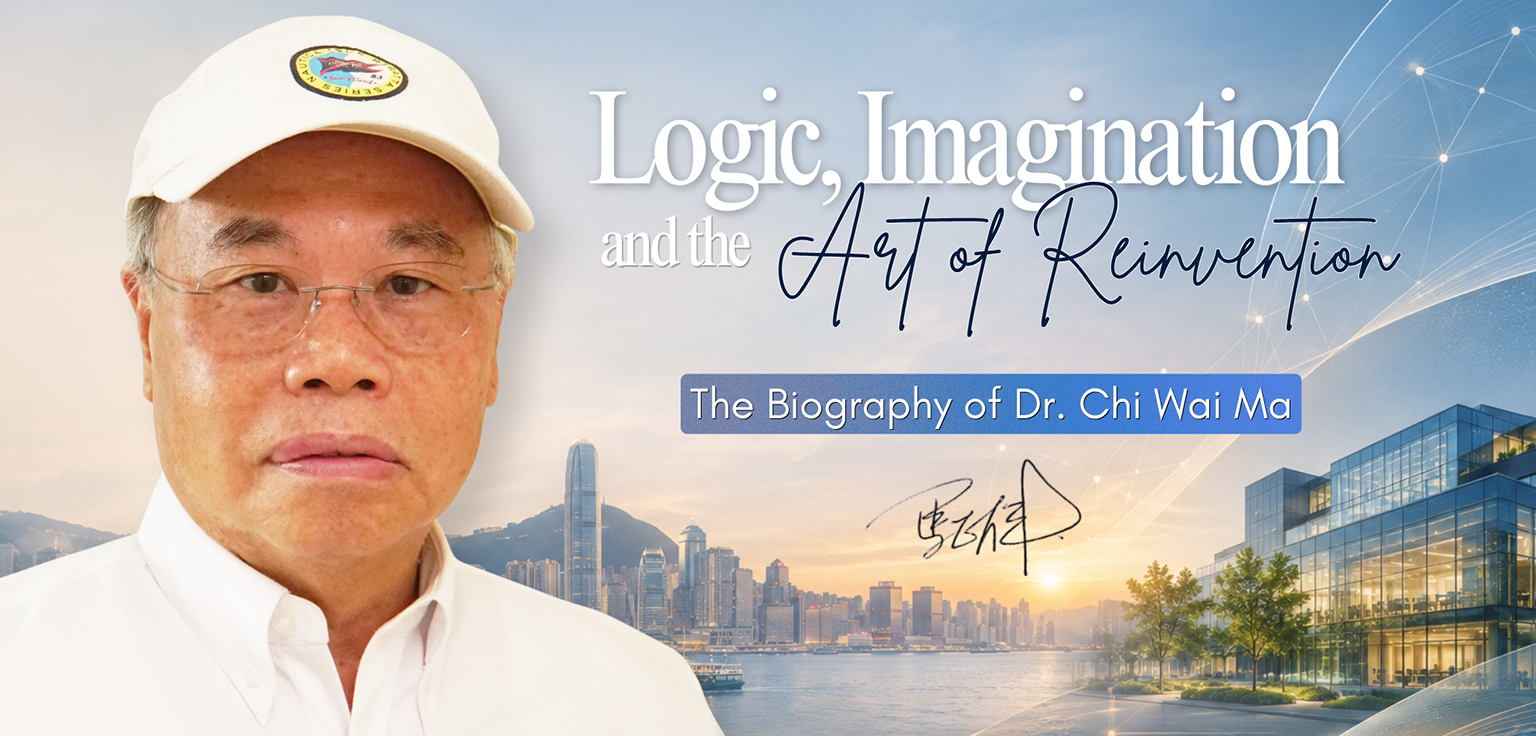
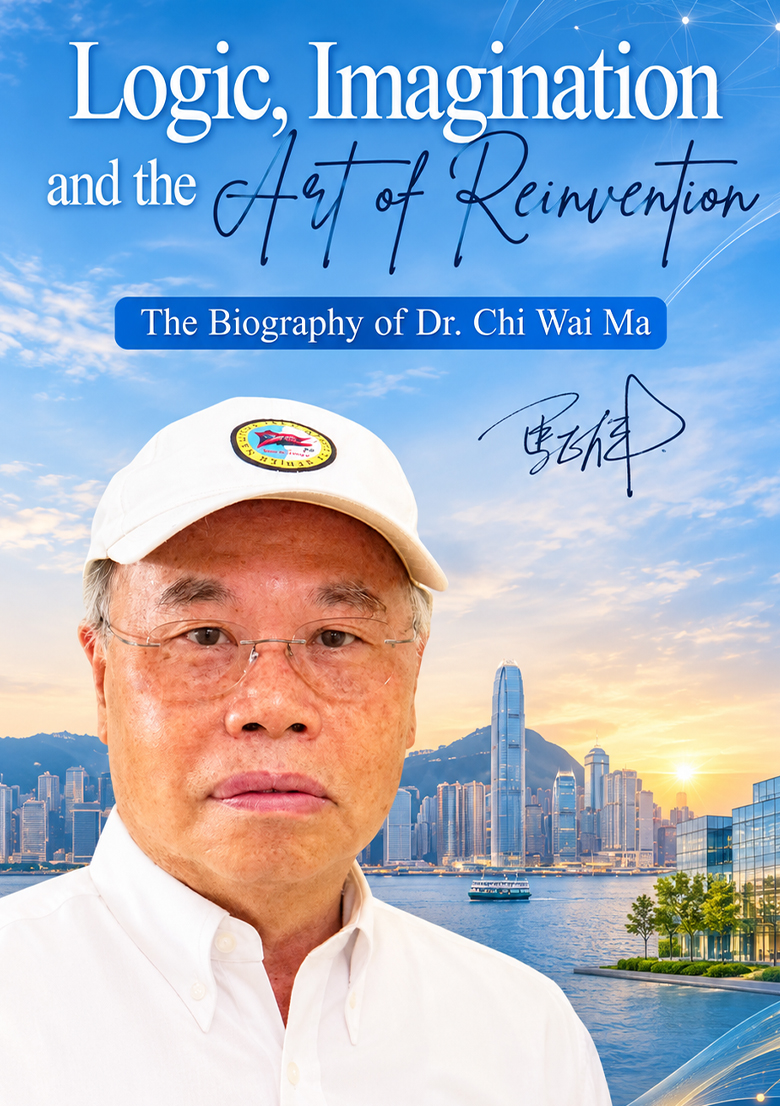
“I have learned that life rarely reveals its possibilities all at once. Sometimes, the most beautiful discoveries begin with the courage to question what seems certain.”
Introduction
A lifetime of work can begin with something as simple as wanting to understand how things function. That curiosity eventually led Dr. Chi Wai Ma into a career spanning electronics, telecommunications, business consultancy, academic research, and sustainable development. What began with technical responsibilities gradually developed into work involving organisations, industries, educational institutions, and people seeking better ways to solve difficult problems.
Born on 14 January 1954 in Hong Kong, he grew up at a time when opportunities were not equally available to everyone. Financial circumstances meant that education and employment became closely connected in his early life. He learned to accommodate both, carrying responsibilities that required discipline and a willingness to keep going. Those experiences formed an important part of the man he would become, although few could have predicted the professional directions his life would eventually take.
His first working years brought him into close contact with electronics and telecommunications equipment. It was practical work that demanded attention, patience, and technical understanding. As technology developed, his responsibilities changed with it. He moved from working with equipment to developing systems, managing technical assignments, and eventually examining how entire business operations could function more effectively.
The transition was not always comfortable. In 2002, he faced one of the greatest professional challenges of his life as he moved further into management consultancy. He had to understand management practices, organisational expectations, and the difficulties people experienced when established working methods were changed. It required him to acquire different skills while continuing to make use of everything he had already learned.
Over time, his consulting responsibilities expanded across telecommunications, information technology, business improvement, and regulatory studies. His work involved organisations facing questions about efficiency, service quality, technological investment, and future development. Rather than relying on assumptions, he placed importance on gathering facts, examining evidence, and understanding the reasons behind a problem before proposing a solution.
Alongside these professional responsibilities, Dr. Chi Wai continued his academic education. His interests extended from computing and business information technology into management, electronic commerce, education, and health sciences. Research became another way for him to examine questions that had practical consequences beyond the classroom.
Teaching and professional development gradually occupied a greater place in his life. He became involved in training management consultants, supervising academic research, and contributing to professional institutions. Through these activities, experience gained over many years could be shared with individuals preparing to undertake responsibilities of their own.
"The opportunity to learn becomes more valuable when earning a living is already a responsibility."
Phase 1: The Factory Floor Before the Classroom
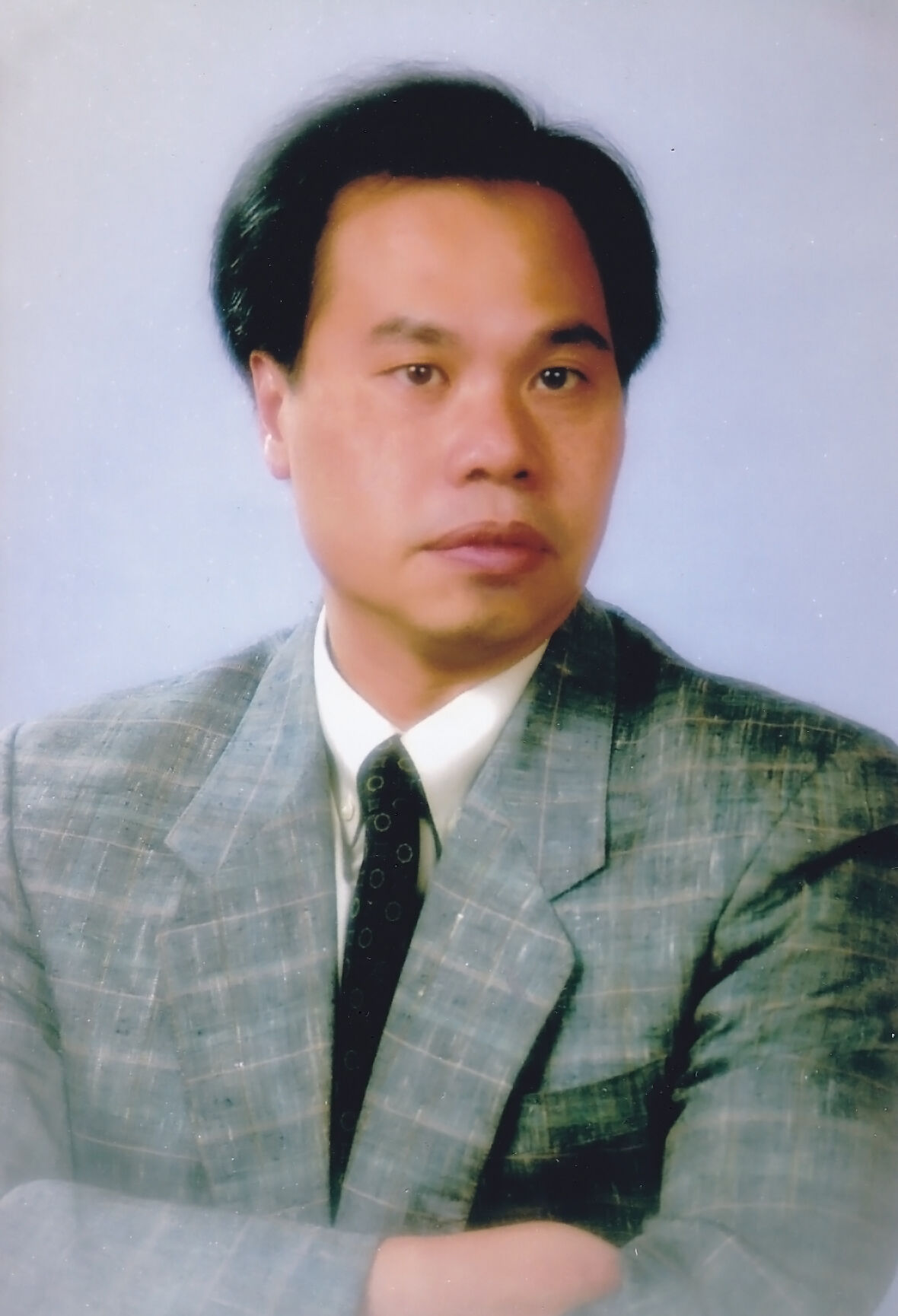
On 14 January 1954, Dr. Chi Wai Ma was born in Hong Kong, into a family whose roots extended to Hoifung County, China. His parents, Hon Ling Ma and Sui Mei Tong, belonged to the earliest and most personal part of his life. Long before professional titles became associated with his name, he was a young boy growing up in circumstances where the future could not be taken for granted. The family’s limited financial means made certain decisions necessary earlier than they might have been for other children.
Education was important, but continuing it required more than attending school. After completing his primary education, he began working in a factory during the day while attending secondary classes in the evening. It was an arrangement that placed two very different responsibilities within the same day. One demanded his time and labour; the other required concentration and the willingness to continue studying after work. Neither could simply be set aside.
For a young person, the difference between wanting an education and finding a way to obtain one can be considerable. Dr. Chi Wai had to make room for learning within the practical demands of daily life. His school years were therefore not confined to classrooms. They were also spent understanding what it meant to work, follow instructions, fulfil responsibilities, and make use of the time available to him.
There was little separation between preparing for adulthood and already carrying some of its obligations. While other aspects of his life were still developing, employment had become a reality. His decision to continue evening education meant that working did not bring his studies to an end. The two continued together, even though each required something different from him.
These circumstances are important because they reveal the conditions under which his education developed. His later academic accomplishments would be considerable, but his earliest experience of learning was far removed from the idea of studying without financial responsibilities. He had to find a workable arrangement that allowed him to do both.
The factory was part of that arrangement. It provided employment at a time when the family faced financial limitations. Secondary education, meanwhile, remained something he was unwilling to abandon. His life during those years cannot be understood by considering either responsibility in isolation.
As his interests developed, technical education offered a direction in which practical ability and further learning could meet. Electronics and electrical engineering would eventually become important parts of his working life, but his preparation began before he entered the professional positions for which he later became known.
In October 1974, he began electrical engineering training at Hong Kong Polytechnic, continuing through an evening programme that extended into 1976. This was an important step in his education. Rather than treating his existing employment experience as sufficient preparation for the future, he pursued structured technical learning that could develop his understanding of the field.
“Understanding the smallest component can open the way to understanding an entire system.”
Phase 2 : Learning the Language of Machines
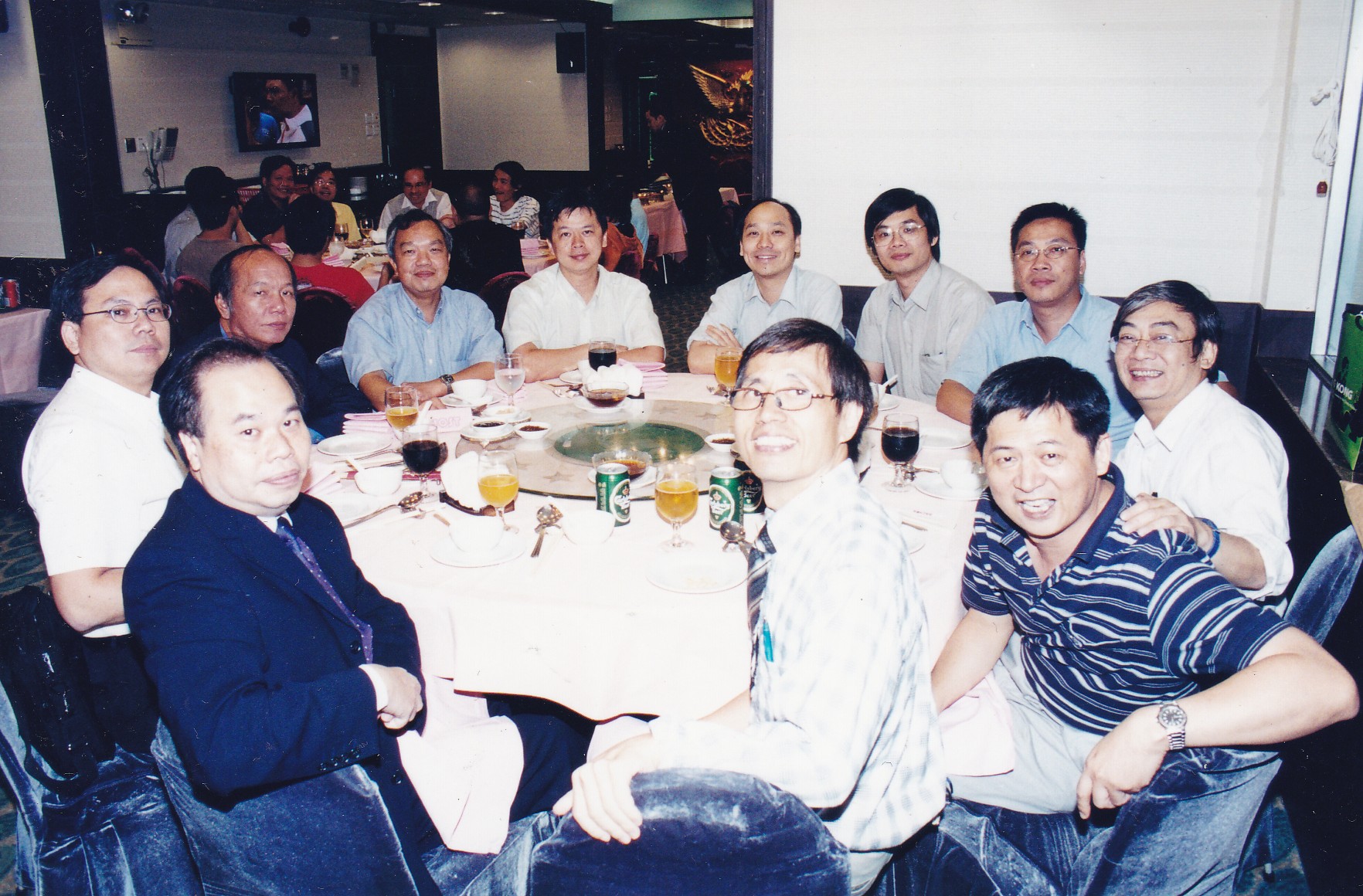
In August 1975, Micro Electronics Hong Kong Limited welcomed Dr. Chi Wai Ma as a Laboratory Technician. It was a workplace where technical knowledge had to be applied with care. Semiconductor production involved precise processes, and the work required an understanding of electronic components that went beyond their appearance or individual functions. For someone developing his professional abilities, it was an opportunity to become familiar with the practical demands of electronics manufacturing.
His responsibilities involved semiconductor wafer fabrication and production engineering. He worked with technologies associated with bipolar junction transistors, field-effect transistors, unijunction transistors, silicon-controlled rectifiers, and light-emitting diodes. Each belonged to a different area of electronic application, and working with them gave him experience across several types of semiconductor devices.
The laboratory environment placed importance on accuracy. Electronic components could not be understood through theory alone. Their characteristics, behaviour, and performance had to be examined through practical work. Dr. Chi Wai’s responsibilities brought him into this process, allowing him to develop technical knowledge through direct involvement in production activities.
He also contributed to the development of a radio laboratory. This assignment extended his experience beyond individual semiconductor components into a broader technical setting. It brought together equipment, electronic principles, and laboratory requirements, adding another dimension to the work he was undertaking.
Those four years established his early professional experience in electronics. By September 1979, his association with Micro Electronics had come to an end, and telecommunications was becoming the next important direction in his career.
In August 1979, he joined Cable & Wireless as a Trainee Technician. The move introduced him to a different technical environment. Semiconductor manufacturing had involved the production and behaviour of electronic devices, while telecommunications required an understanding of how information could be transmitted, received, monitored, and managed through communication systems.
He undertook training at the Cable & Wireless Training School, with the training period extending from June 1979 to January 1980. His early responsibilities included work associated with the Both Ways Telex Monitor, an area that brought him into contact with telecommunications operations and monitoring systems.
“A successful transformation is written into the minutes saved, the errors prevented, and the possibilities created.”
Phase 3 : When Engineering Became a Way to Change Business
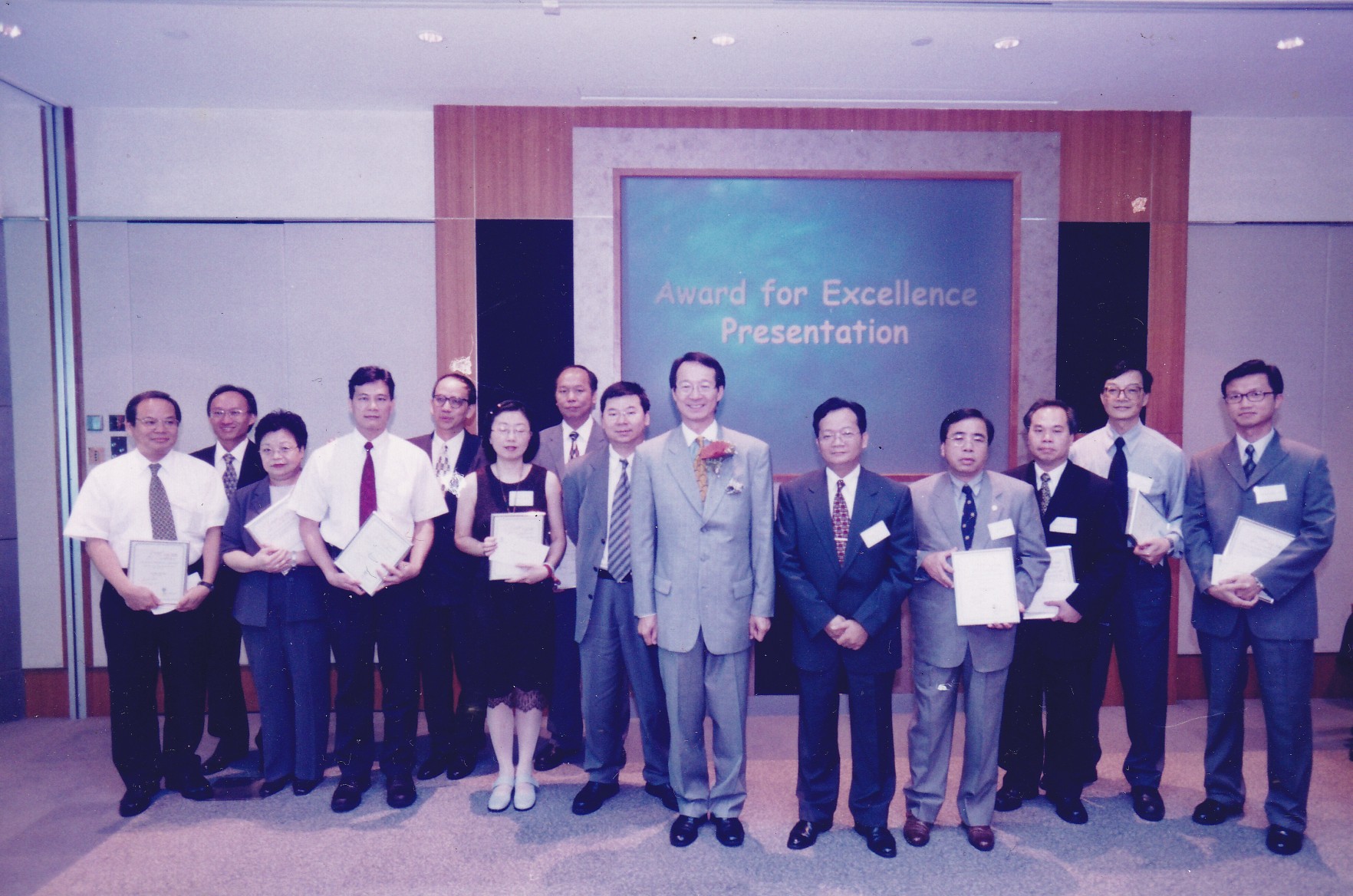
By August 1990, Dr. Chi Wai Ma was taking on responsibilities that required more than understanding how individual technologies operated. His appointment as an Engineer in Customer Premises Equipment and Systems Integration brought him closer to the needs of businesses using telecommunications and information systems. Equipment, software, communication networks and everyday working procedures had to function together. His task was no longer limited to one technical element. He had to consider how those elements could support an organisation’s activities.
This change became particularly meaningful as he began working on projects for commercial clients. Every organisation had its own requirements, and a system that performed well technically was not necessarily useful unless it suited the work people needed to complete. Engineering decisions therefore had to take account of business processes, operational requirements and the practical circumstances in which a system would be used.
In 1991, he became involved in the Hang Hing Medicine Processing System. The assignment connected information technology with the operational needs of a medicine business. It required attention to the relationship between business activities and the systems intended to support them. Such work broadened the application of Dr. Chi Wai’s technical experience beyond telecommunications operations.
During 1991 and 1992, he also worked on the Information Processing and Logistics System. Information and logistics were closely connected in this assignment. The usefulness of a system depended not only on processing information but also on making that information available for operational purposes. The project gave him further experience in developing integrated solutions rather than treating software and business activities as unrelated concerns.
Another important assignment followed in 1992 and 1993, involving the Shell Hong Kong Information and Communication System. His responsibilities included project management and facilitation, bringing a greater degree of coordination into his engineering work. He had to deal with the requirements of a business environment in which information and communication capabilities formed part of everyday operations.
These assignments marked a significant widening of his professional responsibilities. He was working with organisations whose needs could not be addressed by technical knowledge alone. The ability to understand requirements, coordinate development activities and connect different systems was becoming an essential part of his work.
In September 1993, he advanced to the position of Senior Engineer at Hong Kong Telecom. The appointment brought further opportunities to improve established operational systems. His work increasingly concerned the relationship between technology, service delivery and the people responsible for carrying out business activities.
Note of Thanks
Behind the many years of Dr. Chi Wai Ma’s professional journey are people whose encouragement, cooperation and support have meant a great deal to him. Their contributions hold a significance that extends beyond his individual achievements.
His heartfelt gratitude goes to his family, whose constant support has remained an important part of his life. Through the demands of professional responsibilities, academic pursuits and continuing commitments, their presence has provided a sense of belonging and personal encouragement.
He extends sincere appreciation to his research partners, colleagues and fellow professionals across various organisations and institutions. Their knowledge, dedication and willingness to collaborate have contributed meaningfully to the projects and initiatives they pursued together.
He is equally grateful to those who have participated in his academic and professional training activities, enriching the exchange of knowledge and ideas. He values every contribution and remains appreciative of the people who have accompanied him throughout his journey.
thanks,
– Dr. (H.C.) Chi Wai Ma

AIMLAY is a leading global education platform empowering ACADEMIC and EXPERIENTIAL learners, uniquely focused on recognizing knowledge gained through experience and building a diversified community of doctorates and aspiring researchers.