“Character is built by the decisions you make when nobody is watching.”
Introduction
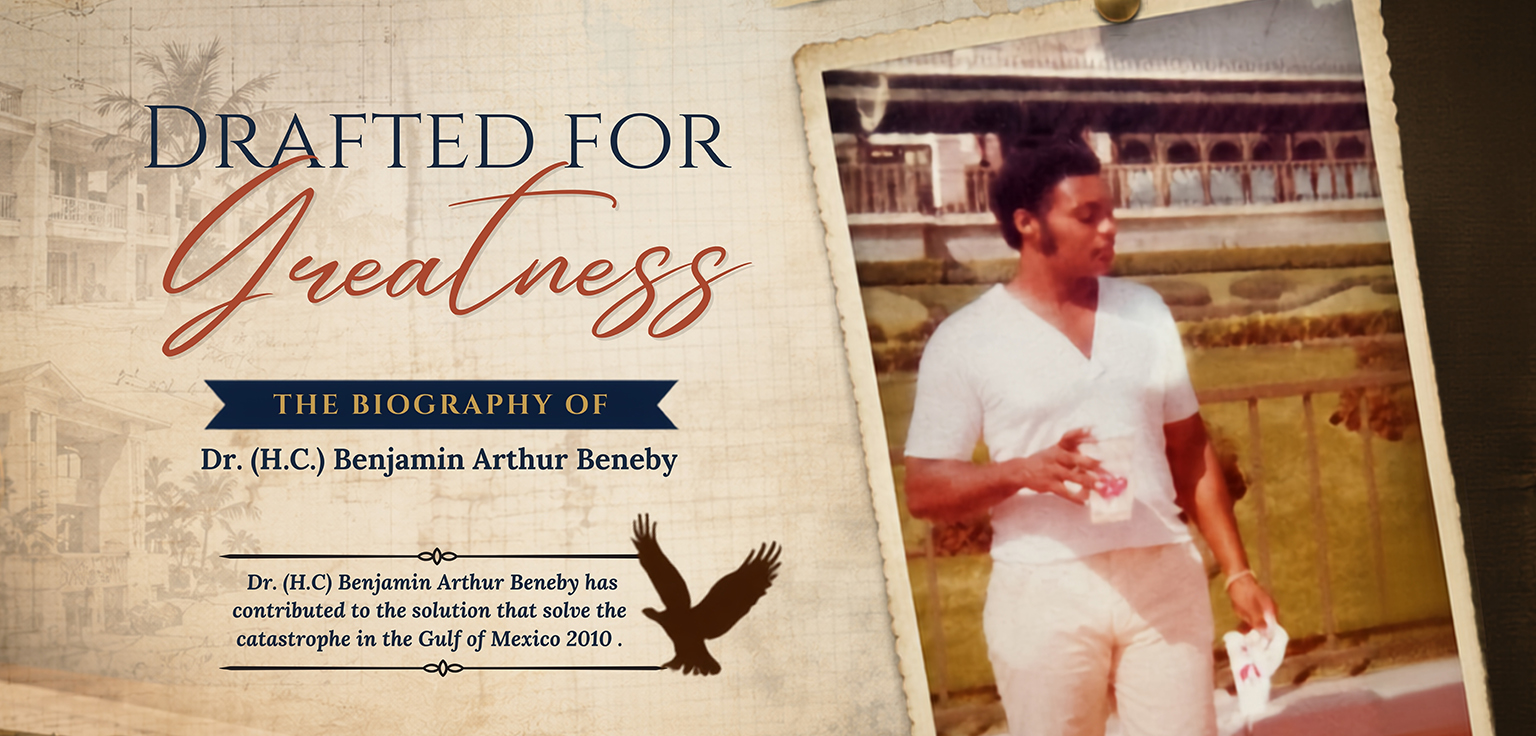
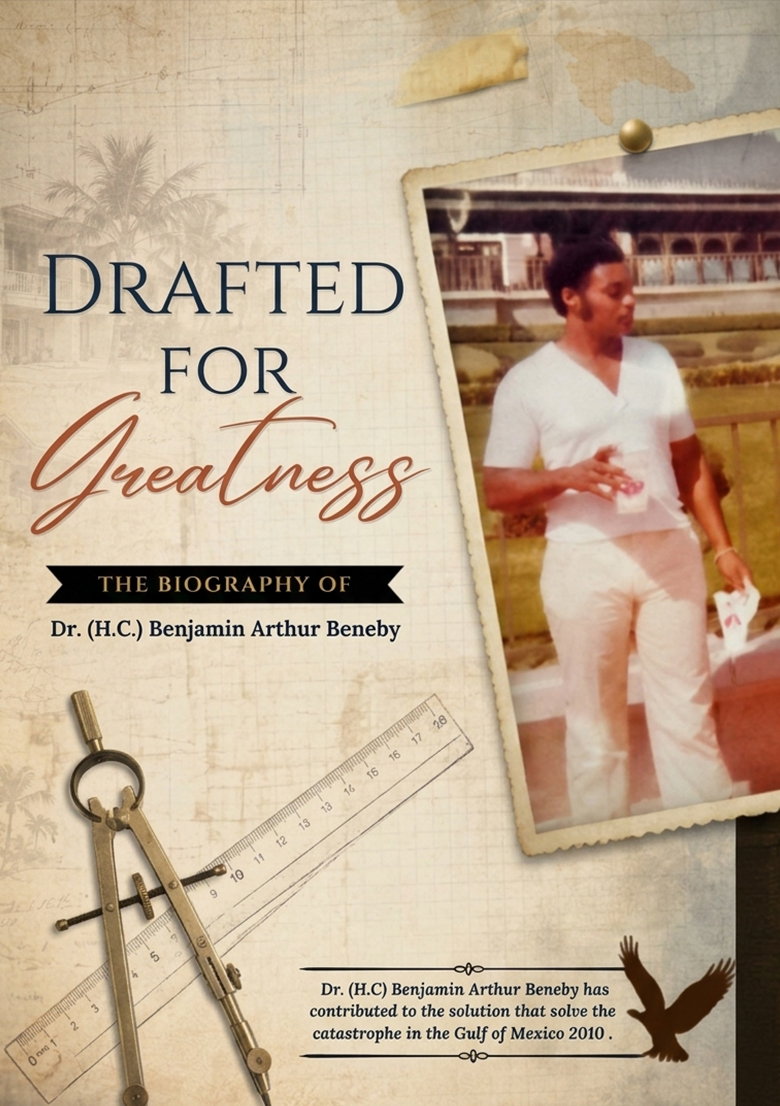
Some lives are defined by a single profession. Others are formed by a combination of talents, experiences, and responsibilities that change over time while remaining connected by a common purpose. The life of Dr Benjamin Arthur Beneby belongs firmly to the latter category. Throughout his journey, he has remained true to the values that shaped him from childhood, demonstrating a lifelong dedication to learning, creating, building, and leading.
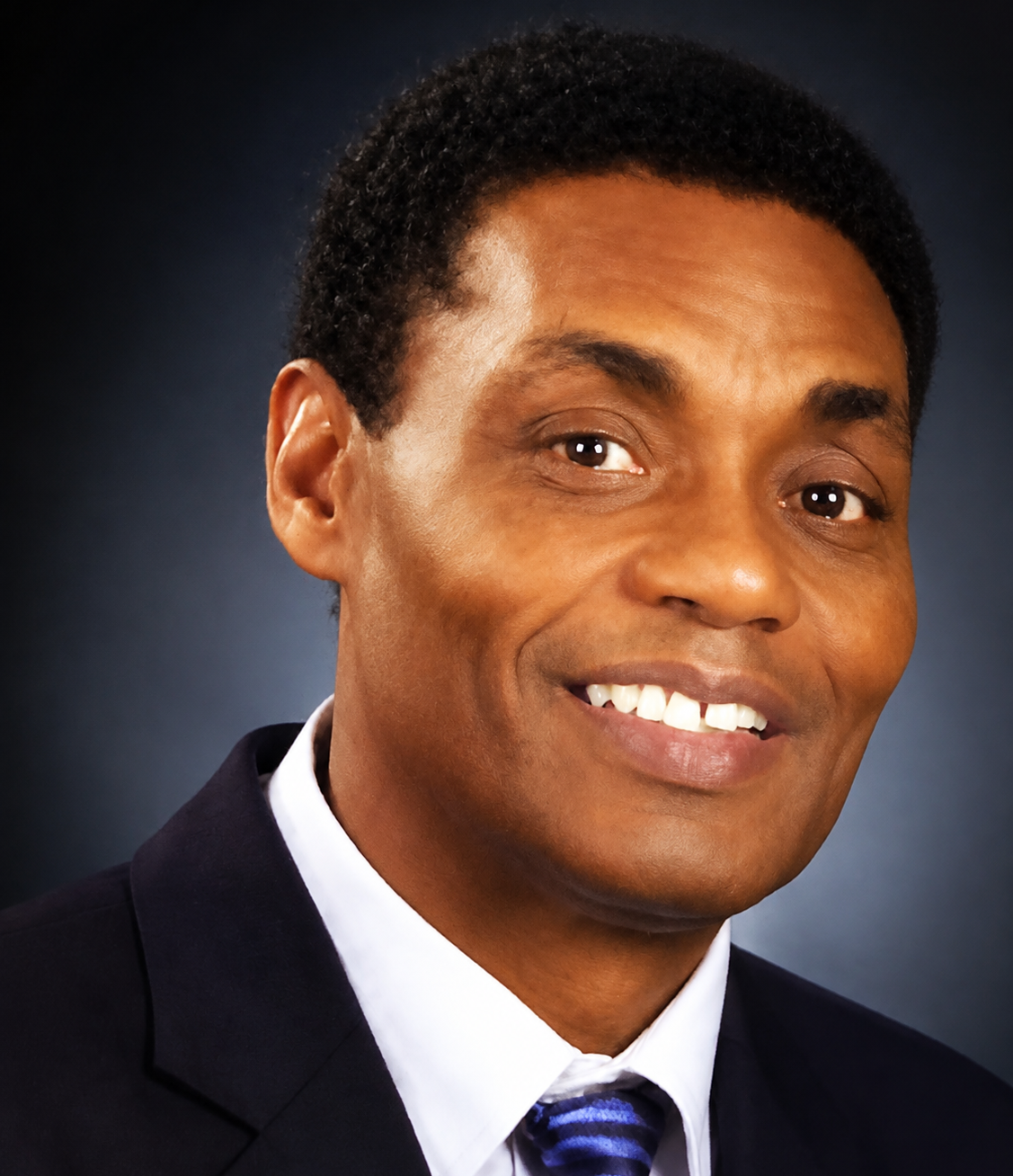
Dr Benjamin Arthur Beneby was born on May 22, 1949, in The Bahamas in an environment where faith, discipline and personal responsibility were the order of the day. Coming from a very religious family background, Dr Benjamin was introduced early on to tenets that would later impact his character and professional conduct. The example set by his family, especially the strong leadership that was displayed in his household and community, helped to form a mindset based on integrity, accountability and respect for others.
From his childhood, he began to show signs of creativity and initiative. The construction of kites and participation in practical activities allowed him to explore ideas, solve problems and develop skills that would become important foundations for his professional life. These early experiences stimulated curiosity and cultivated a natural inclination towards design, construction and innovation.
As he was getting more education, he found he had a special talent for mathematics. What started out as an academic ability slowly became one of the hallmarks of his professional philosophy. All his life, mathematics was not only a subject of study but also a practical tool to understand problems, to evaluate alternatives and to engineer successful solutions. This analytical way of thinking would also influence his work in architecture, business, project planning and decision-making.
His education was a blend of academic learning and practical experience. He was exposed to technical education and apprenticeship programmes, which gave him the opportunity to learn both the theoretical and practical aspects of construction and design. He viewed learning not as a series of isolated experiences but as a continuous process of applying knowledge to real-life situations. This blend of education and hands-on experience provided him with a solid foundation for future achievements.
His enthusiasm for construction grew into an active investment in the field of architecture and design, which he cultivated over the years through professional training and extensive hands-on experience. His aptitude for translating ideas into detailed plans was accompanied by a clear sense of structural principles and project objectives, which he was able to translate into work that reflected a technical mastery of the subject as well as a meticulous dedication to accuracy and thoroughness.
With opportunity came an increase in the scope of his professional activity. He gained a reputation as a reliable architectural designer whose work was known for its quality and detail. One of his more publicised accomplishments was the design of Sir Richard Harris’ residence on Paradise Island, a project that gained international attention when it was featured on the television programme Lifestyles of the Rich and Famous. The notoriety surrounding this project helped to bring greater exposure to his work and demonstrated the level of excellence he continually aimed for.
"Character is power."
Phase 1: The Bedrock of Belief and Belonging
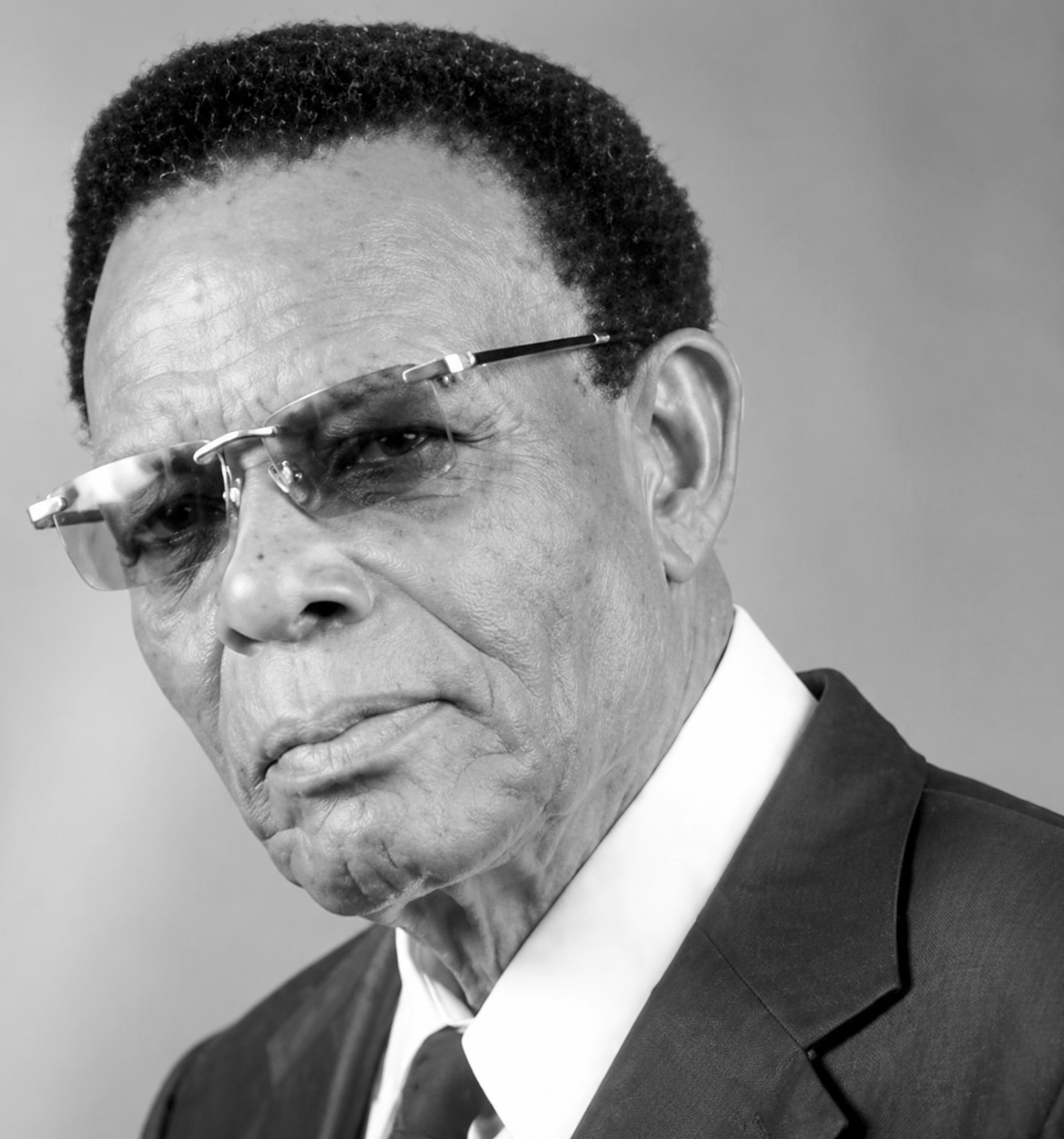
Every great journey begins with a foundation. Long before professional success, business leadership, architectural accomplishments, and decades of entrepreneurial success, the life of Dr Benjamin Arthur Beneby was shaped by lessons learned in the intimate setting of family, faith and community. These early influences laid the foundation for the principles that would shape his life and become the cornerstone of his personal and professional identity.
Dr Benjamin Arthur Beneby was born on May 22, 1949, in The Bahamas, where he and his family lived values daily. His early life was spent in a very religious home that emphasised responsibility, discipline, respect, and moral living. Faith was not something that was saved for special occasions or weekly observance. It was a part of everyday life and how family members related to each other and interacted with the outside community.
At the foundation of the family stood his grandfather, Bishop Alvin Simon Moss, a Commander of the British Empire, as honoured by Queen of England, who established fifty-two churches throughout The Bahamas, whom Dr Benjamin remembers as the bedrock of the family. He established the standards by which the family lived, shaped how they behaved and conducted themselves, and provided the principles that guided the generations that followed. His grandfather’s leadership was not just about spiritual guidance. It was about service, dedication, and the duty of upholding standards that inspired others. Growing up under the shadow of such a personality had a lasting impact on young Benjamin.
Sundays mostly involved church activities. These experiences offered him more than just religious instruction. They exposed him to a community-oriented way of life where accountability, service, and personal conduct were important. The expectations that accompanied his family background gave him a sense of responsibility at an early age. He viewed these expectations not as burdens but as guiding principles that helped shape his understanding of right and wrong.
His parents, Stanley and Dorinda, followed the leadership and example set by Bishop Alvin Simon Moss, carrying forward the same values of faith, discipline, and service within their own family. Building upon the standards first established by his grandfather, his parents provided unwavering support and guidance within the family home. Their dedication to raising children with strong moral principles created an atmosphere in which discipline and respect were indispensable qualities. The family home set high standards not by force but by example.
His mother, Dorinda Beneby, also played a special role in carrying those family values forward. Her love of family and dedication to instilling good values made a deep and lasting impression. Her influence extended far beyond childhood, serving as a source of strength and inspiration that would influence his decisions and perspective long into adulthood. Through her guidance, she fostered habits of discipline, personal responsibility, and faith that would stay with him throughout his life.
Life in those early years was simple and meaningful. Like many children of his generation, he had the simple experiences of youth. He played with friends, went to school, and participated in activities that fostered creativity and imagination. But even in these simple experiences, characteristics began to emerge that would later define his approach to life.
“The important thing is not to stop questioning. Curiosity has its own reason for existing."
Phase 2 : The Blueprint of a Curious Mind
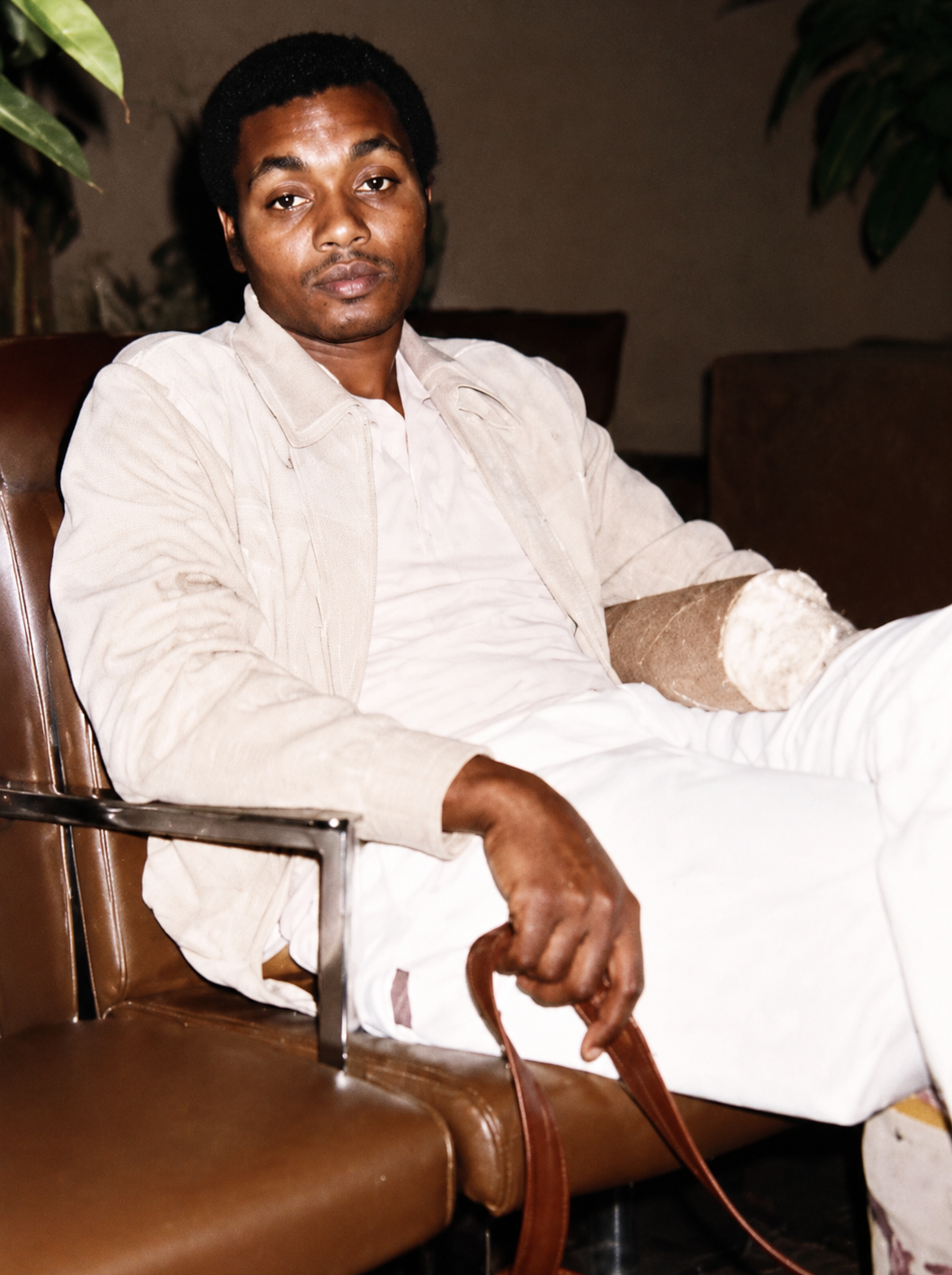
The change from childhood to adolescence often reveals the interests and abilities that later will determine a person’s future. For Dr Benjamin Arthur Beneby, these were the years of a slow emergence of curiosity that reached beyond common childhood experiences. The values that were instilled in him during his early upbringing remained firmly in place, but with those values grew an interest in design, construction, problem-solving, and the practical application of knowledge.
His interest came about a little more organically, from being around it as a kid and seeing things that other kids wouldn’t get to see. He had family in the construction business, and he grew up in an area where he could see what they were doing. His uncle owned a construction company, and he was one of the people he looked up to during this time. What started off as simply watching became a source of inspiration and education.
Close to their homes, young Dr Benjamin regularly observed construction work and building tasks. He observed the creation and assembly of separate parts, the way buildings were built up, and how planning became tangible. These views offered him a glimpse into a world where ideas could become reality through skill, effort, and attention to detail.
He didn’t consciously choose architecture or construction as his future; he was just drawn to the work. The environment around him fostered curiosity, and this curiosity fostered involvement. Small tasks related to construction projects provided opportunities to learn practical skills and understand how buildings were created.
One of his first lessons was the importance of craftsmanship. Even the simplest aspects of construction had to be accurate and attentive to detail. Watching the preparation of building components or understanding how different materials worked together, he began to understand that successful construction was based on precision, not guesswork.
At the same time, his education was laying the groundwork for another skill that would be key to his future success. Mathematics had already become one of his strongest academic subjects. Unlike many students who saw mathematics as just another classroom requirement, he found it logical and accessible. Numbers, measurements, calculations, and relationships between quantities made sense to him.
As time went by, this natural gift started to matter more. Mathematics was not just a way of doing well at school. It was a framework for understanding how things worked. Problems could be broken down, answers calculated and decisions made on the basis of reason, not guesswork. This would inform every aspect of his working life later.
His increasing interest in construction and his mathematical aptitude proved a perfect combination. The construction industry needed practical knowledge, but mathematics offered the analytical tools to solve technical problems. The two proved a combination that would turn out to be one of his greatest professional assets.
“Education is not the learning of facts but the training of the mind to think.”
Phase 3 : Mastering the Language of Lines and Logic
As Dr Benjamin Arthur Beneby matured beyond the formative influences of childhood and adolescence, his growing interest in construction, design, and problem-solving began to coalesce through formal education and practical training. The curiosity once fostered through observation and experience now advanced to a stage where knowledge became more structured, intentional, and professionally relevant.
For him, education was so much more than academic progression. It was an opportunity to understand the systems, principles, and methods that governed the world around him. It provided the structure that helped him develop his natural talent into expertise and translate his ambition into capability.
At Bahamas Baptist High School, he received a more extensive perspective on learning and discipline. The school environment cemented most of the values that were already instilled in his home, such as responsibility, commitment, and perseverance. Most importantly, it fostered intellectual development and enhanced his confidence in his academic abilities.
Mathematics was a special strength in all subject areas. Numbers, calculations, and logical relationships were not problems to solve, but tools to master and apply.
Mathematics was something that others often found a challenge, but for him it was an area of comfort and confidence. This ability would later become a hallmark of his professional methodology.
He valued mathematics well beyond the classroom. He learned how to think systematically, evaluate situations objectively, and approach problems logically. These would inform every major professional decision he would make later, in architecture, construction, business management, or project planning.
After finishing his secondary education, he continued his journey at Bahamas Technical College, where the academic learning became increasingly related to the application of practical experience. Here he found a learning environment that not only emphasized theory but also practical application of hands-on experience. Instead of focusing on abstract ideas, technical education offered insights on how knowledge could be put to use in real-world situations.
This was a critical period because it became the link between interest and professional work. The rules of construction, drawing, measurements, technical standards, and practical implementation started to take a coherent form. Subjects that, in an ordinary academic context, might have been considered separate became connected elements of a greater professional whole.
The technical training he received also introduced him to the discipline required within the construction and design industries. Success depended not only on creativity but also on accuracy, consistency, and adherence to established standards. Every line drawn, every measurement calculated, and every specification prepared was meaningful.
Note of Thanks
The completion of this biography presents a meaningful opportunity to acknowledge the people, experiences, and influences that have contributed to the remarkable journey of Dr Benjamin Arthur Beneby.
First and foremost, heartfelt appreciation is extended to his family, whose support, encouragement, and unwavering belief have remained a constant source of strength throughout the years. The values instilled during childhood, the guidance provided through different stages of life, and the enduring importance of family relationships have all contributed significantly to the development of the person whose story is recorded in these pages.
Special gratitude is also due to the mentors, teachers, engineers, colleagues, business associates, and clients who contributed to his professional development. Every lesson shared, every opportunity provided, and every collaborative effort contributed to building a career based on knowledge, discipline, and mutual respect. Their influence became part of a lifelong process of learning and growth that continues to this day.
We also extend our appreciation to the communities and organisations that provided opportunities for service, leadership, and professional achievement. Through these experiences, Dr Benjamin Arthur Beneby was able to apply his skills, expand his understanding, and contribute meaningfully across multiple fields.
This biography would not have been possible without the willingness to reflect upon decades of experiences, accomplishments, challenges, and lessons learned. Sharing these memories has preserved a valuable personal and professional journey for future generations.
Finally, sincere thanks are offered to every individual whose path crossed his throughout the years. Whether through friendship, professional collaboration, guidance, or encouragement, each interaction contributed in some way to a life marked by perseverance, achievement, and purpose.
May this biography serve as a lasting record of a journey built upon faith, hard work, integrity, and an enduring dedication to excellence.
thanks,
– Dr (H.C.) Benjamin Arthur Beneby

AIMLAY is a leading global education platform empowering ACADEMIC and EXPERIENTIAL learners, uniquely focused on recognizing knowledge gained through experience and building a diversified community of doctorates and aspiring researchers.