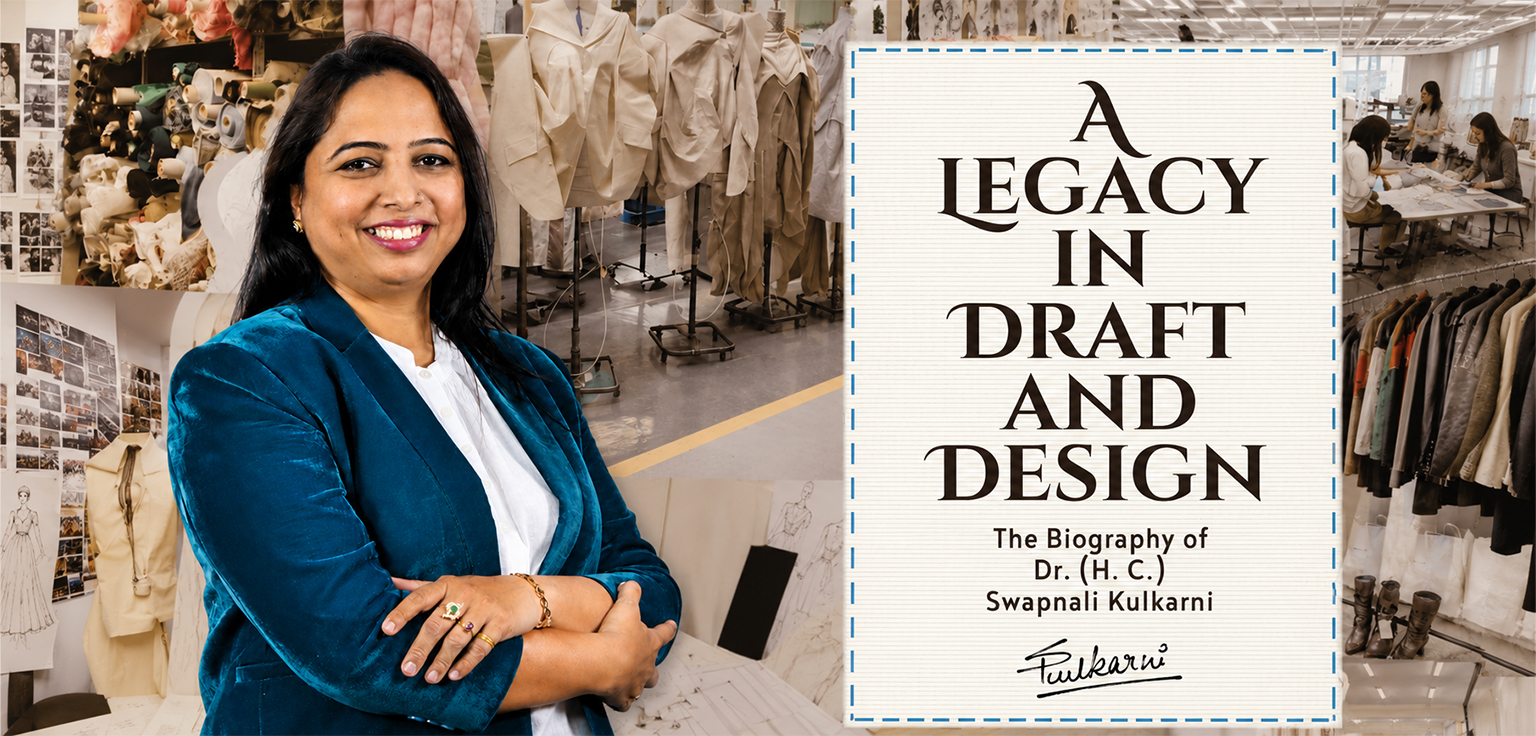

"She walked through storms not to escape them, but to learn their rhythm and teach others to dance in the rain."
Introduction
The life of Dr. Swapnali Kulkarni unfolds as a journey shaped by resilience, observation, creativity, and a continuous commitment to learning that began in the culturally grounded environment of Chhatrapati Sambhaji Nagar. Born on 31 March 1982 to Muley Rajeshrao and Muley Lata Rajesh, she grew up in a household where discipline and emotional strength quietly shaped everyday life. Her father, working as a banker, provided stability, while her mother, a homemaker, became the central influence in shaping her sensitivity towards life, art, and human expression. Along with her two sisters, Dr. Swapnali experienced a childhood where observation was not accidental but intentionally cultivated, becoming the earliest foundation of her creative identity.
This early training nurtured a strong artistic instinct that later evolved into her professional direction. The belief instilled during her upbringing remained deeply rooted in her personality, expressed through her reflection: “What you observe carefully becomes the foundation of what you create in life.” This perspective stayed with her as she moved through different stages of education and career development.
Her schooling years carried both challenges and transformation. While she studied in the Marathi medium until the 10th standard, her academic journey was interrupted by illness, limiting her attendance during a critical phase. When she transitioned into higher studies, she entered an English-medium diploma environment where language itself became a barrier. These early struggles, however, became turning points in her development, strengthening her determination to adapt and persist despite discomfort and uncertainty.
A significant moment in her life came unexpectedly when she first encountered fashion illustration through her elder sister’s friend. Observing the creative process of dress designing and illustration sparked an immediate connection within her. That exposure opened a new direction, leading her to pursue formal training in dress designing through Government Polytechnic, Aurangabad. This decision marked the beginning of her structured journey into fashion education, where she learned sewing, drafting, and design fundamentals that would later support her professional growth.
Her transition into the field of education began shortly after completing her diploma in 2000, when she stepped into teaching roles at a young stage of her career. She started as a lecturer handling pattern-making and illustration, subjects that also reflected her own learning experiences. Over time, her teaching journey expanded into government schemes such as Community Polytechnic, where she worked with non-literate women, simplifying design concepts into accessible learning. This phase deepened her understanding of education as a tool for empowerment rather than instruction alone.
As her career progressed, Dr. Swapnali moved through several academic institutions, including roles at MGM Institute, Suryadatta Group of Institutes, and Times and Trends Academy in Pune. Her responsibilities evolved from teaching to leadership, eventually holding positions such as Head of Department and Principal in Charge. She contributed to curriculum development, academic planning, and university affiliations, including syllabus design for Savitribai Phule Pune University and authorship of textbooks for YCMOU. Her involvement in academic boards further strengthened her contribution to design education at an institutional level.
“A child learns the world first through home, and everything that follows becomes a reflection of those earliest lessons.”
Phase 1: The Foundation of Identity
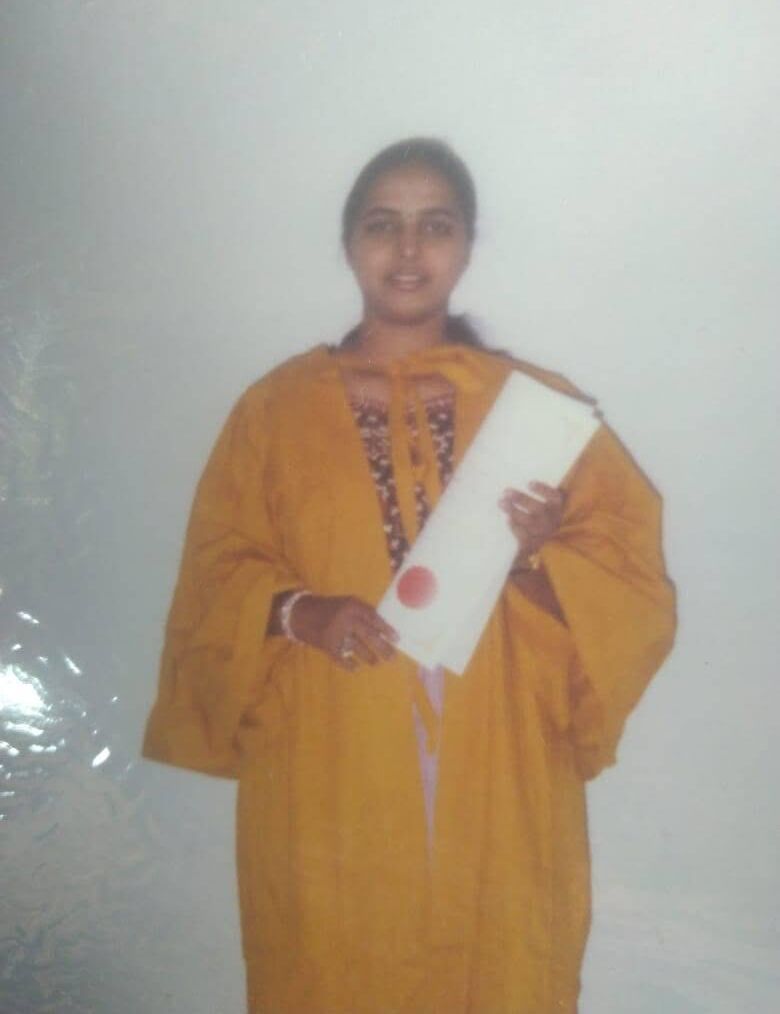
The life of Dr. Swapnali Kulkarni begins in the culturally grounded and deeply rooted environment of Chhatrapati Sambhaji Nagar (Aurangabad), where she was born on 31 March 1982 to Muley Rajeshrao and Muley Lata Rajesh. Her early world was shaped within a family structure where discipline, simplicity, and emotional strength were naturally present in everyday living. As one of two sisters, she grew within a household that balanced responsibility with care and structure with warmth, forming the earliest foundation of her personality.
Her father, a banker by profession, provided stability and a sense of direction within the household. His presence created a structured environment where values of responsibility and consistency were quietly embedded in daily life. Her mother, a homemaker, became the emotional and intellectual influence in shaping the inner world of Dr. Swapnali. While the external world offered routine and discipline, it was her mother who introduced depth to perception, sensitivity to detail, and a reflective way of seeing life.
From the earliest stage of childhood, Dr. Swapnali’s environment was not limited to instruction but extended into observation. The purpose was not entertainment alone but awareness. Dr. Swapnali learned to observe rituals, expressions, arrangements, and the silent details that shape human experiences. This practice gradually became a natural part of her thinking process.
It was during these formative years that her mother introduced the idea of observation as a way of learning. She encouraged her children to understand how things were done, how traditions were expressed, and how meaning was created in everyday surroundings. Whether it was cultural rituals or simple artistic patterns such as rangoli, Dr. Swapnali was encouraged to notice, understand, and absorb. This consistent exposure slowly shaped her visual sensitivity and creative awareness. What appeared ordinary at that age later became the foundation of her artistic perception.
Her mother’s influence extended beyond observation. She also shaped emotional strength within Dr. Swapnali’s personality. The idea of facing challenges directly and not withdrawing from difficulty became a guiding principle introduced early in life. This teaching was not expressed as theory but as lived behaviour, observed in how her mother managed responsibilities and guided the family. This early exposure created a deep internal understanding that challenges are not barriers but part of life’s natural progression.
Growing up in this environment, Dr. Swapnali did not experience creativity as a separate subject but as a natural extension of life itself. Observation, discipline, and emotional awareness merged into her daily experiences. The family environment allowed her to develop sensitivity toward detail, while her mother’s guidance ensured that she remained attentive to both inner and outer worlds.
During her childhood, education and family life were closely connected. While formal schooling provided structure, it was her home environment that shaped interpretation and thinking. The influence of her parents created a balance between stability and emotional awareness. Her father’s professional discipline and her mother’s creative guidance together formed a foundation that would later reflect in her academic and professional journey.
“In the quiet act of observation, a child begins to understand the world and unknowingly begins to shape her own identity.”
Phase 2 : Childhood Impressions and the Silent Shaping of Creativity
The early childhood of Dr. Swapnali Kulkarni in Chhatrapati Sambhaji Nagar unfolded in a space where learning was not confined to books but lived through everyday experiences, relationships, and subtle emotional exchanges within the family. Following her foundational years, this phase reflects a deeper emotional and creative shaping of her personality, where the influence of her mother became even more pronounced and the environment at home slowly transformed into a silent classroom of awareness and perception.
Within the household of Muley Rajeshrao and Muley Lata Rajesh, life carried a rhythm of responsibility and simplicity. Her father’s role as a banker ensured a structured and disciplined environment, while her mother’s presence remained the emotional and creative anchor of the family. It was in this balance that Dr. Swapnali began to develop an inner sensitivity toward both structure and expression. This dual influence would later become an essential part of her personality, allowing her to navigate between discipline and creativity with natural ease.
During this phase, her mother’s teachings became more immersive and experiential. Rather than formal instruction, learning happened through participation in life itself. Dr. Swapnali, along with her sisters, was encouraged to engage with the world around them in a thoughtful manner. Functions, gatherings, and cultural environments were not simply attended but observed with intention. Every visit became an opportunity to notice how people behaved, how traditions unfolded, and how visual details came together to create meaning.
Her mother often guided them to focus on the smallest elements of these experiences. The arrangement of spaces, the expressions of people, the rituals performed during cultural moments, and even traditional art forms such as rangoli were all introduced as part of this observational learning. Through this consistent exposure, Dr. Swapnali gradually began to develop a refined sense of awareness. She learnt not just to see but to notice, not just to participate but to understand.
It was not taught as a skill but absorbed as a way of life. Her mother’s quiet guidance created a mindset where attention to detail became natural. In many ways, her childhood environment encouraged reflection over reaction, understanding over assumption, and observation over instruction.
“Even in uncertainty, there are moments that quietly decide the direction of a life, often when one is not prepared to recognise them.”
Phase 3 : Transition Years, Academic Struggle and the First Glimpse of Direction
The third phase of Dr. Swapnali Kulkarni’s journey represents a deeply transitional period where childhood innocence gradually gave way to academic challenges, personal struggle, and the first unexpected encounter with her future path. This phase unfolds in the backdrop of her schooling years in Chhatrapati Sambhaji Nagar, where life began to demand not only observation and curiosity but also endurance, adaptability, and emotional strength.
Her academic journey during this period was not smooth or predictable. While she had developed a strong foundation of observation and sensitivity in her early years, her schooling experience introduced her to a different kind of reality, where circumstances tested her resilience. During her 10th standard, she faced a significant health challenge that disrupted her regular academic routine. She was able to attend only a limited portion of her schooling during that crucial year, which created uncertainty in her educational continuity. This period became one of emotional and academic instability, where her confidence and clarity were continuously tested.
Despite these difficulties, her mother remained a constant source of strength and support. Her guidance during this phase was not limited to encouragement but extended into active involvement in Dr. Swapnali’s learning process. She provided emotional stability and ensured that learning continued even outside the structured classroom environment. Her presence became the backbone of Dr. Swapnali’s ability to stay connected with education despite physical limitations.
As she approached the end of her schooling, another layer of challenge emerged in the form of career uncertainty. With limited clarity about future direction, Dr. Swapnali found herself at a crossroads where decisions carried long-term impact. This phase was marked by confusion and hesitation, as she stood between conventional academic expectations and an undefined sense of personal inclination.
During this period of uncertainty, language became an unexpected barrier. Having studied in the Marathi medium until the 10th standard, she later transitioned into an English medium academic environment for her further education. This shift introduced a new layer of difficulty, where understanding, communication, and academic engagement required adjustment. The transition was not immediate or easy, and it tested her ability to adapt to unfamiliar academic settings.
It was during this challenging phase that her emotional vulnerability became more visible. There were moments when she struggled to understand classroom content and found herself overwhelmed by the change in academic environment. In those moments, she would return home with emotional distress, expressing confusion and difficulty in adjusting to the new system. However, these experiences did not remain setbacks for long. Instead, they gradually became turning points in her personal development.
Note of Thanks
The journey of Dr. Swapnali Kulkarni is deeply rooted in experiences shaped by family values, personal struggles, academic dedication, and continuous professional growth. This biography stands as a reflection of that journey, made meaningful through the presence of those who silently and strongly contributed to her life at every stage.
At the foundation of her life, heartfelt gratitude is extended to her parents, Muley Rajeshrao and Muley Lata Rajesh, whose guidance and values shaped her early understanding of discipline, observation, and resilience. Her mother, in particular, remains a constant source of inspiration, having nurtured her ability to observe life deeply and face challenges with courage. Dr. Swapnali often carries this belief within her heart, reflected in her lived understanding: “Strength is built quietly at home, long before the world ever notices it.”
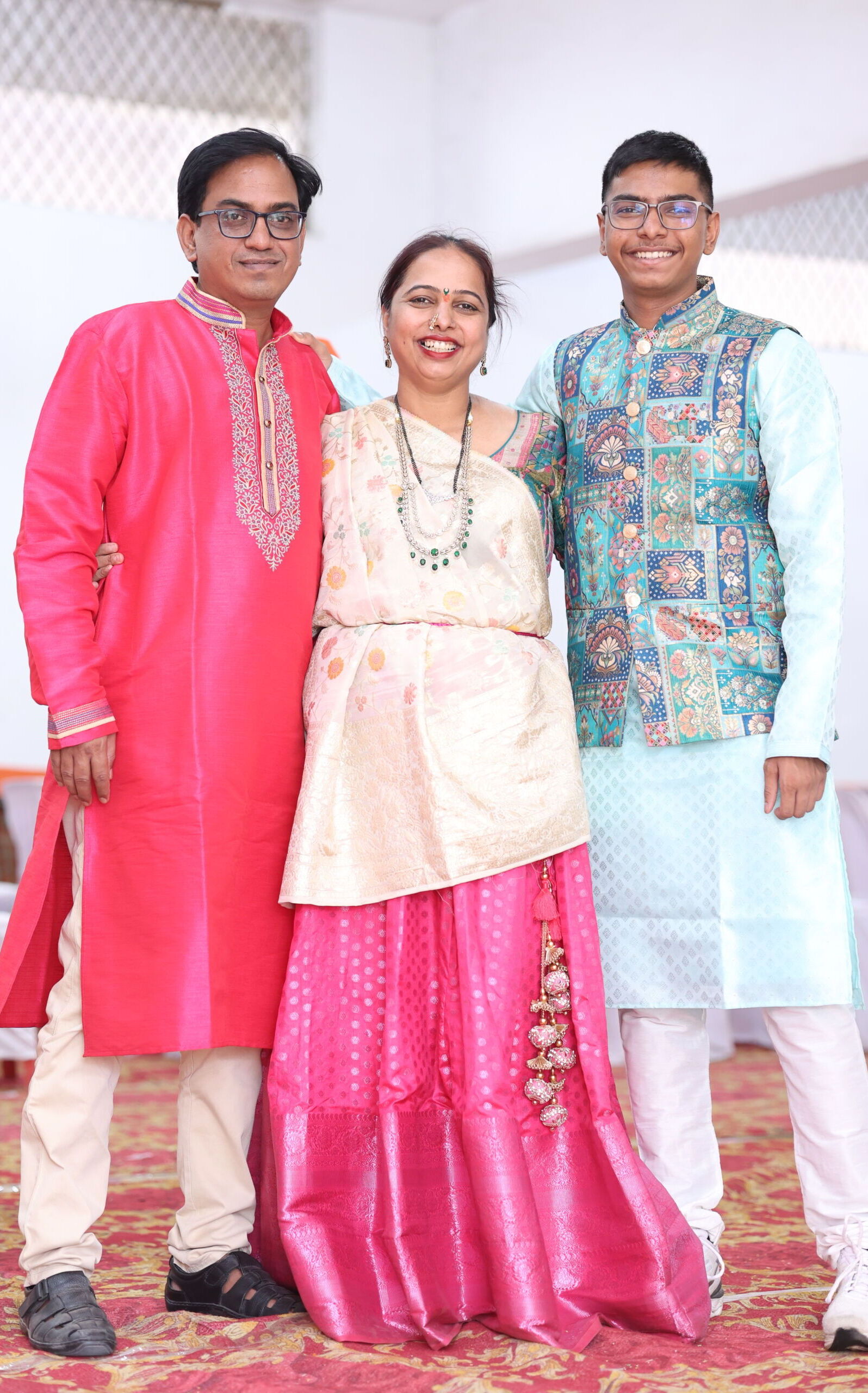
Deep appreciation is also expressed for her husband, Praveen Kulkarni, whose presence has remained a part of her personal journey through various phases of life, and for her son, Devashish Kulkarni, whose presence brings meaning, continuity, and emotional grounding to her path.
Respectful acknowledgement is extended to her mentors, whose guidance during her formative academic years helped shape her technical foundation and creative discipline in design education. Their influence contributed to her early growth as both a learner and an educator.
Dr. Swapnali’s journey is also shaped by the silent strength of her nana and nani, whose life experiences and values continue to remain a guiding emotional presence in her life. Their influence remains deeply embedded in her personal foundation.
Finally, sincere appreciation is extended to all colleagues, institutions, students, and academic bodies who have been part of her professional journey, contributing to her growth as an educator, designer, and academic contributor. Their presence has added depth and direction to her continuous learning path.
This note of thanks stands as a humble recognition of all those who have been part of Dr. Swapnali’s life journey, shaping it with support, guidance, and belief.
thanks,
– Dr. ( H. C. ) Swapnali Kulkarni