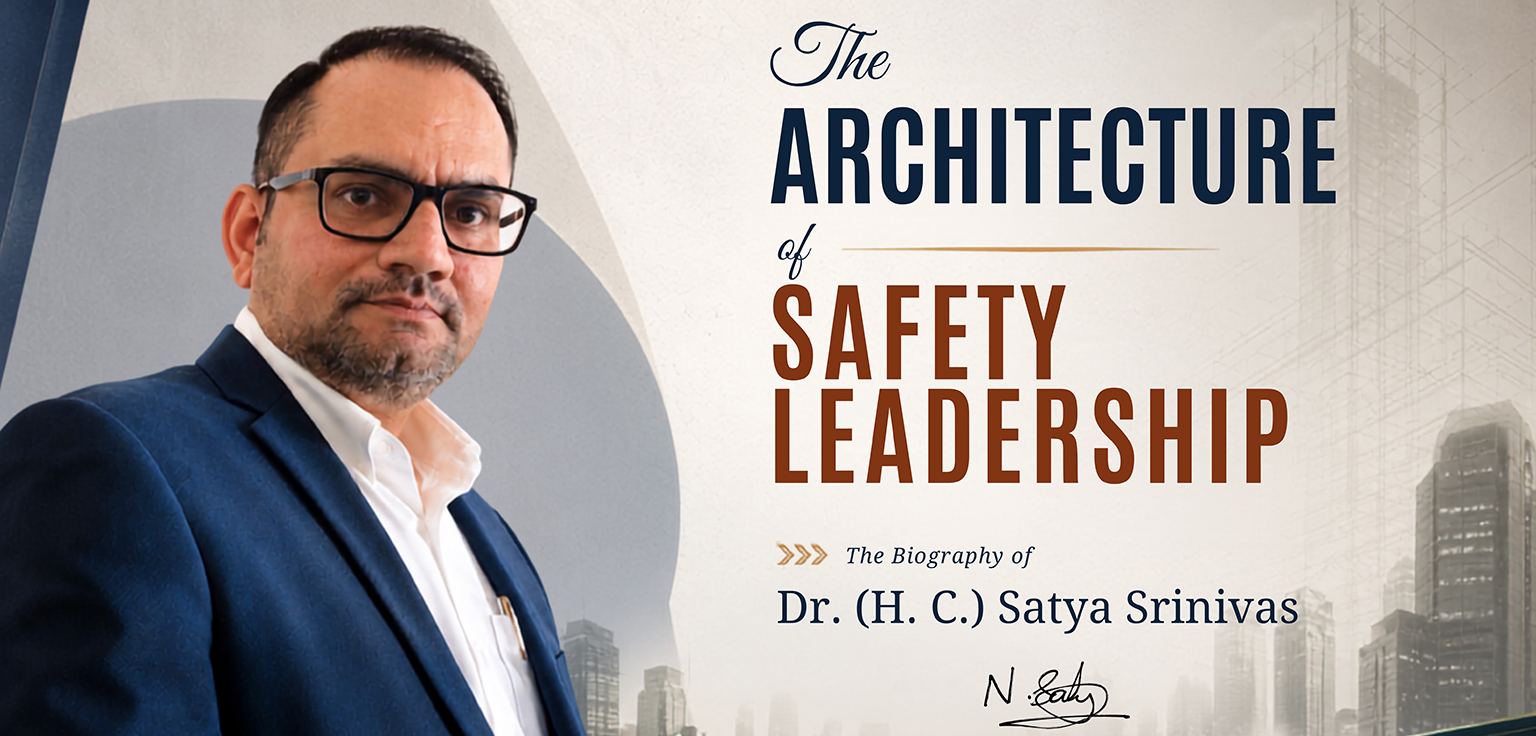
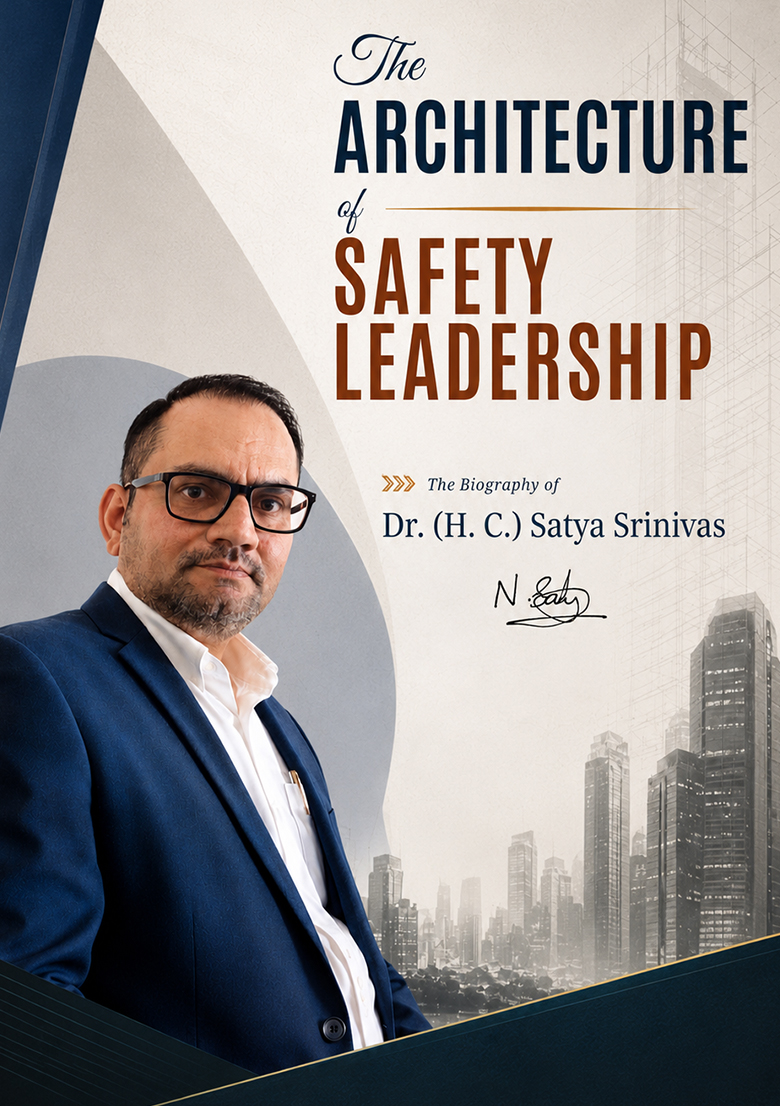
"Success is not the key to happiness. Happiness is the key to success. If you love what you are doing, you will be successful."
Introduction
Dr. Satya Srinivas stands as a remarkable example of how dedication, vision, and perseverance can transform a career into a lifelong mission of service. Born on the 11th of July, 1978, in the village of Munipalli in Andhra Pradesh, he grew up surrounded by the values of diligence, integrity, and social responsibility instilled by his family. From an early age, he exhibited a natural curiosity and a keen intellect, particularly drawn to subjects such as physics and mathematics, which would later shape the foundation of his professional journey. His early education in Munipalli, followed by studies at the Mandal headquarters and residential college in Vijayawada, provided him with both the discipline and the exposure to broader perspectives that would become essential in his life.
The trajectory of Dr. Srinivas’s career reflects a careful blend of ambition and purpose. After completing his pre-university studies in the MPC stream—Mathematics, Physics, and Chemistry, along with Sanskrit and English—he chose to pursue Electrical and Electronics Engineering at Madras University in Tamil Nadu. The decision to move away from home for higher studies was more than an academic choice; it was an early lesson in adaptability, resilience, and embracing new cultures. In Tamil Nadu, he confronted linguistic and cultural challenges, learning Tamil to communicate effectively with peers and faculty while navigating an unfamiliar environment far from the familiarity of home. These early experiences honed his capacity to adapt and thrive in diverse settings, a skill that would later prove invaluable in his international career.
Even during his engineering studies, Dr. Srinivas was drawn to the broader implications of his work and the impact it could have on people’s lives. A pivotal encounter with a health and safety professional introduced him to the field of occupational health and safety, revealing a career path that combined technical knowledge with social responsibility. The concept resonated deeply with him: ensuring the well-being of workers and their families was more than a professional task—it was a societal duty. This realization transformed his perspective, framing his career as a mission to protect lives, promote ethical practices, and foster a culture of safety wherever he worked.
To prepare for this path, Dr. Srinivas undertook a series of advanced qualifications alongside his engineering degree. He completed a Diploma in Industrial Safety, followed by the NEBOSH National General Certification and the NEBOSH International Diploma, both of which provided him with rigorous, internationally recognized expertise in occupational health and safety. Complementing these technical credentials, he earned an MBA in Safety Management, equipping him with the managerial and strategic tools necessary to lead teams, develop systems, and implement safety protocols across complex projects. Through these achievements, he cultivated not only knowledge and skills but also a mindset that prioritised proactive risk management, ethical leadership, and the development of people.
The early stages of Dr. Srinivas’s professional career in India reinforced the principles he had developed through education and personal reflection. Starting as a Health and Safety Engineer with companies including Micron Electrical and Srinija Constructions, he gained exposure to various construction and infrastructure projects. He was entrusted with implementing safety management systems, conducting risk assessments, and overseeing compliance in challenging environments. These roles demanded technical precision, careful observation, and the ability to influence human behaviour, teaching him the importance of proactive leadership and the ethical responsibility inherent in the health and safety profession.
“The roots of education are bitter, but the fruit is sweet.”
Phase 1: Roots and Early Aspirations – Growing Up in Munipalli
His educational journey began in the same village where he was born. From the first to the fifth standard, he attended the local school, a modest institution that nurtured curiosity and instilled foundational knowledge. Even in these early years, he demonstrated a natural affinity for learning. As he progressed to high school, he moved to the Mandal headquarters, a transition that exposed him to a broader academic environment and introduced him to students from various neighbouring villages. The move marked his first experience with adaptation, both socially and academically, teaching him resilience and the value of perseverance.
Upon completing his tenth standard, Dr. Srinivas advanced to a residential college in Vijayawada, a city known for its educational institutions and vibrant student community. Here, he enrolled in the MPC stream, which included Mathematics, Physics, and Chemistry, alongside Sanskrit and English. The combination reflected not only the academic rigour of the programme but also a balanced emphasis on logical reasoning and cultural grounding. During these formative years, his passion for physics and mathematics became apparent. These subjects fascinated him, offering a lens to understand the world in precise and systematic ways. This early engagement with analytical thinking had a major impact on his later career choices, guiding him toward the field of engineering.
After completing his pre-university studies, Dr. Srinivas pursued a graduate degree in Electrical and Electronics Engineering at Madras University in Tamil Nadu. The decision to focus on electrical engineering was the result of careful consideration, initially weighing various branches of engineering before finding a natural alignment with his interests and strengths. This period was transformative, as it required him to move away from the familiar surroundings of his home state, immerse himself in a new linguistic and cultural environment, and adapt to the academic demands of a large university. His time in Dharmapuri, where he initially struggled with Tamil, cultivated an early appreciation for cross-cultural communication and the patience required to learn new languages, skills that would later serve him in international professional settings.
While pursuing his engineering degree, Dr. Srinivas simultaneously began exploring opportunities in the field of health and safety. Early exposure to professionals in his village and nearby regions influenced his choice, as they highlighted the importance and societal impact of occupational safety. One pivotal moment occurred when a health and safety engineer, recognizing the potential in young graduates, explained the role’s responsibilities and growth trajectory. The explanation resonated deeply with him. Unlike many professions that focus purely on technical output or financial gain, health and safety offer a chance to make a tangible difference in people’s lives. He realized that ensuring the well-being of workers and their families carried a profound social value, creating safer workplaces and indirectly protecting communities. This realization transformed the perception of his future career. Health and safety was no longer merely a job; it was a responsibility, a way to contribute meaningfully to society while developing professionally.
“An investment in knowledge pays the best interest.”
Phase 2 : Academic Pursuits and Foundation in Safety
After completing his early schooling and pre-university studies, Dr. Satya Srinivas embarked on a journey that would lay the foundation for his lifelong commitment to health, safety, and environmental leadership. His decision to pursue Electrical and Electronics Engineering at Madras University in Tamil Nadu marked the first significant step into a world of complex technical knowledge, problem-solving, and analytical thinking. Moving from his home state of Andhra Pradesh to a new linguistic and cultural environment presented both challenges and opportunities. The experience demanded resilience and adaptability as he navigated unfamiliar languages and regional customs while simultaneously immersing himself in an academically rigorous programme.
During his engineering studies, Dr. Srinivas discovered that his interests extended beyond technical design and circuitry. He became increasingly aware of the importance of workplace safety, the protection of human life, and the broader impact of industrial operations on communities. This awareness was sparked by early interactions with professionals in his home region who highlighted the responsibilities and societal value of the health and safety profession. Unlike many careers that focus narrowly on technical output, the field of occupational health and safety presents an avenue where technical knowledge could be harnessed to safeguard lives, protect communities, and ensure that workplaces operate with integrity and care. This realization profoundly influenced his academic and professional trajectory.
Recognizing the importance of formal expertise to complement his engineering background, Dr. Srinivas undertook a series of specialised qualifications. He began with a Diploma in Industrial Safety, which introduced him to the principles of risk assessment, accident prevention, and regulatory compliance. This programme reinforced the idea that health and safety are proactive disciplines, requiring meticulous planning, attention to detail, and the anticipation of potential hazards before they can affect the workforce. It also emphasised that the role extended beyond compliance, embedding a responsibility to protect individuals and the environment in every decision made on a site.
Building on this foundation, Dr. Srinivas pursued the NEBOSH National General Certification, followed by the NEBOSH International Diploma, both recognized at a high level internationally for their rigour and practical applicability. These certifications offered him exposure to global standards in occupational health and safety, equipping him with tools to evaluate hazards, implement safety protocols, and develop comprehensive management systems. The learning emphasised the integration of technical competence with managerial oversight, highlighting the necessity of guiding teams, communicating effectively, and fostering a culture of safety among diverse groups of workers.
Alongside these certifications, Dr. Srinivas also pursued an MBA in Safety Management, a programme designed to bridge the gap between technical knowledge and strategic leadership. The MBA provided him with insights into organizational management, resource allocation, and the development of policies and procedures that could scale across projects and regions. This combination of engineering, specialised safety qualifications, and managerial training created a unique skill set, preparing him to navigate complex projects, lead multidisciplinary teams, and ensure that safety standards were embedded in every operational layer. It also reinforced his understanding that a career in health and safety was as much about leadership and ethical responsibility as it was about technical compliance.
“The only source of knowledge is experience.”
Phase 3 : Early Professional Career in India– Applying Knowledge and Building Expertise
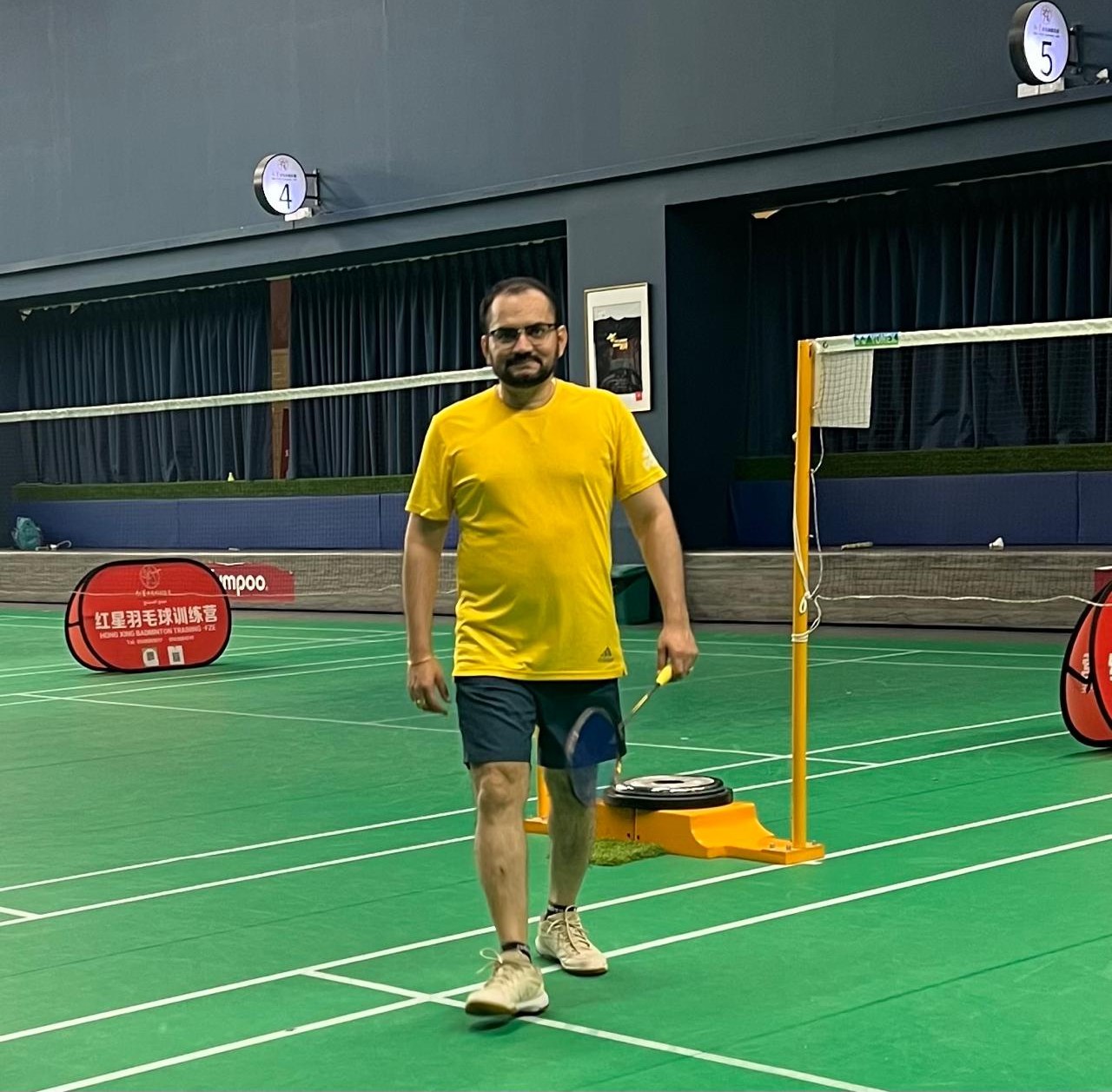
Following the completion of his engineering degree and specialised safety qualifications, Dr. Satya Srinivas embarked on the first stage of his professional journey in India, eager to translate his academic achievements into practical impact. In June 2001, he began his career as a Health and Safety Engineer, marking the formal beginning of a vocation that would define his professional life. These early years were instrumental in shaping his understanding of workplace safety, operational management, and the real-world challenges of implementing health and safety standards across diverse industrial settings.
Dr. Srinivas’s initial professional experiences spanned multiple organizations, allowing him to gain exposure to a variety of construction and infrastructure projects. His first role was with Micron Electrical and Srinija Constructions, where he joined the HSE team and contributed to the implementation of project-specific health and safety management systems. Here, he was entrusted with responsibilities that required meticulous attention to detail, including developing and monitoring PHSE plans and ensuring adherence to safety protocols during the construction and commissioning phases of civil and electro-mechanical projects. These assignments encompassed critical infrastructure such as electrical substations, pipelines, water handling plants, waste treatment facilities, and camp accommodations for personnel. Through this work, Dr. Srinivas honed his ability to anticipate risks, enforce compliance, and create safe work environments, even in complex and dynamic project settings.
In parallel, he also gained experience in the oil and gas sector, working with a project under Qatar Gas – II and Ras Gas – II Extension Projects. This experience exposed him to the stringent safety standards and operational rigour required in the energy industry. He learned that managing safety in such high-risk environments demanded not only technical expertise but also strategic foresight and the capacity to influence human behaviour. The exposure to safety-critical operations underscored the societal significance of his role, as every procedure he implemented directly contributed to the well-being of workers and the protection of the environment. It was during these formative years that Dr. Srinivas began to understand the true scope of health and safety as a discipline: it was as much about leadership, communication, and responsibility as it was about technical compliance.
After gaining valuable experience in these early assignments, Dr. Srinivas transitioned to Cane Energy Limited, which oversaw multiple construction companies, including Sriniji Construction. While his tenure at Cane Energy lasted approximately two years, it offered important insights into organizational operations and resource management. He encountered limitations in available tools and resources, which compelled him to innovate and problem-solve within the constraints of the workplace. These challenges reinforced his determination to expand his technical and managerial expertise, prompting him to pursue additional qualifications such as the NEBOSH diploma. By combining practical experience with ongoing professional development, Dr. Srinivas steadily built a reputation as a capable and reliable safety professional.
The move to Bangalore marked another important milestone in his early career. In this growing urban and industrial hub, he secured a position as HSE Manager at a construction company, a role that demanded both technical proficiency and leadership skills. For the first time, he was responsible for overseeing multiple projects, managing safety compliance, and mentoring junior team members. This position provided him with an opportunity to apply the knowledge he had acquired through his academic studies and certifications in a broader, real-world context. It was here that Dr. Srinivas began to appreciate the nuances of workforce management, risk assessment, and the critical importance of proactive safety planning.
Note of Thanks
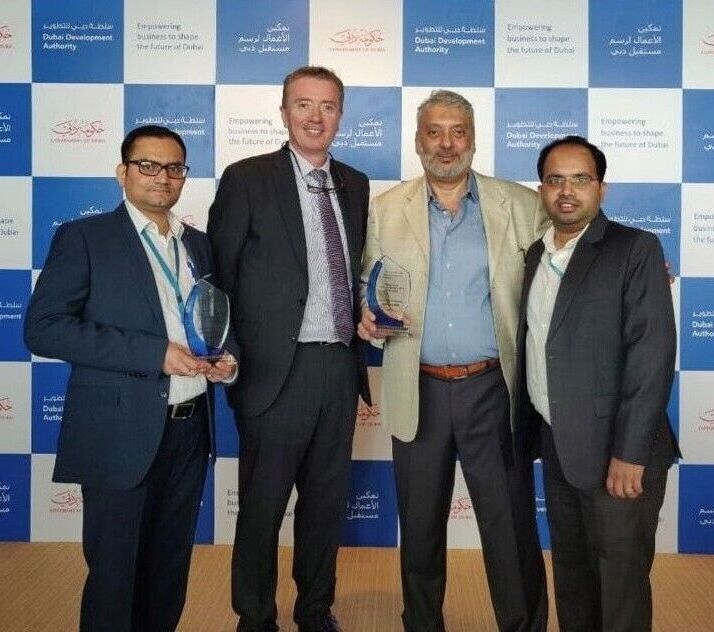
Dr. Satya Srinivas extends his heartfelt gratitude to all those who have guided, supported, and inspired him throughout his personal and professional journey. Among them, he wishes to acknowledge Mark Warrington, whose mentorship and encouragement have greatly influenced his leadership approach and professional outlook. Through guidance, constructive feedback, and unwavering support, Mark Warrington has provided insight and perspective that enriched Dr. Srinivas’s ability to lead diverse teams and manage complex projects with confidence and integrity.
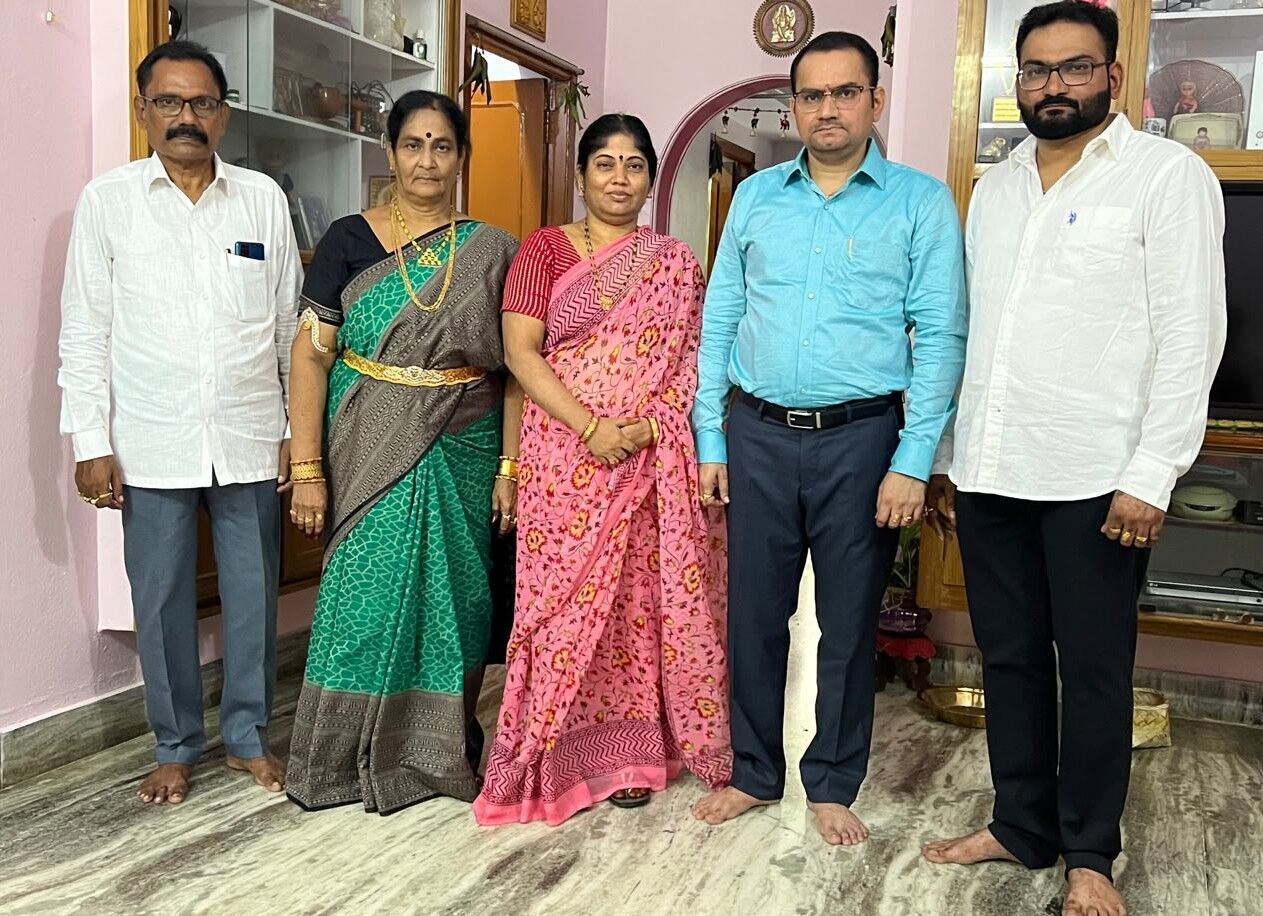
He feels a deep gratitude towards Mrs Mangatayaru, his mother. He considers her a significant pillar in the formation of what he is today. She nurtured him with discipline, instilled strong values, and provided unwavering support. Throughout his life, particularly during difficult moments, her moral encouragement and guidance empowered him to surmount challenges and advance with confidence. Her influence has been instrumental in his development into a resilient and responsible individual.
Dr. Srinivas recognises that his accomplishments and the impact he has achieved in health, safety, and environmental leadership are the result of both personal dedication and the support of individuals who believed in his vision. This note of thanks reflects his gratitude for the guidance, mentorship, and encouragement he has received, acknowledging the role these contributions have played in enabling him to mentor others, build lasting teams, and leave a meaningful legacy in the field.
thanks,
– Dr. Satya Srinivas