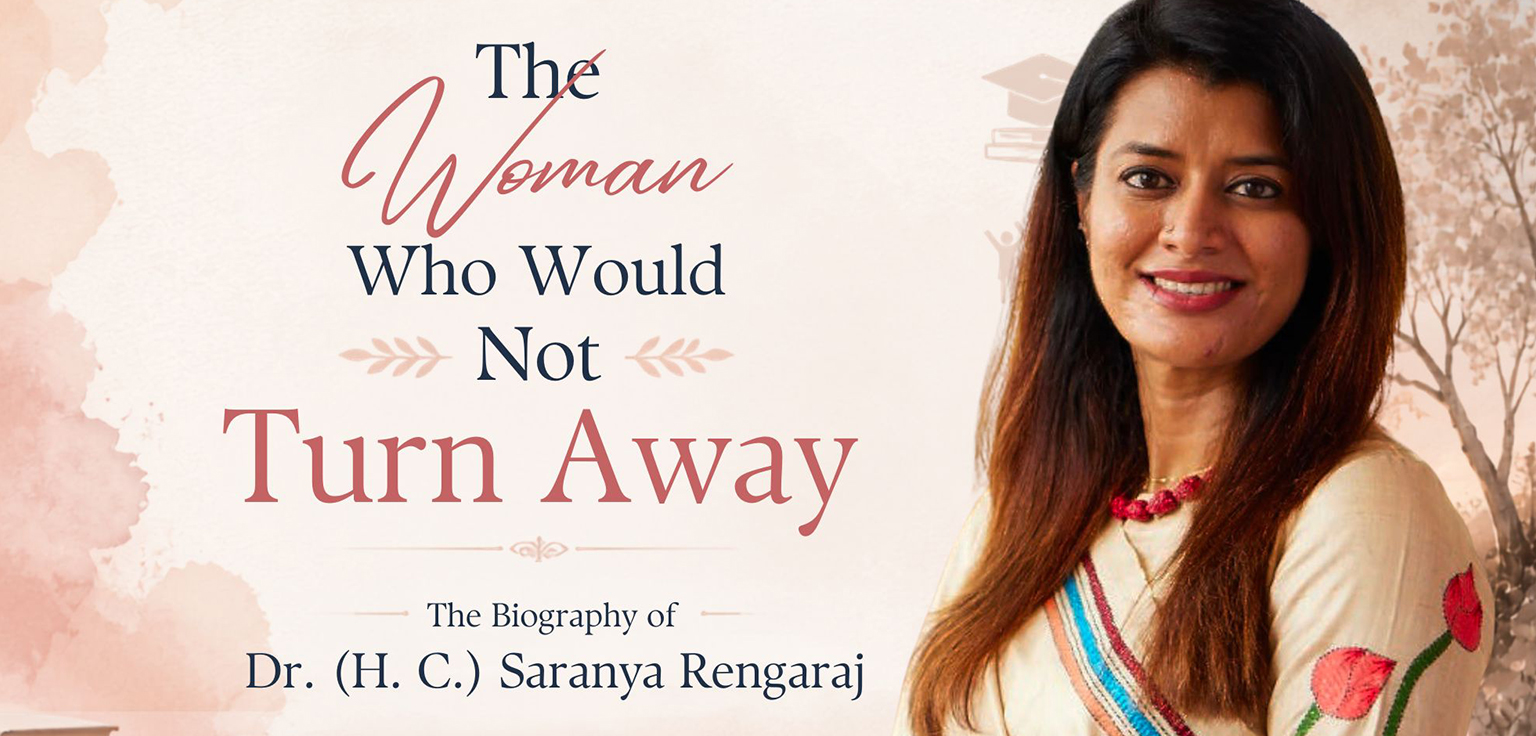
“Titles did not matter to her. What mattered were the children who spoke for the first time, the families who stopped feeling alone, and the communities that finally saw ability where they once saw only limitation.”
Introduction
Dr. Saranya Rengaraj came into this world on 15 March 1984 in Pollachi, Tamil Nadu. But really, she was born into something bigger than a place or a date. She was born into a family where compassion was not a Sunday sermon. It was a daily practice.
Her mother, Vanitha Rengaraj, was a history professor. But she did not just teach history. She wanted to make it. By 2001, she had turned a long-held vision into a living, breathing NGO for the underprivileged. Young Saranya watched all of it unfold from the front row. Alongside her two elder sisters, she did not just observe. She participated. She helped. She learned. Long before she had any formal training, she already understood that service was not an option. It was a responsibility.
Her childhood was not the sheltered kind. She visited slums. She walked through tribal communities. She saw poverty up close during her schooling years in Coimbatore. And those sights never left her. Textbooks taught her theories. But those visits taught her something far more valuable. They taught her that compassion is not about grand announcements. It is about showing up, consistently, without expecting applause.
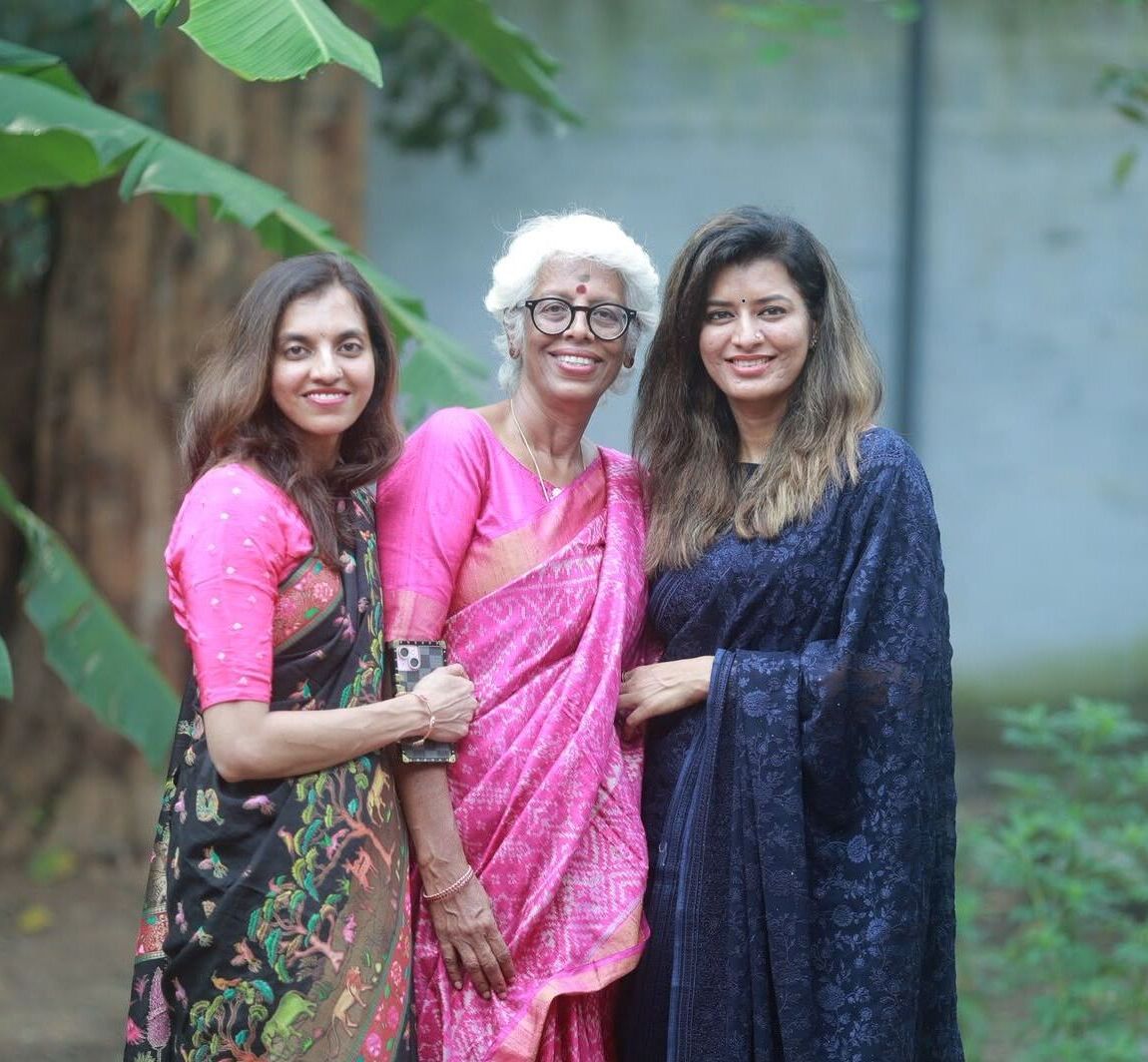
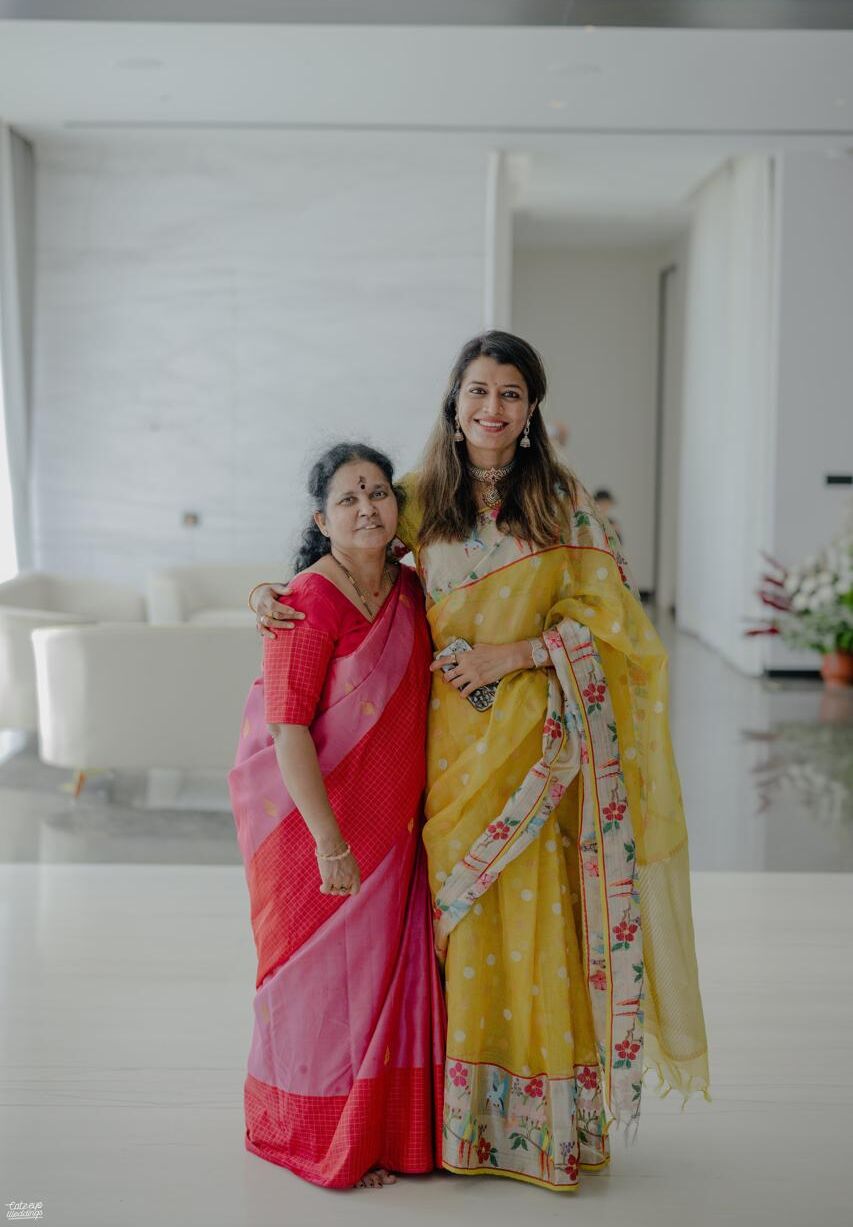
Her mother remained the strongest formative influence in her life and the main force behind the compassion and commitment to service that would eventually define her work. Her father, Rengaraj, was also an important part of the family foundation that surrounded her with guidance and stability. Her eldest sister, Maheshwari, became a trusted source of emotional support through the changing years of her life. Later, when she married Babu Prasath, she found a partner who stood beside her with practical guidance, clarity, and strength. Together, these relationships created an environment in which the values first demonstrated by her mother could grow into purposeful action.
Her sister Sumi was also an integral part of this family journey, contributing to the warmth, understanding, and support that surrounded Dr. Saranya during her formative years. The collective presence of her family created an environment where compassion was not only taught but experienced every day.
Her academic path was anything but straight. Though she flirted with the idea of fashion design for a while, her parents gently steered her toward a BSc in Information Technology, followed by an MBA. At first glance, that might seem like a detour. But in hindsight, those degrees gave her something crucial. They gave her the analytical skills and organizational discipline she would later need to run specialized institutions. She got married at 19 and spent years abroad in the US and UK. But no matter how far she traveled, she never forgot the faces she had seen as a child. The faces that were invisible to the rest of the world.
"She learned early that compassion is not a lesson you study. It is a life you live, one quiet act at a time."
Phase 1: Roots of Compassion and Early Foundations
Dr. Saranya Rengaraj was born on 15 March 1984 in Pollachi, Tamil Nadu. But she was not just born into a family. She was born into a way of life. A life where empathy was not discussed in theory. It was practiced in the messiness of real days, real struggles, and real people.
Her mother, Vanitha Rengaraj, wore many hats. She was a history professor by profession, but her heart belonged to something far bigger than textbooks. She carried a vision for years, a quiet fire that refused to die out. In 2001, that vision finally took shape. She started an NGO for underprivileged communities. Young Saranya watched her mother pour herself into this work, and something shifted inside her. She realized early that service was not a hobby. It was not a side project. It was a calling that demanded everything you had.
She grew up alongside two elder sisters, and all three of them were drawn into their mother’s mission. They helped with small tasks at first. Then they joined community visits. They walked through slums and tribal areas during their schooling years in Coimbatore. Those visits were not sanitized or staged. They were raw, unfiltered, and deeply human. Saranya saw poverty not from a distance, but up close. She saw families struggling, children with no shoes, elders with no one to care for them. And those images stayed with her. They burned themselves into her memory and shaped her understanding of what it means to be human.
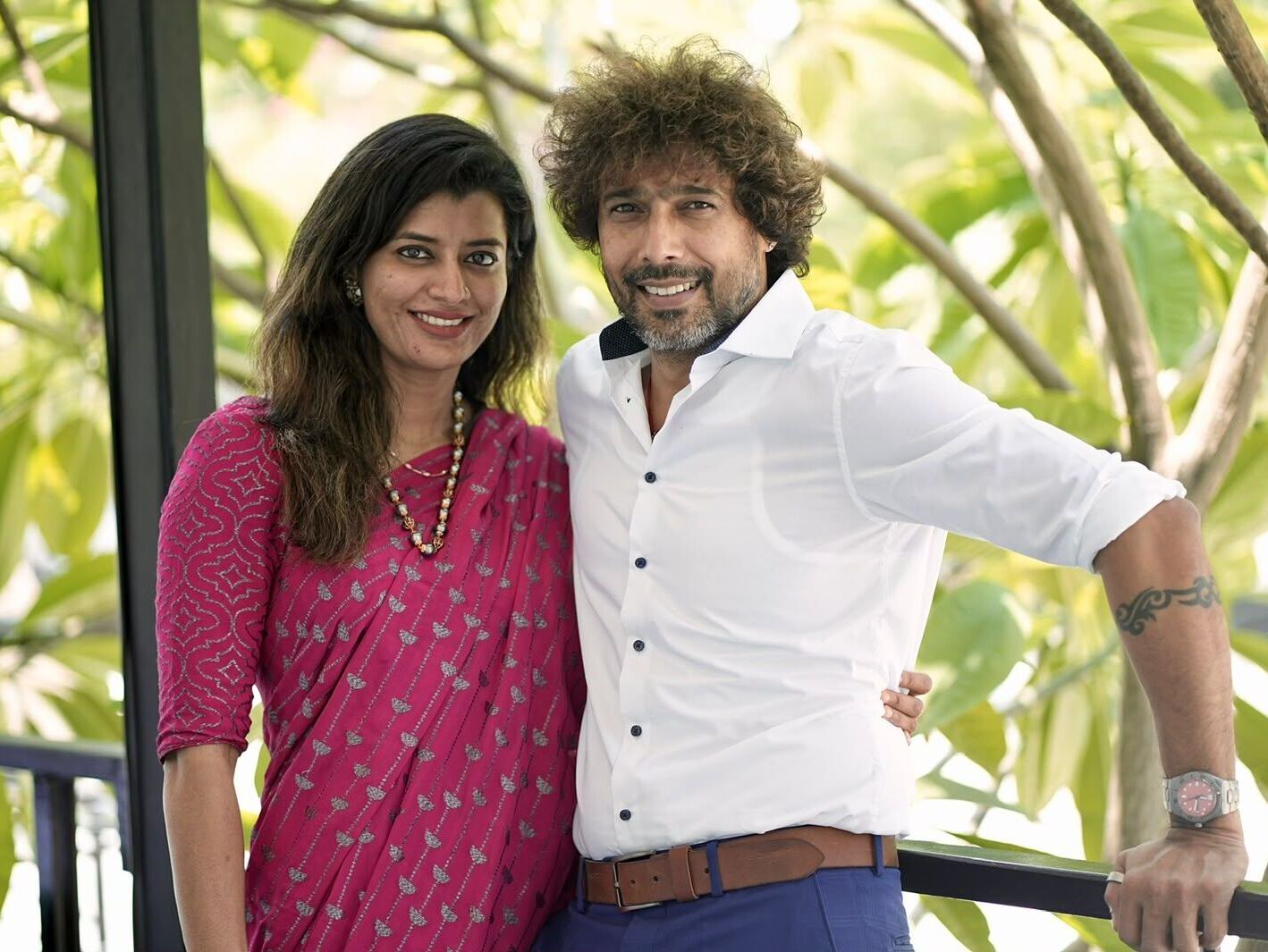
Her family formed her first support system, with Mrs. Vanitha Rengaraj standing at its heart. More than anyone else, her mother was the principal force behind the values, compassion, and commitment to service that shaped Dr. Saranya’s direction in life. Her father, Rengaraj, contributed to the stability and guidance of the family environment in which those values developed. Her eldest sister, Maheshwari, offered emotional grounding, helping her navigate the complexities of growing up and finding her own direction. Later, when she married Babu Prasath, she found a partner who brought practical strength and steadiness to her journey. Together, they supported her, but the example first set by her mother remained the foundation upon which her purpose was built.
Education played its part too. Saranya had briefly considered fashion design, a lighter, more creative path. But her parents gently steered her toward something more structured. She earned a BSc in Information Technology and later an MBA. On the surface, these might seem disconnected from social work. But they gave her something invaluable. They taught her how to think analytically, how to organize, how to plan. Skills she would desperately need when she started running institutions of her own.
She married young, at 19, and spent years living abroad in the US and UK. But distance did not dilute her connection to the communities she had grown up witnessing. If anything, it sharpened her awareness. She saw how other societies treated their vulnerable populations, and she saw the gaps in her own country more clearly. The children with developmental challenges. The families with nowhere to turn. The systemic indifference that left so many behind.
“She did not wait for permission to question the world. She asked hard things early, and she never stopped asking.”
Phase 2 : The Girl Who Refused to Follow the Script
Dr. Saranya Rengaraj was not the kind of teenager who followed the script. She questioned it. She bent it. Sometimes she tore it up entirely and started over. Her adolescence was not a quiet, obedient phase. It was alive with curiosity, defiance, and a restless need to understand things on her own terms. She grew up in a family that was deeply committed to service, but that did not mean she simply fell in line. She had her own ideas. Her own opinions. Her own way of seeing the world. And she was not afraid to voice them. This rebellious streak was not about causing trouble. It was about pushing boundaries, asking hard questions, and refusing to accept easy answers. That instinct, that constructive defiance, would later become one of her greatest strengths as a leader.
During her schooling in Coimbatore, she saw things that most students never noticed. While her peers focused on grades and exams, she was watching people. She was studying systems. She was trying to figure out why the world worked the way it did and why so many people were left behind. Her mind was always working, always connecting dots that others did not even see. She could absorb complex concepts quickly, but she never learned passively. She engaged. She challenged. She pushed back. That is what made her different.
Her academic journey was not a straight line. She had a creative side, a love for design and aesthetics that drew her toward fashion. But her parents, wise and practical, guided her toward something more structured. She earned a BSc in Information Technology and later an MBA. At first glance, those fields seem far removed from social work. But she did not see it that way. She understood that creativity without discipline is just daydreaming. And ideals without strategy are just wishes. She learned to combine her imaginative spirit with practical tools, and that combination would serve her well in the years ahead.
Her education gave her something invaluable. It taught her to think analytically, to organize chaos, and to solve problems methodically. These were not glamorous skills. But they were essential. She would need every single one of them when she started building institutions from the ground up.
Even as she adapted to her academic responsibilities, she never lost her edge. She did not accept standard approaches just because they were standard. She explored alternatives. She asked uncomfortable questions. She looked for ways to apply her learning to the real world, not just to exam papers. While her sisters exemplified diligence and conventional success, Saranya carved her own path. Her strength was not in following rules. It was in understanding them well enough to know when they needed to be broken.
“She understood that good intentions are not enough. Real change demands real skill, and she was willing to earn every bit of it.”
Phase 3 : Finding Her Tools : The Path to Real Expertise
Dr. Saranya Rengaraj came back to India with her eyes wide open. She had seen how other countries cared for their vulnerable populations, and she had witnessed what India was missing. The contrast was not subtle. It was glaring. And it troubled her deeply.
What bothered her most was not just the lack of services. It was the way people thought about children with autism and developmental challenges. Families were left to struggle in silence, often blamed or pitied. The children themselves were dismissed, misunderstood, written off before anyone even tried to understand them. That broke something in her. And it also ignited something.
She knew that good intentions would not be enough. Compassion without competence is just wishful thinking. She needed real skills. Real knowledge. Real tools that could actually change outcomes. So she went looking for them.
She discovered Applied Behavior Analysis, a scientifically proven framework for helping children with autism. It was structured. It was rigorous. It demanded precision and consistency. And it worked. She did not just read about it. She committed to it fully, pursuing certification with the same discipline she had brought to her academic years. She became a Board Certified Assistant Behavior Analyst, a Certified Autism Specialist, and a Sensory Enrichment Therapist. Each credential added a new layer to her understanding, from decoding behavior patterns to designing programs that addressed cognitive, social, and emotional needs.
Her pursuit of knowledge extended beyond certifications. To develop a deeper understanding of education, behaviour, and child development, Dr. Saranya completed a Bachelor of Education (B.Ed.) in Special Education and a Master’s degree in Psychology. These academic qualifications strengthened her ability to understand the unique learning requirements of children with developmental challenges and helped her build a more comprehensive approach towards intervention, education, and support.
Note of Thanks
Dr. Saranya Rengaraj extends her heartfelt gratitude to the many individuals who have shaped, guided, and supported her journey. At the heart of this expression is her deep appreciation for her family, whose unwavering encouragement and belief in her vision made everything possible. Her mother, Vanitha Rengaraj, instilled in her the values of compassion, integrity, and perseverance. It was from her guidance that she learned that true service is not an obligation, but a commitment to uplift others with consistency and empathy. Her eldest sister, Maheshwari, has been a steady source of wisdom and emotional strength, providing counsel and encouragement during challenging moments and celebrating every milestone alongside her. She also expresses her gratitude to her sister Sumi, whose presence, affection, and encouragement have been an important part of her personal journey and family support system.
She is equally grateful to her husband, Babu Prasath, whose practical insights, strategic thinking, and steadfast support allowed her to transform ambitious ideas into sustainable institutions. His partnership has been both personal and professional, creating a foundation from which she could lead with confidence and clarity.
This biography would not have been possible without the dedication of all the educators, therapists, and staff at Third Eye Special School and Sharanalayam. Their commitment to excellence, their patience with children, and their willingness to embrace innovative approaches have made every program a living embodiment of her vision.
She also acknowledges the extended networks of families, collaborators, and mentors who have shared knowledge, provided encouragement, and trusted her vision. Their faith, participation, and shared belief in empowerment have amplified the reach and impact of her work.
Every achievement, every life touched, and every institution built stands as a reflection of these collective efforts. Dr. Saranya dedicates this note to all who have helped her nurture a vision of hope, inclusion, and lasting transformation. It is a testament to the power of collaboration, guidance, and unwavering support in turning aspirations into meaningful, enduring reality.
thanks,
– Dr. Saranya Rengaraj