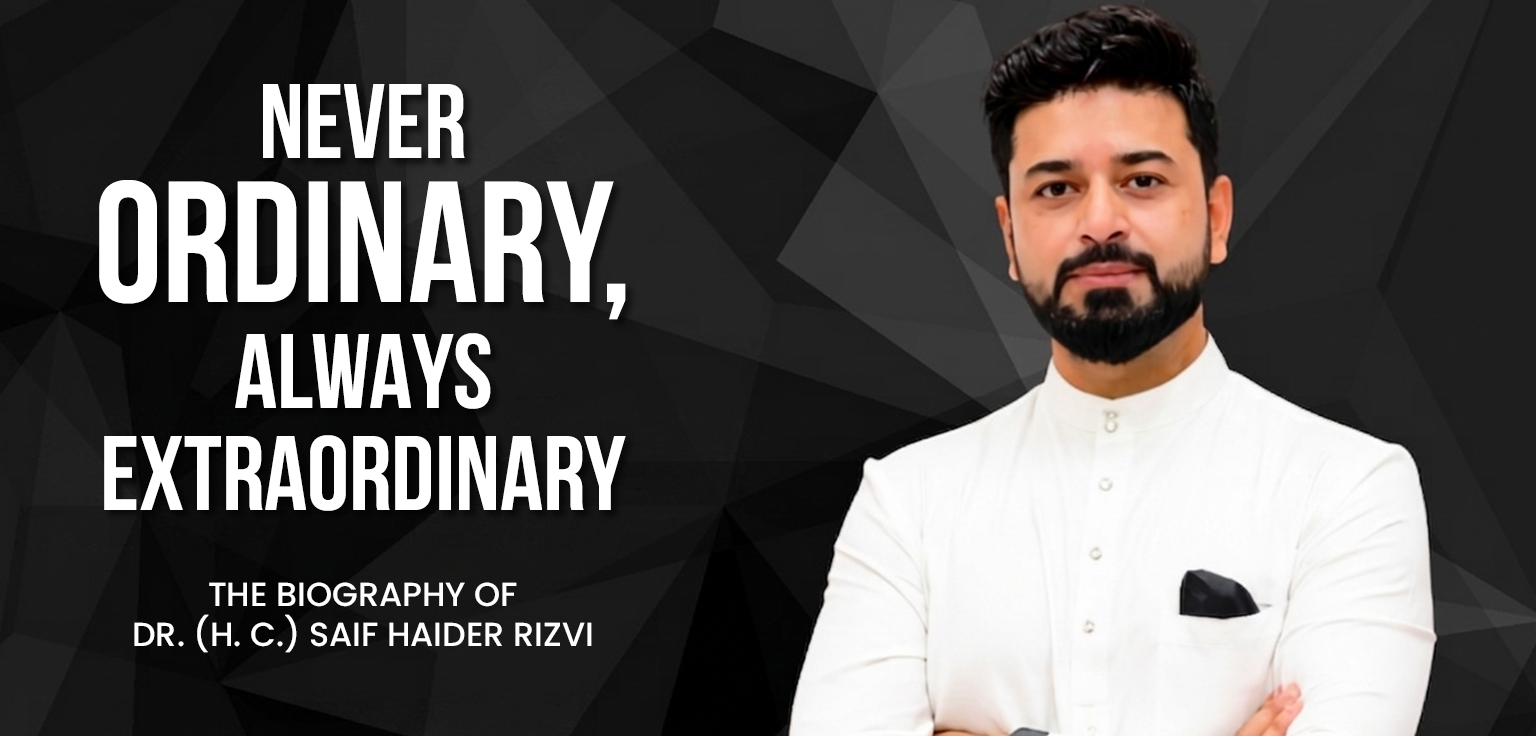
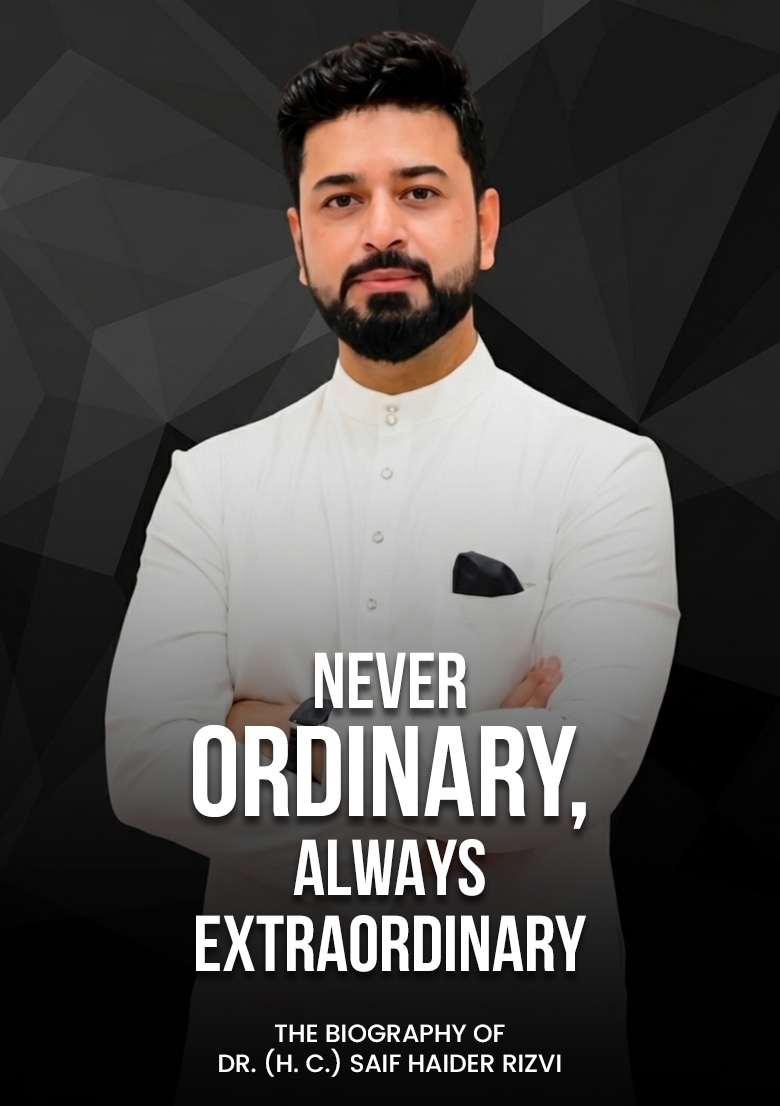
“Dream deeply and keep moving forward, because the journeys that appear uncertain at the beginning often become the ones that define a life.”
Introduction
Born in India and shaped by an upbringing rooted in discipline, education, and cultural values, Dr. Saif Haider Rizvi grew up in an environment where learning was not simply encouraged but deeply respected. Gorakhpur in Uttar Pradesh and the nearby village of Hallaur where he grew up in his childhood, played a significant role in his early years, reflecting the simplicity and conservatism of traditional Indian life. Yet within that environment stood a strong intellectual background. He came from a family that valued education, public service, and professional excellence. His father, an engineer who later retired from the Irrigation department in a very senior position, became one of the earliest academic influences in his life. Around him were family members whose own achievements created a standard that was difficult to ignore. In such a setting, aspiration was not loud, but it was constant.
One of the earliest turning points in that preparation came through education. Though he came from a home where Hindi and Urdu were part of everyday life, his schooling took place in Little Flower School, which is an English-medium Christian missionary school environment. That experience gave him more than subject knowledge. It gave him language, confidence, discipline, and the ability to express himself in spaces far larger than the one in which he was born.
His move to Bangalore for engineering marked the next major chapter in his life. After completing his schooling, he entered the field of Electrical and Electronics Engineering at Sir M. Visvesvaraya Institute of Technology. He has honestly reflected that his choice did not stem solely from personal passion. It was influenced by his father’s practical wisdom and by the larger mood of the time, when technology and engineering were considered the gateways to the future. Yet what might have begun as an inherited direction slowly became a meaningful foundation. Engineering did not merely train him in systems and logic. It gave him technical discipline. More importantly, it gave him a base from which he could later understand how technology serves people, organizations, and decisions.
The earliest years of his professional life revealed something even more significant. When he entered the BPO and technology support world through Convergys, he came face to face with the demands of customer interaction, international processes, and round-the-clock service. In that environment, he discovered that his greatest strength was not simply technical ability. It was the rare combination of understanding technology and being able to explain it clearly to others. He learned how to simplify complexity, how to make people feel understood, and how to build trust through communication. That discovery became one of the defining truths of his career.
From there, the path broadened steadily. Consulting exposed him to stakeholders, contracts, decision-making, risk, and financial accountability at an unusually early stage. Leadership roles in India sharpened his ability to manage teams and operations. International opportunities in Singapore and later Malaysia expanded his perspective and tested his adaptability in new markets. Over time, he grew into roles that carried revenue responsibility, strategic planning, pre-sales leadership, and business transformation. He became not merely someone working within systems, but someone shaping them.
“The earliest strength in a life does not always come from comfort. Occasionally it comes from the values, voices, and quiet expectations that teach a person to look beyond where he began.”
Phase 1: Roots of Aspiration
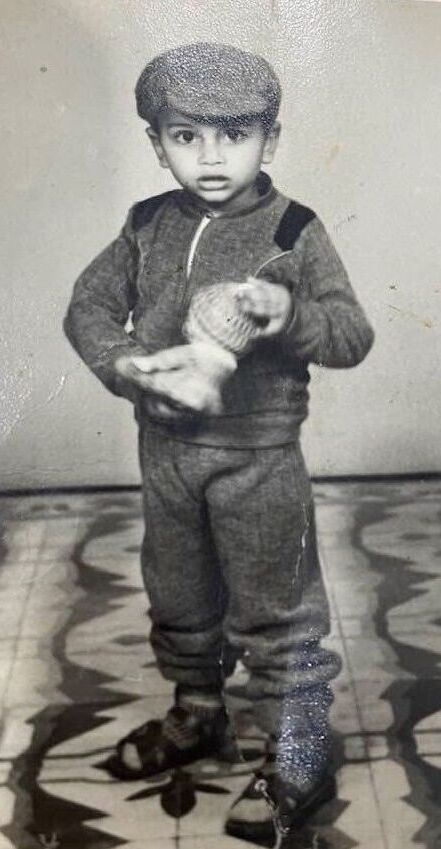
The story of Dr. Saif Haider Rizvi begins in the soil of northern India, in and around Gorakhpur, Uttar Pradesh, where tradition, family identity, and education were woven closely into the rhythm of everyday life. His beginnings were not shaped by glamour or by the noise of a rapidly changing world. They were shaped by a conservative environment, by deeply rooted family values, and by a social atmosphere in which dignity, discipline, and learning carried lasting importance. Those early surroundings may have appeared modest from the outside, yet they held the foundation of a life that would one day cross borders, industries, and generations of professional change.
Among the strongest influences in that world was his father. Dr. Saif Haider Rizvi has spoken openly about the role his father played in shaping his educational direction. His father was an engineer who retired from the Irrigation Department after serving in a senior executive position. That fact alone carried weight in a traditional family. It represented discipline, credibility, accomplishment, and a life built through method rather than chance. For a son growing up in such a home, the example of an engineer father naturally became one of the earliest models of intellectual seriousness. From an educational perspective, he saw his father as a key influence. He followed his footsteps first through engineering, and although his later life would branch into areas far beyond that initial path, the first imprint had already been made.
At the same time, his family’s influence was not limited to his father. He remembered the support of many people around him. His mother, father, grandmother, grandfather, and aunts formed part of the emotional and moral atmosphere of his childhood. Their support may not always have looked like formal guidance or detailed career mentoring, but it mattered. In many Indian homes, love does not always announce itself loudly. Occasionally it appears in encouragement, in prayers, in sacrifices, and in a willingness to let a young person step into a future that no one before him had fully experienced. That was true in his case. Even when he began taking steps that felt unusual for a family rooted largely in government service, the support around him remained real.
He also grew up with the awareness that his family was, in many ways, service-oriented and structured. He mentioned that many members of his family were government servants, working in departments such as irrigation and treasury. That kind of background creates a particular mindset. It values security, stability, predictability, and institutional legitimacy. It respects the idea of a clear path. It does not easily celebrate uncertainty. For that reason, his later professional choices would eventually stand out all the more. But in these early years, what mattered was that he absorbed a disciplined worldview. He learned that work mattered, that reputation mattered, and that one’s journey should amount to something.
“Sometimes the first real turning point in a life is not a grand event. It is a classroom, a language, a discipline, and the quiet realization that the world may be much larger than the one a child has known.”
Phase 2 : The Schooling That Opened His World
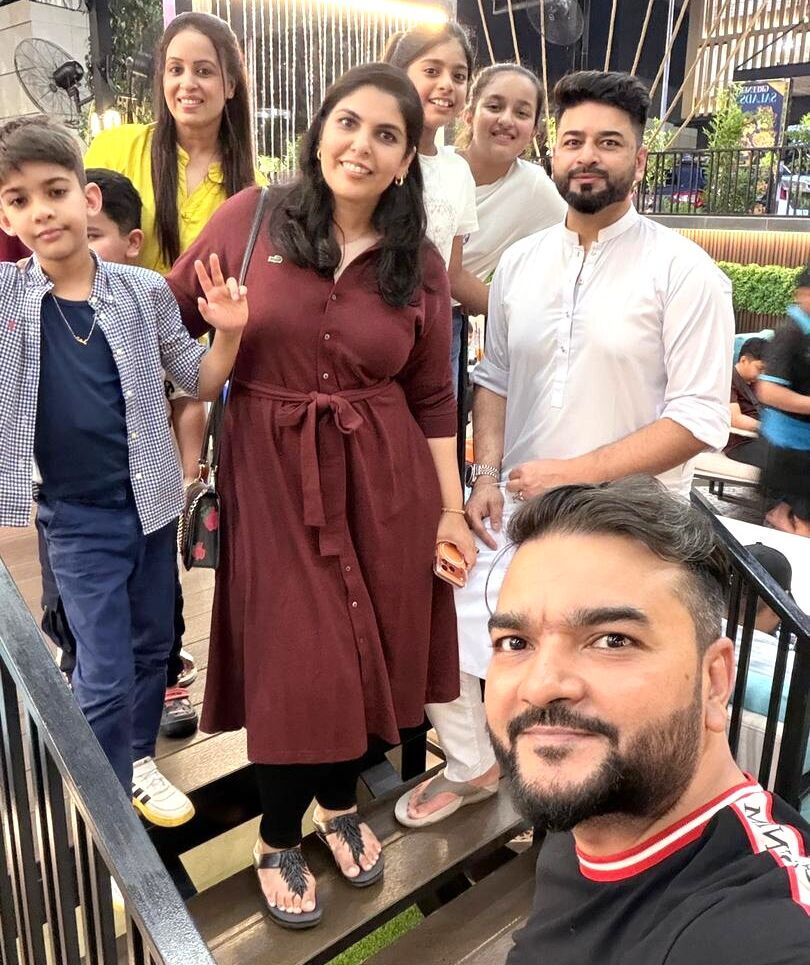
If the first phase of Dr. Saif Haider Rizvi’s life was shaped by roots, family values, and an educationally rich environment, the second phase was shaped by awakening. These were the years in which the world began to widen before him. They were the years in which structure slowly became confidence, and confidence slowly became preparation. Long before boardrooms, consulting tables, enterprise strategies, and technological leadership entered his life, there was school. There was routine. There was the discipline of study. There was language. There was exposure. There was the slow but steady making of a young mind learning how to stand in a changing world.
He studied in an English-medium Christian missionary school, an environment that carried its discipline, structure, and expectations. It was, in every sense, a formative space. It did not merely offer academic content. It offered a system. It offered polish. It offered linguistic training. It offered a world that expected a child to present himself in a particular way and to communicate with clarity and confidence. For someone raised in a conservative northern Indian family, that school did more than educate. It expanded his horizon.
He has spoken with unmistakable respect about what this schooling gave him. In his reflection, he credits that environment forcefully for preparing him for the life he would later lead. This was not the kind of gratitude one expresses casually. It came from lived understanding. He understood that later in life, the ability to speak eloquently, think clearly, and operate professionally across cities and countries did not develop by chance. It had roots in those early years. A child who was encouraged, and in many ways required, to function in English throughout the school day gradually acquired something that would become invaluable in adulthood. He acquired command over a language that the global professional world would continue to demand.
But school gave him more than language. It gave him a sense of placement in the world. Children often do not realize when an institution is quietly shaping their posture toward life. They do not always see how routine becomes discipline, how repetition becomes confidence, and how exposure becomes readiness. Yet that is precisely what happened in his case. The missionary school environment introduced him to standards. It taught him how to function within a structure. It trained him to present himself in a way that could travel beyond the smallness of geography. In later years, when he moved from Gorakhpur to Bangalore, then from Delhi to Singapore, and eventually to Malaysia, he would not be starting from nothing. The world had already begun to open inside him.
He has described that period as one in which sudden changes were happening between generations. The older world and the newer world were not seamlessly connected. They often felt like two different realities. The movement from earlier systems into computers, digital storage, and evolving technologies did not happen gently. It came with speed. It came with novelty. It came with a certain pressure to adapt. For someone like Dr. Saif Haider Rizvi, who was positioned at the front edge of that generational shift, school became one of the most important places where adaptation could begin safely.
“Life does not always begin with the path one would have chosen. Occasionally it begins with a path chosen by circumstance, and through sincerity, discipline, and courage, that path slowly becomes one’s own.”
Phase 3 : A Path Chosen, A Mind Awakened
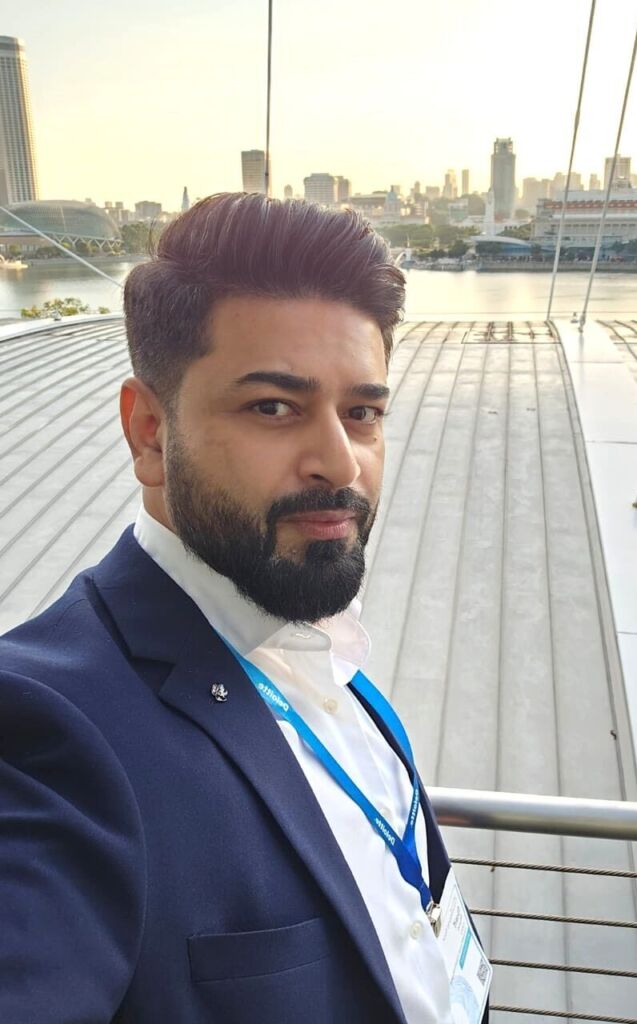
There are moments in a person’s life that do not arrive with complete certainty yet later prove to be deeply formative. For Dr. Saif Haider Rizvi, one such moment came when the time arrived to move beyond school and choose a direction for higher education. By then, he had already grown within an environment that valued learning, discipline, and aspiration. His schooling had given him confidence, linguistic strength, and the ability to imagine a life larger than the one immediately around him. But the question of what to do next was not entirely simple. It was shaped by family expectations, by the realities of the time, by his natural abilities, and by a future that had not yet fully revealed itself.
After completing his schooling from the ICSE board, he reached the stage where his life would begin to move more decisively toward adulthood. This was not merely the end of one educational chapter. It was the beginning of a much larger shift. Until then, his world had been rooted in family, school, and the familiar environment of northern India. But now a more independent journey was about to begin. He would leave the landscape of home and move toward a city that represented opportunity, distance, and new exposure. That city was Bangalore.
He has spoken of that move with the awareness that it was a big step, especially in the context of the home he came from. A traditional family does not always release its children easily into distant spaces, particularly when the child is stepping into a life very different from what previous generations had known. Yet he was allowed to go, and that permission carried weight. It reflected faith. It reflected the belief that he could carry himself responsibly. It reflected the hope that education would justify the distance. Behind every outward educational milestone lies an emotional truth, and here that truth was simple. He was leaving one world while carrying its values into another.
He secured admission into a well-regarded engineering college in Bangalore, identified in the conversation as MVIT, or Sir M. Visvesvaraya Institute of Technology, and joined the field of Electrical and Electronics Engineering. This was between 1999 and 2003. These years became one of the defining phases of his early life, not merely because of the degree he earned but because of what the experience did to his perspective, independence, and internal maturity.
Note of Thanks
This biography quietly acknowledges the many individuals who have been part of the journey of Dr. Saif Haider Rizvi. No life that carries depth, movement, and purpose is ever shaped alone. At different points in time, there are always people who stand beside, behind, or sometimes simply around, offering support in ways that may not always be spoken, but are always felt.
His wife has remained a steady presence through the changing rhythms of life and work. In moments that demanded balance, patience, and understanding, her support formed a space of calm and strength. Such support often does not seek recognition, yet it becomes one of the most meaningful foundations in a life that continues to evolve.
His family has been equally important. From the early years shaped by values, discipline, and belief in education, to the later phases that required movement across geographies and responsibilities, their encouragement has remained constant. It is within such a foundation that confidence quietly takes root and grows over time.
His mentors, colleagues, and well-wishers are profoundly acknowledged for their roles at various stages of his journey. Some offered essential guidance, while others provided trust and opportunities during pivotal moments. A few simply had faith in him, and that belief alone was sufficient to propel him forward.
This note of thanks remains intentionally simple and inclusive. It is extended to all those who, in their own way, contributed to the journey of Dr. Saif Haider Rizvi. Not every contribution is visible, yet each one becomes part of a life that continues to move, grow, and take shape with quiet strength.
Thanks,
– Dr. Saif Haider Rizvi