
“A meaningful life takes form through responsibility, shaped by choices, and carried forward through care for others.”
Introduction
The life of Dr. Marva Douglas Wilks is a journey shaped by resilience, quiet determination, and an enduring commitment to building something meaningful out of every stage of her experience. Her story does not follow a straight or predictable path. Instead, it unfolds through moments of transition, responsibility, and self-discovery, each contributing to the person she would become over time.
Born on September 14, 1959, her early years began in Jamaica, where she spent the first part of her childhood. Those formative years laid the groundwork for a strong sense of identity, even before life introduced her to change at a young age. At twelve, she migrated to the United States, stepping into a new environment that required adjustment, resilience, and the ability to adapt. The transition was not immediate or simple. Her family moved several times before eventually settling into a more stable home when she was around fourteen. It was during these years that she began to shape her understanding of belonging, responsibility, and the importance of stability.
As she moved into her high school years, Dr. Wilks discovered areas where she naturally excelled and found joy. She developed a deep appreciation for English, particularly writing, often expressing herself through poetry. Alongside this, she showed strength in chemistry and found enjoyment in music, especially singing and exploring different genres. She also distinguished herself as a skilled tennis player, competing throughout high school and earning a strong ranking within the state of Connecticut. These interests reflected a young individual full of promise, curiosity, and ability.
Yet, her path took a significant turn during her senior year of high school when she became a mother at the age of seventeen. This moment marked one of the earliest and most defining transitions in her life. The weight of responsibility arrived quickly, bringing with it uncertainty and emotional challenge. She did not initially have a clear vision of what the future would hold. However, what followed was not hesitation, but a conscious decision to move forward. She chose to continue her education, maintain employment, and care for her child, balancing each responsibility with determination. By the age of nineteen, she had also entered marriage, adding another dimension to her already demanding life.
These early adult years required discipline and sacrifice. Between work, school, and family, she learned to navigate life with focus and persistence. Rather than allowing circumstances to limit her direction, Dr. Wilks continued to invest in her own growth. She made a deliberate effort to become someone her children could look up to, setting an example through her actions. Over time, this commitment extended beyond herself, influencing the lives of those around her, especially within her family.
“Early experiences do not always speak loudly, yet they quietly shape how a life unfolds.”
Phase 1: Roots in Jamaica and the Earliest Foundations
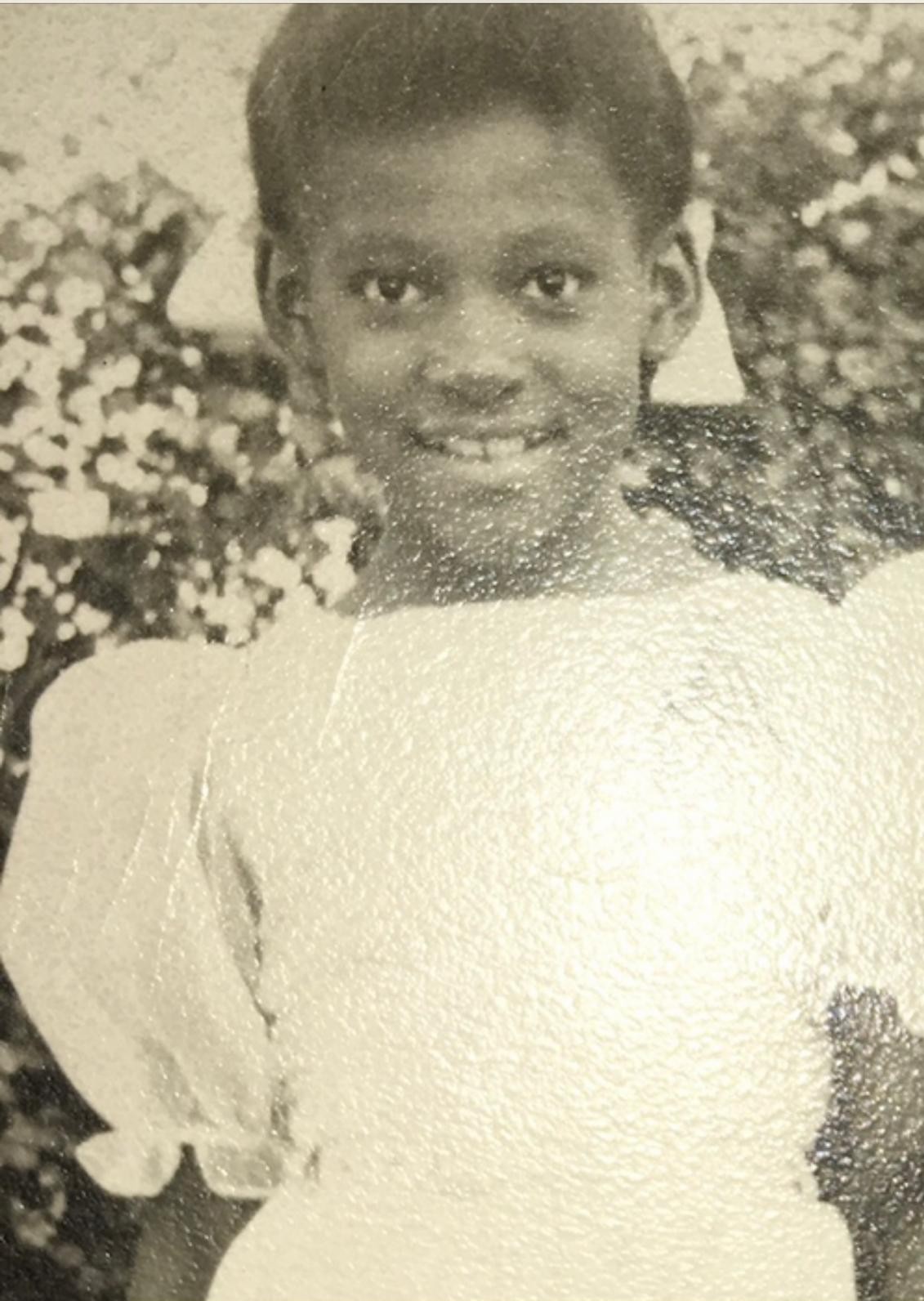
Before the responsibilities, before the achievements, and before the many roles she would come to hold, the story of Dr. Marva Douglas Wilks began in Jamaica. Dr. Marva Douglas Wilks was born on September 14, 1959, prematurely at just 1.8 pounds, spending the first three months of her life in the hospital before going home with her family. As a child, she was very sickly, spending much of her early years in and out of hospitals due to severe allergies and eczema complications. It wasn’t until around age eight that it was determined her allergies were caused by dairy products, which were severely affecting her health. Despite missing a significant amount of school due to her health, she showed incredible resilience.
By the time she was in fourth grade, she had overcome many of these obstacles and excelled academically, coming first in her class. The Jamaican grading system, unlike traditional A, B, or C letter grades, averaged the year’s grades to place students on a ranked list from first to last. Dr. Wilks, despite missing so much school due to her health issues, was ranked first in her class at the age of eight, a clear testament to her determination and academic potential.
Her childhood in Jamaica lasted until she was twelve, a period that, while not filled with dramatic events, carried a depth that would later reveal its importance. It was within this environment that she first began to understand people, relationships, and the subtle dynamics within a family. Some of those lessons came through warmth, while others came through silence, leaving impressions that stayed with her as she grew.
At the center of her early life was her father, Ivan O. Brown, a man whose influence would remain with her long after childhood had passed. He was not defined by formal schooling, yet he possessed a clarity of thought and a way of understanding life that made a lasting impact. He spoke openly, shared his thoughts without hesitation, and approached life with honesty and straightforwardness. Through everyday conversations, he passed on lessons about how to carry oneself, how to treat others, and how to navigate life with a sense of purpose. Those moments, simple as they may have seemed at the time, became some of the most meaningful parts of her upbringing.
“Adjustment is not about losing where you came from, but learning how to stand where you are.”
Phase 2 : Crossing Worlds and Finding Ground

Arriving in the United States at the age of twelve marked the beginning of a new and unfamiliar chapter in the life of Dr. Marva Douglas Wilks. It was a transition that required more than just physical relocation. It meant stepping into a different culture, adjusting to new expectations, and learning to navigate a world that felt far removed from the one she had known. At that age, such a shift does not come with clear instructions. It demands quiet strength, observation, and the ability to adapt without fully understanding what lies ahead.
The early years after her arrival were not immediately settled. Her family moved several times, searching for stability and a place to call home. Each move brought its own set of adjustments, new surroundings, new people, and the need to start over again. For a young girl already processing the change of countries, this constant movement added another layer of uncertainty. It required her to become adaptable, to find comfort within herself when external circumstances kept shifting.
Eventually, around the age of fourteen, her family settled into a more permanent home. That sense of stability, even if it came after a period of change, provided her with a foundation she had been quietly needing. It allowed her to begin focusing on building her own path, developing routines, and forming connections that would carry her through the rest of her teenage years. It was in this environment that she began to grow more confident in navigating her surroundings.
As she entered high school, a clearer sense of her interests began to emerge. She found a natural connection to English, a subject that allowed her to express herself in ways that felt meaningful and personal. Writing became more than just an academic exercise.
It was something she enjoyed, particularly through poetry, where she could put thoughts and emotions into words. This ability to express herself gave her a sense of clarity and control, especially during a time when much of her life had involved adjustment.
Alongside this, she showed strength in chemistry, demonstrating that her abilities were not limited to one area. She approached her studies with focus, balancing curiosity with discipline. Music also played an important role during these years. She enjoyed singing and listening to different styles, finding comfort and enjoyment in something that crossed boundaries and connected people in simple yet powerful ways.
“When life shifts unexpectedly, direction is found in the choice to keep going.”
Phase 3 : A Turning Point Too Soon
There are moments in life that arrive without warning, quietly shifting everything that once felt certain. For Dr. Marva Douglas Wilks, that moment came during what should have been the final stretch of her high school years, a time typically filled with anticipation, plans, and the natural excitement of stepping into adulthood. Instead, life placed before her a responsibility that would demand far more than she had ever imagined.
At seventeen, during her senior year, she became a mother.
The weight of that reality did not come gently. It brought with it confusion, uncertainty, and a sense of being unprepared for what lay ahead. She found herself standing at the edge of adulthood much sooner than expected, with little clarity about what her future would look like. The dreams and possibilities that had once seemed within reach now felt distant, overshadowed by the immediate need to care for another life.
In those early moments, she describes feeling lost, unsure of the direction she should take. It was a deeply human response, one shaped by the sudden shift from being a student to carrying the responsibilities of motherhood. There was no roadmap, no clear path laid out before her. Yet, what followed was not a retreat, but a quiet decision to keep moving forward.
Rather than allowing the situation to define her limits, she chose to adapt.
Between the ages of seventeen and eighteen, her life became a delicate balancing act. She worked, attended school, and cared for her child, all at once. Each day required focus, discipline, and a level of maturity that far exceeded her years. There was no space for hesitation. Every decision mattered, every action carried weight, and every step forward required effort.
This period of her life was not about comfort or ease. It was about doing what needed to be done, even when it was difficult. She understood that her circumstances had changed, and with that understanding came a sense of responsibility that guided her actions. There was a quiet determination in the way she approached each day, a refusal to allow her situation to hold her back from becoming something more.
At nineteen, she entered marriage, becoming a wife while still navigating the demands of young motherhood. It was another layer of responsibility added to an already full life. Yet, even within these commitments, one thing remained clear to her. Her education would not be abandoned.
Note of Thanks
This biography reflects not only the journey of Dr. Marva Douglas Wilks, but also the presence of those whose influence, support, and understanding became part of that journey in meaningful ways.
With deep respect, acknowledgment is extended to her father, Ivan O. Brown, whose perspective and presence left a lasting impression on her life. Through his honesty, clarity, and the conversations they shared, he shaped values that continued to guide her long after those early years.
Her children, Dwayne Douglas, Cassandra Douglas, and Leanne Douglas Trotman, hold a central place in this journey. From an early stage, they brought both responsibility and purpose, influencing the direction of her life in profound ways. Their presence became a steady source of motivation, encouraging her to continue building, growing, and moving forward through each phase.
Her husband, Glendon Wilkes, is also recognized for his role in this path. Through life’s many transitions, his presence reflected a partnership grounded in understanding and shared responsibility, contributing to the stability that supported her continued growth.
Special mention must be made of her Aunt Bernice Brown, who has passed on, and her cousin Diane Brown, who served as her rock during her struggles as a young mom. Joy Hudson, who ensured that Dr. Wilks was in need of nothing when her son was born, continues to be one of her closest friends. Aunt Ivy, who is no longer with us, served as a second mother, was her emotional support, and was a beautiful woman who always had her back.
Dr. Wilks also recognizes Carmen Fuentes and Keisha Dyke, the mothers of her Godchildren, who have always brought joy to her life.
Although she and her first husband, her children’s father, are now divorced, he was an incredible source of support during the early years, providing the foundation she needed to pursue the many great accomplishments in her life.
Along the way, many individuals became part of her experience. Colleagues, mentors, and members of the community contributed through shared moments, guidance, and collaboration, each adding to the perspective and strength she carried forward.
This acknowledgment reflects an understanding that her journey was shaped not in isolation, but through connection, through shared effort, and through the quiet presence of others who, in different ways, helped make the path possible.
Thanks,
– Dr. Marva Douglas Wilks