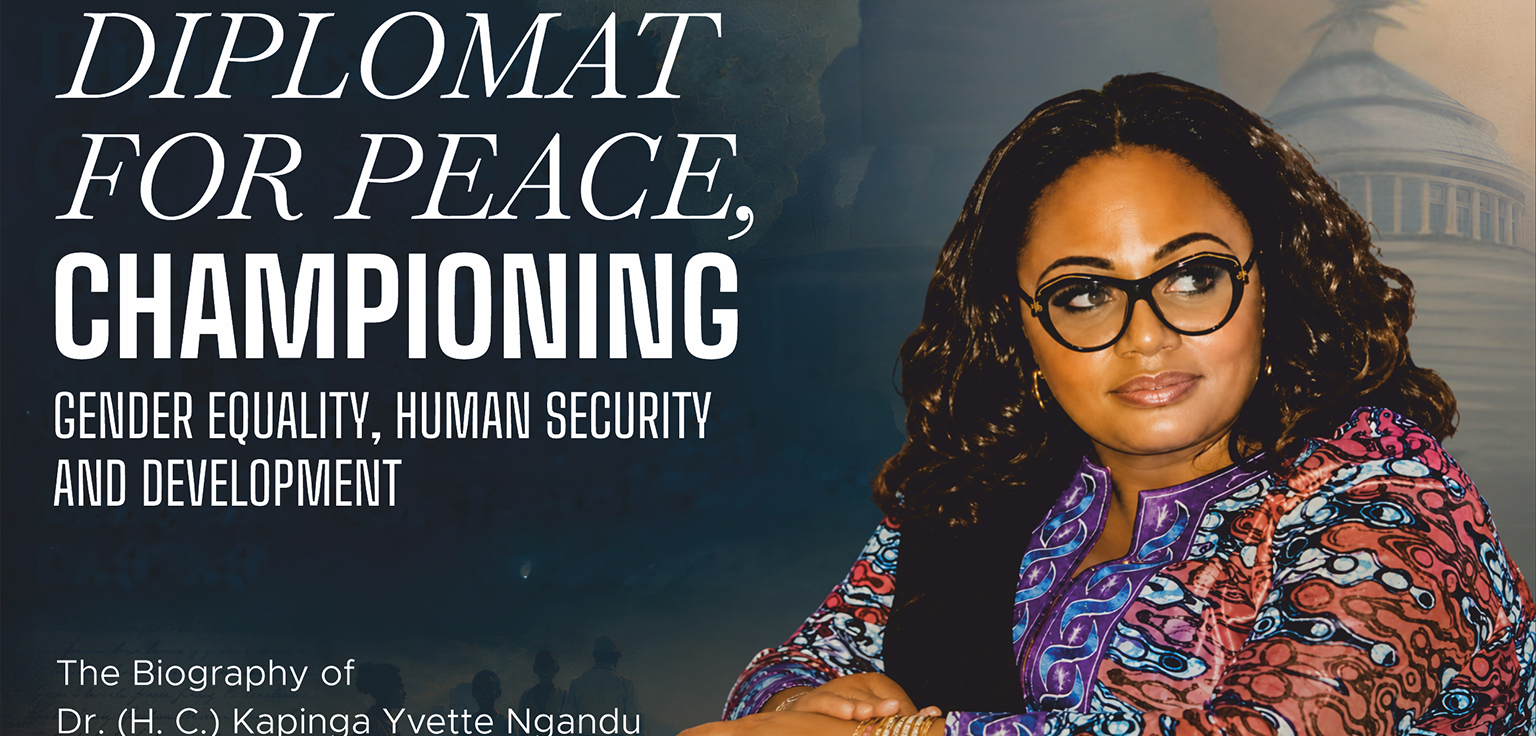
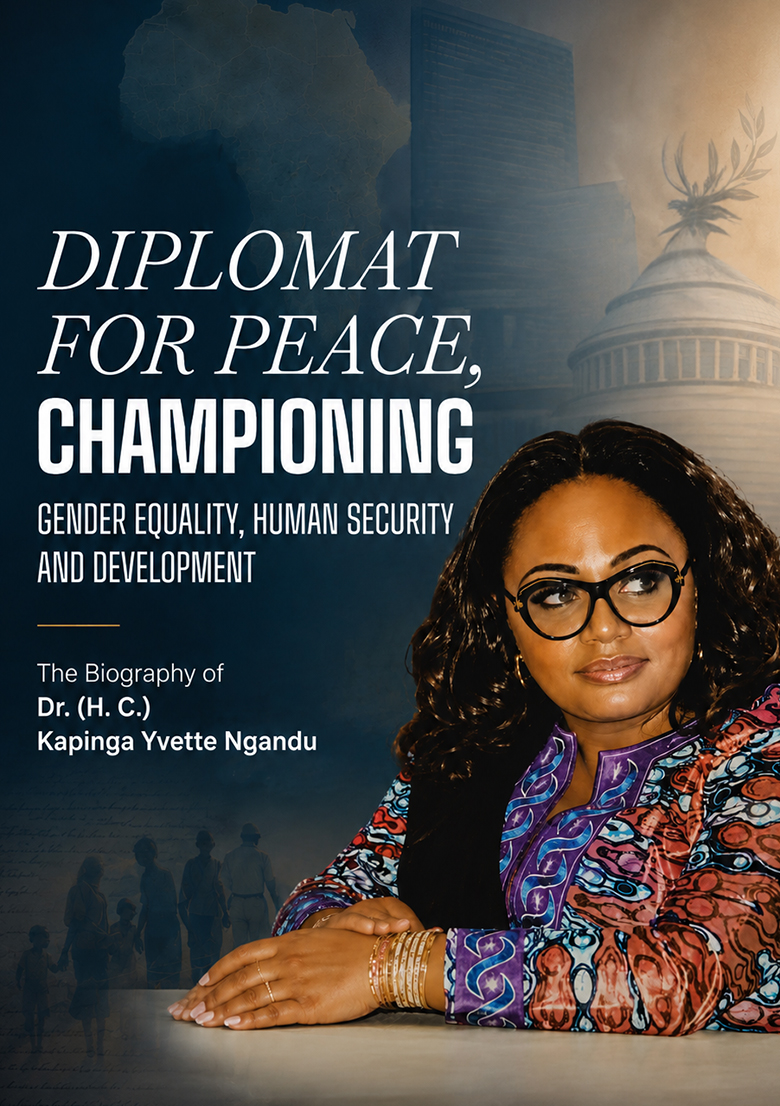
"A life devoted to diplomacy is a life spent shaping a world where peace, justice, and empowerment are not just ideals, but achievable realities for all."
Introduction
Dr. Kapinga Yvette Ngandu’s life journey is a testament to the power of diplomacy, humanitarian values, and a commitment to building a better world. Born in 1976 in Brussels, Belgium, she was immersed in a world of diverse cultures and global awareness from a young age. Her parents’ values, global outlook, and commitment to public service helped shape the foundation of her future path as their family moved across continents, experiencing the complexities of international relations firsthand. This global upbringing instilled in her an early sense of purpose, one that would shape her career and lead her to become a prominent figure in diplomacy and peacebuilding.
Dr. Ngandu’s early life was defined by a unique combination of experiences, languages, and perspectives that laid the groundwork for her future contributions to social justice and conflict resolution. As a child, she was exposed to different cultures and political environments, learning to navigate the complexities of international affairs. The images of global suffering, humanitarian crises, and the stories of struggle that her father brought home from his diplomatic missions were not just distant news but personal calls to action. It was this exposure to both the harsh realities and the transformative power of diplomacy that sparked her passion for creating change.
Her career trajectory has been nothing short of extraordinary, spanning over two decades of work in diplomacy, multilateral relations, and peacebuilding. From the outset, she dedicated herself to understanding the intricate web of political, social, and humanitarian issues that shape the world. Dr. Ngandu’s academic journey, including her studies at Bowling Green State University in the United States, provided her with the foundational knowledge to navigate the complex world of international relations. With a Master’s in Public Administration and a Bachelor’s in Political Science and History, she set her sights on creating solutions to global challenges, particularly in the areas of human rights, conflict resolution, and sustainable development.
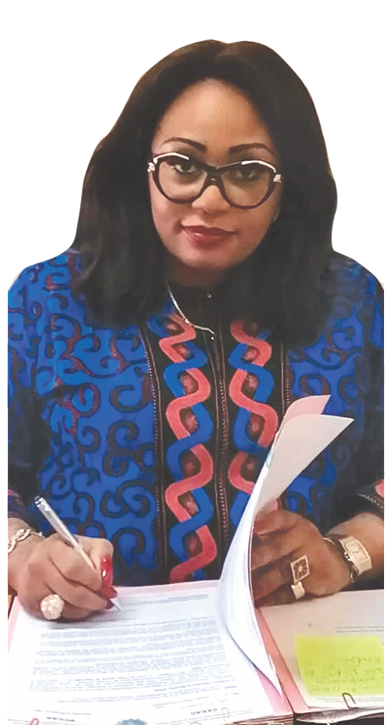
Dr. Ngandu’s professional career began in earnest when she took on roles that would deepen her understanding of international diplomacy. Her work as a researcher at a think tank in New York, closely affiliated with the United Nations, marked the beginning of her immersion in the diplomatic world. Here, she worked alongside international diplomats, gaining invaluable insight into the intricacies of global negotiations and conflict resolution. However, it wasn’t until later that she officially became a diplomat, a position she would hold with distinction, representing the Democratic Republic of the Congo (DRC) at the highest levels.
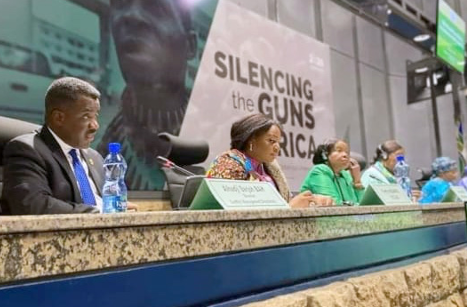
Throughout her career, Dr. Ngandu has worked with a range of international organizations, from the United Nations to the African Union and ECCAS (the Economic Community of Central African States), shaping policies and initiatives that promote peace, gender equality, and social development. As the first woman to serve as the Commissioner for Gender, Human, and Social Development at ECCAS, she pioneered regional policies that addressed critical issues like migration, education, youth empowerment, and healthcare. Her tenure saw the creation of vital programs, including a policy on resilient education, strategies for employment and labor migration, and a regional humanitarian policy that sought to safeguard the most vulnerable populations in Central Africa.
Dr. Ngandu’s work has been deeply intertwined with her commitment to peacebuilding and conflict prevention, areas she has specialized in for much of her career. Her involvement with the African Union’s Panel of the Wise and her role in the mediation of African conflicts provided her with a unique perspective on the challenges of diplomacy. Through these experiences, she came to understand the importance of proactive engagement, insider mediation, and coordinated responses to emerging crises.
"Every journey begins with the experiences that shape us, and travel opens the pages of a story we can only understand through living it."
Phase 1: A Diplomatic Beginning : Early Life and Global Exposure
Dr. Kapinga Yvette Ngandu’s story begins in 1976, on a summer day in Brussels, Belgium, where she was born into a world shaped by diplomacy and international relations. From the very start, her life was destined to be one that spanned continents, cultures, and political landscapes. Her father, Jean Ngandu, a diplomat working for the United Nations, played a pivotal role in shaping the worldview that would guide her throughout her career. As a young child, Dr. Ngandu’s family did not settle in one place for long. Their frequent moves across the globe gave her a unique perspective on the world, one that was marked by constant learning, adaptation, and exposure to diverse cultures and political systems.
Raised in this dynamic environment, Dr. Ngandu was immersed in the challenges and triumphs of international diplomacy from an early age. The conversations at the dinner table often revolved around global issues, international relations, and humanitarian efforts.
Her father’s work brought with it a steady flow of books, documents, and discussions on pressing issues, topics that sparked an early interest in Dr. Ngandu’s young mind. The images of far-off places, the struggles of people she had never met, and the voices of those advocating for change became deeply ingrained in her thoughts.
Her childhood was far from typical. Rather than growing up in a single community or country, she moved from continent to continent, each new location offering new challenges and learning opportunities. Living in various parts of the world, she became fluent in multiple languages, and each new city taught her more than just geography, it taught her how to connect with people from vastly different backgrounds. Dr. Ngandu’s early experiences with language and culture had a profound effect on her career trajectory. The ability to communicate with others across borders and cultures would become a cornerstone of her diplomatic career.
In her early years, Dr. Ngandu’s exposure to various political climates, humanitarian crises, and the disparities between rich and poor communities made her acutely aware of the inequalities that existed in the world. Although her family was fortunate enough to be spared from the worst of these struggles, the images of hunger, poverty, and injustice were impossible to ignore. Stories, reports, and discussions about efforts to reduce suffering left a lasting impact on her. These vivid accounts were not mere facts to her; they were calls to action. They stirred a deep desire to understand the causes of these issues and to explore ways in which she could contribute to finding solutions.
This early exposure to the struggles faced by communities in far-flung parts of the world created a sense of responsibility in Dr. Ngandu. She began to ask questions: What were the root causes of these issues? How could they be addressed? These questions were not just theoretical; they were personal. They inspired her to learn more about the world’s complexities and ultimately led her to pursue a career where she could make a meaningful impact.
The diplomatic environment in which she was raised gave her an early understanding of mediation, negotiation, and cooperation. She saw how diplomacy could create alliances, open doors, and bring people with different perspectives toward a common purpose. Though she did not yet know the full journey ahead, the foundation of her future was already taking shape through her exposure to diverse cultures, languages, and values of service. These early lessons, gathered from a childhood lived across borders, quietly prepared her for a path rooted in diplomacy, responsibility, and meaningful change.
“The future is built by those who dare to dream and take the steps to make those dreams a reality.”
Phase 2 : Shaping the Vision : The Path to Diplomacy and Early Influences
For Dr. Kapinga Yvette Ngandu, the path to diplomacy was not shaped by one defining moment. It developed gradually through reflection, observation, education, and a growing awareness of the world’s inequalities. What began as early awareness gradually developed into a deeper realization of injustice, conflict, and marginalization, turning observation into purpose.
Although she did not grow up in the Democratic Republic of the Congo, her country of citizenship, she remained aware of her heritage and the political realities connected to her homeland. Living outside the DRC gave her a unique position from which to observe both her own roots and the wider international landscape. This distance did not weaken her connection to her country; rather, it strengthened her curiosity about governance, peace, identity, and the responsibility one carries toward people and communities.
As she matured, the idea of diplomacy began to resonate with her more deeply. She came to understand that diplomacy was not only about official representation or formal negotiations. It was also a means of healing divides, creating dialogue, defending important causes, and building solutions where conflict and inequality had created suffering. This understanding slowly transformed her interest in world affairs into a serious commitment to public service and international relations.
Her sense of justice became one of the strongest influences behind her choices. She was drawn to the idea of standing for those whose voices were often unheard, especially communities affected by conflict, poverty, and exclusion. The desire to work for justice, empower marginalized groups, and contribute to the global community shaped the direction of her academic and professional ambitions. Diplomacy, for her, began to appear not merely as a career, but as a meaningful path through which she could serve.
This growing vision was also reflected in her academic interests. From an early stage, she developed a strong affinity for law, literature, history, and political science, subjects that helped her understand societies, power structures, conflicts, and human behavior. These areas of study gave her the tools to examine the world with greater depth. They allowed her to connect personal awareness with intellectual understanding and prepared her to engage with the complex realities of international relations.
“Education empowers us to create change and transform the world by simply sharing what we’ve learned.”
Phase 3 : Academic Foundations: From High School to University
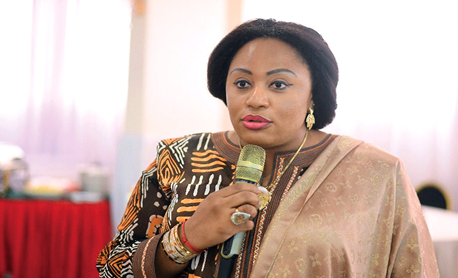
Dr. Kapinga Yvette Ngandu’s academic journey was a deliberate and thoughtful process, shaped by her curiosity about the world and her desire to make a meaningful difference. While her first experiences had already aroused her interest in diplomacy and humanitarian issues, it was during her school years that she slowly started to see education as a powerful vehicle through which her aspirations could take shape.
Though she had initially dreamed of becoming a lawyer, her ambition was not limited to practicing law in the traditional sense. She saw law as a tool to defend the causes that mattered most to her and to stand for justice, particularly for marginalized communities. The idea of becoming an advocate, someone who could use knowledge and legal understanding to support important causes, became one of the driving forces behind her academic choices.
Her high school years helped her connect classroom learning with the larger questions that had already begun to shape her mind. Through literature, history, and political science, she developed a clearer understanding of society, human behavior, and the political forces that influence global events. These subjects were not simply areas of study; they became lenses through which she could better understand power, conflict, governance, and the responsibilities of leadership.
By the time she made the decision to continue her studies at university, her path was becoming clearer. She realized that a career in diplomacy would allow her not only to explore global issues but also to contribute actively to solutions. While she had always been drawn to law, the transition toward political science and international relations felt natural. It gave her a broader academic foundation and prepared her to engage with the practical challenges of diplomacy, policy, and international cooperation.
Her university experience in the United States at Bowling Green State University marked the beginning of a significant new chapter. The shift from high school to university was not merely a change in environment; it was a period of academic and personal growth. At university, she immersed herself in political science, history, and international relations, refining her knowledge and sharpening her understanding of global systems. This was the time when her intellectual curiosity truly matured, and the subjects she studied became essential tools for engaging with conversations around peace, security, and diplomacy.
Alongside her academic pursuits, she continued to strengthen the communication skills that would later support her work in diplomacy. She also deepened her understanding of humanitarian issues, particularly women’s marginalization, an area that would later become a defining feature of her work in international diplomacy and peacebuilding.
Note of Thanks
Dr. Kapinga Yvette Ngandu extends her heartfelt gratitude to all those who have supported, mentored, and guided her throughout her journey. Her career has been shaped by the wisdom, encouragement, and invaluable lessons she has received from her family, colleagues, mentors, and friends.
To her parents, Jean and Jeannette, whose unwavering love, guidance, and dedication to service have been the bedrock of her life’s work, Dr. Ngandu is deeply thankful. Their example of compassion, responsibility, and resilience provided the foundation upon which she built her career. To her grandparents, whose early influence instilled in her the desire to pursue a path of purpose and integrity, she is forever grateful.
Over the years, many mentors have played a significant role in her career, providing guidance and wisdom by their leadership and steadfastness of support, which have helped shape her diplomatic style and inspired her to continue in the face of adversity. Their faith in her ability ignited her passion and commitment to the work she still does to this day.
She also wishes to express her gratitude to the President of the Democratic Republic of the Congo, President Thisekedi, for his trust and confidence in her work. His support has been crucial to her continued dedication to peace, diplomacy, and development for her country and Africa.
To the countless colleagues, peers, and partners in international organizations such as the African Union, United Nations, and ECCAS, she offers her deepest thanks. The collaborative efforts, shared goals, and collective commitment to addressing global challenges have made her journey possible.
Lastly, Dr. Ngandu extends her gratitude to those she has worked for and with, particularly the women, children, and communities whose resilience, strength, and courage inspire her every day. Their stories remain her motivation to continue the work she has dedicated her life to.
thanks,
– Dr. Kapinga Yvette Ngandu