“Her journey was never about being seen at the top but about showing up every day with honesty, learning without stopping, and leaving every place a little better than she found it.”
Introduction
The life of Dr. Deborah Marie Mills reflects a journey shaped not by sudden turns or dramatic shifts, but by steady choices, quiet resilience, and a deep sense of purpose that remained constant across decades. Born on July 13, 1959, her story begins in Washington, D.C., a place known for its political significance, though in her early years, it was simply home. It was within this environment that her earliest experiences took shape, not through grand awareness of the world around her, but through the rhythms of everyday life that felt secure and familiar.
Her upbringing carried a distinct structure. Raised by her grandparents during her formative years, she experienced a childhood that, in her own reflection, was stable and fulfilling. That sense of normalcy, however, changed when she was ten years old, following the passing of her grandmother, a loss that deeply affected her and marked the beginning of a transition to a different way of life. Moving to Silver Spring, Maryland, she entered a new environment, one that required adjustment not only in surroundings but also in perspective.
Her school years unfolded in a setting where she and her siblings stood apart in terms of identity, yet this difference did not define her experience. She moved through her education without conflict, adapting naturally to the environment around her. What perhaps shaped her more deeply was the atmosphere at home. With both parents engaged in government roles that required frequent travel, there was an early exposure to independence. Their work remained largely undisclosed, creating a sense of distance from what they did, yet it quietly introduced her to a world defined by responsibility and discipline.
There was a certain maturity that developed during this time. Being in a household where routines were maintained through structure rather than constant supervision, she learned to manage her own space and responsibilities. It was not a forced independence but one that came naturally through circumstance. This environment, while unique, laid a foundation that would later reflect in her professional life.
As she approached adulthood, the decision to step into the working world was guided by a clear sense of direction. There were options before her, including opportunities outside the government, yet her choice was deliberate. Influenced by the path she had observed within her family, she chose to enter government service. This decision was not based on convenience but on a deeper alignment with stability and long-term purpose.
“Sometimes the earliest chapters of life are not remembered for what was understood but for what was quietly felt, a sense of belonging, care, and stability that stays long after the details fade.”
Phase 1: Foundations in Washington and Early Family Influence
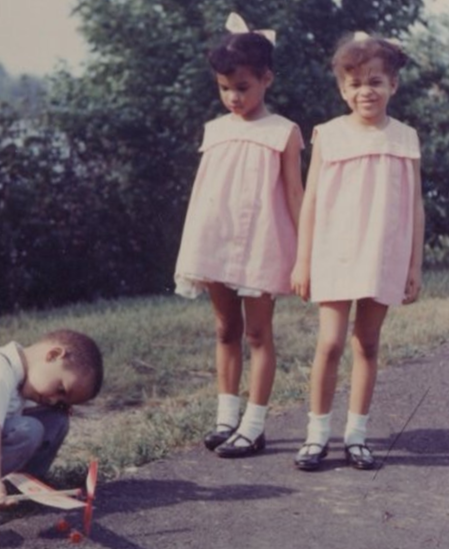
The beginning of Dr. Deborah Marie Mills’ journey lies in Washington, D.C., where she was born on July 13, 1959. At that stage of life, the significance of the city around her was not something she consciously recognized. For a child, it was not about institutions or the larger world that defined the place but about the simple familiarity of home, the people around her, and the rhythm of everyday life. It was in this setting that her earliest experiences were shaped, grounded not in complexity, but in a sense of comfort that made those formative years feel whole.
Her childhood was largely defined by the presence of her grandparents, who played a central role in raising her during those early years. Under their care, life followed a pattern that felt stable and reassuring. There was a sense of routine that did not need to be questioned and an environment that allowed her to grow without disruption. When she reflects on those years, what stands out is not a specific event or moment, but the overall feeling that life, in its simplest form, was good. It was a time when responsibilities were minimal, and the world felt predictable in a way that only childhood can offer.
That sense of security, however, was not something that would remain unchanged. At the age of ten, she experienced the loss of her grandmother, an event that marked a quiet but significant turning point in her life. It was not a moment defined by outward drama but by a shift that would gradually alter the course of her upbringing. With their passing, the environment she had known began to change, and she found herself moving into a new phase of life that required adjustment in ways she had not previously encountered.
Following this transition, she moved to Silver Spring, Maryland, where a different kind of upbringing awaited her. The change was not just about location but about entering a new household dynamic. Her father, who had been a part of her life earlier, now became a more active presence, and with his remarriage, a new family structure began to take shape. This shift introduced her to a setting that was both different and unfamiliar, yet one she adapted to with a natural sense of acceptance.
Her parents’ professional lives brought another layer of uniqueness to her upbringing. Her father, who had initially owned a T.V repair shop, eventually joined government service. Over time, his responsibilities grew to include assignments that involved transporting the President during international visits, a detail that she would only come to understand much later in life. During her childhood, much of what he did remained unknown to her, as it was not openly discussed within the household.
“Growing up is not always about understanding the world around you, sometimes it is simply about finding your place in it, quietly, without needing to prove that you belong.”
Phase 2 : Adapting to Change and Identity Formation
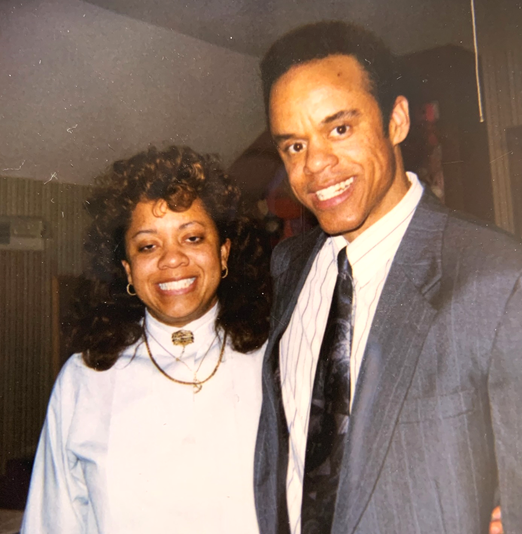
As life in Silver Spring, Maryland began to settle into a rhythm, Dr. Deborah Marie Mills entered a phase that would shape her awareness of the world beyond the comfort of early childhood. This period was not defined by dramatic events, but by subtle adjustments, new environments, and experiences that gradually formed her sense of identity. It was a time of observation, adaptation, and quiet understanding.
Her school years unfolded in an environment that was different from what she had known before. She and her siblings found themselves among students who did not share their background, yet this difference did not translate into conflict or discomfort. Instead, it became something that existed without being emphasized. She moved through her education without feeling singled out or excluded. In her own experience, there were no barriers placed before her, no moments that made her feel out of place. The environment simply was what it was, and she adapted to it naturally.
This ability to adjust without resistance became a defining aspect of her personality. Rather than questioning her surroundings or trying to fit into expectations, she carried herself with a quiet confidence that allowed her to move forward without hesitation. There was no need for validation, no need to constantly seek acceptance. Her presence spoke for itself, and in that simplicity, she found ease.
While her school life remained steady, her home environment continued to reflect a unique structure. With both parents deeply engaged in their professional responsibilities, their absence was a regular part of daily life. Travel was not occasional but consistent, and it created a household dynamic where routine and discipline were maintained through organization rather than direct supervision.
Within this setting, she and her siblings were guided by a caretaker who ensured that daily responsibilities were met. From getting ready for school to maintaining order within the home, there was a system in place that kept everything functioning smoothly. It was not a situation of neglect but one of structured independence. The expectation was clear: life would continue with consistency, regardless of who was present.
“The moment you choose a path is not always loud or dramatic; sometimes it is a quiet decision that stays with you, shaping every step that follows.”
Phase 3 : A Defining Career Choice in a Changing Era
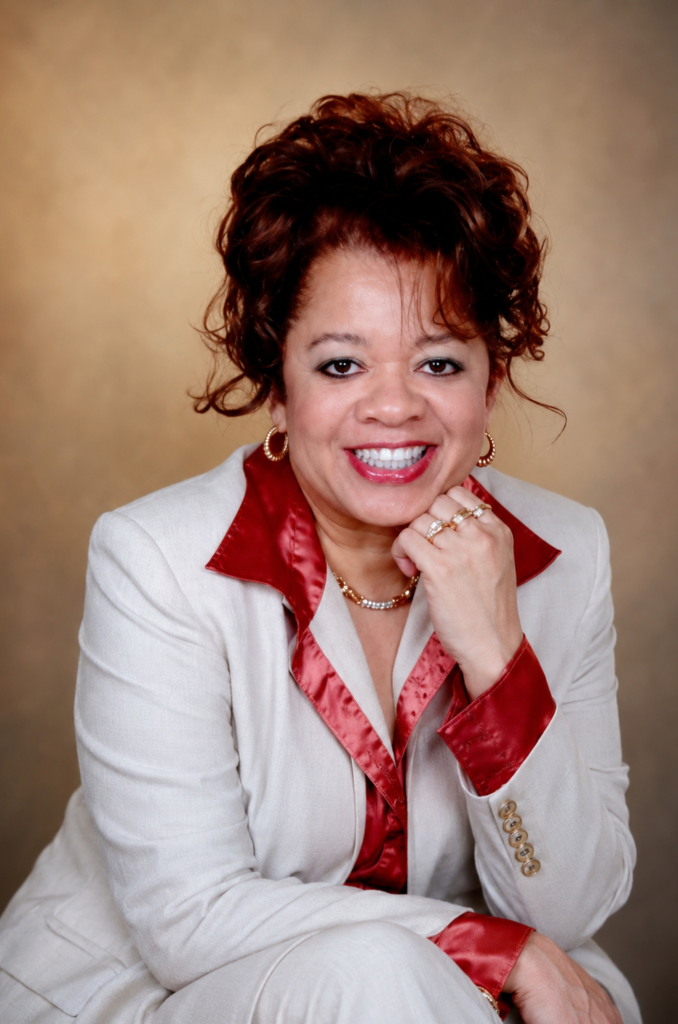
As Dr. Deborah Marie Mills stepped out of her formative years and into adulthood, she arrived at a point where decisions began to carry lasting significance. This phase of her life was not defined by uncertainty, but by a clear sense of direction that had been quietly building over time. It was here that her journey began to move from observation to action, from preparation to purpose.
The transition into the working world did not come with hesitation. Instead, it reflected a calm understanding of what she wanted her life to look like. Having grown up in an environment where government service was a consistent presence, she found herself naturally inclined toward that path. It was not a decision driven by pressure or expectation, but one shaped by familiarity and a sense of stability that she had come to recognize early on.
At this stage, opportunities were open before her. As she transitioned to San Antonio, Texas, multiple opportunities opened before her, including positions with the government, the post office, and American Airlines. Each of these options represented a different direction, offering distinct possibilities. Yet, despite having choices, her decision was clear. Among the three, the government position offered the least financial compensation, but it was the one she chose without hesitation. The reasoning behind this choice was simple, yet deeply rooted. She wanted to follow a path that aligned with what she had seen growing up, a path that represented long-term commitment and purpose.
This decision, while seemingly straightforward, marked the beginning of a journey that would extend far beyond what could have been anticipated at the time. It was not just about selecting a job, but about stepping into a space that would define her professional identity for decades to come.
In November 1978, she entered the workforce as a computer aide. At that time, the world of computers was still in its early stages, far from the integrated systems that would later become essential to everyday operations. It was a space that was still evolving, and in many ways, she was evolving with it.
Note of Thanks
This journey, as it has been lived and reflected upon, carries with it a deep sense of gratitude toward those who have remained present in meaningful ways throughout the life of Dr. Deborah Marie Mills. While much of her path was shaped through individual effort and quiet determination, there were always people whose presence added strength, encouragement, and continuity.
Her appreciation extends to Terresa Jackson, whose consistent presence reflects both companionship and understanding. In the many phases of life that required balance and reflection, such support carried a significance that goes beyond words. It is through such relationships that strength is often sustained in ways that are not always visible, yet deeply felt.
She also expresses her gratitude to Frances Ann Wheeler, whose place in her life represents trust and connection. The value of having someone who stands alongside you, not just in moments of ease but through the ongoing rhythm of life, is something she acknowledges with sincerity.
Beyond these individuals, her thanks extend to the many colleagues, learners, and individuals she encountered across her years of service. While not always named individually, their presence remains part of her journey. Each interaction, each shared moment of learning or guidance, contributed to a path that was never walked in isolation.
This note is not just an expression of thanks, but a recognition that every journey carries with it unseen support. It acknowledges that behind steady progress and personal commitment, there are always relationships that offer quiet encouragement and understanding.
In offering this gratitude, her story remains not only a reflection of her own efforts, but also of the people who, in their own ways, walked alongside her.
Thanks,
– Dr. (H. C.) Deborah Marie Mills