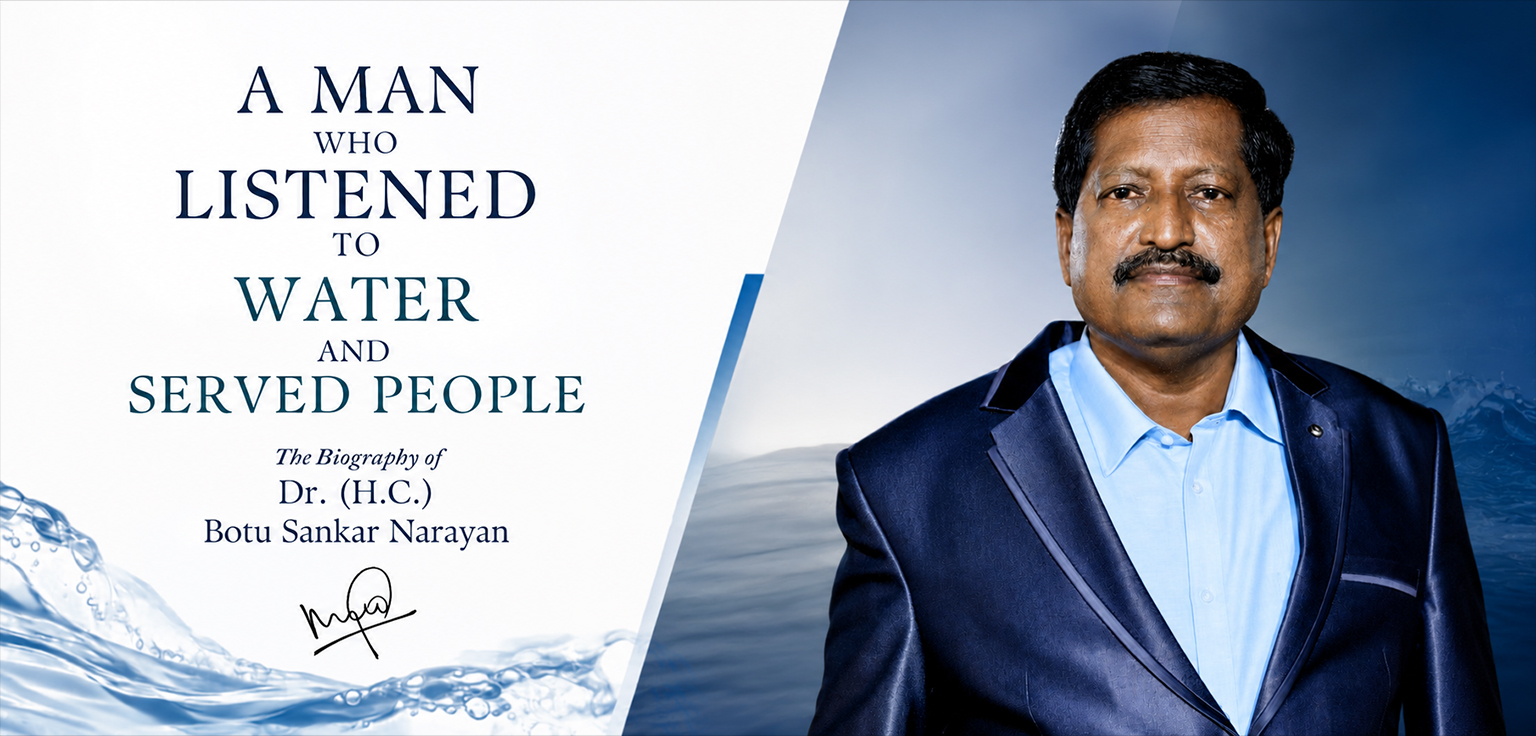
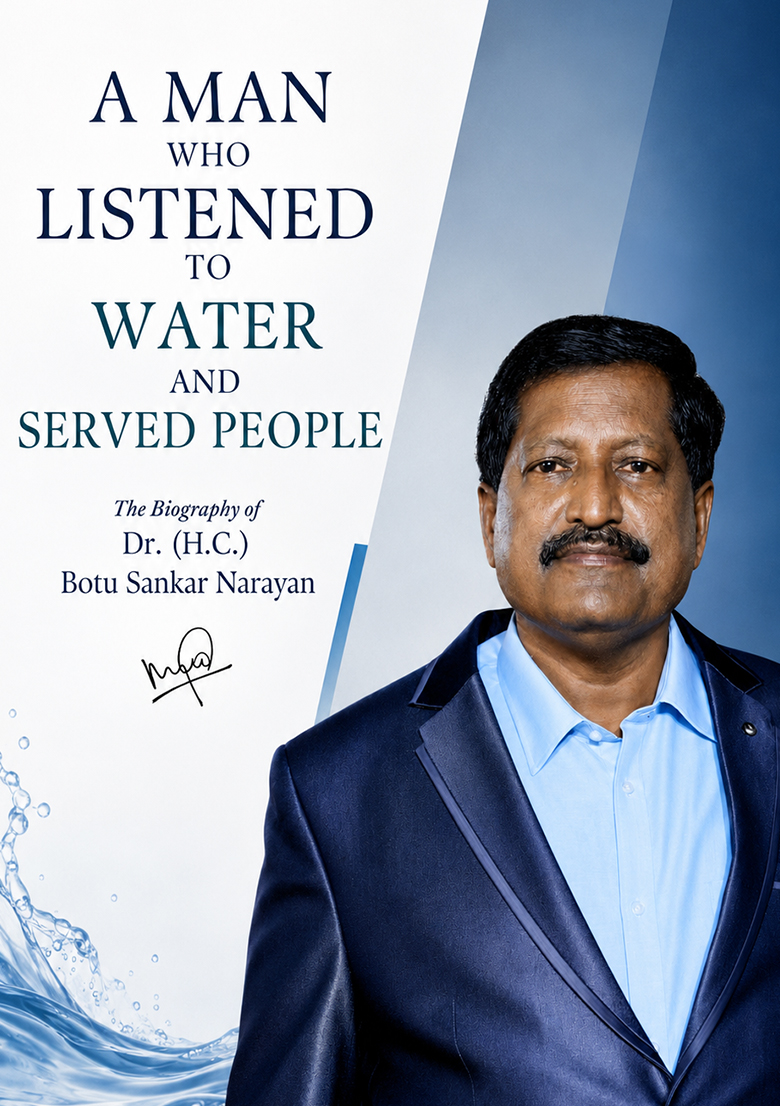
“A meaningful career is shaped by commitment, responsibility, and the difference created through every effort.”
Introduction
Every journey of significance begins with a foundation built through experiences, values, and the willingness to keep moving forward despite challenges. The life story of Dr. Botu Sankar Narayan reflects such a journey, shaped by perseverance, continuous learning, and a deep commitment to engineering and public service.
Born and raised in the GadaGovindpur village, his early years were rooted in a simple rural environment where education became the first step towards a larger purpose. Guided by the values of his parents, he developed a strong sense of discipline and responsibility. His journey from a village school to pursuing Civil Engineering marked the beginning of a lifelong association with infrastructure development and water resource management.
With a belief in continuous growth, Dr. Botu expanded his knowledge while serving in the field of engineering by completing his professional qualification through The Institution of Engineers (India). Over the years, his work reflected a practical understanding of engineering as a responsibility towards people and communities. His involvement in irrigation projects, barrages, water management systems, and sustainable infrastructure initiatives demonstrated his commitment to creating solutions that addressed real challenges.
Even after completing his government service, Dr. Botu continued contributing through consultancy and professional leadership. His association with M/S Eco Decor Consultancy and his role as Chairman of The Institution of Engineers (India), Berhampur Local Centre, reflect his continued dedication towards sharing knowledge, supporting engineering development, and guiding future professionals.
This biography presents the journey of an engineer whose life has been defined by learning, service, innovation, and responsibility. It captures the experiences, achievements, and values that shaped Dr. Botu Sankar Narayan’s path and highlights the impact of a career devoted to building solutions for communities and future generations.
"Growing up with very little teaches you that the strongest people are not those who have everything; they are those who learn to rise with nothing."
Phase 1: Roots That Shaped His Journey Through Childhood and Values
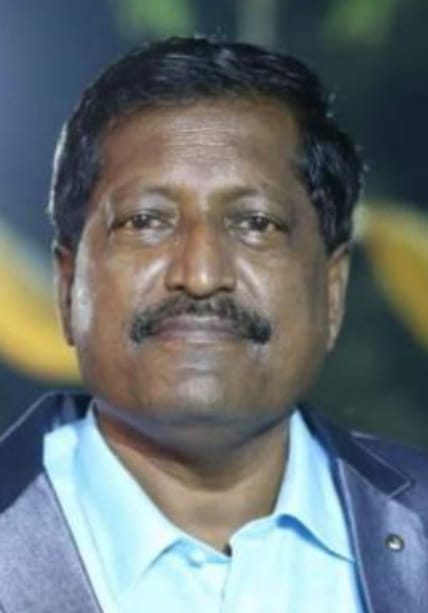
The earliest chapters of Dr. Botu Sankar Narayan’s life were shaped by the simplicity of village surroundings, the discipline of education, and the values instilled by his family. His childhood unfolded in GadaGovindpur village of Ganjam, Odisha, a remote village where life moved with the rhythms of rural living. At that time, the village lacked the development and accessibility it has today. Growing up in such an environment gave him an early understanding of simplicity, hard work, and the importance of education as a gateway to opportunity.
His first steps into learning began at Shri Shri Raghunath U.P. School, Gadagobindapur, the village school where he received his early education. It was here that his curiosity first stirred, and he began to understand there was a world beyond his immediate surroundings. Though the village stood far from urban conveniences, those early lessons laid the foundation for a journey that would eventually lead him into engineering and public service.
The values that shaped him during these formative years were deeply rooted in his family. His father, Botu Kasinath, was a school teacher and headmaster who held a firm belief in the power of education. Coming from a modest background himself, he worked tirelessly to support his children’s schooling. Despite the constraints of a teacher’s salary, he never wavered in his encouragement, especially during his son’s academic journey. His mother, Botu Sumitra, was equally steadfast, providing warmth and strength that anchored him through every challenge.
The sacrifices and encouragement of his parents left a lasting mark on his outlook. Dr. Botu would later reflect that much of his growth and success was tied to his parents’ efforts, particularly his father’s determination to see him educated. Their belief in learning became a pillar that held him steady, even when circumstances were difficult.
After completing his early education in his village, he moved to the nearest village, Nuapada, a semi-urban area where he continued his schooling in a government high school. The transition from a rural village school to a different educational environment introduced him to new experiences and broader possibilities. The journey demanded adjustment and determination, but it also sharpened his willingness to learn beyond familiar boundaries.
His childhood was defined not only by academics but also by the people around him. Looking back, he remembered that many of his classmates from those early years went on to build meaningful careers in diverse fields. Some pursued higher positions in academic education and medical, while others remained connected to agriculture and farming. These memories reminded him of the potential that existed among students who began their journeys from similar rural roots.
“Every field of knowledge opens a new horizon when curiosity transforms into the courage to learn and create.”
Phase 2 : Finding His Path Through Engineering and Learning
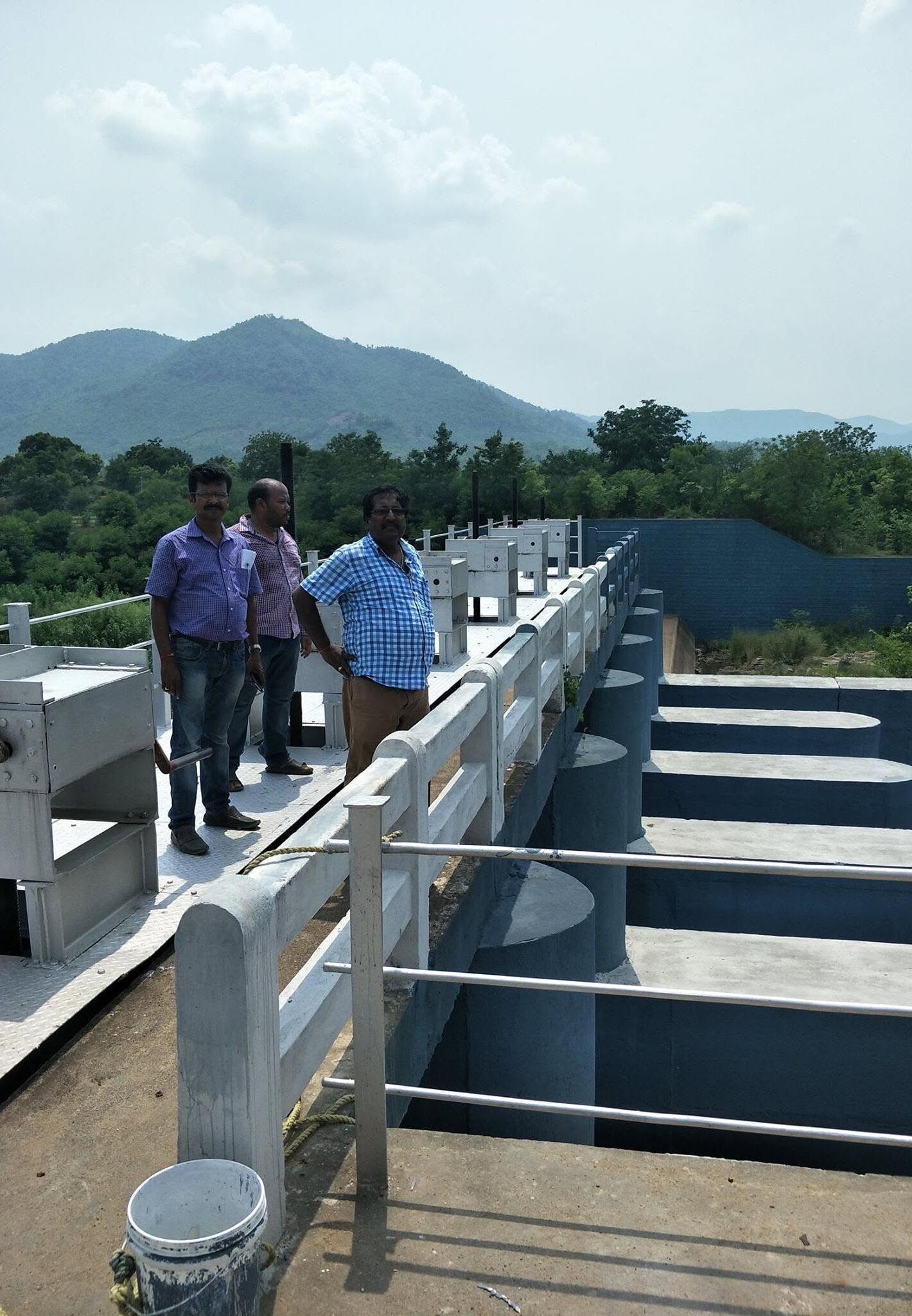
After completing schooling in Nuapada, Dr. Botu Sankar Narayan initially joined a degree college in Bhanjanagar. But within a year, he realised his interests were pulling him towards a more technical path. He made the bold decision to discontinue his college degree education and pursue engineering, a choice that would ultimately define his professional identity.
He joined Berhampur Engineering School to study Civil Engineering through a sandwich-pattern 4-year diploma programme. This decision introduced him to a field where knowledge, practical understanding, and responsibility came together. For Dr. Botu, engineering was never confined to classroom learning; it was a discipline deeply connected with real structures, communities, and development.
Even during his student life, he displayed qualities of responsibility and leadership. He recalled that while studying in the tenth standard, he was among the leading students and took active responsibilities during academic activities. His curiosity was not limited to examinations; he actively participated in practical learning experiences that allowed him to understand engineering beyond textbooks.
During his diploma, he took charge of organising technical tours and survey camps. These were not just college activities; they were his first real taste of engineering in action. He learnt that observation, accuracy, teamwork, and planning were not optional; they were essential. In survey exercises, students studied minor projects, prepared reports, and worked out budget estimates. These assignments gave him a feel for how engineering decisions were tied to planning and execution long before the actual construction began.
The technical tours he helped organise took him across the country. He travelled to different industries in Lucknow, New Delhi Ludhiana and Kashmir, seeing how engineering adapted to different environments and conditions. Each place taught him something new. With every trip, his perspective widened and his interest in the field grew deeper.
"Life does not teach you through lectures and books alone. It teaches you through every task you do with honesty and care."
Phase 3 : Stepping Into Service and Building His Engineering Journey
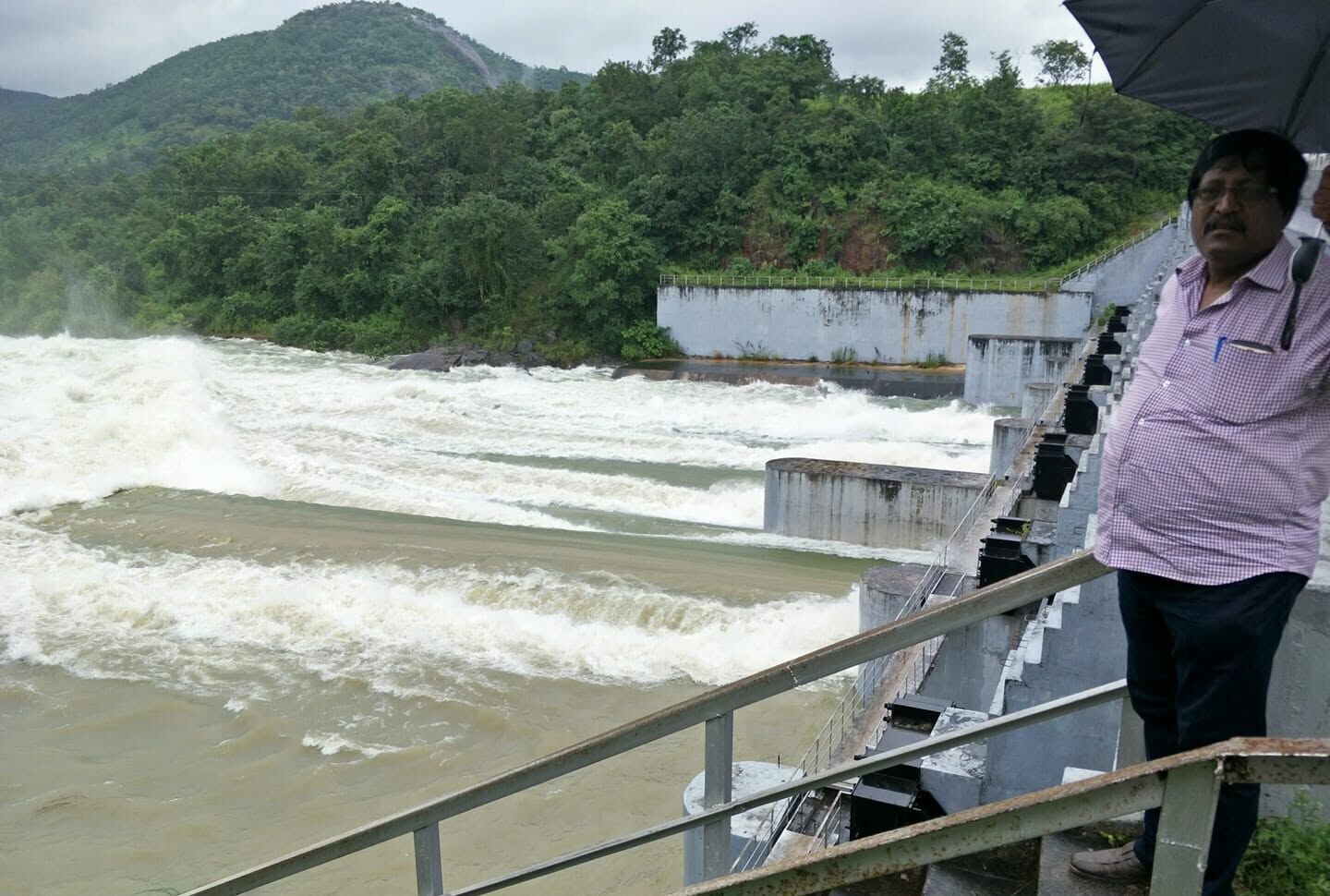
The early years of Dr. Botu Sankar Narayan’s career introduced him to the realities of public infrastructure, where every structure carried responsibilities far beyond construction. The timing proved to be a significant opportunity, as Civil Engineering was in high demand and the government was actively recruiting professionals. Dr. Botu recalls that the strength of applicants was nearly 15 during 1980, with around 6,000 vacancies available, making it a time of considerable opportunity for aspiring engineers.
He stepped forward and became part of this movement, beginning a lifelong association with the Water Resources Department, Government of Odisha, where he would spend decades contributing to irrigation, hydraulic structures, and water management projects. Every responsibility connected to these projects carried the expectations of communities depending on them, and for him, it was never just a job; it was a responsibility he carried with dedication.
His entry into government service on 1st January 1981 marked the beginning of responsibilities that required him to understand engineering from the ground level. Starting his career as a Junior Engineer, he entered an environment where field experience, practical decision-making, and technical discipline were essential. The transition from academic learning to real-world execution required adaptability, as he had to apply engineering principles to projects that directly influenced development and public needs.
While continuing his professional responsibilities, Dr. Botu remained committed to strengthening his academic qualifications. He pursued his engineering degree through The Institution of Engineers (India), an opportunity that allowed working professionals to continue their education. He completed Section A in 1984 and Section B in 1987, earning his engineering qualification while actively serving in the department.
As his knowledge and experience expanded, his responsibilities also increased. He was promoted to the position of Assistant Engineer in 1996, allowing him to take on larger assignments and participate more actively in government projects. This period marked his transition from learning under supervision to independently managing greater engineering responsibilities.
His early professional journey exposed him to different dimensions of water resource development. He worked across several important projects, including the Rengali Multipurpose Project, Baghalati Irrigation Project, Ghodahada Irrigation Project, Bagh Irrigation Project, Rusiklya Irrigation Project, Jaymangal Irrigation Project , Hiradharabati Irrigation Project, Bahuda Irrigation Project, Ramanadi Irrigation Project, Harabhangi Irrigation Project, Badanala Irrigation Project and other irrigation-related assignments. These experiences introduced him to various aspects of engineering, including survey work, investigation, irrigation development, construction supervision, quality control and project execution.
Note of Thanks
A journey shaped by knowledge, dedication, and commitment is never built alone. Behind every important step in Dr. Botu Sankar Narayan’s life were the people whose guidance, encouragement, and support became a meaningful part of his journey. This note reflects his gratitude towards those individuals and influences who contributed to his growth, both personally and professionally.
Dr. Botu holds deep respect for his parents, Botu Kasinath and Botu Sumitra, whose values, sacrifices, and belief in education created the foundation of his life. Their constant encouragement gave him the confidence to pursue his goals and move forward through every stage of his journey.
He also expresses his sincere gratitude to Engineer Anand Subudi, whose guidance and encouragement played an important role in shaping his path in civil engineering and water resource development. The direction and support he received became a source of motivation as he continued to learn, grow, and embrace new responsibilities.
Throughout his professional journey, Dr. Botu was supported by colleagues, team members, and fellow engineers who stood beside him during various responsibilities and assignments. Their cooperation, trust, and shared efforts strengthened the spirit of teamwork that remained an important part of his professional approach.
He also acknowledges the young engineers and professionals with whom he shared his experiences and knowledge. He believes that knowledge becomes more valuable when it continues to be shared with others. His association with The Institution of Engineers (India), Berhampur Local Centre provided him opportunities to remain connected with the engineering community and encourage continuous learning.
This biography represents not only one individual journey but also the contributions of the many people who became a part of it. Dr. Botu Sankar Narayan extends his heartfelt appreciation to every mentor, colleague, and well-wisher who offered guidance, encouragement, cooperation, and support throughout his life. Their presence added meaning to his journey and became an important part of the experiences that shaped him.
thanks,
– Dr. Botu Sankar Narayan