“True greatness lies not in accolades, but in the quiet dedication to uplift others, to bring comfort in times of need, and to leave a lasting impact through compassion and care.”
Dedication
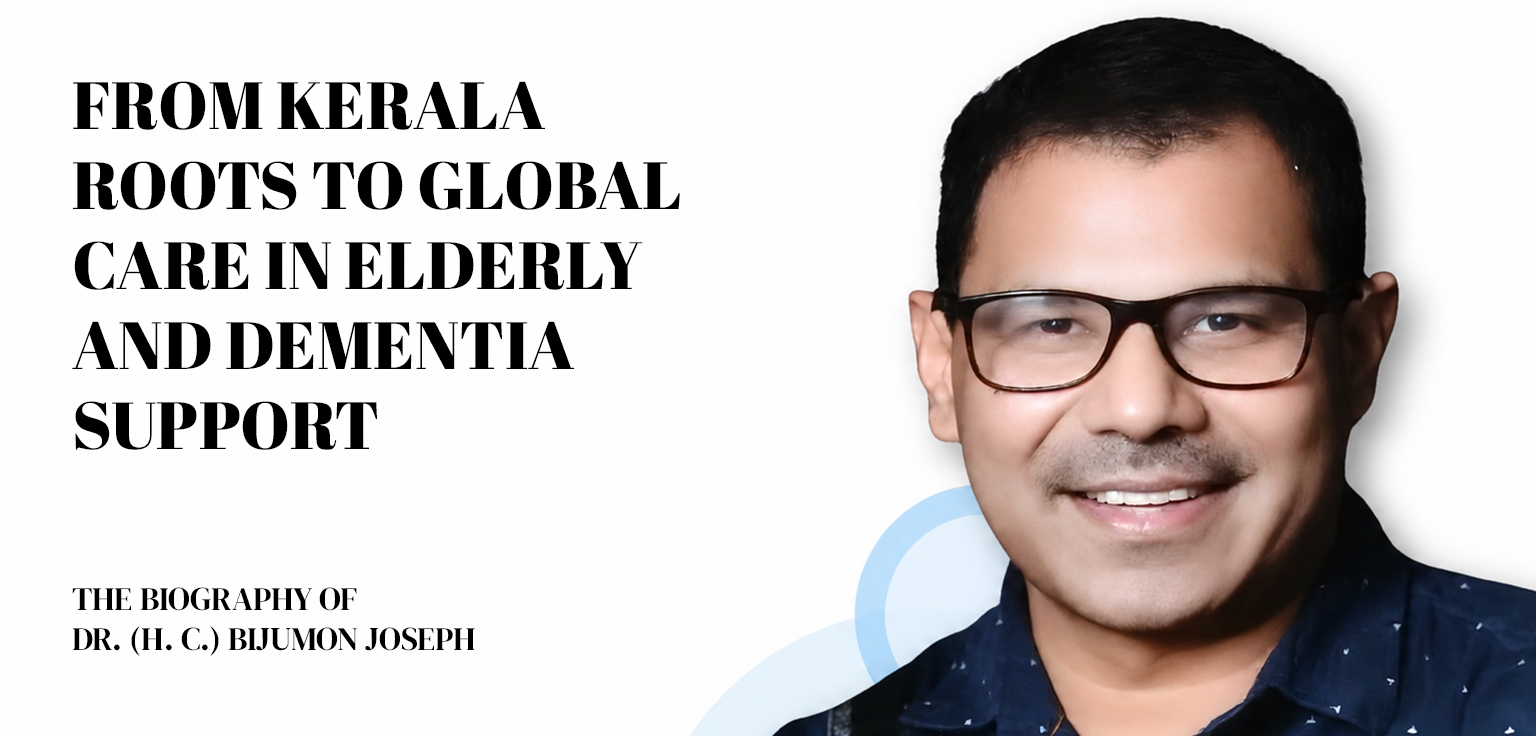
Dr. Bijumon Joseph’s life reflects steadfast effort, compassion, and dedication to people in vulnerable moments. He grew up in a middle-class family where values of discipline, shared responsibility, and resilience were deeply ingrained. His father, Joseph Thomas, and mother, Mary Joseph, cared for the home and family. Growing up among siblings in a close-knit village, he learned early that strength is often cultivated through ordinary challenges and consistent effort.
Education played a pivotal role in shaping his path. He studied in a government high school, excelling in science subjects. Initially drawn to botany, he was encouraged by his father’s sister to explore nursing. He persevered and began his professional career in the Neurosurgery Intensive Care Unit at Government Medical College, Kerala, an environment defined by critical conditions, young accident victims, ventilators, and the fragile boundary between life and death. These experiences deepened his sense of responsibility and compassion.
In 2000, he moved to Kuwait after passing an interview with the Ministry of Health, working in a neurosurgery unit until November 2003. This phase tested his adaptability and resilience. Coming from a Malayalam-medium background, he initially struggled with English and Hindi, while Arabic was the primary language in the hospital. He learnt to communicate through gestures, basic Arabic classes, and observation. Moments of humour, frustration, and patience shaped his approach to care and strengthened his cross-cultural competence.
In November 2003, Dr. Joseph moved to the United Kingdom, where he began anew as a nurse. Adjusting to culture, local systems, accents, and phone calls was difficult at first. Initially, the tasks felt intimidating, yet he committed to self-directed learning, reading, researching, watching BBC programmes, and practising English. Over time, he transformed these challenges into expertise, eventually training nurses and managers in the areas he had once navigated independently.
Professionally, he progressed from nurse to deputy manager, care home manager, quality assurance manager, educator, and ultimately Nominated Individual. He took responsibility across care homes, working with staff, residents, families, commissioners, local authorities, and the Care Quality Commission. His work included safe services, maintaining clinical standards, staff support, clinical governance audits, staff training and support, admissions, care planning, and ensuring meaningful care. Even when homes achieved CQC Outstanding ratings, he maintained focus on continuous improvement.
“A simple beginning often teaches the deepest lessons of strength, patience, and belonging.”
Phase 1: Roots in Kerala — A Childhood Built on Simplicity, Struggle, and Family Values
Dr. Bijumon Joseph was born on 31 May 1973 in Murikkasseri, a village nestled in the Idukki district of Kerala, India. The environment of his early life was shaped by simplicity, hard work, and the strong presence of family. Raised in a middle-class family, Dr. Joseph grew up with a strong sense of responsibility that came from the role each member played in their shared life.
His father, Joseph Thomas, worked in agriculture, a job that demanded both physical effort and patience, often yielding uncertain results. This silent determination from his father taught him early on that love is not always expressed in words but through actions and sacrifices. Despite not being wealthy, he ensured that his children were educated and had opportunities for a better future. His mother, Mary Joseph, brought warmth to the home as a homemaker, managing the household and the emotional well-being of the family. From her, he learned the value of nurturing and caring for others, showing that devotion often goes unnoticed but leaves a lasting impact.
The village life Dr. Joseph knew was far from the modern conveniences many take for granted today. Electricity came to the village when he was in the tenth standard, and telephone systems only arrived later, when he was in college. There were no mobile phones, no internet, and no quick fixes for daily challenges. Learning was not instantaneous, and information required patience. The slow pace of progress in the village taught him to be resourceful and resilient. This upbringing formed the core of his character: he learned to adapt, wait, and keep moving forward despite the challenges.
The daily walk to school was an integral part of his youth. Public transport was limited and costly, so Dr. Joseph walked up to 10 kilometers a day with his brother, Sajimon during his college years. This wasn’t an extraordinary tale of hardship to him, it was simply part of life. It taught him patience, discipline, and the perseverance to continue moving forward without complaint. Similarly, weekends did not always mean relaxation. He helped his father with farm work, experiencing firsthand the labour that sustained his family. Holidays weren’t only for rest; they were for contributing, understanding the value of hard work, and seeing the impact of shared responsibility.
“Discipline becomes meaningful when it turns struggle into self-belief and learning into direction.”
Phase 2 : The Discipline That Shaped His Mind and Spirit
Dr. Bijumon Joseph’s early life was shaped by discipline, sacrifice, and perseverance. Growing up in Kerala, he faced challenges that taught him to work hard and persist, even when the path was not easy. Education in his village was not facilitated by modern conveniences. There were no mobile phones or instant information. Learning requires effort, patience, and a commitment to move forward despite slow progress. His experiences in school, though challenging at times, instilled in him a sense of responsibility and resilience that would later shape his professional journey.
Dr. Joseph’s schooling at a government high school in Kerala emphasised the importance of hard work. There was little outside support, and learning came from textbooks, teachers, and personal effort. The absence of technology meant that information was not immediate. He had to be patient and make use of limited resources. These early experiences taught him the value of dedication and hard work, lessons that would stay with him throughout his career.
His success in science subjects, particularly biology, chemistry, and physics, helped him secure admission into the science group for college. His strong academic performance in these subjects led him toward a career that would later focus on healthcare. However, one subject that troubled him was mathematics. He found it difficult and struggled to grasp the concepts. At the time, this was a source of frustration for him.
Despite his struggles, he decided not to give up. Instead, he sought help from friends who were better at mathematics. They worked with him during breaks and helped him overcome his fear of the subject. Through consistent effort and support from his peers, he improved and eventually passed with good grades. This experience taught him that setbacks are not failures but opportunities for growth. It also reinforced the idea that learning comes not only from formal education but also from persistence and a willingness to seek help when needed.
Dr. Joseph’s path toward nursing was not immediate. He initially considered other fields, but his relatives, particularly his father’s sisters, who worked as nurses in the Middle East, encouraged him to pursue a career in nursing. Their influence, along with the desire to serve others, led him to make the decision to enter nursing school. Although nursing was not his first choice, once he made the decision, it became clear that this path would define his career. Nursing required more than just clinical skills; it required emotional resilience and an ability to connect with others during their most vulnerable moments.
“Some callings are not chosen at once; they are discovered through the pain and needs of others.”
Phase 3 : When Nursing Became a Calling

The decision to pursue nursing did not come to Dr. Bijumon Joseph immediately or with certainty. Nursing was not a path he had consciously chosen from childhood, but once he entered the profession, it resonated deeply with his purpose. His nursing journey started with a desire to help people, especially those in vulnerable situations, and this desire only grew stronger as he experienced the emotional and physical demands of the profession.
Dr. Joseph completed his General Nursing and Midwifery training between 1992 and 1995, an experience that laid the foundation for his career in healthcare. Nursing at that time required more than technical skills; it required emotional resilience, discipline, and the ability to act quickly and decisively in life-or-death situations. As a young nurse, he was responsible for human lives, and that responsibility came with immense weight. His training was physically demanding, requiring stamina to endure long shifts and emotionally taxing moments where quick decisions were essential.
Male nurses were still rare during Dr. Joseph’s time in training. In his class, only two boys were among the 25 girls. This presented an added challenge, as societal norms were still adjusting to the presence of men in nursing. Some female patients felt uncomfortable, and male nurses had to learn how to balance professionalism with sensitivity in such situations. Dr. Joseph handled this challenge with patience. Over time, the number of male nurses began to increase, and acceptance grew. His early experiences shaped his belief that the essence of nursing transcends gender and that true care is about compassion, skill, and emotional understanding.
Dr. Joseph realised early in his career that nursing was not merely about following medical procedures; it was about connecting with people at their most vulnerable. He saw firsthand the struggles of patients who had no family to support them or money to afford treatment. These encounters stirred something inside him, a deep emotional response to human suffering. His view of nursing evolved from a job into a mission to offer dignity, comfort, and care to people who had no one else.
After completing his training, Dr. Joseph began working in India in January 1995. His first role was as Nurse in Charge in the Neurosurgery Intensive Care Unit at Government Medical College in Kerala, where he worked until June 2000. This position exposed him to the most critical cases, including patients with head injuries, severe accidents, and those recovering from brain surgery. The intensity of the work required careful observation, sharp decision-making, and emotional control. Patients were often in life-threatening conditions, and every decision could impact their survival.
The Neurosurgery Intensive Care Unit was an emotionally taxing environment. Dr. Joseph witnessed young patients, some from road accidents or severe surgeries, enter the unit in critical condition, often unconscious or on ventilators. Watching some of these young lives slip away left a profound emotional mark on him. These experiences not only heightened his understanding of healthcare but also deepened his empathy for the fragility of life.
“Crossing borders tests more than skill; it tests courage, humility, and the will to adapt.”
Phase 4 : Across Borders : Kuwait and the Courage to Adapt
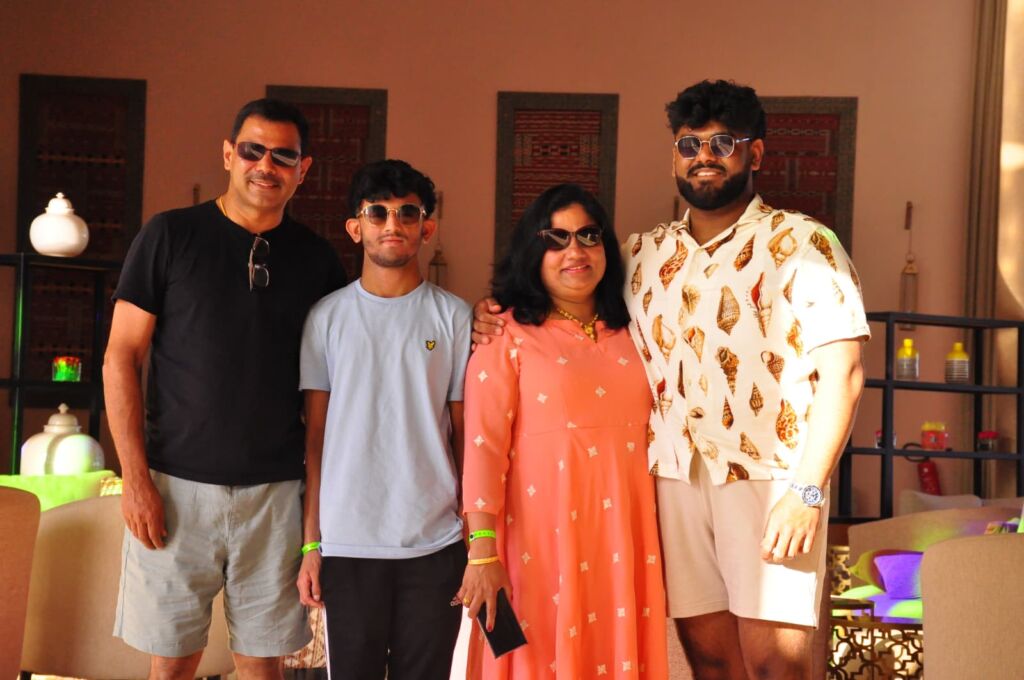
Leaving India for Kuwait was more than a change of workplace for Dr. Bijumon Joseph; it was stepping into an entirely new world of language, culture, and professional expectations. Though experienced in neurosurgery in India, his selection for the Ministry of Health, Kuwait, in Delhi exposed him to an entirely foreign system. The shift required not only clinical expertise but also the capacity to navigate a new healthcare environment and social landscape.
He began working in the Neurosurgery Ward and Intensive Care Unit under the Kuwait Ministry of Health from June 2000 to November 2003. While his prior experience gave him professional confidence, it was immediately clear that competence in clinical procedures alone would not suffice. In Kuwait, understanding patients meant interpreting their words, fears, culture, and expectations, none of which came easily. For someone trained in a Malayalam-medium background, English was not strong, and Arabic was entirely unfamiliar. Few colleagues spoke English; some spoke Hindi, but communication primarily required Arabic. In the hospital, where every conversation could affect patient care, these language barriers presented real challenges.
To bridge this gap, he enrolled in Arabic classes as part of his contract. The early months were difficult, and he often relied on gestures to communicate. Sometimes these gestures produced humorous moments; other times, they irritated patients. Dr. Joseph recalls these moments with honesty, understanding that adaptation required humility, patience, and the willingness to learn from both successes and missteps. Every day was an exercise in cultural adjustment, from learning instructions and patient needs in the hospital to managing life away from family and familiar surroundings.
During his time in Kuwait, he also expanded his professional knowledge. In December 2002, he participated in a symposium on neuropsychopharmacological aspects of antidepressants, demonstrating a growing interest in medical learning beyond standard nursing duties. He approached learning proactively, researching topics such as anthrax when public concern arose. His initiative reflected a professional mindset that sought understanding and practical solutions rather than passively waiting for guidance.
Support from colleagues made a significant difference in this adaptation period. Senior nurses from Kerala, particularly Dolly and Beji, acted as mentors, teaching him Arabic, routine procedures, and practical hospital workflows. Their guidance provided both emotional and professional support, illustrating how early encouragement can ease the challenges of international migration. The assistance he received reinforced the value of mentorship, something he would later prioritise in his own work.
“Starting again in an unfamiliar place can become the beginning of a stronger self.”
Phase 5 : Starting Again in the United Kingdom
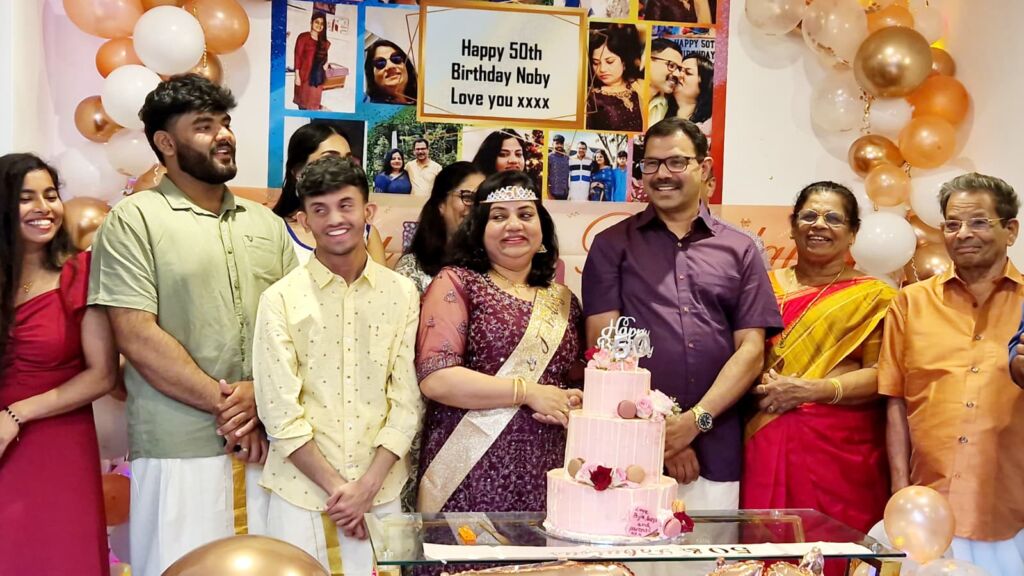
Arriving in the United Kingdom in November 2003, Dr. Bijumon Joseph stepped into a new chapter that required adjustment, patience, and perseverance. He carried experience from India and Kuwait, where he had learned neurosurgical care and adapted to new environments, yet the UK presented a system entirely different in expectations, procedures, and communication styles. His professional knowledge was valuable, but he had to begin again, learning how care was managed locally and how to navigate unfamiliar protocols and administrative systems.
Upon receiving his nursing registration, he began working as a nurse and quickly realised that clinical knowledge alone was not enough. Care plans, documentation, systems, and written communication formed the backbone of daily practice. Tasks that might have seemed routine in previous countries now required careful understanding.
For Dr. Joseph, this meant approaching each process with humility and willingness to learn, recognising that starting from scratch was both necessary and challenging.
One of the most difficult aspects of his early UK experience was care planning. Writing care plans correctly, evaluating them, and using them effectively within the system was unfamiliar territory. Guidance was limited; while some Indian colleagues were present, support was inconsistent. Rather than allowing this gap to discourage him, he decided to take responsibility for his learning. He studied existing care plans meticulously, observing how information was structured, how patient needs were recorded, and how plans were implemented. This self-directed learning transformed a potential weakness into a strength. Eventually, he became proficient enough to teach other nurses and managers, turning his early struggles into practical guidance for colleagues.
This approach reflected a defining aspect of Dr. Joseph’s nature: he used personal challenges to help others. He remembered what it felt like to be uncertain and unsupported, and this empathy shaped how he later assisted newly arrived nurses. He encouraged them to attempt tasks independently first, only stepping in if necessary, ensuring they learned while preserving confidence. His method emphasised patience, empathy, and guided autonomy, informed by his own experience of starting over in an unfamiliar system.
“Growth becomes real when personal challenges turn into guidance for others.”
Phase 6: Learning to Lead Through Service, Standards, and Self-Belief

After his first year in elderly nursing in the United Kingdom, Dr. Bijumon Joseph moved into a longer and defining period of professional development. From December 2004 to April 2015, he worked as Deputy Manager at Falstone Manor and Falstone Court Care Home in Sunderland under HC-One. This was a decade-long period where he learned the deeper responsibilities of care home life, team management, clinical supervision, staff support, and the daily discipline required to run services that depended on consistent care.
During these years, Dr. Joseph was no longer adjusting to the UK system; he was becoming part of it. The Deputy Manager role required him to take responsibility for residents, families, nurses, care staff, managers, and wider professional teams. He needed to understand care not just at the bedside but also from the standpoint of coordination, decision-making, supervision, and accountability.
His duties included staff supervision, appraisals, training, induction, and support, as well as resident admissions, care planning, medication administration, and clinical decision-making. He maintained relationships with residents and families, communicated with colleagues and multidisciplinary teams, and ensured the home ran safely. In a care home, every action had ripple effects: a care plan influenced resident comfort, staff decisions shaped unit morale, and overlooked details could undermine trust. Dr. Joseph learnt to perceive these connections and their impact on the well-being of both residents and staff.
The role demanded not only organisational skills but also emotional strength. Residents often arrived with complex needs, memory difficulties, or health challenges, and families carried worry, guilt, and uncertainty. Dr. Joseph’s earlier experiences had taught him to look beyond the surface of illness. In Sunderland, this understanding became embedded in daily practice. He sought to create an environment where residents, relatives, and staff felt supported and safe, fostering a humane and empathetic approach to care management.
He continued to strengthen his professional knowledge alongside practical work. In July 2007, he completed Professional Development in Care of Older People with Dementia through the University of Teesside. This training helped structure his understanding of dementia care, memory support, communication, and quality of life, connecting theoretical knowledge to the challenges he faced daily.
“True care is built through responsibility, fairness, and the daily effort to protect human dignity.”
Phase 7: Building Homes of Care, Quality, and Human Dignity
In April 2015, Dr. Bijumon Joseph entered a new chapter when he became Home Manager at Hebburn Court Nursing Home in Hebburn under HC-One. After years of clinical work, deputy management, professional training, and specialised dementia care involvement, this role placed him in a position of comprehensive responsibility. He was accountable for every resident, every family, every staff member, and every standard of care.
For Dr. Joseph, managing a care home meant more than overseeing systems, files, rotas, or regulations. A care home becomes a living space for residents, a place of trust for families, and a place of duty for staff. Daily challenges included changing health conditions, emotional concerns, practical decisions, and unexpected situations. He understood that a manager must see the whole picture while never losing focus on the individual.
His work required maintaining strong relationships with residents, relatives, nurses, care staff, colleagues, and wider professional teams. He oversaw admissions, conducted pre-admission assessments, supported care planning, ensured safe medication practices, and maintained the smooth running of nursing operations. Communication was central to safety, trust, and effective care.
A core principle he carried into management were openness, honesty, and transparency. He had seen the consequences of blame replacing learning, and he approached mistakes as lessons to be understood and corrected. This approach helped build trust with commissioners, local authorities, the Care Quality Commission, and staff. Human error, in his view, was inevitable, but the right response was learning and improvement.
He also supported sister care home managers in clinical decision-making and ensured that standards were implemented in daily practice. Dr. Joseph developed, interpreted, and applied healthcare and nursing standards; measured outcomes; recommended adjustments; and ensured that services remained safe. For him, quality was embedded in every detail: how staff interacted with residents, how care plans were maintained, how medication was handled, and how infection control was observed.
“Memory, comfort, and kindness can restore meaning where words and certainty begin to fade.”
Phase 8 : Restoring Memory, Comfort, and Meaning in Dementia Care
For residents living with dementia, life can feel fragmented, confusing, and isolating. Dr. Bijumon Joseph understood from experience that effective care goes beyond clinical procedures; it must address memory, comfort, dignity, and emotional well-being. Every individual carries a lifetime of experiences, routines, memories, and identity, and when cognitive decline diminishes communication and independence, care must adapt to restore a sense of familiarity and human connection.
In 2013, he became actively involved in a project associated with the Department of Health, Alzheimer’s Society, the University of Worcester, and HC-One, focusing on reducing the use of antipsychotic drugs through a person-centred care approach. The initiative emphasised understanding the root causes of distress, agitation, and restlessness in residents. Dr. Joseph guided staff to identify triggers stemming from pain, anxiety, environmental confusion, or unmet emotional needs. His approach emphasised observation, patience, and creative engagement rather than immediate medication, ensuring that the person, not the condition, was at the centre of care.
This period also included Focused Intervention Training and Support (FITS), enhancing staff skills in behaviour management, communication, and sensory engagement. Dr. Joseph reinforced the idea that residents communicate through subtle expressions, gestures, and behaviour, and that carers must interpret these signals with empathy and respect. Every intervention, no matter how small, became a chance to improve quality of life, restore dignity, and nurture identity.
To bring these principles to life, he initiated several innovative projects. The first was the creation of a sensory room at Falstone Court & Manor, funded by £1,250 he raised personally by shaving his moustache. The room featured coloured lights, textured furnishings, sound devices, and multi-sensory objects, designed to stimulate memory, senses, and emotional well-being. Residents who spent time in the room experienced moments of engagement, curiosity, and comfort, showing that thoughtful environmental design can transform daily life.
He expanded these interventions with personalized memory boxes and sensory kits, providing residents with objects connected to their personal history, familiar textures, and meaningful experiences. These tools helped maintain identity, offered reassurance, and created small but powerful moments of recognition and joy. Dr. Joseph understood that even fragments of memory could foster emotional stability and confidence.
“Recognition carries value when it arises from service, consistency, and the trust of those being cared for.”
Phase 9 : Recognition, Responsibility, and the Strength to Serve Through Crisis

By the time Dr. Bijumon Joseph had spent many years in the healthcare system of the United Kingdom, his work had already grown beyond the boundaries of routine nursing and care home management. His journey had become closely connected with quality, resident comfort, staff development, family reassurance, and the practical transformation of care environments. The recognition he received over the years did not arrive from a single achievement. It came through steady service, careful observation, and the kind of commitment that is seen in daily actions before it is ever seen on a public platform.
One of the earliest recognitions in his professional life came in 1997, when he received the Best Nurse Award from Rotary International. This early appreciation stood as a sign of the dedication he had already shown in nursing.
Later, in 2007, he received a Southern Cross Best Practice Award nomination, and in 2008, he became a finalist in the Care Registered Nurse category at the National Care Awards. These moments showed that his work had begun to gain attention not merely within his immediate workplace but within wider care circles.
The year 2013 became especially meaningful when he won the Best Dementia Care Personality Award at the National Dementia Care Awards. This recognition carried deep value because it was connected with the area of work closest to his heart. People living with dementia, their families, and the care teams supporting them had become a major part of his professional purpose. He had worked to create spaces, routines, and ideas that gave residents more comfort, dignity, and emotional connection. When this honour came, it acknowledged not only his knowledge but also the feeling behind his work.
After that recognition, appreciation came from senior figures connected with his workplace. David Spruzen, Chief Executive of HC-One, congratulated him and described the achievement as tremendous and well deserved. Another message sent on behalf of Paula Keys also recognised the importance of the award for him and for the organisation. These words mattered because they showed that his efforts had touched the reputation and spirit of the wider care community. For Dr. Joseph, such moments were not only about personal pride. They confirmed that meaningful care, when done with sincerity, could influence people beyond the walls of one home.
In 2014, he received Elderly Care Nurse of the Year at the British Journal of Nursing Awards. This was another strong acknowledgement of his contribution to older people’s care. The recognition highlighted the steady attention, practical skill, and human concern he brought to elderly nursing. It also showed how his work had remained rooted in the same feeling that brought him into nursing in the first place, the desire to stand near those who needed support, especially when age, illness, or memory loss made life more fragile.
“A meaningful life remains rooted in family, faith, respect, and service to people in need.”
Phase 10 : Faith, Family, and the Values He Carries Forward

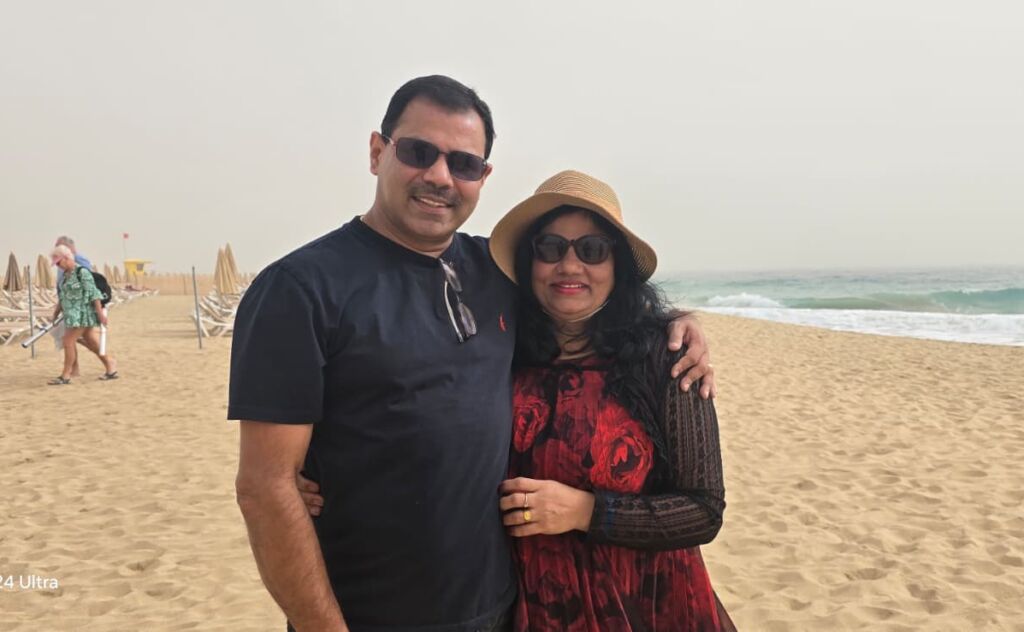
For Dr. Bijumon Joseph, life has never been measured only by professional progress or public recognition. Beneath every responsibility he carried, there remained a strong inner attachment to family, faith, humility, and the simple values he learned long before he entered healthcare. Even after building a long career across India, Kuwait, and the United Kingdom, he continued to see his family as one of the greatest blessings of his life. When asked about his biggest achievement, his first thought was not a position or an award. It was his wife, his children, and the family life that stood beside him through every stage of his journey.
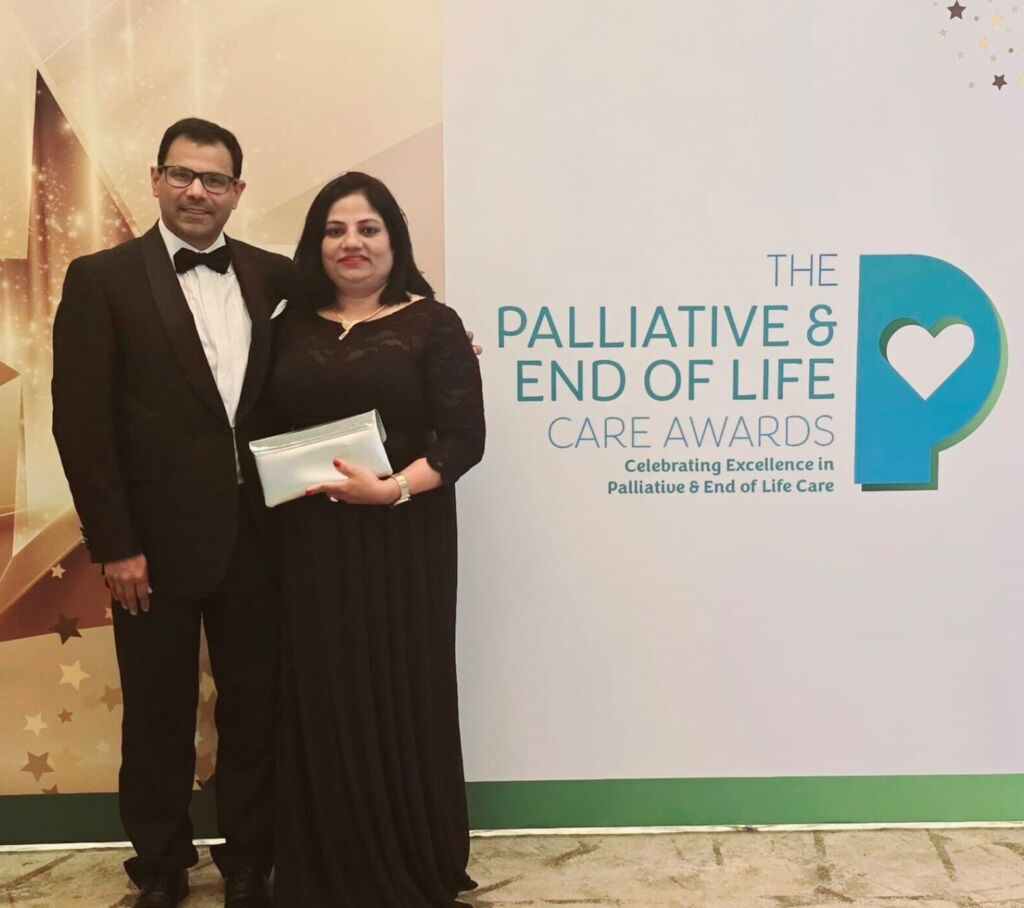
His wife’s support was quiet but constant. She sometimes gave suggestions, sometimes advised caution, and sometimes simply allowed him the space to continue his work without interruption. She managed the demands of family life with patience while he continued growing professionally. Her own path in palliative and end-of-life care also added strength to their shared understanding of service. She supported nurses and managers in clinical development and was also recognised as a finalist for a national award in palliative and end-of-life care. In many ways, their lives remained connected through the same world of care, compassion, and responsibility.
His children brought him quiet pride. His elder son, Liyon, pursued a master’s degree in pharmacy at Sunderland University, while his younger son, Liam, studied for a master’s degree in cybersecurity at Newcastle University. Their education made him proud, but what touched him even more was their respect for family and culture. Growing up in the UK, they naturally became comfortable with English and the life around them. Yet when they visited India, they showed great sensitivity toward their grandparents and relatives. They knew his parents did not speak English, so they avoided using English in front of them. If they did not know a Malayalam word, they asked and tried to speak in a way that made the elders comfortable.
This mattered greatly to him because it showed that respect had travelled across generations. His children were, in his words, culturally “half-half”, shaped by both Indian and British surroundings. They liked Indian homemade food more than takeaway food and stayed connected to family customs. For a father who had carried his roots with him across countries, this was a source of deep satisfaction. He had lived far from Kerala for many years, but the values of home had not disappeared from his family life.
Faith has also been an important part of Dr. Joseph’s life. As a Christian, he attends church every Sunday with his wife and children. His faith gives him grounding, but it has never made him narrow in the way he sees others. He has friends from different religious backgrounds, including Hindu and Muslim friends. He also remembered staff and nurses from Punjab who later moved to Canada and continued to keep in touch with him. For him, human respect has always mattered more than religious difference.
Note of Thanks
With sincere gratitude, Dr. Bijumon Joseph acknowledges every person who has walked with him through different stages of his life. His journey has been shaped by many hands, many voices, and many quiet acts of support that remained meaningful even when they were not publicly seen.
He expresses heartfelt thanks to his parents, Joseph Thomas and Mary Joseph, whose hard work, care, and sacrifices gave him the strength to move forward from his early life in Kerala. Their belief in education and their dedication to family became guiding forces in his life.
He remains deeply thankful to his wife, Noby, whose encouragement, patience, and understanding stood beside him through years of work, study, and responsibility. Her support gave him the freedom to keep learning and serving with commitment. He also extends loving appreciation to his children, Liyon and Liam, whose respect for family values and cultural roots has always filled him with pride.
Dr. Joseph also offers sincere thanks to the mentors and colleagues who shaped his professional growth, including Dr. Iqbal, Dr. Dominic, Dr. Balakrishnan, Dr. Sreenivas, Dr. Sajesh, Dr. Sreekumar, Dr. Uthamakumar and the senior managers Margaret Roe and Liz White. Paula Keys and Elizabeth Roscoe in the United Kingdom supported his ideas and believed in his ability. Their guidance, kindness, and trust helped him grow through important stages of his career.
He is also grateful to the residents, families, nurses, care teams, managers, commissioners, local authorities, and professional organisations who became part of his healthcare journey. Every resident he cared for, every family he supported, and every team member he worked with added meaning to his service.
Above all, he gives thanks to God for strength, direction, and grace throughout the many seasons of his life. His gratitude remains rooted in humility, service, and the belief that every person who entered his path helped shape the man he became.
Thanks,
– Dr. Bijumon Joseph