“Empowering women is not just a cause; it is a mission.”
Introduction
Dr. Adaeze Kalu’s journey from a young girl in Nigeria to a world advocate for women’s rights and education has been one of great personal growth and unwavering dedication. Her family had a long history of education, so she learnt early the value of hard work and knowledge. Her parents, who were both teachers, had a big impact on how she saw the power of education to change lives. It wasn’t just her family that shaped her path; it was also her experiences as a young woman in Nigeria that made her want to change things.
Dr. Kalu saw the problems with the education system and the problems women face in society from a young age. These experiences would help her become a better leader in education and social work later on.
Learnbay Schools was not started just because they wanted to teach kids. They believe every child, regardless of background, deserves a chance to succeed. Dr. Kalu has made education available to those who need it most by giving out scholarships and lowering fees. She has started projects like the Pad A Girl campaign, which fights period poverty, and the Widows’ Empowerment Initiative, which helps widows attain support and dignity in their communities after losing a loved one. She does these activities because she wants to make the lives of women and girls better.
This biography narrates the amazing story of Dr. Kalu’s journey of resilience and change, looking at the challenges and successes that have shaped her life and the amazing difference she has made in the world.
Dr. Adaeze Kalu’s journey has been nothing short of amazing. She has shown strength, vision, and an unbreakable desire to make the world a better place. Dr. Kalu’s life story shows how education, mentorship, and community service can change a person’s life. She started out as a poor girl in Nigeria and went on to become a leader in education, women’s empowerment, and philanthropy. This biography tries to show the most important parts of her amazing life, from her early years to her work leading the establishment of Learnbay Schools, her social impact projects, and her work for women and marginalised communities.
Dr. Adaeze Kalu’s parents were both teachers, so she grew up in a family where education was not just a privilege but a way of life. Her mother was a passionate teacher, and her father went from being a teacher to being an accountant. They both taught her that education is the best way to change people’s lives. Dr. Kalu was the first of six children, so she knew very well how hard her parents worked to make sure that all of their children got a good education. This early exposure to the value of learning set the stage for her future work and made her want to be a force for good in her community.
“Education is the most powerful weapon which you can use to change the world.
Phase 1: Early Life and Education – The Foundation of a Visionary Leader
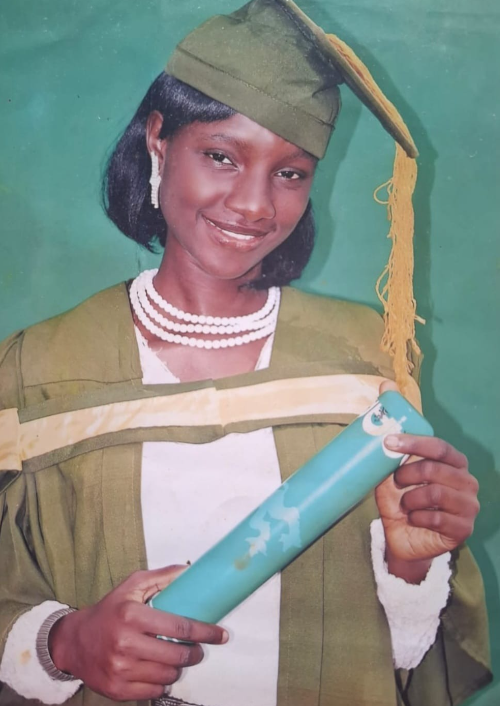
Dr. Adaeze Kalu started her life in a world where education was not just an option but a key part of who she was. She was born into a family of teachers in Nigeria, which gave her a deep understanding of the importance of learning, community, and service from a young age. Her early years would set the stage for the important work she would do later in education, women’s rights, and social service. This part of her life, which was full of challenges, inspiration, and a never-ending quest for knowledge, was very important in making her the visionary leader she would become.
Dr. Kalu was the first of six children born to parents who were both very involved in education. Her mother was a passionate teacher, and her father was a teacher before becoming an accountant. They taught her the values of hard work, being curious about things, and the idea that education could change the course of one’s life. The Kalu family was more than just a normal family; it was a place to learn. At the dinner table, we often talked about how important books are, how fun it is to learn new things, and how each family member has a duty to society.
Dr. Kalu was surrounded by the values that would guide her work from the very beginning. It was clear from every interaction that her mother strongly believed in the power of education. Her mother was a teacher, and she often told her daughter how important it was to encourage curiosity, question the status quo, and think critically. Dr. Kalu learnt these lessons at a young age, not knowing that they would help her change the way poor kids learn in the future.
Her early life experiences made her feel responsible for other people. Dr. Kalu grew up in a society where a person’s socio-economic background often determined how easy it was for them to get an education. This made her very aware of the differences in the education system. She was lucky to have parents who cared about her education and helped her with it. However, many kids in her community did not have access to good schools. This difference made her want to make the world a better place for all children, no matter where they came from, by giving them the tools they needed to rise above their situations.
“The future belongs to those who believe in the beauty of their dreams.”
Phase 2 : Establishing Learnbay Schools – A Vision Transformed into Reality

Dr. Adaeze Kalu’s path as an educational leader changed dramatically when she realised that her dream of changing education in Nigeria was possible. She saw the unfairness in the education system when she was young and just starting out in her career, so she was determined to build a school that would provide all kids a satisfactory education. Learnbay Schools was created because of this vision. It was a revolutionary school that would not only teach but also give students power. It wasn’t straightforward to start Learnbay; there were many problems, setbacks, and successes along the way. Dr. Kalu’s unwavering dedication to her mission turned a dream into a beacon of hope for hundreds of children.
Dr. Kalu learnt a lot about being a teacher and an administrator in the early years of her career. She had worked at several schools, where she learnt firsthand how hard it is to run a school and how hard it is for both students and teachers. While she was volunteering in rural Nigeria as part of the National Youth Service Corps (NYSC), she realised that building a school was not only a professional goal but also a deeply personal one. Dr. Kalu worked in a rural area where schools were very poorly funded, and it was clear that there were many systemic problems that kept children, especially girls, from getting a good education. This experience made her want to make a learning space where every child, regardless of where they came from, could reach their full potential.
Dr. Kalu started to build the foundation for Learnbay Schools after learning from her past and having a clear idea of what she wanted to accomplish. The first thing to do was to find a place where there was a clear need for excellent schools. Dr. Kalu was set on finding a place where she could make the biggest difference. After a lot of thought, she picked a place in Nigeria where she thought the lack of educational opportunities was most obvious. Dr. Kalu saw this as a chance to make a real difference because there wasn’t a school in the area that offered good education at a reasonable price.
It wasn’t straightforward to start Learnbay Schools. Dr. Kalu had to deal with a lot of problems, like getting money, getting government approval, and hiring qualified staff. The money problems were especially difficult to deal with. Dr. Kalu had to be resourceful and determined to start a school from scratch, which cost a lot of money. She paid for the school’s first stages with her money, donations from friends and family, and grants. There were times when Dr. Kalu wasn’t sure if this school would make a difference, but she never lost faith in it.
One of the biggest problems Dr. Kalu had to deal with was making a curriculum that was both challenging and welcoming to all students. She knew that school wasn’t just about passing tests; it was also about getting kids ready for life. Her goal was to make a curriculum that would help students develop not only their academic skills but also their social and emotional intelligence, leadership skills, and sense of community. She was dedicated to making a curriculum that balanced academics with personal growth, which was often missing from Nigerian schools.
“You educate a man; you educate a man. You educate a woman; you educate a generation.”
Phase 3 : Mentorship and Women’s Empowerment – Empowering the Next Generation of Leaders
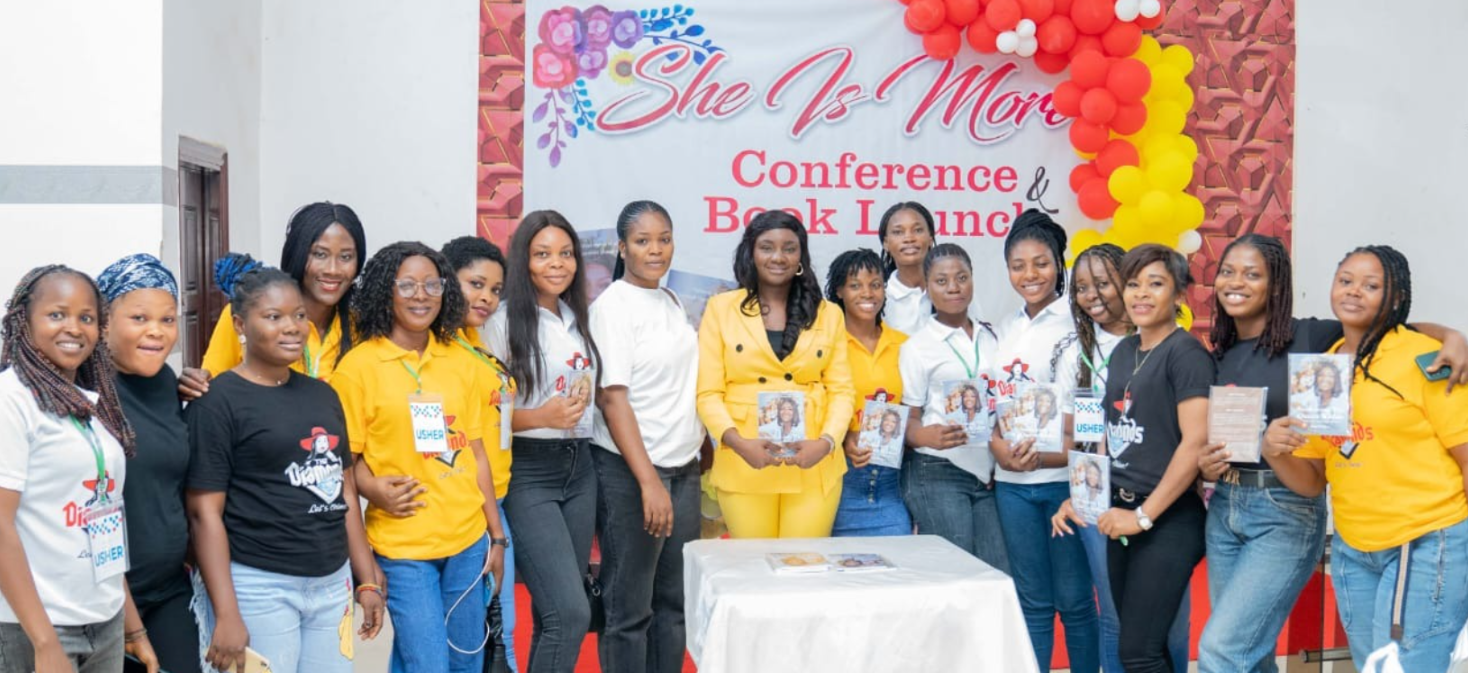
Dr. Adaeze Kalu’s work as an educational leader didn’t end with starting Learnbay Schools. She knew from the start that true empowerment went beyond just giving people access to good schools, even though education was still at the centre of her mission. It meant helping young women by giving them advice, mentoring them, and helping them with real problems. Many of these women were not only having trouble getting an education, but they also had few chances to learn how to be leaders, find jobs, and become independent. Dr. Kalu started The Diamonds Hub, a mentorship programme for young women, because she wanted to give them the tools, knowledge, and support they needed to be successful in life and as leaders.
Dr. Kalu started The Diamonds Hub because she saw how hard it was for women in Nigeria, especially those from poor families, to get an education, a mentor, or a job. A lot of women in her community, especially those who lived in rural areas, had to deal with a lot of societal pressures, like getting married young, being financially dependent, and not being able to make their own decisions. Dr. Kalu knew that these women could do so much more, but they needed the right support to reach their full potential. Because of this, she chose to make a place where young women could get the help, training, and tools they needed to become leaders in their communities and beyond.
The Diamonds Hub’s goal was clear: to help young women with many different parts of their lives, such as personal growth, leadership, financial literacy, career readiness, and starting a business. Dr. Kalu knew that empowering women was a complicated process that needed a comprehensive approach that dealt with both internal and external obstacles to success. The organisation offered coaching sessions, workshops, and mentorship programmes to help young women do well in their personal and professional lives.
Dr. Kalu knew from the start that one of the best ways to give women power was to be a mentor. People can learn from others who have been through similar problems through mentorship, which can give them useful advice, insights, and support. Dr. Kalu had been a leader, a teacher, and an entrepreneur in a society where men were in charge. She knew how important it was to have someone to help her, and she was eager to do the same for others. Dr. Kalu became a mentor to many young women through The Diamonds Hub. She gave them not only practical advice but also emotional support and a sense of belonging.
The leadership development programme was one of the most important parts of The Diamonds Hub. Dr. Kalu thought that leadership was a skill that could be learnt and that giving women the power to lead in their homes, workplaces, and communities would have a big effect on society. The leadership development programme taught young women how to set goals, make decisions with confidence, handle conflicts, and talk to people in a way that works. The goal of these programmes was to help women see themselves as leaders in all areas of their lives, not just at work.
Note of Thanks
As we think about the amazing journey that this biography of Dr. Adaeze Kalu tells, we should take a moment to thank all the people, groups, and communities that have helped her along the way. Dr. Kalu’s journey has been one of strength, vision, and an unending dedication to making the world a better place. The unwavering support she has received from her mentors, family, team, and the communities she has worked with has led to her many accomplishments, which have changed many lives and inspired many more. This Note of Thanks is for them—those who helped make this amazing journey possible.
To Dr. Kalu’s Family: The Things That Made Her Strong
We owe a huge debt of thanks to Dr. Kalu’s family, who have always loved, encouraged, and inspired her throughout her life. People often say that a person’s character is shaped by the values they learn at home. Dr. Kalu grew up in a family of teachers who taught her the importance of knowledge, compassion, and honesty. These values were deeply ingrained in her, and they were the foundation for everything she would go on to do. Her parents, who both worked in education, taught her that learning can change people and that she has a duty to make the world a better place. It’s hard to believe that Dr. Kalu could have done what she did without their help and sacrifices.
Dr. Kalu’s mother was a passionate teacher, and her father was an accountant who used to teach. They were both role models who taught her the value of hard work, perseverance, and helping others. Their faith in her abilities and their constant support for her educational goals gave her the strength and determination that have defined her journey. We are thankful for this.
We must also thank Dr. Kalu’s spouse for being a steady source of support throughout her professional and personal life. Dr. Kalu’s family has always been there for her, whether she was working long hours on her projects or trying to balance her family and work responsibilities. Their sacrifices, understanding, and support have been important in helping Dr. Kalu stay focused on her goal of making a difference in the lives of others.
To the Mentors and Advisors Who Helped Dr. Kalu
We are thankful to all the mentors, teachers, and advisors who have helped Dr. Kalu in so many ways. Dr. Kalu has been lucky to have people in her life who saw her potential and pushed her to dream bigger, think critically, and lead with purpose. This started when she was a child in Nigeria and continued through her time at the University of Regina in Canada.
We would like to thank her academic mentors, especially those who helped her with her graduate studies. Their wisdom, advice, and helpful criticism helped her develop her educational philosophy and gave her the intellectual tools she needed to become the visionary leader she is today. Dr Kalu has been able to develop a unique, flexible, and caring approach to educational leadership and social change thanks to the chance to learn from some of the smartest people in the field of education and human resource development in both Nigeria and Canada.
Thanks,
– Dr. Adaeze Kalu