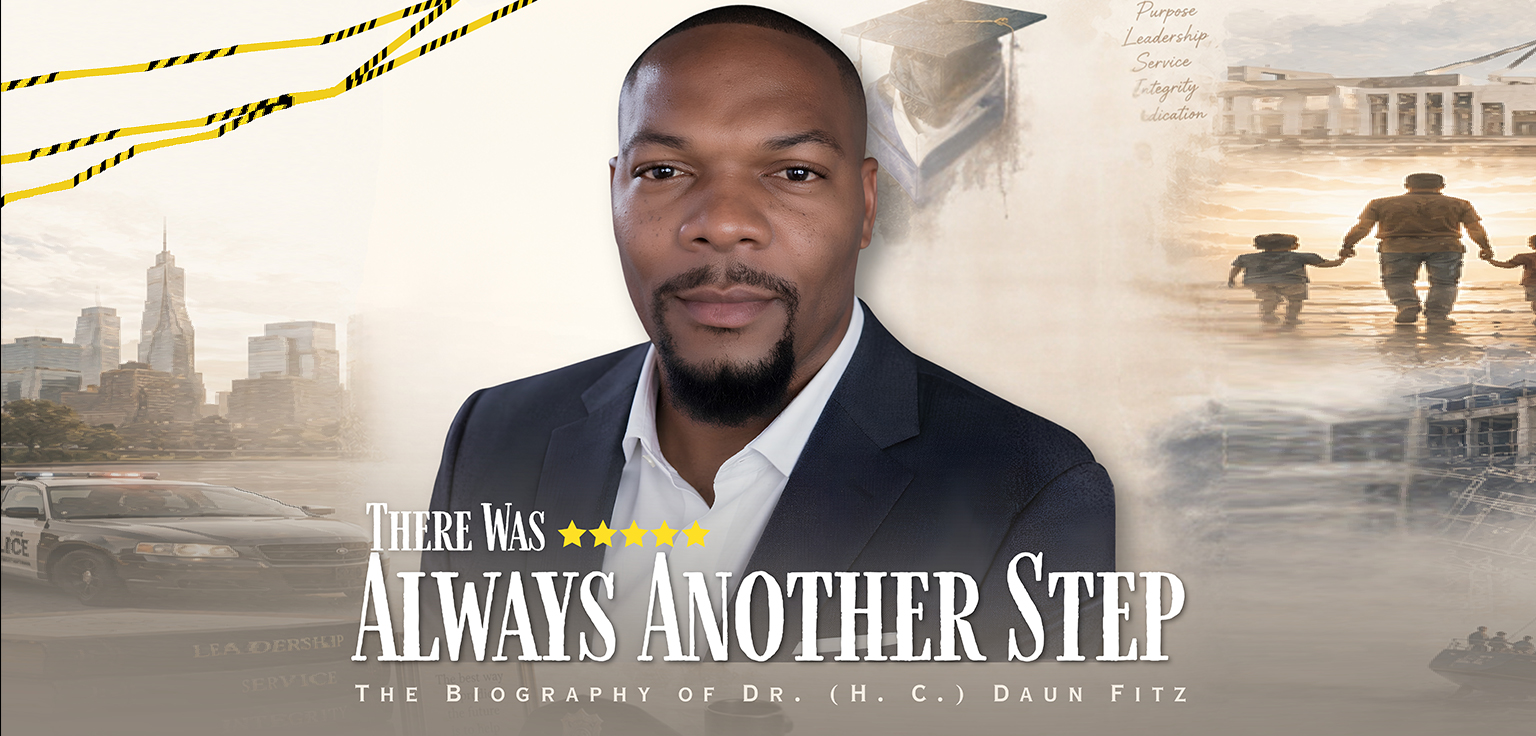
“I was never built to just sit back and watch life happen; I had to get involved, figure it out, and make my own way."
Dedication
The story of Dr. Daun Fitz doesn’t begin with a clear plan or a moment where everything just made sense. It starts much more simply, with someone trying things. From early on, he was never the type to sit still or follow things exactly as they were laid out. He liked to get involved, to touch things, fix things, and try things for himself. That was just who he was. And in many ways, that never really changed.
Growing up, he wasn’t the student everyone expected to go on and achieve big things. He’s been open about that. He was more playful, distracted, and interested in what was happening around him than in what was written in front of him. But life has a way of catching up with you. At some point, things started to shift. Not all at once, not in a dramatic way, but slowly. He began to realize that if he wanted something more, he had to take things a bit more seriously. That realization didn’t come from pressure. It came from experience.
When he stepped into the working world, things started to change even more. He found himself in situations where he had to deal with people, understand them, speak to them, and sometimes convince them. At first, it was just part of the job. But over time, it became something he grew into. He learned how to connect with people in a natural way, how to make them comfortable, and how to read a situation without overthinking it. It wasn’t something he studied. It was something he picked up by being present, by paying attention, by just doing it over and over again.
His path didn’t stay in one place, and that’s something that stands out. He moved through different roles, environments, and responsibilities. Some things worked out well; some didn’t. Some decisions made sense later; some probably didn’t at the time. But he kept going. That’s really what ties everything together.
At one point, his journey took him into public service, and that brought a different kind of weight. This wasn’t just about personal growth anymore. It meant responsibility, showing up when needed, dealing with situations that weren’t always predictable or easy. It required a level of discipline and awareness that you don’t really understand until you’re in it. And through that, he developed a different kind of strength, one that came from handling real situations, not just thinking about them.
But even with that, there was always another side to him. He never really saw himself doing just one thing forever. He always had this idea of building something of his own, creating opportunities instead of waiting for them. He looked at life a bit differently in that sense. Not as something fixed, but as something you could shape if you were willing to put in the effort.
“I was always in something: taking it apart, trying to fix it, trying to understand it. I didn’t always get it right, but I couldn’t just leave things alone.”
Phase 1: Roots of a Hands-On Spirit
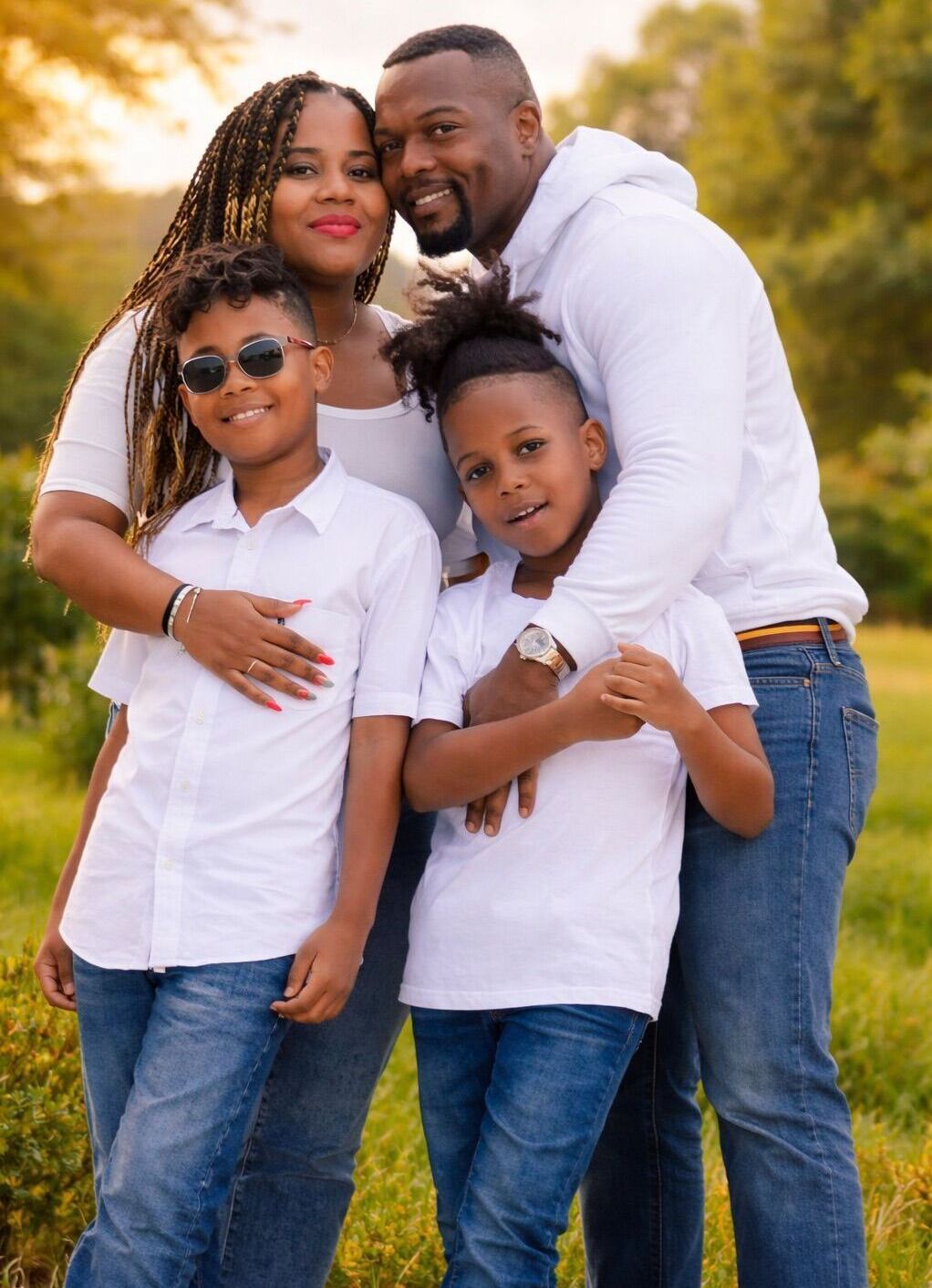
The early years of Dr. Daun Fitz were not shaped by rigid structure or quiet discipline but by movement, curiosity, and a constant need to understand the world around him. Growing up in Saint Lucia, he was never the type of child who found comfort in simply sitting still. There was always something to do, something to explore, something to take apart and put back together again. His energy naturally leaned toward action, and that became one of the earliest indicators of the kind of person he was becoming.
From a young age, he showed a strong inclination toward practical engagement. He was always involved in something, whether it was experimenting with electrical items, fixing small things, or trying to create something out of what was available to him. It was not about being taught how to do these things. It came naturally. He learned by touching, by trying, and sometimes by getting it wrong before getting it right. That process never discouraged him. Instead, it seemed to draw him in even more.
Unlike many others, he did not find himself naturally aligned with traditional academic expectations. He has often described himself as someone who was not the most serious in school, someone who enjoyed being playful and present in the moment. There was a sense of ease in how he carried himself, a tendency to joke, to engage, and to focus on what felt real and immediate rather than what was written in books. For a long time, that defined his approach to learning and to life.
But beneath that light-hearted nature, there was something quietly developing. Every time he tried to fix something, every time he explored how something worked, he was building a different kind of understanding. It was not structured, and it was not always recognized, but it was there. He was developing practical awareness, problem-solving instincts, and the confidence to approach things without fear. These were lessons that did not come from formal education but from experience itself.
Growing up in Corinth Estate, Grande Riviere, Gros Islet, Saint Lucia, the environment around him also played its part. Life was not always about having everything perfectly in place. It was about adapting, about making things work, and about finding ways to move forward with what was available. These were not lessons that were formally explained to him, but they were present in everyday life. Over time, they became part of how he thought and how he approached challenges.
As he moved through his early school years, there was no clear indication that he would follow a traditional path of success. He was not defined by academic rankings or by a fixed direction. Instead, he continued to move forward in his own way, guided more by instinct than by expectation. There were moments where more focus was required and moments where seriousness was expected, but at that stage, he was still in the process of discovering who he was.
“I realized it wasn’t that I couldn’t learn… I just needed to be in something that actually made sense to me.”
Phase 2 : Learning Through Skill, Not Convention
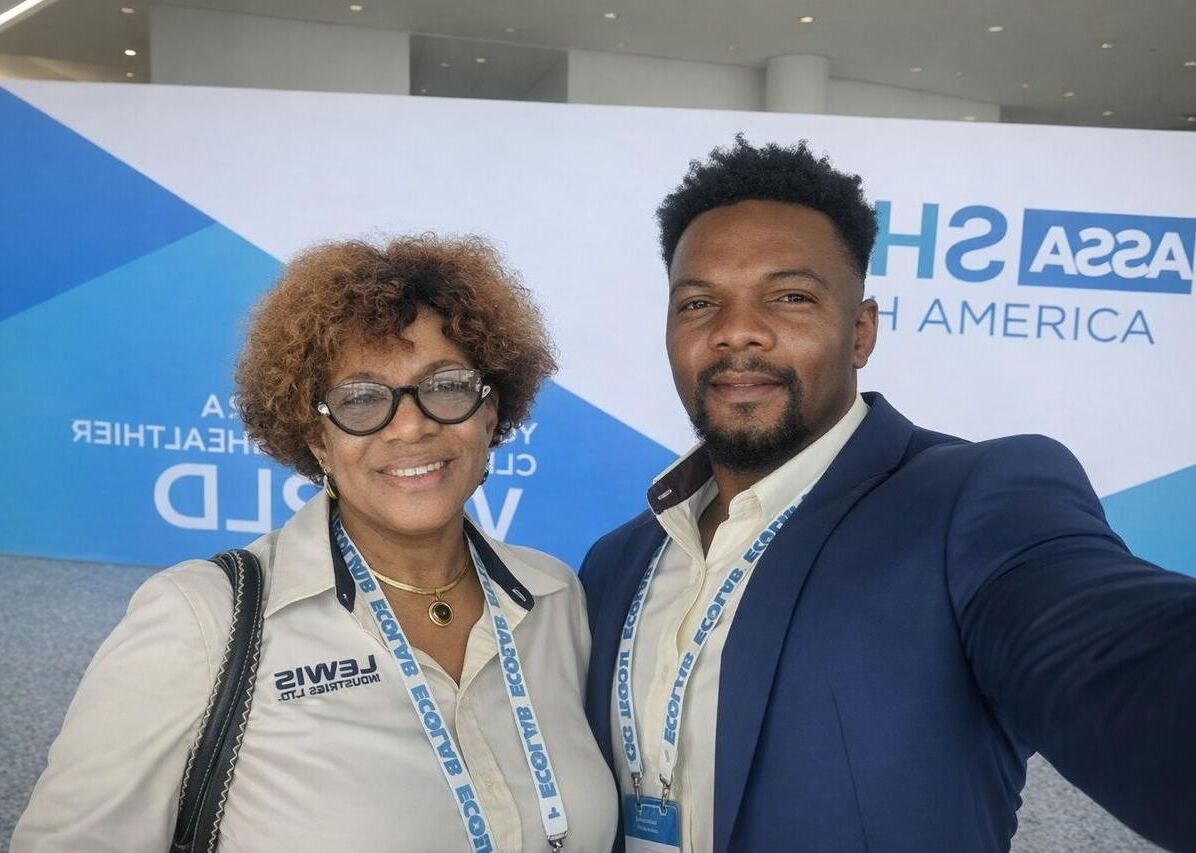
Moving on from his early years, Dr. Daun Fitz found himself at a point where life slowly started asking a different kind of question. It was no longer just about exploring or trying things out for the sake of it. There came a quiet realization that he needed to start choosing a direction, even if he wasn’t completely sure where it would lead.
Like many young people at that stage, he didn’t have everything mapped out. There was no clear plan sitting in front of him. But there was something he understood about himself, even if he couldn’t fully explain it yet. He knew he wasn’t built for sitting behind a desk all day. He knew he worked better when he was doing something, when he could see it, touch it, figure it out in a real way. That understanding, simple as it was, played a big role in what came next.
When he stepped into Sir Arthur Lewis Community College, it wasn’t about chasing a title or trying to prove something. It was more about finding something that felt right. That’s what led him into electrical studies.
Looking back, it made sense. From a young age, he had always been drawn to that kind of work, always experimenting and always trying to understand how things worked from the inside. And for the first time, learning didn’t feel forced.
There was something different about this experience. It wasn’t just about passing exams or getting through classes. It was about finally being in a space where things connected. What he was learning actually made sense to him. It wasn’t abstract. It wasn’t distant. It was practical, real, and something he could relate to without having to force himself to stay interested.
He started to apply himself in a way he hadn’t before. Not because someone was pushing him, but because he wanted to. And when that shift happens, things change. He didn’t just get by, he did well. Well enough to earn a Certificate in Electrical Installation with Distinction. For someone who once saw himself as not being the most academically inclined, that meant something. It wasn’t just a piece of paper. It was proof, to himself more than anyone else, that he could focus, that he could commit, and that he could achieve when he found the right fit. But even with that, the journey didn’t suddenly become clear.
One part of him connected deeply with technical work, but another part had always been there too. The part that could talk to people easily. The part that could walk into a space and strike up a conversation without hesitation. The part that didn’t struggle to connect. That side of him had always been present, even back in his younger days, but now it started to feel like something worth exploring.
“I learned early on that people don’t just remember what you sell them… they remember how you made them feel while they were deciding.”
Phase 3 : Finding His Voice in the World of Sales
When Dr. Daun Fitz stepped into the working world, it wasn’t with a grand plan or a clear sense of where it would all lead. Like everything before, it was another step, another space where he would have to learn by doing. This time, though, the environment was different. It demanded more from him, not just effort but presence. It required him to stand in front of people, speak with confidence, and handle situations where outcomes were never guaranteed.
His journey into this phase began at Colombian Emeralds, a place that dealt in luxury jewellery and high-end watches. It wasn’t the kind of place where you could just say a few words and expect a sale. The people walking in were not looking for something small. These were expensive pieces, items that required trust, explanation, and a level of comfort before anyone would even consider buying. For someone still finding his footing, it could have easily felt intimidating.
At first, it probably did. But he didn’t step away from it. Instead, he leaned into it the only way he knew how, by getting involved and learning as he went. There was no manual that could fully prepare him for real conversations with real people. So he paid attention. He watched how people reacted. He noticed what made them comfortable and what didn’t. And slowly, without even realizing it, he started to build his own way of doing things.
What made him different wasn’t that he knew everything about the products right away. It was how he approached people. He didn’t rush into trying to sell. He didn’t overwhelm anyone with information. Instead, he started with something simple, a conversation. A light comment, a small joke, something that made the other person relax a little. It wasn’t forced. It came naturally to him. That was his entry point.
Once that barrier was gone, everything else became easier. He could talk about the product, explain it, break it down in a way that made sense. Whether it was a watch or a piece of jewellery, he found a way to describe it so that the person in front of him could actually see its value. He didn’t just list features. He made it relatable. He made it real. And over time, that started to show.
He wasn’t just making sales. He was building connections. People responded to how he spoke, how he carried himself, and how he made them feel during the process. It wasn’t about pressure. It was about comfort. And that made all the difference.
The recognition followed naturally. He began earning Top Gun awards, sometimes month after month, for being among the highest performers. But those moments, as important as they were, were not the real story. The real story was what was happening in between. The conversations, the repeated effort, the days where things didn’t go as planned, and the decision to show up again the next day and do it all over. He spent around five years in that space, and in those years, something shifted in him. He started to see himself differently.
Note of Thanks
Looking back on the journey of Dr. Daun Fitz, it becomes clear that while much of it was built through his own effort and determination, it was never shaped in isolation. There were always people, places, and moments that played their part, sometimes in obvious ways and sometimes in ways that only made sense much later.
His roots in Saint Lucia remain an important part of that story. The environment he grew up in and the everyday experiences shaped how he sees the world and approaches life. There is also a quiet acknowledgement of the influence of his family, especially those who served in roles tied to discipline and public duty. Those examples may not have directed him immediately, but they stayed with him and found their way back into his journey at the right time.
The spaces he worked in over the years also deserve recognition. Each one, from Colombian Emeralds to Peter and Company Distribution and Windward and Leeward Brewery Limited, contributed something different. They were not just workplaces. They were places where he learned, adapted, and grew into responsibilities he had to figure out gradually.
His time at the Gros-Islet Police Station is significant, not just as a role but as an experience that required him to show up in ways that went beyond routine. It became a part of him, not something separate from his journey.
There is also a sense of appreciation for the opportunities he created for himself through ventures like Fat Bike Adventures Ltd. and Twinkle Fuel Ltd.. They reflect a part of him that has always been willing to try, build, and see what could come from an idea if he stayed with it.
In the end, this journey is not just a story of one person moving forward. It is a reminder that every step, every influence, and every experience, no matter how small it seemed at the time, played a role in shaping the path he continues to walk.
thanks,
– Dr. Daun Fitz