“Storms don’t come to destroy us; they come to prepare us. What feels broken today may become the very strength that carries us into tomorrow.”
Introduction
Every biography begins with a place, a family, and the first flicker of identity. For Dr Brian Smith, that place was not gilded with privilege or cushioned by certainty. His earliest home was a converted garage in humble, draughty, but filled with a mother’s love. His father walked away when Brian was just three months old, even petitioning the state to remove his name from the birth certificate. Rejection, abandonment, and the absence of a father figure could have easily left a boy with wounds that defined him. Yet, in the hands of his mother, Eileen, and his grandparents, those same hardships became the crucible in which resilience and faith were forged.
From his mother, Brian inherited determination and belief. She worked multiple jobs, sometimes three at once, to keep food on the table. When food ran low, she taught him how to face scarcity with dignity. There were weekends when popcorn became breakfast, lunch, and dinner. Instead of shame, those moments became memories of perseverance, proof that even with little, life could still be lived with laughter and love. Eileen’s mantras were never give up, never let others decide what you can or cannot do and became the undercurrent of Brian’s character.
His grandparents added their own strands to this foundation. His grandfather modeled discipline, hard work, and pride in a job done well. Fence rows had to be straight, cornfields had to be aligned with care, not simply because of appearance, but because excellence mattered. His grandmother, sharp-minded and unwavering, told him often that he was different, that he carried a purpose greater than the blue-collar path familiar to much of the family. She reminded him again and again: “God doesn’t make junk.” Those words were more than comfort; they were prophecy.
In school, Brian’s restless energy and quick intellect set him apart. He worked ahead of his peers, completed assignments early, and asked to take tests before others were ready. A teacher once discovered that Brian performed best when he could move around while solving problems. Instead of punishing his inability to sit still, that teacher gave him space to learn differently, allowing him to walk while taking maths tests. That small moment of understanding gave Brian permission to lean into his unique way of processing the world. He was always been curious, restless, hungry for knowledge, and most of all, eager to help others. He became a tutor rather than a test-taker, a guide rather than a competitor. Even in adolescence, his gift for teaching and lifting others was emerging.
Sports became another classroom for life. Baseball, softball, football, volleyball. Brian played them all, and he thrived in competition. It wasn’t only about winning games; sports became the arena where he learned teamwork, resilience, and leadership. Unlike social circles filled with peer pressure, the field was a place where he could be himself without judgement. His abstinence from drugs and alcohol, unusual in a high school environment, never made him an outcast there. Instead, sports gave him belonging and credibility. Later in life, when he coached his own children and mentored young athletes, he would pass on those same lessons of discipline, encouragement, and integrity.
Phase 1 : From Popcorn to Purpose: The Strength Forged in Storms
“Hardship doesn’t diminish us it sharpens us. Even when life offers nothing more than popcorn for dinner, faith and resilience can turn empty plates into the foundation of purpose.”
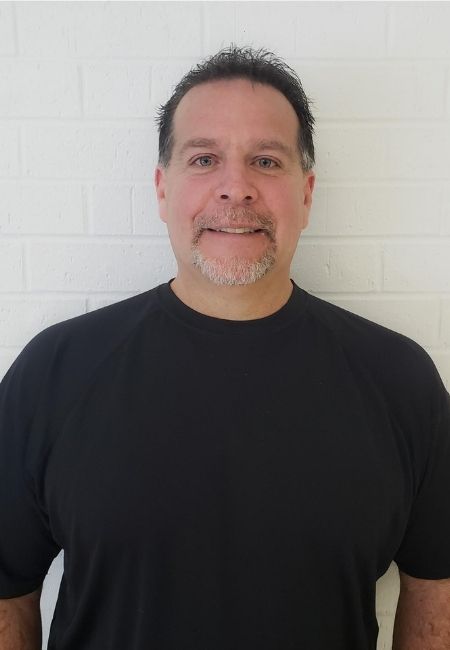
There are beginnings that sparkle with opportunity, with open doors and endless resources. Dr Brian Smith’s beginning was not one of them. His story started in a converted garage, a makeshift home that could barely keep out the chill of Minnesota winters. The walls may have been thin, but inside, a stronger kind of foundation was being laid by him including one of resilience, grit, and unwavering faith.
Brian’s father left when he was only three months old. The man who should have carried him on his shoulders, who should have taught him to ride a bike or throw a ball, petitioned instead to have his name removed from the birth certificate. It was a rejection that might have defined him, branding him with the scar of unworthiness before he was old enough to understand what the word meant. But his mother stepped into that void with fierce determination. She was not just mother and father, but provider, protector, and believer. She worked long hours, often more than one job at a time, to keep them afloat. When cupboards were bare, she turned scarcity into survival, filling the weekend with the only thing they had left to eat popcon.
Those popcorn weekends might have broken another child, teaching bitterness or shame. But for Brian, they became symbols of strength. They showed him that life’s value isn’t measured in what’s on the plate but in the spirit of the people who share it. He and his mother shared more than food, they shared laughter, faith, and the quiet assurance that even in the leanest of times, they had each other. That belief, planted in hardship, became the soil for everything he would later grow.
When his mother’s work demanded long hours, Brian often stayed with his grandparents. Their home was more than a shelter and was a classroom without walls. His grandfather, a stern but steady man, introduced him to the meaning of discipline and work ethic. On the farm, there were no shortcuts. Fence rows had to be perfectly straight, not just functional. Cornrows had to align with precision, not simply grow tall. To a boy, it seemed unnecessary. To his grandfather, it was principle. Excellence mattered whether anyone was watching or not.
Fishing trips with his grandfather became another kind of education. In the stillness of the boat, away from the noise of daily life, his grandfather finally spoke. Stories emerged about World War II including the loss of friends in battle, the pain of survival, the cost of courage. For most of the family, those memories remained locked away. But in the boat, Brian became the confidant, the one trusted with truths too heavy for casual conversation. It was in those moments that he first felt “seen”, not just as a child, but as someone capable of carrying wisdom forward. The lake became his first sanctuary, the boat his first classroom of legacy.
Phase 2 : The First Spark: Mowers, Honesty, and the Ring That Changed Everything
“Success doesn’t begin with wealth or expertise it begins with the courage to work with your own hands and the integrity to tell the truth, even when it costs you.”

Entrepreneurship is not always born in boardrooms or incubators. Sometimes, it begins with a teenager, a lawnmower, and a stubborn desire to prove that he could shape his own future. For Dr Brian Smith, that spark ignited at just seventeen years old, when he launched his very first business: Rite Way Landscaping.
It wasn’t glamorous. There were no investors, no business plans draughted on sleek computers, and no advisors whispering strategies in his ear. What there was instead was an old mower, a set of calloused hands, and a determination to create something that belonged to him. Most of his peers were content to pick up part-time jobs at fast food restaurants or retail counters. But Brian wanted more than a pay cheque. He wanted agency. He wanted to know what it felt like to build opportunity with his own two hands.
At seventeen, the world can feel like it’s towering over you, demanding conformity. But with every yard he cut, every flowerbed he planted, every driveway he cleaned, Brian discovered something profound—that he was capable of creating value. He didn’t need someone else to hand him a wage; he could generate his own. That realization was transformative.
Rite Way Landscaping wasn’t just about grass or gardens; it was about growth. Each client he served wasn’t just a source of income but a reminder that hard work and integrity built trust. He wasn’t simply mowing lawns; he was sowing the seeds of a lifelong journey into entrepreneurship.
For Brian, those long days under the sun instilled not just discipline but confidence. The more he worked, the more he saw his vision materialise. He realized that ideas, no matter how small, could become reality if matched with persistence. The landscaping business may have seemed modest from the outside, but for him, it was a declaration: I can build something of my own.
Years later, that same sense of integrity would shape one of the most defining lessons of his young adult life. After college, Brian stepped into the world of retail sales, working in a jewellery store. He knew almost nothing about diamonds or gold when he started. What he did know, however, was people and that truth mattered more than profit.
It was only his third day on the job when a woman walked in who would test, and ultimately confirm, that conviction. She was elderly, refined, and carried herself with the quiet confidence of someone accustomed to wealth. The sales associates, recognising her, quickly vanished into the back. They had seen her before. She didn’t just shop; she talked. She asked questions, lingered, and took up time the other salespeople didn’t want to “waste”.
Phase 3 : Builder of Companies, Advocate in the Storm
“True building is never just about bricks or balance sheets it is about restoring hope, rescuing what others abandon, and protecting people when life’s storms try to take everything away.”

When a boy who once survived on popcorn weekends grows into a man who builds multi-million-dollar companies, the story is never about luck. It is about vision sharpened in scarcity, persistence tested by storms, and integrity proven in small decisions long before the spotlight arrived. For Dr. Brian Smith, entrepreneurship was not a career choice; it was the rhythm of his life.
After the lessons of Rite Way Landscaping and the hard-won wisdom of his first sales career, Brian began expanding into industries most would consider daunting—construction, roofing, real estate, mortgage, title services, and land development. What began with a lawnmower at seventeen grew into ventures that shaped neighbourhoods, lifted struggling businesses, and impacted families across communities.
Construction is often a business of margins and machinery, but for Brian, it was also about people and promises. With Hammer-Time Construction, he committed to building more than structures; he was building trust. Clients weren’t just projects to him but they were families waiting for homes, investors hoping for returns, and workers counting on steady pay cheques. He held those responsibilities close, ensuring that deadlines were met, quality was honoured, and relationships endured.
Amen Roofing added another layer to his impact. Roofing may seem like just shingles and nails, but anyone who has lived through a storm knows a roof is security. It is protection from nature’s fury, a safeguard for memories inside. Brian and his teams didn’t just fix leaks instead they restored peace of mind. He built systems that allowed the company to grow while keeping service personal. Every roof repaired became another family reminded that resilience is possible, even after the storm.
Brian’s entrepreneurial spirit never stopped with one venture. With REMC Real Estate & Mortgage Consultants and additional title service companies, he broadened his reach into real estate and finance. These ventures allowed him to walk families through the entire journey of home ownership from zoning and financing to closing and moving in.
His involvement in real estate wasn’t just about buying and selling property. It was about understanding the bigger picture: families finding a place to grow, communities expanding responsibly, and opportunities multiplying when land was used wisely. With 22 land development projects, Brian gained the reputation of someone who could see not only the dirt under his boots but the future cityscape rising from it.