“I did not choose every road I walked, but every step taught me something. The struggles I endured became my strength, the people I met became my lessons, and the moments I lived became the words I wrote.”
Introduction
Every life is made of countless moments. Some moments bring happiness, some leave behind wounds, and some quietly shape the person we become. When I look at my own journey, I see a path filled with struggles, unexpected turns, learning, and experiences that changed the way I understood life. There were times when circumstances tested my patience, times when I had to make difficult choices, and times when a small hope became the strength that helped me move forward.
I was still very young when my life moved away from the familiar surroundings of my childhood and brought me to Delhi. I stepped into a world that was completely unknown to me. I did not know what challenges were waiting ahead or how those experiences would shape my future. The city taught me lessons that no classroom could have taught. It introduced me to responsibilities, hardships, and situations where I had to understand life much earlier than expected.
Yet, even during those difficult years, one desire remained alive within me: the desire to learn. Education was not only a means of gaining knowledge for me; it became a hope for a better tomorrow. Returning to studies after a long gap was challenging, but I continued because I believed that circumstances could change through determination and effort. Every step in that direction strengthened my confidence and reminded me that learning has no age or limitation.
Along the way, I discovered another world that became deeply connected with my identity: the world of words. Writing started as a way to express my thoughts and emotions, but gradually it became a part of my life. Poetry gave shape to feelings that I could not always express, while journalism introduced me to people, experiences, and stories that existed beyond my own world.
My association with Doordarshan, newspapers, and media organisations gave me the opportunity to understand the responsibility of storytelling. Through journalism, I learned that every individual carries a story within themselves, and every experience has something meaningful to teach. The people and situations I encountered expanded my perspective and strengthened my belief in the power of words.
Life also brought moments that changed me deeply as a person. Some experiences filled my heart with happiness, while others brought emotions that were difficult to accept. These moments influenced my thoughts, my writing, and my understanding of love, pain, and human emotions. Ihey became a part of my creative journey and shaped the way I looked at life.
This autobiography is not simply a record of events. It is a reflection of the experiences that shaped me, the struggles that tested me, the dreams that kept me moving, and the lessons that remained with me. Through these pages, I have tried to share my journey with honesty and sincerity.
As readers move through these chapters, they will find the Story of a person who faced challenges, continued learning from every phase, and kept searching for a meaningful path ahead. is the story of my life, written through memories, experiences, and the words that became my companion throughout this journey.
Phase 1: The Journey That Made Me Who I Am
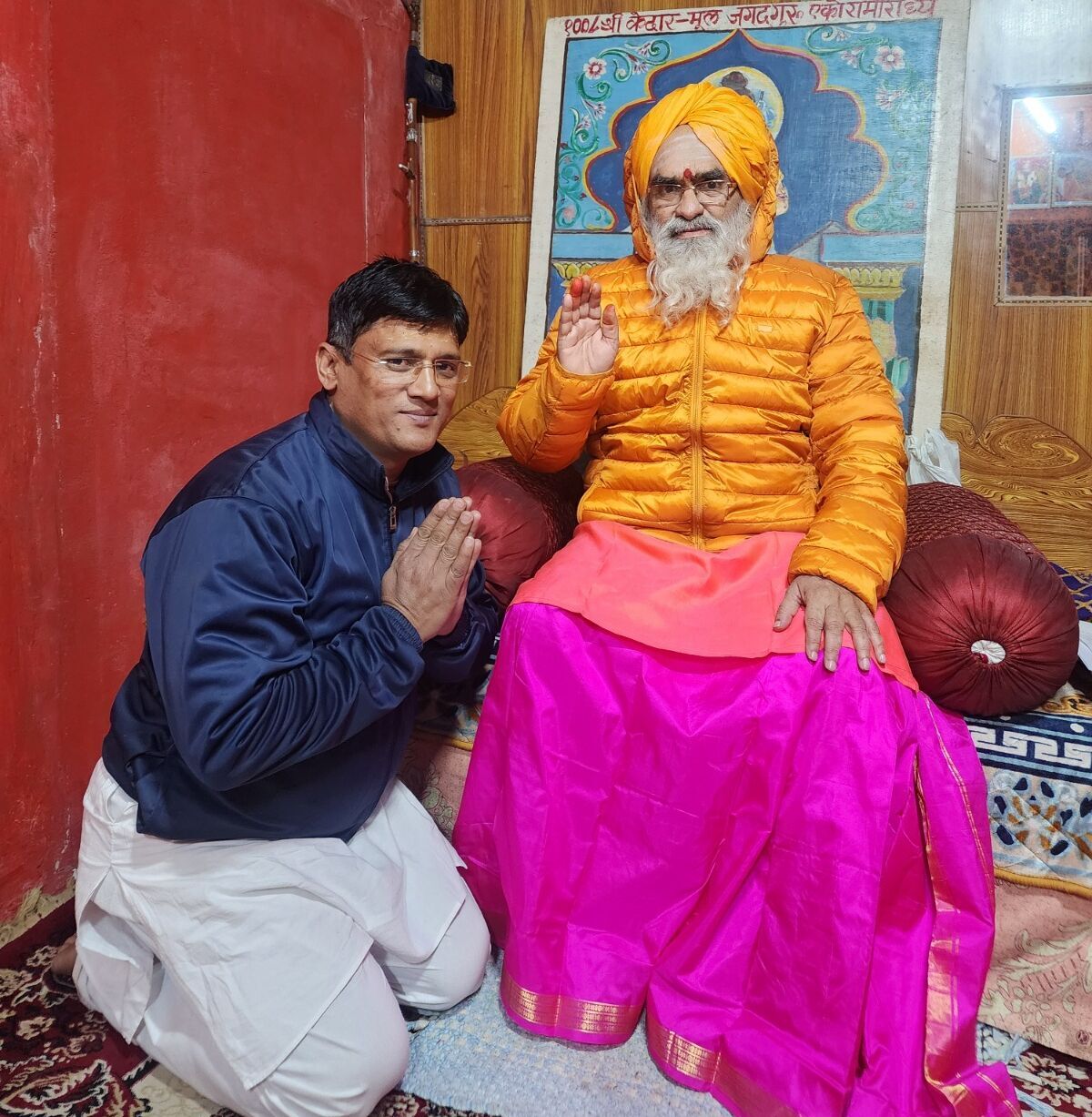
‘Uttarakhand’ is said to have been transformed into a divine land by sages and saints who performed penance here for hundreds of years. To experience its magnificence, devotees travel for miles to seek the darshan of their Lord. Devbhoomi Uttarakhand, whose air carries the fragrance of the Ganga Aarti, while the evening itself holds within it an abundance of coolness and serenity.
That is why it has also been given the title of heaven. And why should it not be? It looks exactly like heaven. Why would it not? God Himself created it with His own hands. Its high, snow-covered mountains, lush green valleys, and sacred rivers together make it the ‘Land of the Gods’. It is known for its natural beauty and tranquillity. Here lie the four famous holy shrines of Lord Badrinath, Kedarnath, Gangotri, and Yamunotri. The Panch Kedar of Lord Shiva and the Panch Badri of Lord Vishnu are also situated here.
The land of Uttarakhand is considered the maternal home of Lord Shiva as well as the city of Daksha Prajapati. From the Pandavas to many kings, numerous figures chose this land for performing penance. Mahatmas consider this place suitable for meditation and come here for that purpose. Many saints have offered prayers here and attained direct realisation of God. The Pandavas had also come and stayed in Uttarakhand during their period of incognito exile. Some of the most vast and sacred rivers of India originate from Devbhoomi Uttarakhand. Uttarakhand is the source of the Ganga, Yamuna, and Saraswati rivers.
It was in this very sacred land of Devbhoomi Uttarakhand, in Nauli village, Patti Kafolsyun, Pauri Garhwal district, that the young writer and journalist Jagmohan Singh was born on 11 September 1975. In the village, the elders affectionately call him ‘Munna’. Jagmohan Singh (Munna), and now Jagmohan ‘Azad’, has reached a position today as a writer and journalist that is truly a great source of inspiration for the younger generation of today. How did he take his education and learning forward in the course of his life, and how did he reach this position? Here, through the inspiring story of his journey towards becoming a writer and journalist, he shares the complete story of his early struggles, his experiences with education, and how, after recognising his passion, he stepped into this field.
I was born in a village in the sacred land of Devbhoomi Uttarakhand where, even today, deities are believed to descend, are worshipped, and bestow their blessings. Even today, deities are invoked and brought into presence through the tradition of ‘Jagar’. Jagar is not merely a religious ritual; it is a living expression of the folk culture of Uttarakhand. It carries faith, music, folk literature, heroic tales, spiritual energy, and a profound emotion that can make the listener’s hair stand on end. On a night of Jagar, when the beats of the hudka, dhol-damau, and dor-thali reverberate through the surroundings, when divine legends emerge through the voice of the jagariya, and when the deity descends into the body of the dangariya, that moment becomes extremely difficult to describe in words. It is truly a remarkable sight when the deities descend and not only bless the devotees but also resolve their disputes and problems and deliver justice. These include Narasimha Dev, Bhairon Devta, Golu Devta, Mahasu Devta, and Maa Kali, among others.
In the folk culture of Uttarakhand, Jagar is regarded as an extremely sacred and divine tradition, a tradition in which it is believed that a direct dialogue is established between the deities and human beings. Most of my family members are connected with this folk tradition. I too grew up in this environment, but I could never personally connect myself with it. Nevertheless, the Bhagirathi blessings of our ancestors and deities have always remained with me.
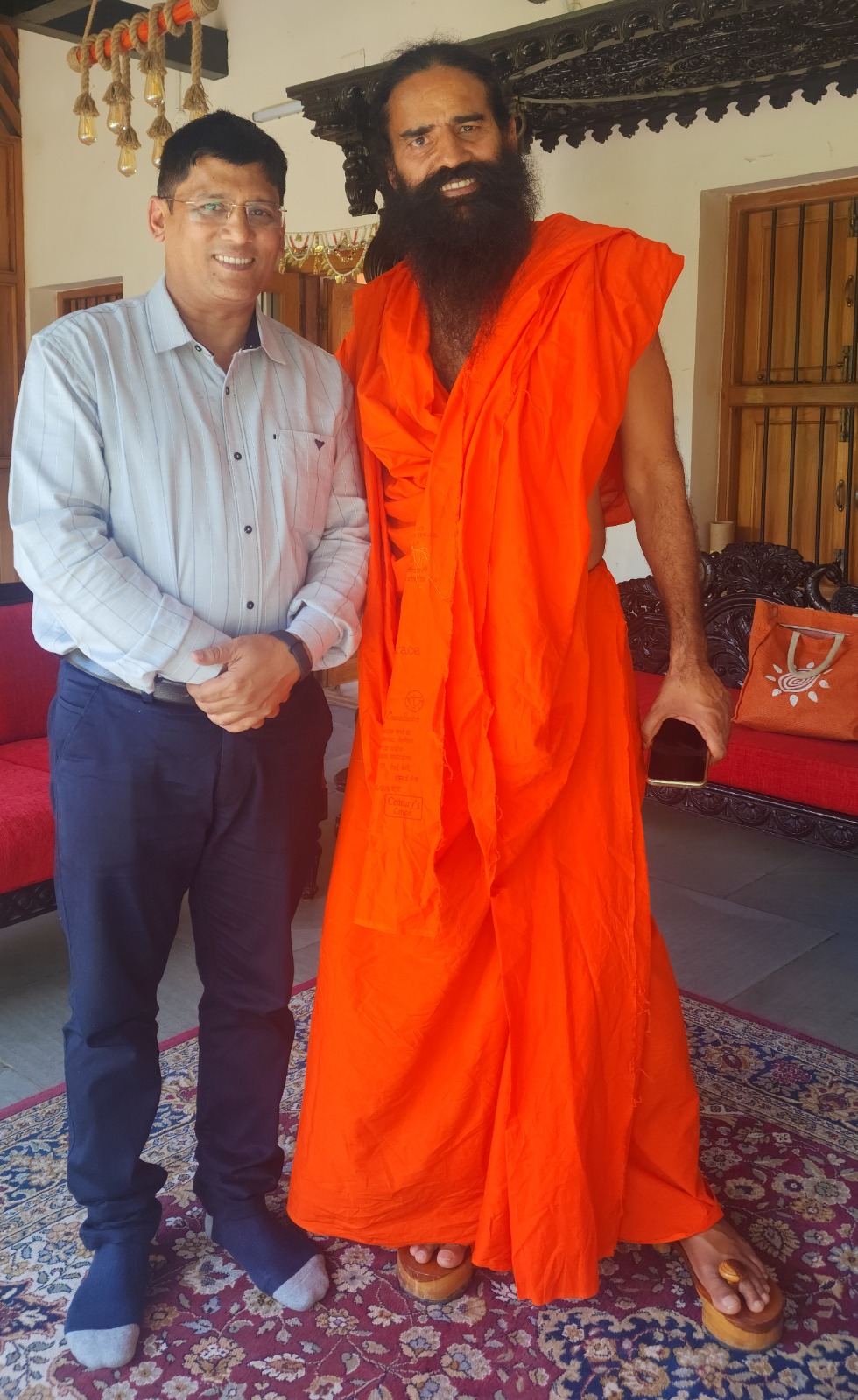
My early education took place in Jodhpur, Rajasthan, followed by my studies at Primary School Thapli in the village and then at Inter College Jakheti. My father, Shri Anand Singh, was posted with the Border Security Force (BSF), and he was transferred from Jodhpur to Jammu and Kashmir. Because of this, we had to return to the village, where I continued my education at the village school. After coming from Jodhpur, my elder brother Brijmohan Singh got me admitted to Class Four at Primary School Thapli.
At that time, there was a significant difference between the education provided in village and city schools. The village school did not have English as a subject. However, we had been studying English from Class One in Jodhpur. In Jodhpur, we used to write on slates or in notebooks. But in the village, we wrote on a bolkhya-pati using a bamboo pen and Multani मिट्टी, which was also called ‘Kameda’. Every morning, after waking up, we would apply the soot from the underside of an iron griddle to the writing board to make it smooth and shiny, and then we would write on it. The board would sometimes break, after which I would receive plenty of scolding and even beatings from my mother.
While going to school, every child would carry a piece of firewood from home. This wood was used to make tea for the teachers. After reaching school, before the morning prayer, all the children would first come together and clean the school. Only after that would the classes begin.
In those days, there was a lot Of physical punishment in the village school for studies, and even more if someone misbehaved or played pranks. If the mischief done at school became known at home, I would have to face scolding and beatings there as well. lherefore, I always tried to make sure that no one at home found Out about the mischief I did at school.
When I studied in Jodhpur, I was academically brighter than many of the other children in the village. I would sit right at the front of the class, answer every question asked by the teacher immediately, and take part in the musical programmes held at school every Saturday, where I would sing songs. That was my school life. This was also the reason why my teachers liked me very much. After some time, people even began giving me the title of Narendra Singh Negi, the renowned folk singer of Uttarakhand. Everyone would say that my voice sounded like that of Narendra Singh Negi Ji. On Saturdays, when I sang Irin programme, m schoolmate Vinod Singh, who is my nephew by relation, would dance. Our friendship is still just as strong today as it was during Our childhood.
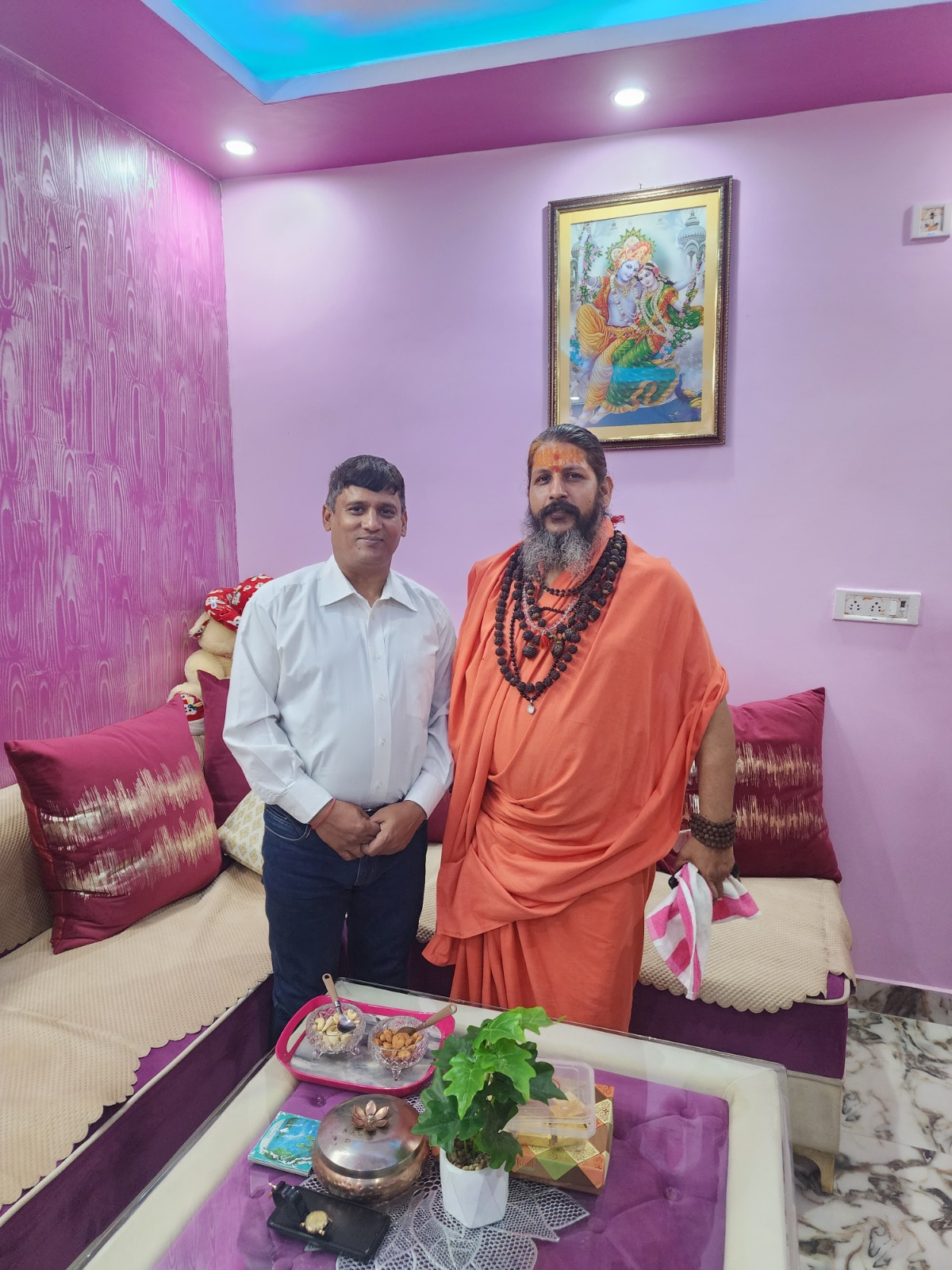
At Primary School Thapli, I passed Classes Four and Five with very good marks, and for further studies, I was admitted to Inter College Jakheti. Here, English was one of the subjects in Class Six. It was taught by R. K. Kothiyal Guru Ji, who was highly knowledgeable in the English language. Since my early schooling had taken place in Jodhpur, I had no difficulty studying English. This was also the reason why I very soon became one of his favourite students. However, when I saw the punishment given to children who could not study English properly in Kothiyal Guru Ji’s class, even students from other classes would become frightened. The beatings given by Kothiyal Guru Ji were truly very severe.
R. K. Kothiyal Ji was extremely disciplined. He always wanted the school uniforms, nails, and hair of the students to be clean and well maintained. There was a market called Agroda, about two kilometres from our village, where there was a barber. Kothiyal Ji would specifically instruct students to go to him for haircuts. Once the barber came to know that a child was one of Kothiyal Guru Ji’s students, he would cut the child’s hair very short.
We also received beatings from R. K. Kothiyal Ji on many occasions. If we made even a single mistake in English grammar, it meant that we were going to be beaten. The sticks that Guru Ji used to beat the students with were all brought by the students themselves. Yet, the students he taught are today working in high positions.
R. K. Kothiyal Guru Ji was also very fond of music. He played a role in every programme held at the school. When preparations were underway for the 15 August Independence Day programme at school, there was also a singing programme. Some of the children who studied with me told Kothiyal Guru Ji, “Guru Ji, Jagmohan also sings very well.” So Guru Ji asked me to sing. From that day onwards, whenever there was any programme at school, I would always have at least one song to perform.
Once, a programme on prohibition of alcohol was to be organised at our school. The District Magistrate and several senior officials were expected to attend the programme at our school. Preparations for the event were underway on a large scale. I was supposed to sing a song about prohibition. It was a song by the Garh Ratna Narendra Singh Negi. Its lyrics in Garhwali were ‘Daaru Ni Penu’. Kothiyal Guru Ji accompanied me on the dholak while I sang this song. We rehearsed for several days for this performance, and when I finally sang the song, I received first prize and recognition for singing for the first time. After that, there was always a song for me in every school programme, and R. K. Kothiyal Guru Ji would help me prepare for it.
At school, I began receiving a great deal of appreciation and respect as a singer. Once, R. K. Kothiyal Guru Ji took me to Kans Khet Inter College, which is considered one of the oldest colleges in Pauri Garhwal. A singing competition was organised there, in which students from several schools participated. I represented my school, Inter College Jakheti, in the competition, and we secured second place. When we returned to school the next day after participating in the competition, the entire school and all the teachers welcomed us with loud applause during the morning assembly. That day became one of the most special days of my life.
In those days, a major movement was taking place in Pauri Garhwal. I did not know much about it. The students from Jakheti School had also gone to Pauri to participate in the movement. A large number of people had gathered at the bus stand there. We were also made to sit among those people. Several people were delivering speeches from the stage. It was then that I came to know that the movement was related to prohibition of alcohol. During the movement, R. K. Kothiyal Guru Ji invited me to sing on the stage, and I once again sang the same song, ‘Daaru Ni Penu’, from that stage. The people present there were clapping along with my singing. I could not understand what all of this meant. But the applause I received that day still echoes in my ears even today. After that, all the students studying with me and the teachers began calling me by the name of the folk singer Narendra Singh Negi, and everyone would ask, “How is Negi Ji?”
Along with my studies at school, my name also began to be discussed as a singer. Whenever someone from our village returned from the city, our Balmangal Dal team would go to welcome them. Even on those occasions, everyone would ask me to sing songs for them. During the Pahadi Holi celebrations, I would sing all the songs myself. As a result, people in the surrounding villages and markets began to know me as a singer, and they would often request me to sing for them.
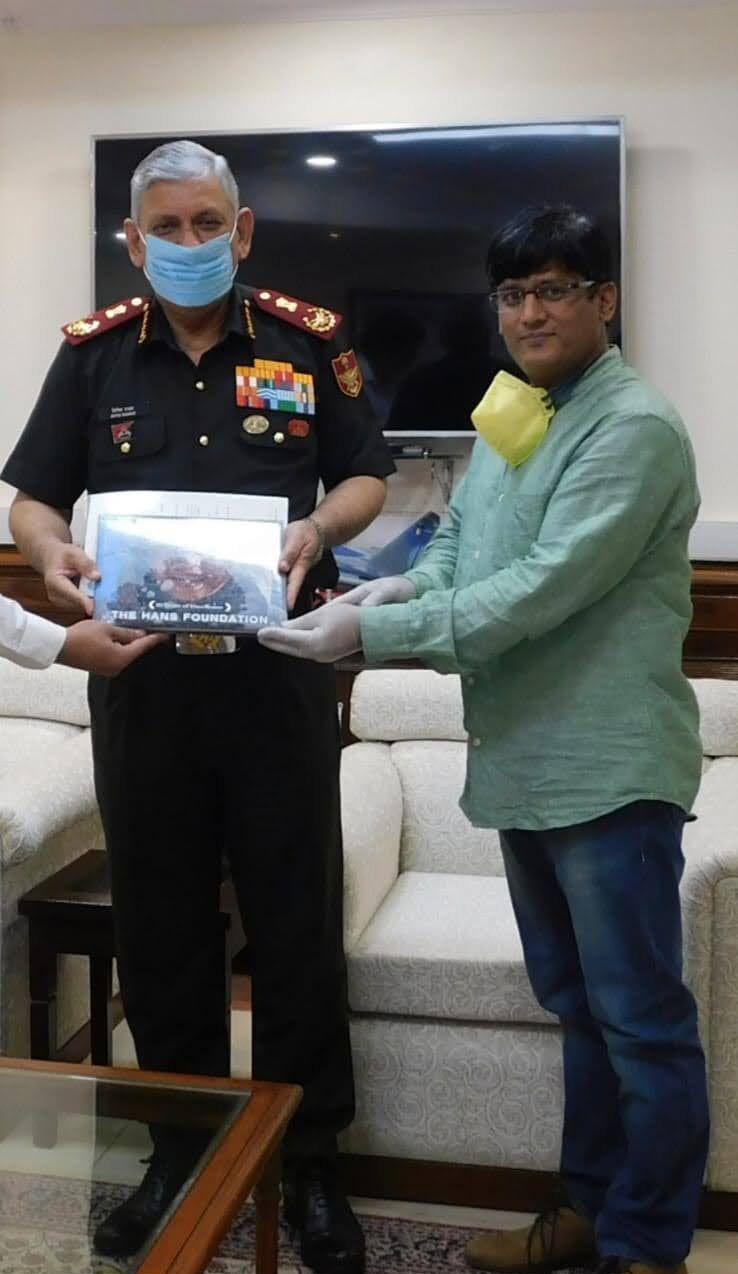
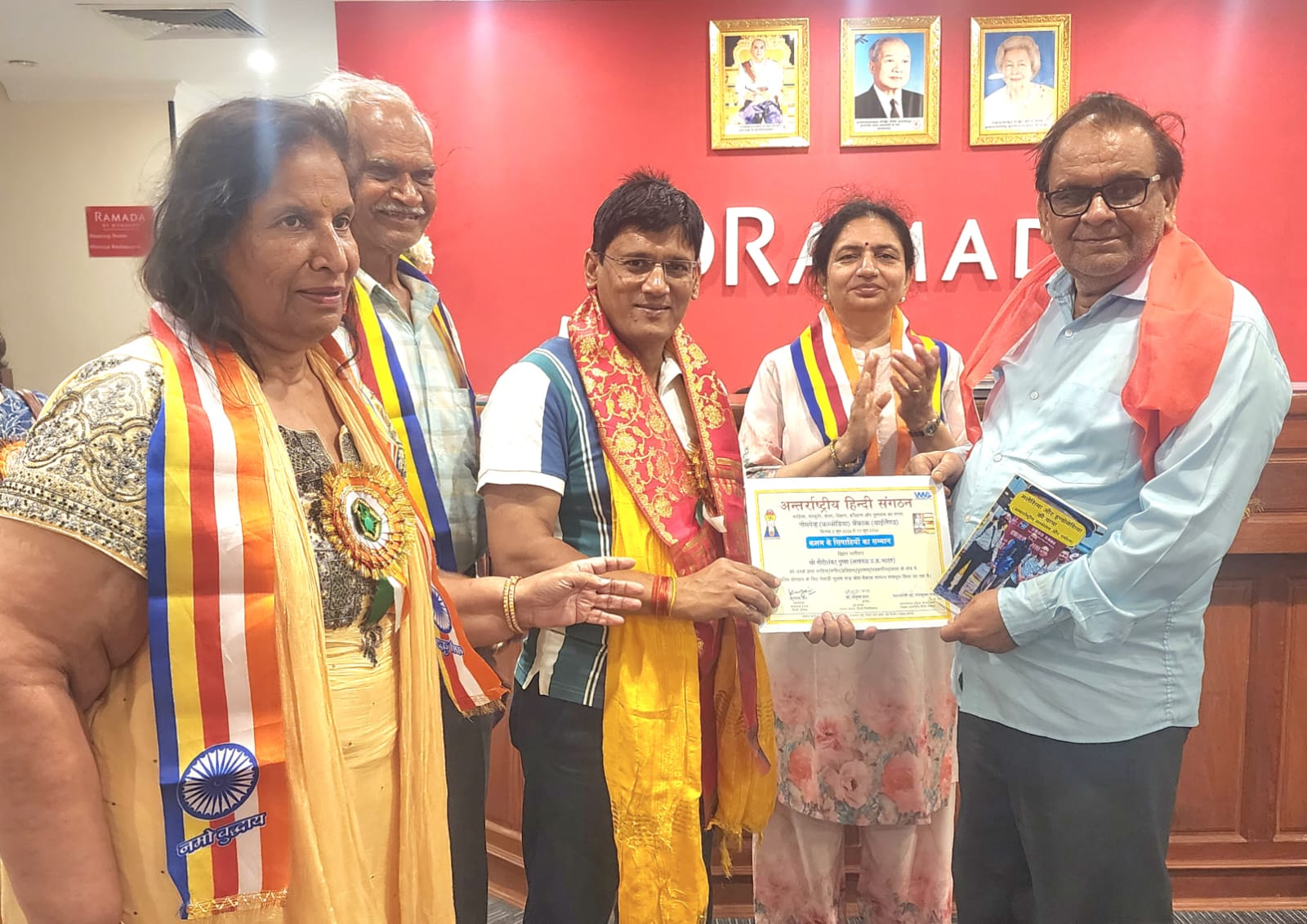
My elder brother, Brijmohan Ji, worked in Delhi. In the village, there were me, my three younger brothers, Chandramohan, Rakesh, and Mukesh, and my sister Kusumlata. In those days, families were much larger than they are today. A family would usually have at least five or six children. Farming was very good in the village, so families made their living from agriculture. Most of the people from our village were in the armed forces, while some families depended on money orders for their livelihood. Young men and other male members of the village who worked in the armed forces or at other places would send money orders to their families. This was how the families living in the village managed their daily lives.
Along with my studies, I also began taking care of my younger brothers and sister. My mother started managing the fields. She also kept cows and buffaloes, which increased the amount of work she had to do. That was another reason why I had to look after my younger brothers and sister. Despite this, my studies continued without interruption.
I received great blessings and support in my education from our elder uncle, Late Umed Singh Ji. My uncle was very gentle and soft-hearted from within, but extremely strict on the outside. That was the reason he commanded great respect not only in our village but also in the surrounding villages. My uncle never said anything to anyone. Yet, merely hearing his footsteps or knowing that he was approaching was enough to make the children hold their breath and feel nervous. This was not fear, but the respect that all of us had for our uncle.
That is also why the good values and education he gave us, along with his life, his sacrifices, and his guidance, have always remained a source of inspiration for us. Even today, we continue to move forward by following the path shown to us by our uncle.
Since my father was in the army, my elder uncle was my first guardian. We would often be beaten by my uncle for both our schoolwork and our mischief. And he would beat us quite severely. Yet, the fact that I always stood first in school and that my teachers encouraged me was also the result of my uncle’s hard work. Whenever my uncle went to Pauri, the headquarters of Pauri Garhwal, to collect his pension, he would bring back toffees and band for me. He could not tolerate any negligence in my studies. For this, I had to be beaten many times.
My mother, Sampatti Devi Ji, had a stern and strict nature. The way she was strict and harsh with me was different from how she treated my younger brothers and sister. I still remember the beatings I received from her for even the smallest mistake. Even today, I have never been able to understand that stern and strict side of my mother.
Along with taking care of my younger brothers and sister, I also began working in the fields with my mother. From a very young age, I started doing household and agricultural work such as cutting grass, weeding and hoeing the fields, pounding grain in the okhli (urkheli) made in the courtyard, grinding grain in the flour mill (jandari) that was kept inside the houses, bringing grass for the animals, looking after the cow, and doing various other household chores. Seeing the work I was doing, the women of the village began calling me “bahu”. They would often say, “How much hardship will you endure at this age, Devar Ji?” and their eyes would fill with tears.
The other children in the village would go to play in the fields and around the farmyards after returning from school, but I would come home from school and immediately get involved in household work. My younger brothers, Rakesh and Mukesh, were twins. They started walking and moving around at a much later age. Taking care of both of them was a very big challenge for me. In those days, our entire family lived together in a single room, so these two brothers would often knock down things kept inside the house. I would be punished for it.
My mother was so strict that, in anger, she would sometimes not give me anything to eat. Many times, I was not even allowed to enter the house. On several occasions, I had to spend the entire night outside, on a pile of grass that was called ‘Palkund’ in Garhwali. In those days, there was a great deal of fear of tigers in the village. Despite this, whenever my brothers or I made a mistake at night, I would be sent outside the house for the entire night. Many times, I was not even given food.
As a result, to satisfy my hunger, I would take money kept in the village temple and use it to buy buns, biscuits, and other things to eat. In such situations, the people of the village or my uncle and aunt would keep me with them. For doing so, they would have to endure my mother’s abuses. Even today, I have not been able to understand my mother’s behaviour. Because of her behaviour, I was always deprived of a mother’s love.
That period of my childhood was such that even today, when I think about it, I feel frightened. Like all the other children, I was not able to enjoy my childhood through games and play. I never really experienced what the happiness and excitement of childhood felt like. I never truly felt what childhood was. For me, playing during childhood meant bringing grass and water, working alongside labourers in the fields, and taking the cow out to graze. Apart from these things, I had no childhood. And whenever there were situations where, even after completing all the household work, I would sometimes still be sent outside the house at night, it became even harder.
Note of Thanks
I am truly grateful to all the people who have been part of my life and supported me along the way. Whatever I have achieved is because of the love, guidance, and encouragement I received from so many people at different times.
First, my deepest thanks go to my family, especially my wife, Sunita Devi. She has stood with me through every responsibility, challenge, and change. Her patience, understanding, and strength have given me courage to keep going. My children, Deepanshu and Kavya, have filled my life with happiness and meaning, and I am grateful for their love and joy.
I also sincerely thank everyone who helped me grow as a writer and journalist. The guidance and encouragement I got from respected people like Kuber Dutt Ji, Brijmohan Sharma Ji, and many writers, journalists, and artists helped me learn, improve, and keep following my passion for literature and communication.
I am thankful to every colleague, friend, mentor, and well-wisher who believed in me and encouraged me when I needed it. Their kind words, advice, and support gave me strength at different Stages of my life. also thank the organisations, institutions, and publications that gave me opportunities to work, create, and share my thoughts with a wider audience.
TO everyone who touched my life through support, guidance, or simple kindness, I offer my heartfelt thanks. Every contribution, big or small, stays with me and remains a reason for my gratitude.
thanks,
– Dr. (H.C.) Jagmohan Singh ‘Azad’

AIMLAY is a leading global education platform empowering ACADEMIC and EXPERIENTIAL learners, uniquely focused on recognizing knowledge gained through experience and building a diversified community of doctorates and aspiring researchers.