“She did not wait for the storm to pass; she learned to stand in it, and then taught others how to stand too.”
Introduction
Born on 27 May 1958 as Jyoti Meghani, Dr. Pooja grew up with a habit that would remain central to her life: she questioned what others accepted without examination. Her curiosity was not limited to school lessons. She wanted to understand people, human behaviour, life, and the deeper meaning behind ordinary experiences. Although she never measured her ability through formal qualifications alone, she completed her Bachelor of Arts through private studies and continued learning through observation, responsibility, and direct engagement with people.
Her questioning nature soon found practical expression in education. Before marriage, she began teaching children and operating a nursery from her parental home. Over more than twenty-five years in nursery, playhouse, and educational work, she developed an ability to guide children while helping parents understand their needs.
Her parents, Shankar Meghani and Meera Shankar Meghani, gave her room to test her abilities. They allowed her to teach, establish a nursery, and learn through experience. Her mother also recognised that her daughter required a family environment in which her thinking would not be restricted. By supporting her marriage to Om Prakash Dadlani outside the expected section of their community, she accepted social resistance in order to protect her daughter’s future. That decision remained important to Dr. Pooja, who later credited her mother’s judgement and the freedom she received at home for much of what she was able to accomplish.
The family later entered a prolonged financial crisis that placed severe pressure on their security and emotional well-being. Her response during those years became a defining test of the principles she had learned from her parents.
The Ladies’ Platinum Business gave her a means of rebuilding while creating earning opportunities for other women. It marked her transition from meeting a personal financial need to developing a wider platform for women’s enterprise.
The ability to counsel others had been present throughout her years with children, parents, relatives, and families. Over time, she recognised that this work belonged within life coaching and personal development. She completed a Life Coach course under Vikas Chaudhari Sir and strengthened her work in motivation, confidence building, stress management, relationships, student therapy, patient recovery, and self-growth. Her approach remained grounded in a consistent principle: people should first identify the strongest quality within themselves and then build their future around its responsible development.
During the COVID-19 period, this principle moved into public service. Dr. Pooja counselled people who were struggling with fear and supported patients and families during a time of widespread uncertainty. Working alongside medical services, she offered emotional encouragement to patients and families struggling with fear. Her contribution received public attention and led to the Best Lady of Kutch Award. More importantly for her professional direction, the experience confirmed that emotional support and mental strength could meaningfully influence how people faced difficult circumstances.
"When a person dies, does the soul go above?"
Phase 1: Questions Beyond the Classroom
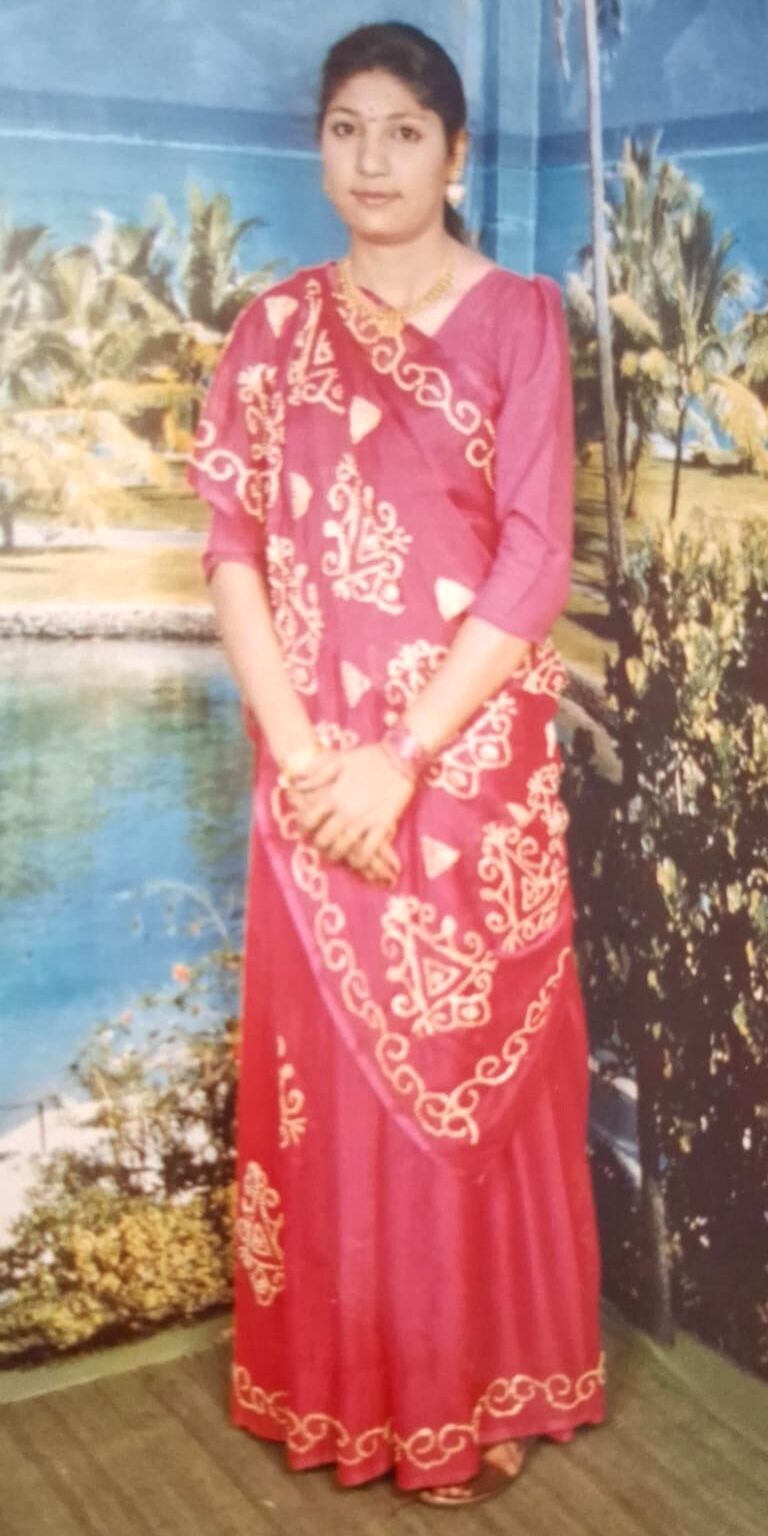
Long before professional titles became part of her identity, Dr. Pooja was known for asking questions that were different from those raised by other children. Her mother often recalled that even in childhood, her curiosity followed an unusual direction. She was not satisfied with knowing only what happened. She wanted to understand why it happened and what might exist beyond the most immediate explanation. Her question to her maternal grandfather about the soul reflected this tendency to look beneath the surface of ordinary understanding.
Born on 27 May 1958 to Shankar Meghani and Meera Shankar Meghani, she was formerly known as Jyoti Meghani. Her early schooling was divided between two places in Gujarat. She completed Classes 1 to 8 in Bhuj, followed by Classes 9 to 12 in Kandla. These years formed the educational setting in which her questioning nature became increasingly visible.
The questions she raised were not intended merely to challenge what she was being told. They came from a desire to understand ideas from several perspectives. While other children might accept a direct answer, she often continued thinking about the subject and returned with another question. This habit became an early form of independent learning. It allowed her to examine explanations instead of memorising them without reflection.
Family members noticed that her thought process did not always follow conventional expectations. Her friends and teachers also recognised that there was something distinctive about how she communicated and understood people. Their observations supported what she had already begun to recognise within herself. She considered herself different, not because she believed that she had already achieved something exceptional, but because she felt responsible for identifying and developing the qualities she had been given.
That awareness shaped the way she viewed learning. Formal education had value, but she did not believe that a person’s intelligence or potential could be measured only through academic qualifications. She completed her Bachelor of Arts through private studies, yet remained clear that her deepest learning came from thinking carefully, observing behaviour, asking questions, and applying what she understood in practical situations. She would later express this distinction simply: degrees were secondary, while experience in life came first.
Her outlook had been influenced by the way her parents responded to difficulty. Shankar Meghani taught his children not to treat every difficult situation as an insurmountable problem. In his view, two people could meet the same circumstances and respond in completely different ways. One might face the situation and move through it, while another might surrender before attempting to find a solution. The difference was not necessarily the size of the challenge, but the strength with which it was approached.
“A child is still a child. The adult is the one who must understand."
Phase 2 : A Classroom That Included the Parents
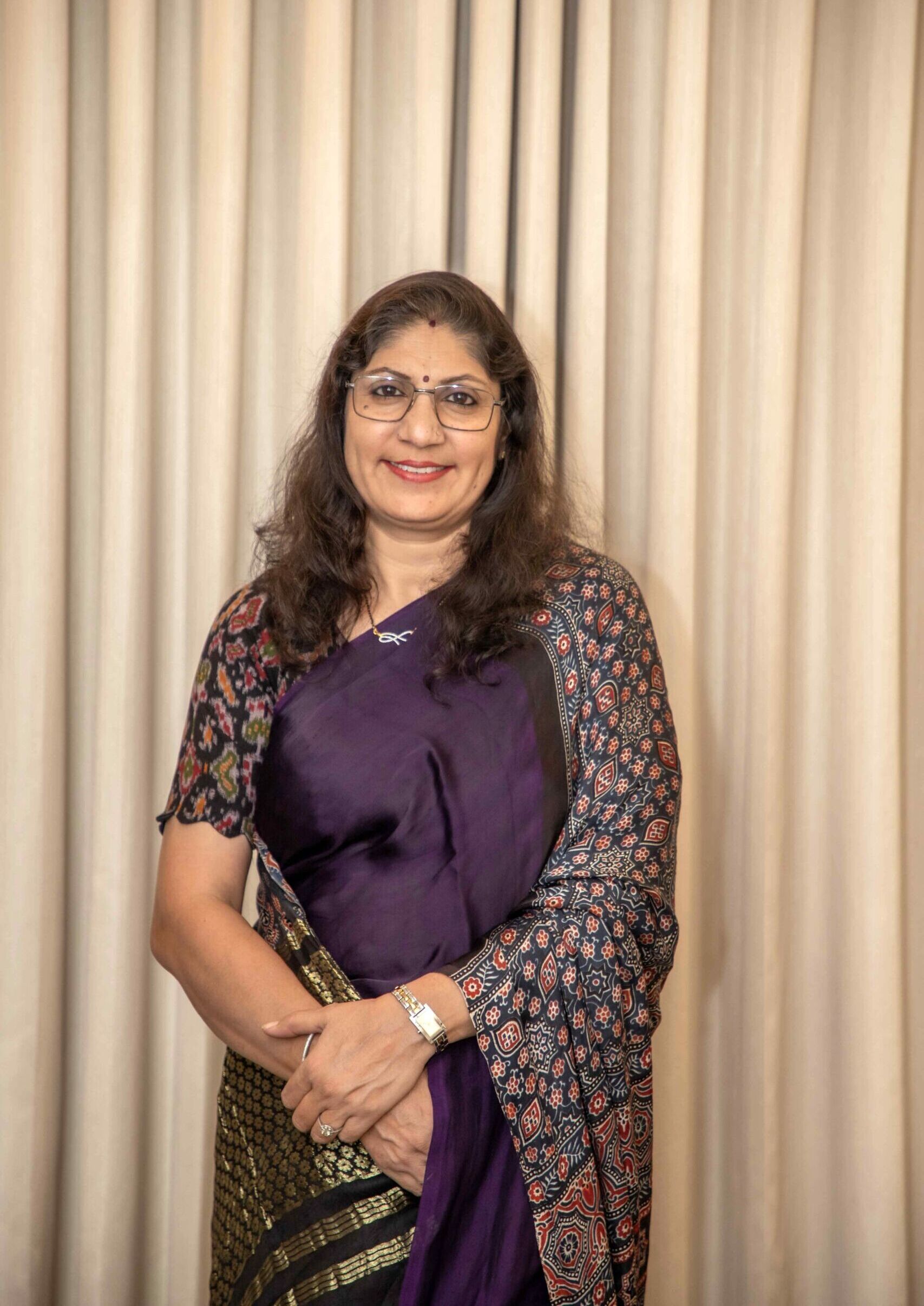
Dr. Pooja’s interest in children did not remain limited to observation. Before marriage, she began teaching young learners from her parental home, conducting tuition classes and operating a nursery. At that stage, she did not have children of her own, yet she was already developing a practical understanding of how children communicated, learned, resisted instructions, and responded to different forms of guidance. What began as teaching soon became a wider responsibility involving both the child and the family.
She preferred working with a defined group rather than addressing a large gathering. In her view, information could be delivered to a crowd, but the person speaking could not easily determine how much each listener had understood. A smaller group allowed her to ask questions, observe individual responses, and confirm whether the lesson had been absorbed. She commonly worked with groups of approximately twenty to twenty-five children, creating space for direct interaction rather than relying upon one-way instruction.
Much of her early teaching involved young pupils from the Gujarati-medium educational system. She worked according to their level of understanding and paid attention to the different ways in which they responded. For her, finishing a lesson was not enough. She wanted to know whether the child had genuinely followed what had been taught. The questions she asked were therefore not used only to test memory. They helped her identify where another explanation or a different approach was required.
This method reflected an ability that had been present since her own childhood. She naturally questioned ideas and examined them from more than one angle. While working with children, that same quality helped her notice that behaviour could not always be understood through a single explanation. A child who did not study at a particular moment might not necessarily be incapable or unwilling. The timing, method, emotional state, or pressure created by adults could also influence the response.
Many parents expected children to study according to an adult schedule. Dr. Pooja advised them to reconsider that expectation. If a child did not wish to study at a particular time, continually pursuing or pressuring the child might not produce the intended result. The adult could not simply declare that a certain period was free and insist that the child adjust accordingly. Since the parent possessed greater maturity, the responsibility to understand and adapt rested primarily with the adult.
Her nursery therefore became more than a place where children were taught or supervised. When parents brought their children to her, they also received guidance. She discussed small but meaningful matters that arose within the home and explained how parental awareness could influence a child’s mental and emotional development. The child was enrolled in the nursery, but the learning often extended to the parents.
This approach developed before she became a mother herself. Some people found that difficult to understand. Nursery work was commonly associated with married women or women who had already raised children. Dr. Pooja, however, was handling groups of young learners for six to eight hours while she was still unmarried. People questioned how someone without personal experience of motherhood could manage a nursery so effectively.
“When one person believes in your possibilities, even the weight of tradition cannot prevent you from growing.”
Phase 3 : A Mother Who Chose Beyond Convention
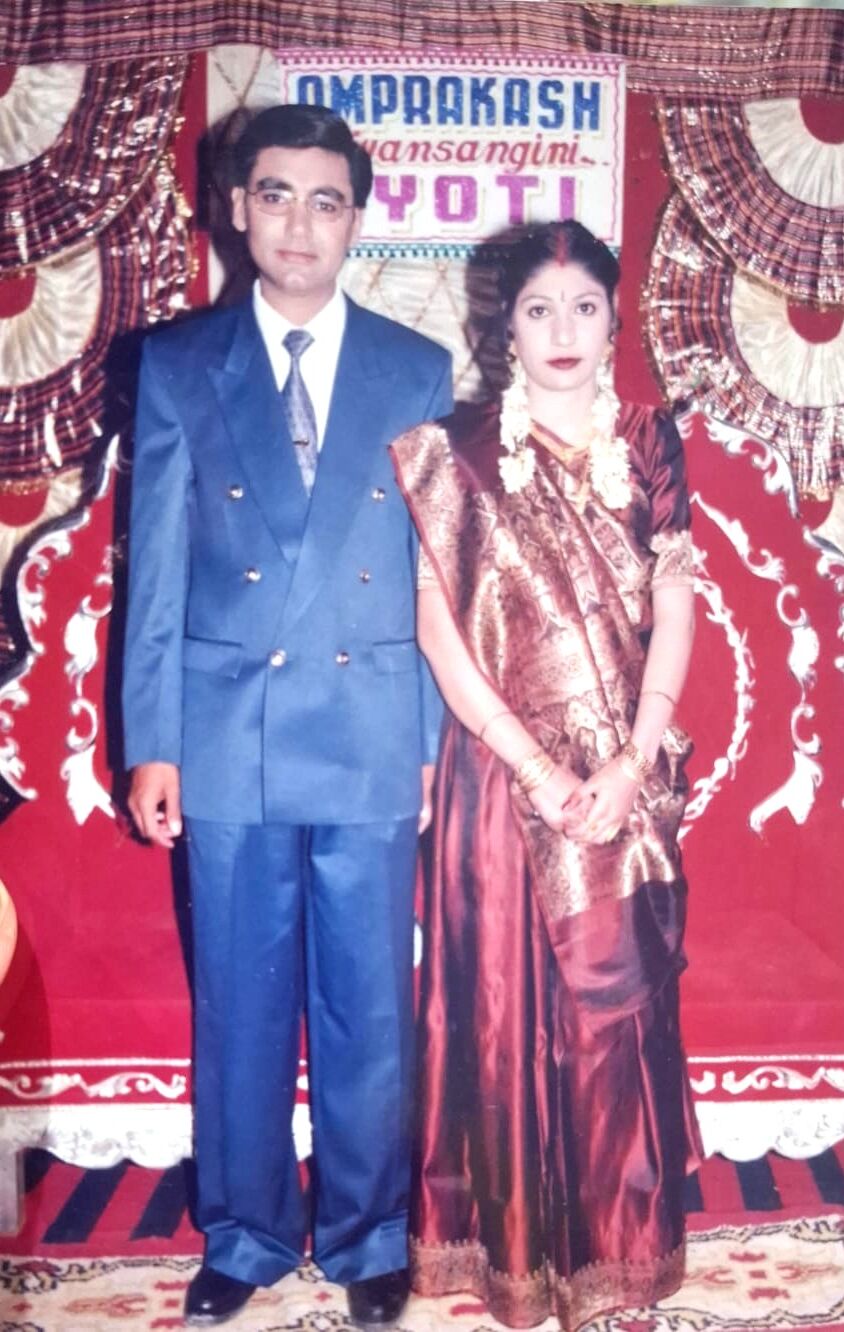
By the time marriage became a serious consideration, Dr. Pooja had already shown that her thinking did not fit easily within familiar expectations. She had taught children, managed tuition classes, operated a nursery while unmarried, and continued developing ideas that others sometimes found unusual. Her mother, Meera Shankar Meghani, had watched these qualities take shape and understood that her daughter would require more than a conventional marital arrangement. She needed a home in which her thinking would be allowed to grow.
Marriage proposals generally came from within the family’s expected community circle. Her mother, however, did not believe that this alone should determine her daughter’s future. She was concerned that a restrictive household might prevent Dr. Pooja from working, expressing her ideas, or pursuing the larger possibilities she saw for herself. In her assessment, her daughter’s open outlook required a husband who could respect it rather than contain it.
That position was unusual for its time and brought resistance from members of the wider community. The disagreement was not treated as a minor difference of opinion. Her mother stood against a long-established expectation and refused to proceed with a match merely because it met customary social requirements. She remained firm that her daughter should not be placed in an environment where her abilities would be narrowed by convention.
The decision carried consequences for the family. According to Dr. Pooja, her parents faced exclusion from the community for approximately five years. Such opposition made clear how strongly the accepted marriage boundaries were being defended. Her mother nevertheless continued with the decision, placing her daughter’s future above the approval of those who disagreed.
Her father, Shankar Meghani, had also given his children a practical understanding of responsibility. He believed that difficulties had to be faced by the person living through them. Parents, teachers, and spiritual guides could prepare and support someone, but they could not take that person’s examination on their behalf. This principle had encouraged Dr. Pooja to accept that freedom and responsibility belonged together. If she wished to live according to her own understanding, she also had to accept the work and consequences involved.
Note of Thanks
Dr. Pooja offers her deepest gratitude to her parents, Shankar Meghani and Meera Shankar Meghani, for giving her the freedom to think, question, and attempt work that others considered unusual. Her father’s guidance taught her to face problems with courage, while her mother recognised her individuality and defended the choices that allowed her abilities to grow.
She thanks her husband, Om Prakash Dadlani, for never preventing her from following her ideas, even when her way of thinking was difficult for him to understand. The years they passed through together, including financial hardship and recovery, gave their relationship a meaning shaped by responsibility, honesty, and shared family experience.
Her children, Harshit Dadlani and Juhi Dadlani, hold a cherished place in these acknowledgements. Their growth, decisions, and willingness to discover their own capabilities have given her reasons for pride. She remains grateful for the opportunity to guide them while also learning through motherhood.
Special thanks are offered to her brother, Dinesh Meghani, whose presence gave her courage when she approached the authorities during a difficult period, and to her sister, Neetu Gangwani, whose discreet practical assistance supported the household when basic provisions were scarce. She also acknowledges Mukesh Vasubhai, a valued well-wisher in her life.
Dr. Pooja further thanks Vikas Chaudhari Sir for the formal learning she received through her Life Coach course. She remains appreciative of the teachers, friends, parents, women, families, and individuals who recognised her abilities, trusted her guidance, learned alongside her, and allowed her work to expand across education, entrepreneurship, counselling, and personal development. Each connection strengthened her understanding that knowledge becomes meaningful when it is shared responsibly.
thanks,
– Dr. (H.C.) Pooja Dadlani

AIMLAY is a leading global education platform empowering ACADEMIC and EXPERIENTIAL learners, uniquely focused on recognizing knowledge gained through experience and building a diversified community of doctorates and aspiring researchers.