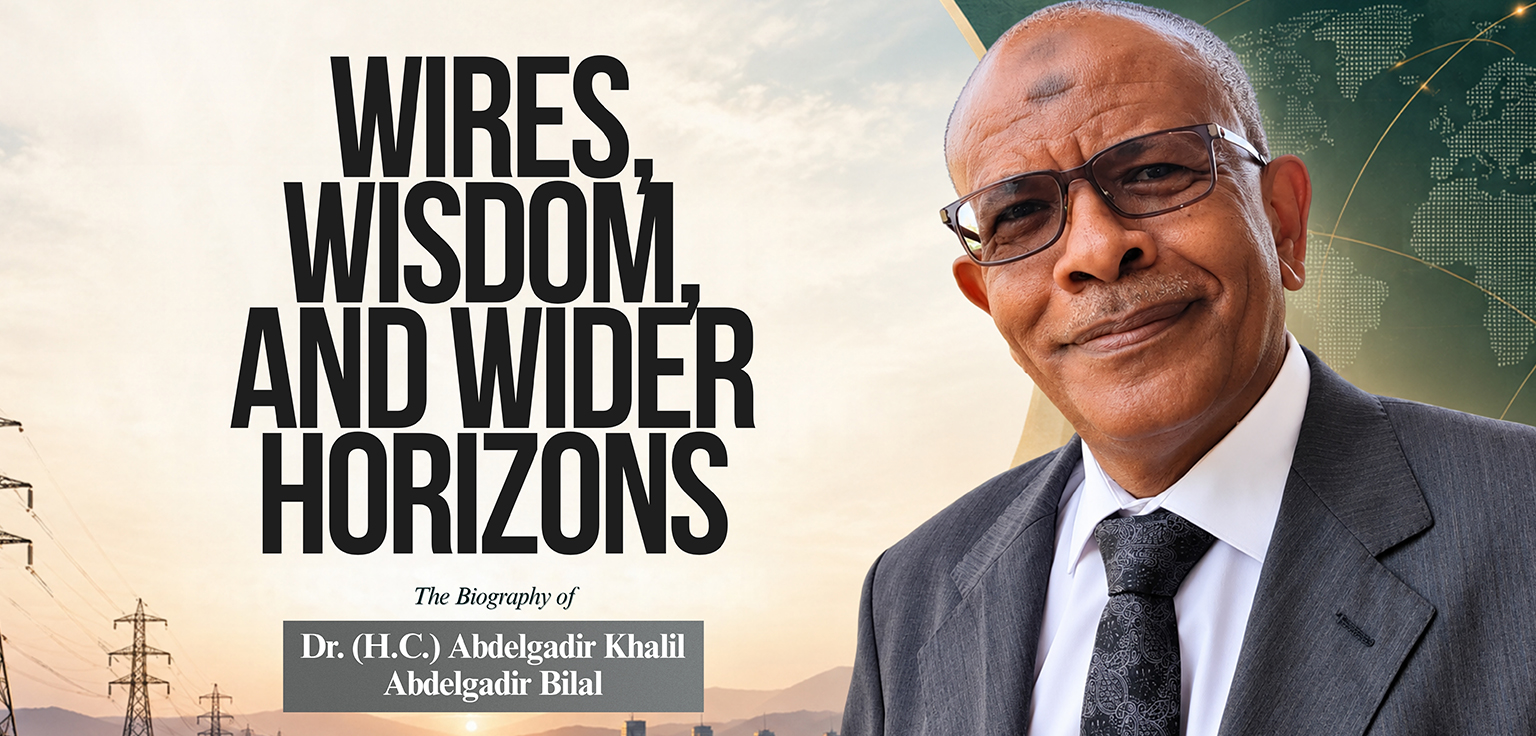
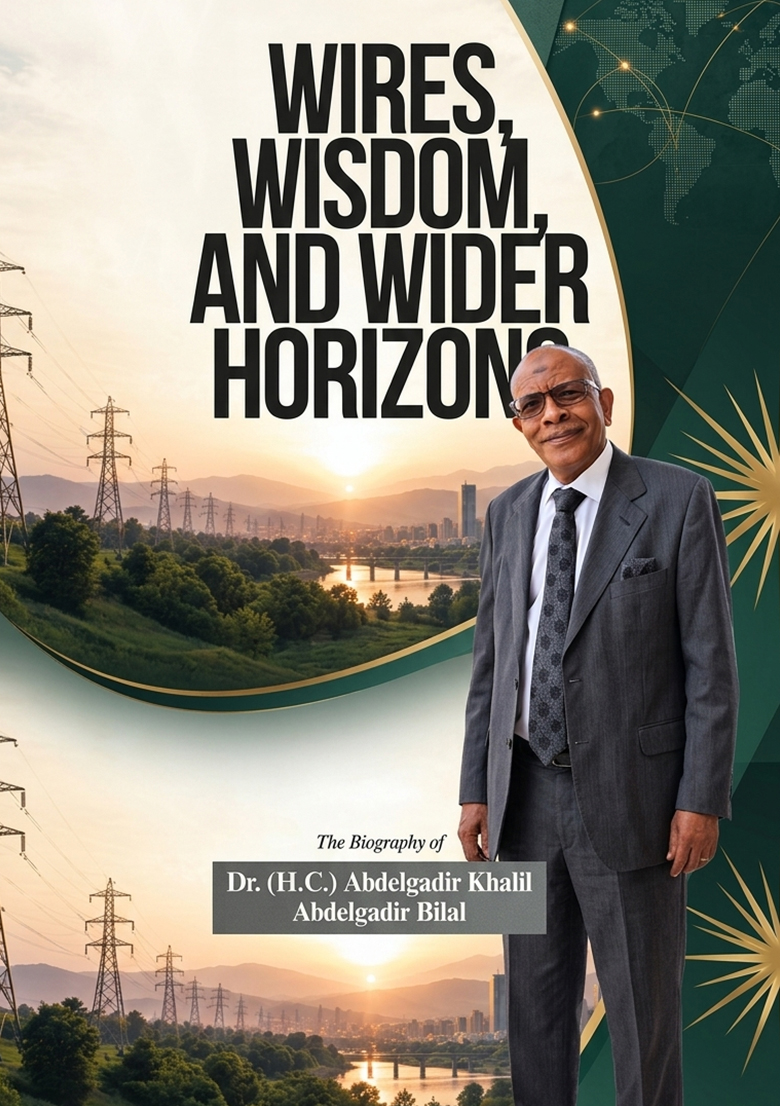
“A problem was never just an obstacle; it was an invitation to understand, rebuild, and create something stronger than before.”
Introduction
In a home where education was valued above all else, Dr. Abdelgadir Khalil Abdelgadir Bilal grew up surrounded by the quiet influence of two people who would remain central to his life. His father, Khalil Abdelgadir Bilal, was a dedicated mathematics teacher who spent more than forty years teaching secondary school students. The lessons he shared in classrooms continued to live long after his teaching years, as former students still remembered his guidance and the impact he had on their lives. Alongside his mother, Bakhita Ahmed Hassan, he provided the values and support that became an important part of Dr. Abdelgadir’s early years.
He was a child with a strong sense of responsibility and an active spirit. He was never someone who remained quietly in one place. From an early age, he involved himself in different activities, with football becoming one of his greatest interests. He played the sport throughout his childhood and continued until his early university years, even participating with a football club in tournaments. As academic responsibilities increased, he learned to balance his interests with his studies, carrying forward the discipline and commitment that would later become important in his professional life.
At the University of Khartoum, he pursued Electrical Engineering and graduated in 1988. During those years, Sudan faced difficulties related to power generation, distribution, and transmission, challenges that Dr. Abdelgadir had personally experienced since his school days. These realities influenced his decision to study a field where he could contribute to finding practical solutions.
After completing his education, Dr. Abdelgadir entered professional life through engineering projects supported by cooperation between the Dutch government and Sudan. His early assignments introduced him to power station projects and the rehabilitation of the Central Foundry in Khartoum. Among these experiences, the Central Foundry held a special interest for him because of its industrial significance. His early work threw him into complex technical settings and opened doors to future career growth.
Returning to Sudan, Dr. Abdelgadir continued developing as a project manager and gradually moved beyond technical execution into broader organisational responsibilities. During his years with DAL Group, he contributed to major industrial developments involving flour milling facilities, grain infrastructure, dairy production facilities, and a Coca-Cola bottling plant. These assignments expanded his understanding of how engineering decisions connected with business needs and organisational progress.
His responsibilities later moved into strategy, transformation, and business development. He became part of the team involved in formulating the strategic direction of DAL Group as it expanded across food manufacturing, engineering, agriculture, and property development. He later played an important role in developing the feed business from its initial concept through planning, product development, branding, and market introduction, demonstrating his ability to take an idea and turn it into an operating business.
Over the years, Dr. Abdelgadir’s work extended across international markets, partnerships, risk management, and organisational resilience. His professional recognition includes being a Fellow of the Strategic Planning Society (SPS), UK, a Fellow of the Strategic Management Forum (SMF), UK, and a registered Master Project Director with the Australian Institute of Project Management.
“The earliest lessons are not always spoken aloud; sometimes they are lived so consistently that they become part of who we are.”
Phase 1: The Lessons That Began at Home
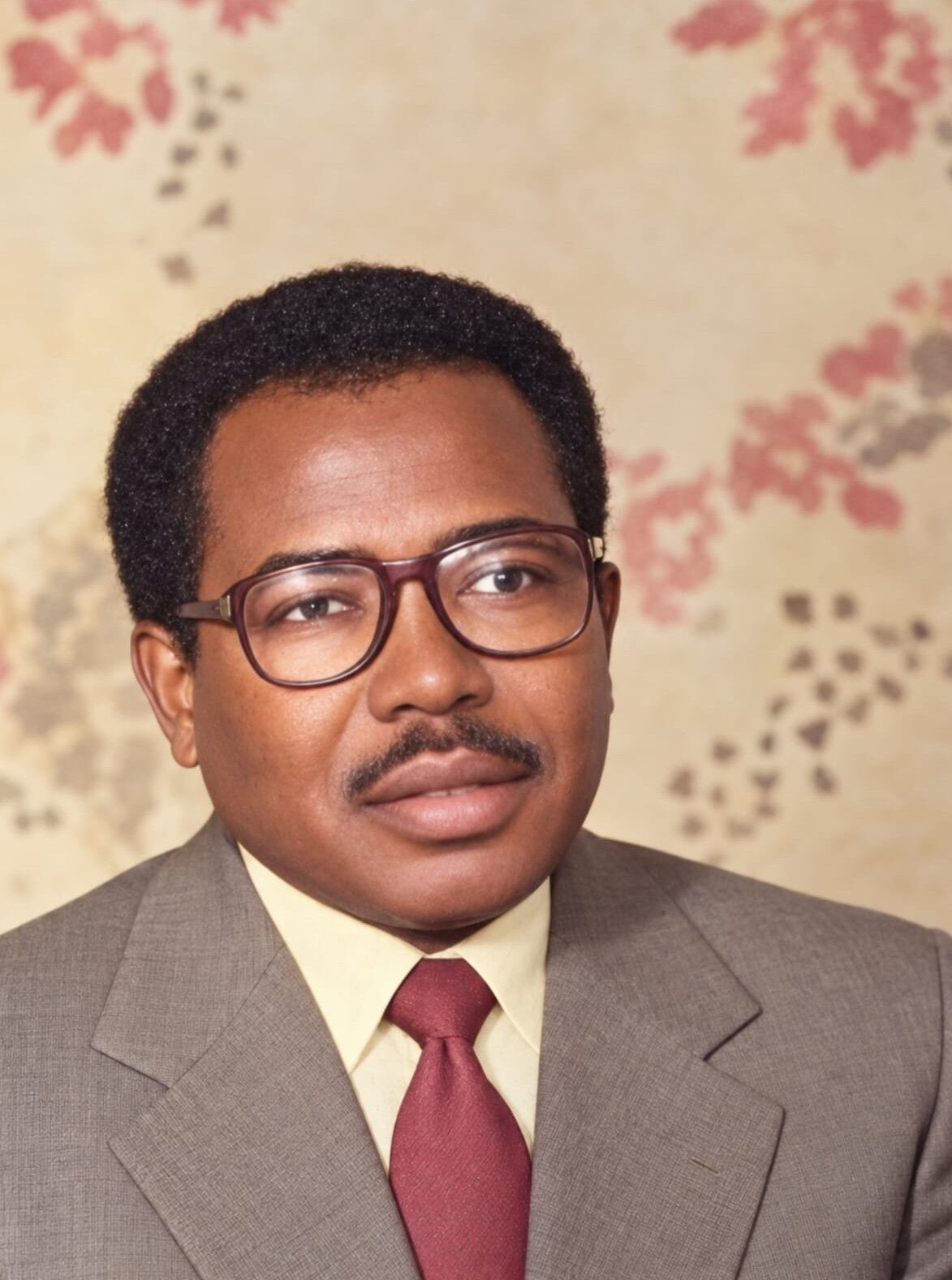
Long before professional responsibilities, strategic decisions, and complex projects became part of his life, Dr. Abdelgadir Khalil Abdelgadir Bilal grew up in an environment where knowledge, discipline, and responsibility were valued every day. Born in Karari, Sudan, he spent his early years surrounded by the influence of his family, where education was not simply a profession but a way of serving others.
The strongest presence in his childhood was his father, Khalil Abdelgadir Bilal, a mathematics teacher whose dedication extended far beyond the classroom. For more than forty years, he taught mathematics to secondary school students, leaving behind lessons that remained with those who learned from him. Even many years after his father had passed away, former students continued to remember him when they met Dr. Abdelgadir. Some had become professors, while others had reached advanced stages of life, yet they still spoke about the impact their teacher had made on them. Those memories revealed the depth of a teacher’s influence and the respect that Khalil Abdelgadir Bilal earned through his commitment to education.
Alongside his father’s example, his mother, Bakhita Ahmed Hassan, was also an important part of the family foundation that supported his early years. Dr. Abdelgadir later expressed that his parents shaped his character, his life, and everything that became important to him. The values he received at home remained closely connected to the way he approached responsibilities and relationships throughout his life.
As a child, Dr. Abdelgadir carried a personality full of energy and involvement. He described himself as responsible, but never quiet. He was not someone who preferred to remain still or separate himself from activities around him. From an early age, he participated in different activities and found enjoyment in being engaged with others. This active nature became especially visible through his love for football, a sport that remained an important part of his childhood and early youth.
Football was more than a pastime for him. It was a part of his routine and a space where he learned participation, commitment, and teamwork. He played football from an early age and continued until his first or second year at university. During that period, he even played with a football club in tournaments. However, as academic responsibilities increased, he began to recognise the difficulty of balancing university studies with the demands of being committed to a club. Although he continued playing with classmates and university friends, he understood the importance of managing his time and priorities.
His early years also carried the influence of his father’s love for mathematics. Among school subjects, mathematics became his favourite, and he connected that interest with the example he had seen at home. Watching his father dedicate decades to teaching created an early appreciation for the importance of knowledge and the responsibility that comes with sharing it with others.
The world around him during those formative years was simple yet meaningful. Between the classroom, the football field, and the home that encouraged learning, Dr. Abdelgadir developed a sense of curiosity and involvement that became part of his early identity. Those memories remained connected to the person he was becoming, carrying the impressions of a childhood built on learning, discipline, and participation.
“A problem becomes a purpose when we stop asking why it exists and begin asking what we can do about it.”
Phase 2 : The Decision to Solve What Others Experienced
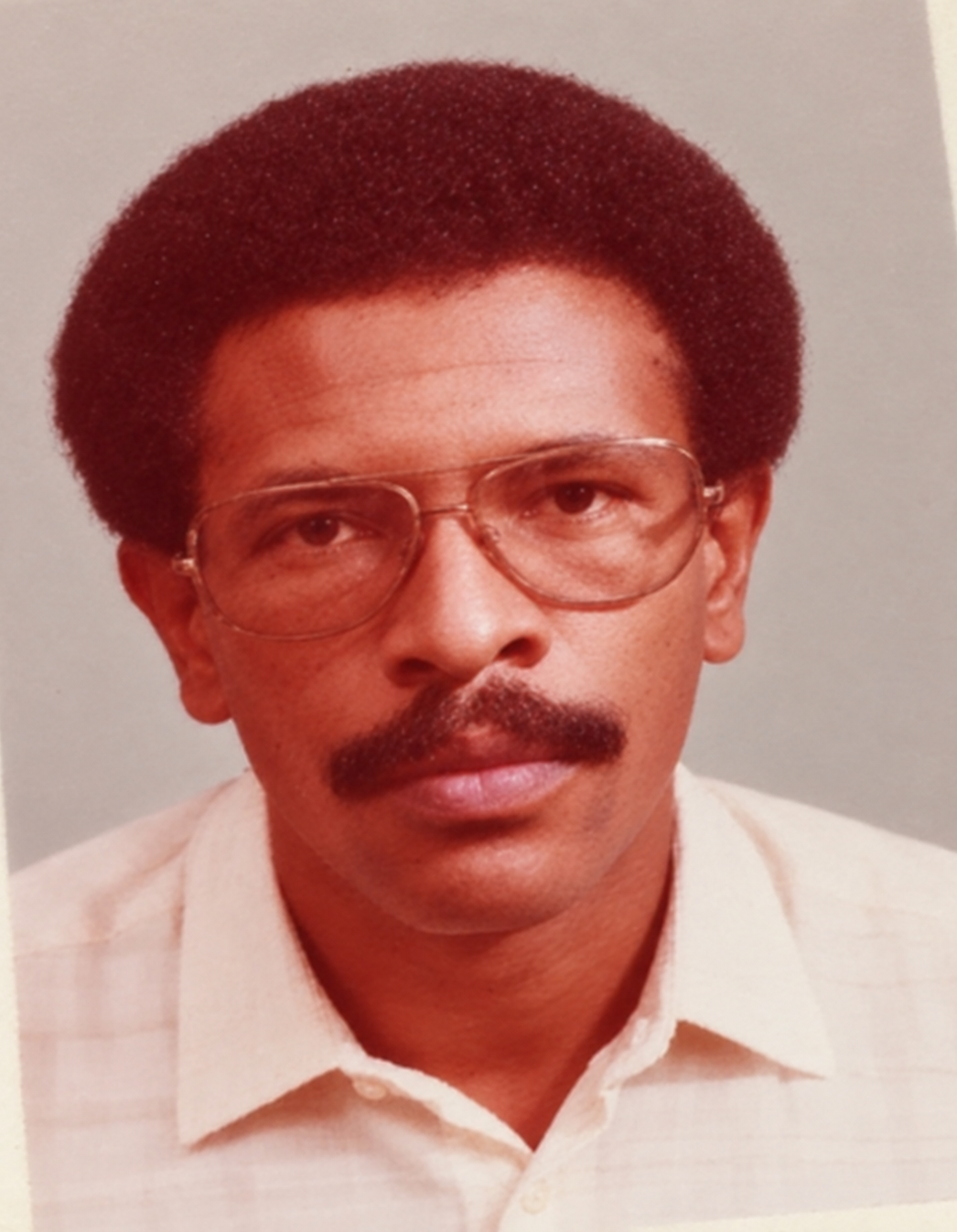
At the University of Khartoum, Dr. Abdelgadir Khalil Abdelgadir Bilal entered the field of Electrical Engineering, beginning a period of focused academic development. The university carried a strong academic tradition influenced by the British education system. He recalled that the structure of education at that time was entirely British in approach, with many lecturers and professors having graduated from institutions in the United Kingdom. This environment exposed him to a disciplined method of learning and encouraged a deeper understanding of his chosen field.
His decision to study electrical engineering was closely connected to the challenges Sudan was facing in power generation, distribution, and transmission. Even during his secondary school years, he had experienced power outages, and these moments stayed with him. Rather than seeing them only as difficulties, he viewed them as areas where solutions were needed. The idea of contributing to improvements in such essential systems became an important reason behind his choice of specialisation.
Within electrical engineering, Dr. Abdelgadir developed an interest in power systems. His studies allowed him to explore the technical side of electricity generation and distribution while building the foundation required for future professional responsibilities. The discipline demanded attention to detail, structured thinking, and the ability to approach complex problems carefully. These qualities became increasingly important as he moved from academic learning into practical work.
In 1988, Dr. Abdelgadir completed his Bachelor of Science (Honours) in Electrical Engineering from the University of Khartoum. Completing his education marked the end of one stage of preparation and opened the way toward applying his knowledge in real working environments. The engineering principles he learned during these years would later become the basis for his involvement in industrial projects, technical installations, and large-scale developments.
The transition from university into professional life came soon after graduation. At that time, projects supported by cooperation between the Dutch government and the Sudanese government created opportunities for young engineers to participate in important national assignments. Among these initiatives were power station projects in different areas of Sudan and the rehabilitation of the Central Foundry in Khartoum.
After submitting his application, Dr. Abdelgadir was selected to participate in these projects. His early professional exposure brought him into environments where engineering knowledge had to move beyond theory and become practical action. He became involved in power-related projects and later worked extensively on the Central Foundry project, an assignment that particularly interested him. The work required attention to technical requirements, coordination between different aspects of a project, and the ability to see solutions move from planning into execution.
His first professional years were built around learning how ideas become real systems. Engineering was not only about calculations, designs, or equipment; it was about finding solutions that could serve practical needs. The challenges he observed in Sudan, the education he received at the University of Khartoum, and the projects he joined after graduation all contributed to a growing understanding of responsibility.
“Knowledge proves its worth when it leaves the page, meets a real problem, and becomes something useful in another person’s world.”
Phase 3 : Where Engineering Became Real
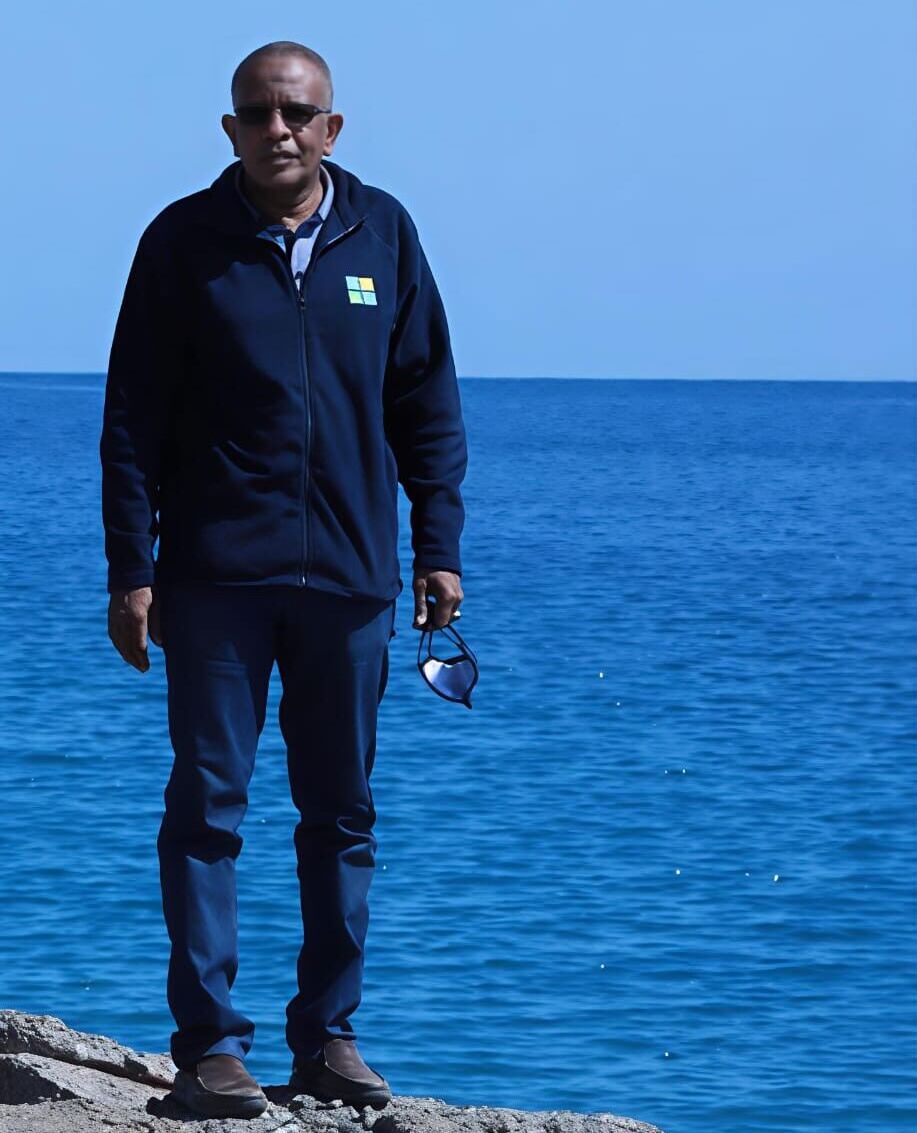
The early professional years of Dr. Abdelgadir Khalil Abdelgadir Bilal placed him in environments where an engineer could not remain at the level of theory. Equipment had to work, installations had to perform as intended, and technical problems demanded practical answers. Every assignment required him to bring technical knowledge into action, where careful decisions, coordination, and execution determined whether a project could succeed. It was here that he began learning what responsibility meant when the result was no longer measured by an examination, but by whether a project could actually function.
From 1989 to 1993, he worked as a Project Manager with Gemco Engineers, Netherlands. His assignments centred on foundry installations and the commissioning of induction furnaces across the region. Foundry work brought him close to the industrial processes involved in cast iron manufacturing, requiring him to understand the technical demands of installations, commissioning, and industrial operations. Now, however, his responsibility had become more direct. Projects required coordination, technical judgement, and careful attention during installation and commissioning.
The work also gave Dr. Abdelgadir experience beyond Sudan. His association with a Dutch company exposed him to an international professional setting, while his time in the Netherlands broadened the environment in which he worked. Birmingham became another important part of these years. He spent approximately a year and a half there, studying for a postgraduate diploma while continuing to work. Managing both responsibilities at the same time reflected something that had already become characteristic of him: learning did not have to wait until work stopped, and work did not have to bring learning to an end.
When he returned home, engineering remained at the centre of his professional life. There were different technical projects to handle, each requiring more than subject knowledge alone. As a project manager, he had to engage with the practical demands of execution and ensure that technical work moved from plans into completed installations. The variety of assignments strengthened his familiarity with industrial systems and the realities that accompany project delivery.
A new set of responsibilities followed between 1993 and 1996, when Dr. Abdelgadir served as Project Manager with Universal Power Projects. The work brought him directly into electrical infrastructure, an area closely connected with his original field of study. He designed and installed low and medium voltage power stations and managed electromechanical installations of generator sets with capacities reaching 3.5 MVA.
These were demanding technical assignments. Power installations required the different parts of a system to work together correctly, and the electromechanical nature of the projects meant that attention could not be confined to one discipline. His responsibility involved bringing together the requirements of installation and ensuring that the systems were put into operation as intended. The work allowed him to apply electrical engineering in a direct and tangible form.
There was another side to these years that says much about Dr. Abdelgadir’s relationship with work. During vacations, he did not always choose to stop working. Instead, he looked for smaller entities that could use his technical knowledge. He would undertake small projects independently, complete the required work, and earn additional income from what he knew how to do. In describing that habit, he made the point simply: when he had a vacation, he would find someone who needed his knowledge and work for them.
Note of Thanks
Gratitude, for Dr. Abdelgadir Khalil Abdelgadir Bilal, is closely connected to the people who have stood beside him, exchanged knowledge with him, and offered encouragement through the responsibilities he has carried over the years. This note is his opportunity to acknowledge that no meaningful body of work exists entirely through individual effort.
His deepest appreciation goes to his wife and son for their continued support. Through years filled with demanding professional commitments, changing responsibilities, and periods that required considerable attention to work, their presence has remained deeply valued. Their encouragement has accompanied him through both achievement and difficulty, and he recognises with gratitude the importance of having family beside him while carrying such responsibilities.
Dr. Abdelgadir also extends sincere appreciation to his colleague and professional partner, the CEO of HESSI Consulting Group. Their association has been strengthened by a continuous exchange of information, ideas, and professional experience. From business and management matters to the discussion of new ideas, they have remained available to support one another. Dr. Abdelgadir particularly values the openness of this relationship and the willingness on both sides to share knowledge whenever it can be useful.
His appreciation also reaches the many colleagues and professionals with whom he has worked throughout his career. Different assignments brought him into contact with people from varied professional and cultural backgrounds, and each working relationship offered opportunities to exchange experience, solve problems, and learn from one another.
For Dr. Abdelgadir, appreciation is expressed most meaningfully by recognising the value people bring into one another’s lives. To those who have offered their support, shared their knowledge, worked beside him, and contributed through genuine professional cooperation, he offers his sincere and lasting thanks.
thanks,
– Dr. (H.C.) Abdelgadir Khalil Abdelgadir Bilal

AIMLAY is a leading global education platform empowering ACADEMIC and EXPERIENTIAL learners, uniquely focused on recognizing knowledge gained through experience and building a diversified community of doctorates and aspiring researchers.