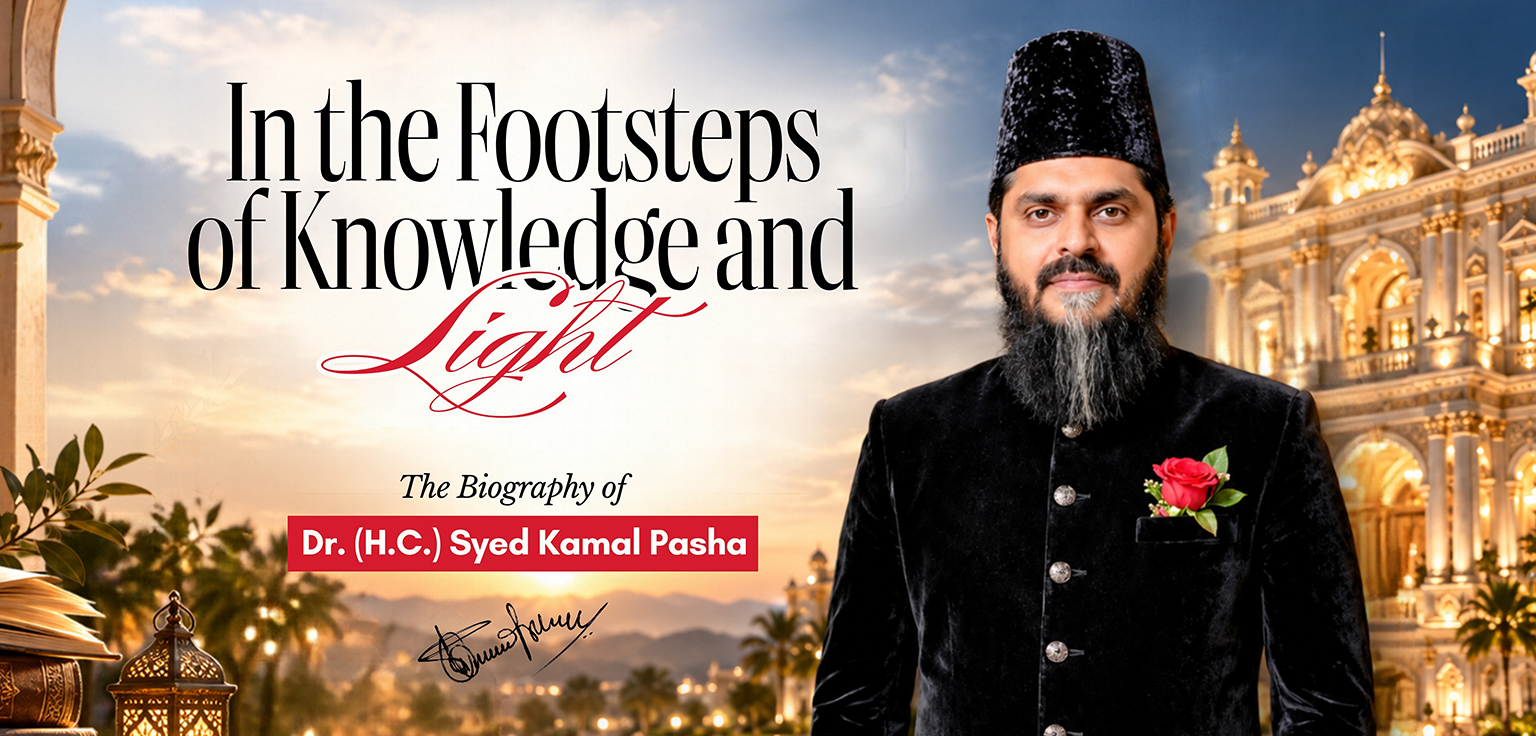
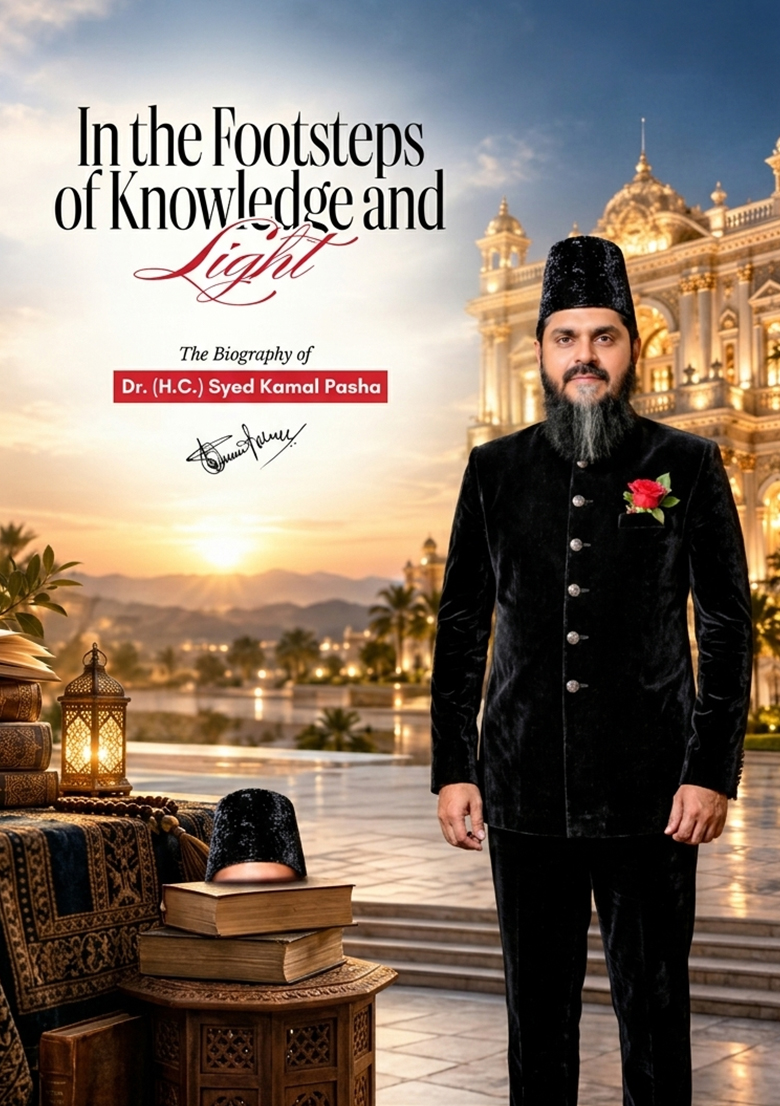
"The world becomes smaller for those who dare to navigate it with purpose and integrity."
Introduction
Dr. Syed Kamal Pasha’s life is a tapestry of bravery, intelligence, discipline, and an unending love of learning. It’s the story of a man who travelled across continents, adapted to new worlds, took on new responsibilities, and changed with the times, but never lost the values he learnt from his amazing parents. His journey is like that of a quiet achiever: a man who never wanted to be in the spotlight but whose honesty, strength, and dedication to excellence shone through in every role he took on.
Dr. Pasha was born in Tamil Nadu and grew up in Bengaluru and Tumkur. He grew up in a home with a clear purpose. His parents were well-respected doctors who worked in Tamilnadu and Bengaluru and taught him to value service, compassion, and knowledge. Their clinic was more than just a place to work; it was a place of healing where hundreds of people found comfort in the gentle care of two doctors who practised medicine with humility and grace. These early experiences had a lasting effect on Dr. Pasha, shaping the moral foundation on which he would build the rest of his life.
His time in school in Tumkur opened up yet another door: the world of languages. His father, a well-known scholar of Arabic and Persian, taught him how to speak Urdu and Persian naturally from a young age. This talent quickly grew into something great. As a schoolboy, he stood on public platforms to win district-level awards for Urdu speech and writing, showing that words have power when they are spoken with sincerity. These early awards gave him the confidence he needed to later navigate global settings, communicate across cultures, and eventually build a second identity as a writer, editor, and researcher.
Dr. Pasha became an adult with a clear mind and big goals after getting a diploma in Mechanical Engineering. But fate had bigger plans. In 1990, he moved to Saudi Arabia and entered a world he had never seen before. The Desert Storm War was one of the hardest times in the Gulf when he first started working. The young engineer had to work in very hot deserts, fixing military generators in very bad weather, wearing protective masks, and living in a place where everyone was scared, tense, and unsure of what would happen next. Those months pushed him to his limits, both physically and mentally. They made him stronger mentally and made him more thankful for life. It was an unforgettable way to get started in the world.
His career became more focused and mature after the war years. He worked in Jeddah for almost 13 years (1990-2002) which helped him improve his technical, operational, and people-management skills. But Dr. Pasha was never a man who was happy with what he had. He was so eager to learn that he got a Master’s degree in Urdu through the mail. This shows how disciplined he was at a time when letters were sent by mail, assignments crossed borders in envelopes, and there was no digital support to help people get things done. This accomplishment solidified his dual identity: a professional grounded in engineering and industry, and an academic anchored in language, literature, and human cognition.
In 2003, he started working in Dubai in global commodity trading, supply chains, and trade finance. This was the most important moment in his career. It was a field that required a lot of knowledge about international banking systems, as well as strategy and accuracy. But once more, he accepted the challenge with humility and a desire to learn. Dr. Pasha learnt all about letters of credit, documentary credit systems, standby LCs, bank guarantees, shipping procurement, chartering vessels, and operational execution from his boss, whom he sees as both a mentor and a brother. His responsibilities grew quickly, and he ended up at the centre of major global operations that provided basic needs to UN agencies, African governments, and conflict-affected regions.
"A strong life begins with quiet lessons, values whispered at home, discipline learnt in silence, and dreams planted long before we understand them."
Phase 1: Born Into Healing, The House Where Values Were Medicine
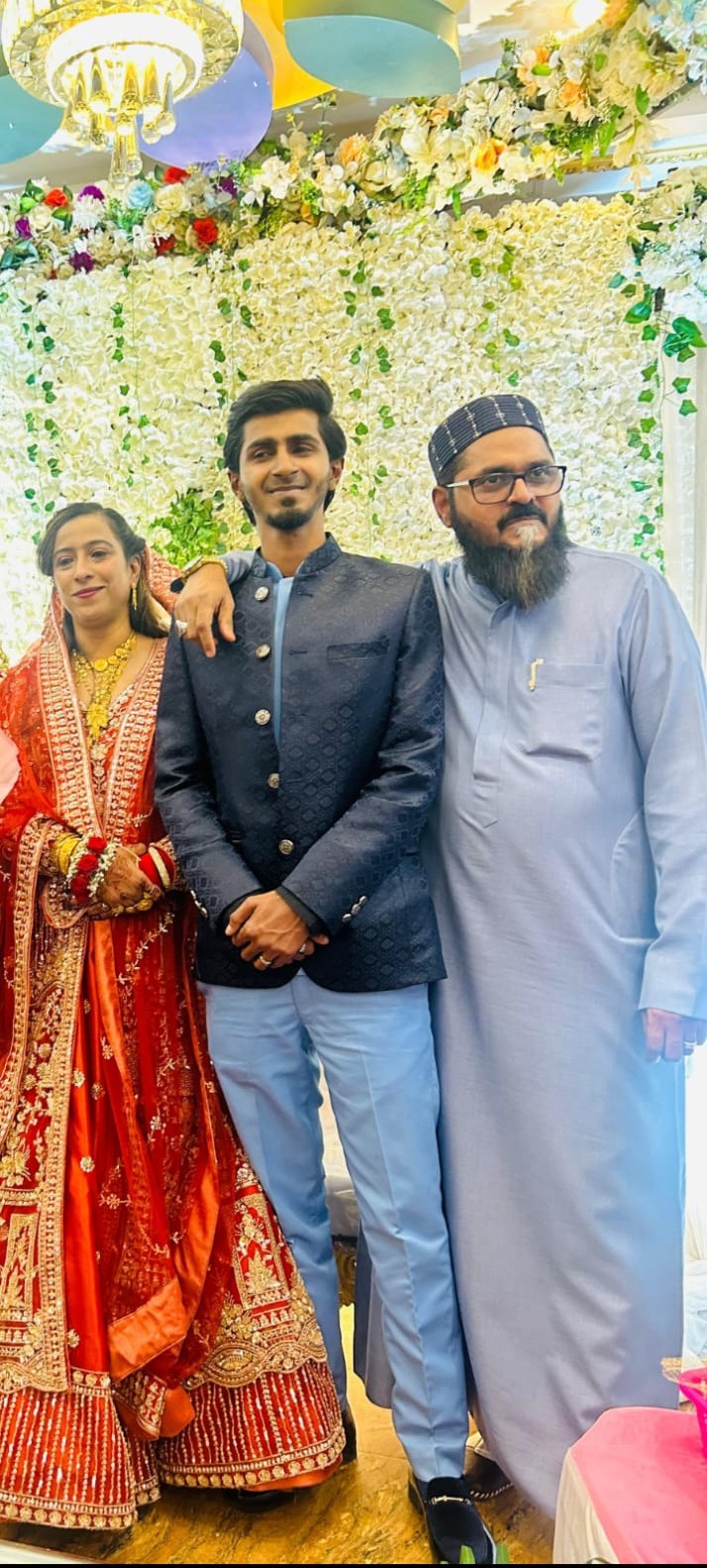
Every extraordinary life has an unseen start, a quiet place where values, observations, and early memories begin to shape the person who will one day stand in front of the world. For Dr. Syed Kamal Pasha, that beginning was more than just a place where he was born; it was a living classroom and a safe space created by his two amazing parents. The lessons they taught him through their work as respected doctors and their gentle strength stuck with him long before he understood what they meant. His story begins in the peaceful rhythms of Tamil Nadu, where he was born in 1968. It then moves to Bengaluru, a city with a lot of culture, where the family moved soon after. But the most important thing about his early life wasn’t where he lived; it was the love, discipline, and kindness that filled his home.
His parents were more than just doctors. They were true healers, people whose work changed the lives of many people in Tamilnadu and Bengaluru. People knew his mother was a great gynaecologist, and she was known for being very skilled and caring. Families told her their deepest fears and greatest joys, and her clinic was always a place where medicine and human emotion were both present. His father was a doctor, but he was also a scholar of Persian and Arabic, and he taught both science and literature with the same respect. This had a big impact on young Kamal. It’s not common to find a home where intelligence flows through so many areas, like medicine, languages, spiritual insight, and academic discipline. Dr. Pasha was lucky to have grown up in a place like this.
He remembers seeing his parents serve others from the time he was very young. His father’s calm confidence and his mother’s never-ending energy showed him what dedication should look like. Their days often went on for a long time after the usual working hours, but he rarely heard them complain. Instead, they served with honesty and humility, which touched his heart deeply. As a child, he saw patients come to his house at strange times, some with urgent needs and some with nothing but hope. His parents always helped. The quiet sacrifices he saw became the unspoken language of his childhood. He didn’t know much about medicine yet, but he did know how to be kind. He knew what it meant to be responsible. He knew that kindness should always be a part of one’s purpose in life.
When the family moved to Bengaluru, they had more chances to go to school and work, but the way things worked in the house stayed the same. It was a disciplined place, with rules, values, and a clear sense of right and wrong. There was always a focus on honesty, humility, and learning. His parents made sure that education was the most important thing in their son’s life, even though they were very busy. Not just schoolwork, but also the kind of education that shapes a person’s character: respect for others, discipline in everyday life, and integrity in work.
Kamal took in everything around him when he was a young boy. He heard his father read Persian verses, explain what they meant, and turn his thoughts into Urdu. He saw his mother help families, encourage young women, and support patients through tough pregnancies. These moments weren’t just one-time events; they were the building blocks of his emotional intelligence. Years later, when he was in charge of trade finance teams or dealing with problems in global operations, the stability, empathy, and calm clarity he learnt as a child would shape his leadership style.
"When passion meets purpose in childhood, the world starts preparing a destiny the child cannot yet imagine."
Phase 2 : The Young Linguist, Finding Your Voice, Words, and Winning Stages
Every child finds a gift at some point in their early life, but very few understand how powerful it is when they are still young. For Dr. Syed Kamal Pasha, that gift came to him slowly and almost without effort through the rhythm of languages, the beauty of Urdu, and the confidence that came from being able to express his thoughts clearly and gracefully. Phase 1 of his life built his moral foundation. This phase shaped his intellectual identity, which was based on words, stories, articulation, and the amazing ability to understand and use language as both a tool and an art form.
When the family moved to Tumkur for good, life started to change in new ways. Tumkur wasn’t loud or busy; it had a slower pace that let young minds see the world in more detail. This smaller town was a better place to live than Bengaluru, where the pace of life was faster. Here, values, discipline, and community ties were stronger than distractions. For Kamal, this change brought stability, routine, and a stronger connection to learning.
It was in the quiet hallways of his school that his language skills began to shine. His father’s knowledge of Persian and Arabic had already gotten into his head when he was young, but now, with structured schooling and regular exposure, those seeds began to grow. He learnt languages as if he had known them forever, while other kids had trouble remembering words. Urdu, in particular, became the language that spoke to his heart. The script, poetry, emotion, and beauty of it all spoke to him in ways that no one could fully explain.
By the time he was in seventh grade, his teachers had already noticed something unusual about him. He was calm, observant, and able to speak clearly. He could also express himself in a way that was much more mature than his age. He didn’t just talk to answer a question; he talked to get his point across. Words didn’t just come out of his mouth; they had structure, meaning, and thought behind them.
His teachers encouraged him to take part in a district-level Urdu speech competition. It was his first big chance to speak in front of a lot of people, students, teachers, and evaluators who were all waiting for him. Most kids would have been scared, but he felt something else. When he stepped onto the stage, he didn’t feel fear; instead, he felt calm and sure of himself. He spoke clearly and with feeling, as if it were second nature to him. The audience could tell that he meant what he said. It was clear by the end of his speech that he had made a lasting impression.
Winning the district award for Best Urdu Speaker in seventh standard was a turning point for him. It wasn’t just because he got the award; it was because it made him realise something he hadn’t yet realised: he had a voice, and it mattered.
"Education shapes the mind, but discipline shapes the man."
Phase 3 : Engineering Aspirations, Building the First Structure of His Future
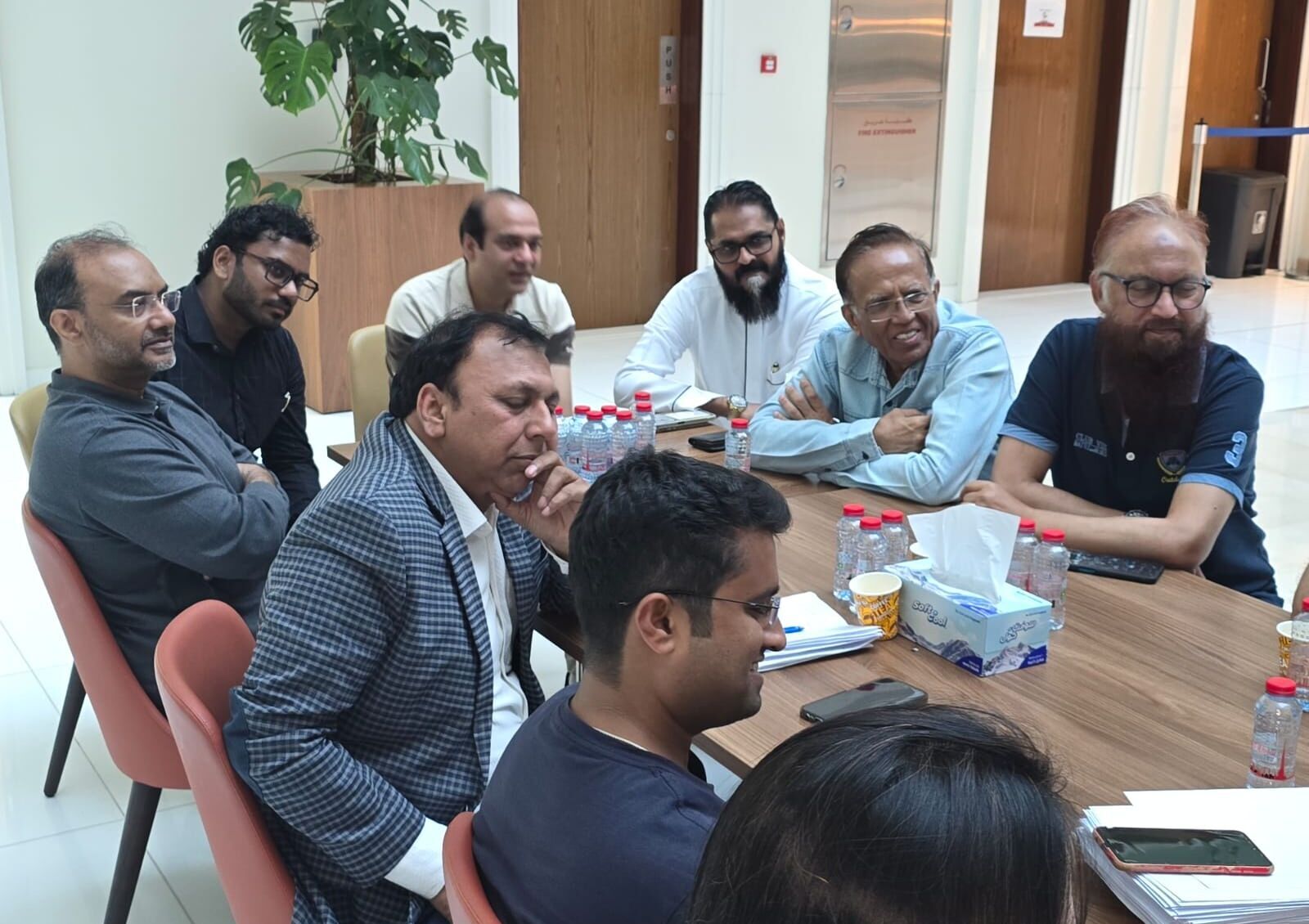
Life has certain stages when the world starts to show its practical side. For example, when a child’s brilliance must meet real-world responsibility and the ideals of learning must become action. This was the time for Dr. Syed Kamal Pasha to enter the strict world of engineering. It was a big change for me to choose mechanical engineering after growing up around medicine, scholarship, and language skills. But it was a choice that made sense to him because his mind was logical, organised, curious, and very interested in how things work.
India was going through a wave of interest in technology by the late 1980s. Engineering was becoming a way to get a stable job, and for a young man like Kamal, who was disciplined, observant, and eager to build something meaningful, this was the next step. He still loved languages and literature deeply, but he also knew that getting a technical education was important for making sure he had a safe and flexible future. And so began his journey through the hard but rewarding halls of mechanical engineering.
His time in the diploma programme changed his life. In school, his language skills made him stand out right away, but in engineering, he had to be good at something else. Machines didn’t care about feelings, and equations didn’t care about how beautiful language was. This was a world ruled by maths, physics, and practical application. But it was this difference that made his evolution beautiful. It taught him how to keep his balance.
Mechanical engineering taught him how to solve problems in a structured way by making sense of parts, breaking down systems, and thinking methodically about problems. He learnt patience through his studies, because engineering doesn’t often pay off quickly. Not every experiment worked the first time, which taught him resilience. It taught him how to work with others, since projects needed teamwork and planning. And most importantly, it taught him discipline, which would be the key to his later success in international business and trade.
He was drawn to the practical side of learning during the workshop sessions, where machines hummed and iron clashed with iron. He liked taking apart mechanical parts, looking at how they were built, and figuring out how motion, pressure, and force worked together to make things work. He asked questions without thinking twice and stayed after class to clear up even the smallest doubts. His teachers liked how dedicated he was; he never settled for just knowing the basics. He needed to know why something worked if it did. He needed to know why something didn’t work.
This intellectual curiosity, which was so clear in his early mastery of languages, now extended to machines and buildings. His mind, which had been trained in the art of expression, now learnt the rules of technical logic. Even though the two skills were very different, they made him into a man who could handle many different professional identities.
He was still the same down-to-earth young man outside of school. His upbringing in a home where discipline and service were important still guided what he did. He balanced his schoolwork with his family, household chores, and personal learning styles. Engineering didn’t make him less interested in literature either. He still read Urdu books, wrote poetry, and did reflective writing at home. He even made time to keep this creative connection going during tests, which helped him stay mentally and emotionally healthy.
Note of Thanks
From the depth of his heart, Dr. Syed Kamal Pasha expresses profound gratitude to every person who has shaped, guided, and strengthened his journey across the decades. He believes that no accomplishment in his life has ever been his alone; it is the result of countless hands, voices, prayers, and blessings that have carried him forward with grace. He offers his first and deepest thanks to his beloved parents, whose discipline, compassion, faith, and love for learning became the foundation upon which his entire life was built. The values they instilled in him became the compass that guided every decision and every milestone.
He extends heartfelt appreciation to his wife and children, who have been his emotional anchor through years of hard work, geographical distance, and professional demands. Their patience, sacrifices, and quiet strength gave him the courage to continue growing without fear.
He also expresses sincere gratitude to his mentors, teachers, colleagues, and friends, individuals who believed in his abilities, opened doors of opportunity, and stood beside him during moments of uncertainty, complexity, and transition. Their trust became his motivation, and their support became his steady shield.
Above all, he bows his head in humility and devotion to the Almighty, whose mercy illuminated every step of his journey, protected him through the hardest phases of life, and blessed him with the wisdom to transform challenges into growth.
This biography, he believes, is not the celebration of one life, but a tribute to every soul who contributed to his purpose, progress, and peace.
thanks,
– Dr. (H.C.) Syed Kamal Pasha

AIMLAY is a leading global education platform empowering ACADEMIC and EXPERIENTIAL learners, uniquely focused on recognizing knowledge gained through experience and building a diversified community of doctorates and aspiring researchers.