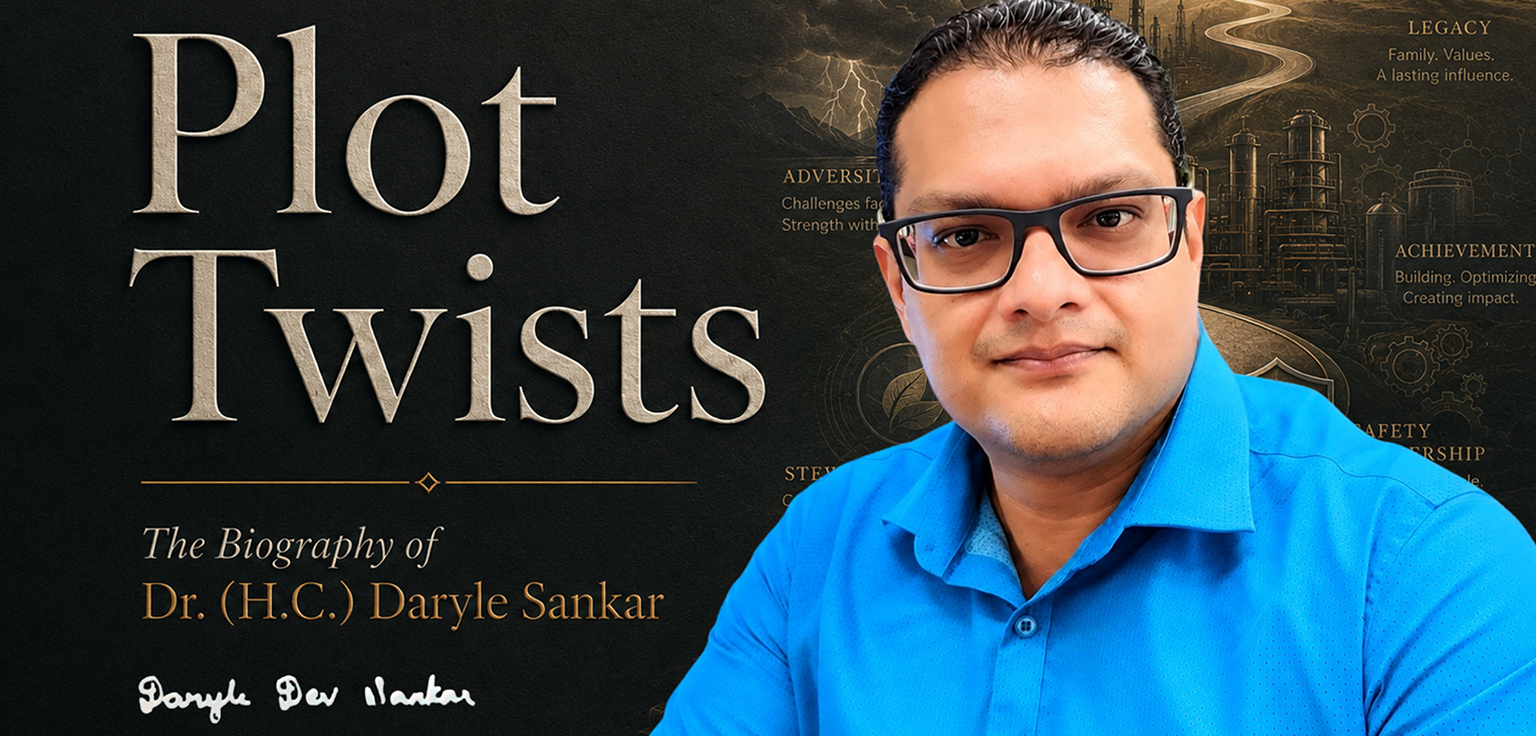
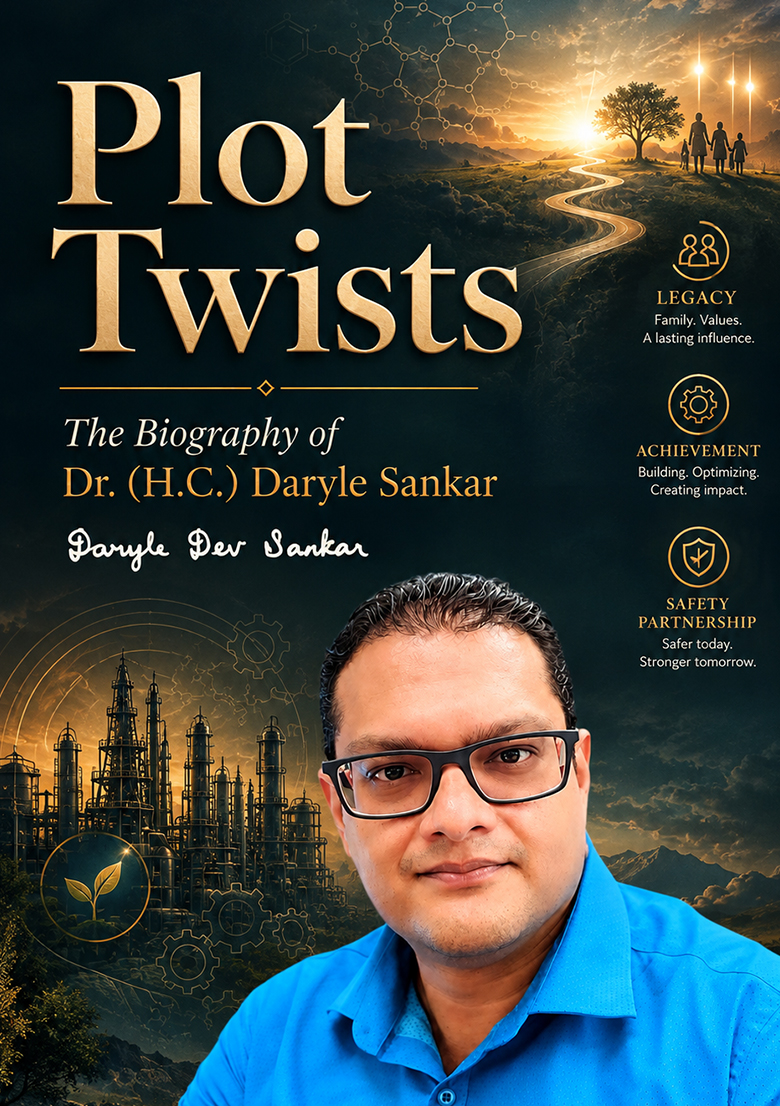
“You have to know what people will need before they even know they need it. That is how you stay ready for what comes next.”
Introduction
The story of Dr. Daryle Sankar begins in St. Joseph, Trinidad and Tobago, where he was born on 7 April 1983 and raised as an only child in a close household. His early years were shaped by hard work, responsibility, and firm expectations. On his mother’s side, farming and teaching formed part of the family background. At home, the lessons were direct. His parents expected him to study seriously, complete his responsibilities, and understand that effort had consequences.
As a child, Dr. Daryle quickly realised that farming was not for him. Cricket and basketball interested him far more, especially cricket, which became an important part of his school life. Education, however, remained the standard around which everything else had to fit.
Computer studies became important during a time when he did not have a computer at home and had to wait at school for limited access. His father took on a second job so that he could have one. Dr. Daryle understood the sacrifice and responded by applying himself. At O Levels, he earned distinctions, received school awards in Mathematics and Physics, and achieved one of the best Physics marks in the Caribbean. He also performed well in Spanish and benefited from teachers who encouraged discipline and maturity.
After Form 6, where he studied Mathematics, Physics and Chemistry, he entered university to pursue Mechanical Engineering. Within a month, he realised it was not the right fit and changed to Chemical and Process Engineering. At The University of the West Indies, study was only one part of his routine. His parents operated a small cooking oil distribution business from home, and he regularly helped with packing and deliveries, sometimes leaving university around lunchtime to complete a job before returning to class. He understood that the business mattered to his family.
University also strengthened his sense of financial responsibility. He received a scholarship and tuition grant from the Society of Petroleum Engineers, but his father still encouraged him to take a student loan as a lesson in accountability. He completed his Bachelor of Science in Chemical and Process Engineering in 2005 with Second Class Honours, Lower Division, carrying into adulthood a belief that responsibility had to be practised.
Professional life began with technical and environmental work, but only months into his first job, Dr. Daryle was diagnosed with cancer at twenty two. What followed included two surgeries, six months of intensive chemotherapy, physical weakness, hospital stays, and uncertainty about survival. He tried to resign, but his employer refused to let illness end his place in the company and found ways for him to remain connected to work. His parents stayed close, friends visited, and the young woman who would later become his first wife travelled long distances while studying medicine simply to spend time with him.
Surviving that period changed his understanding of time. He returned to work and moved through environmental consultancy, oil and gas, manufacturing, health and safety leadership, regional responsibilities, and business consulting. Along the way, he completed a Master of Science in Safety, Risk and Reliability Engineering from Heriot Watt University, choosing to fund the programme himself while continuing to work.
“If you know where you came from, you know exactly where you are and you know where you’ll be going.”
Phase 1: The Home That Set the Standard
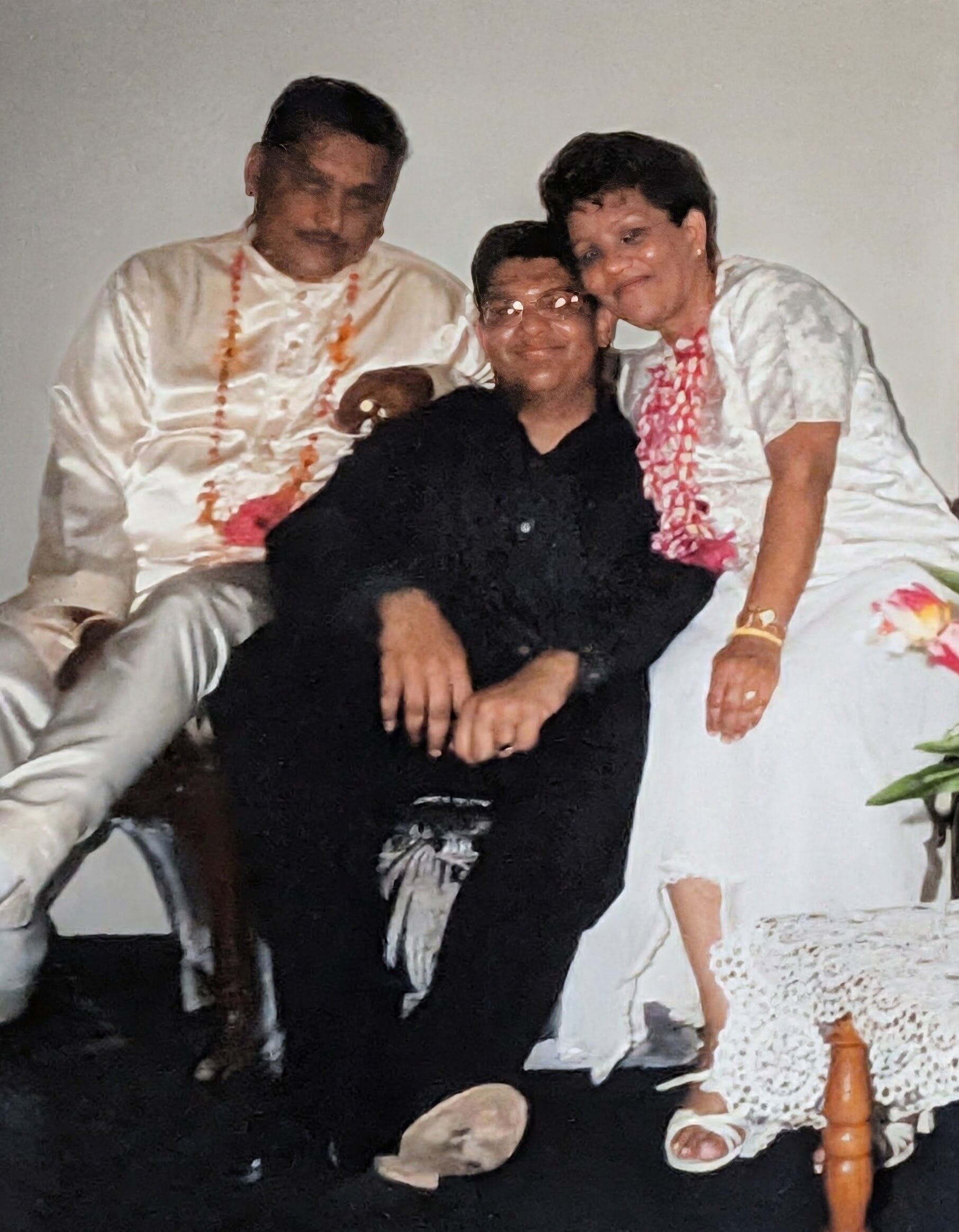
For Dr. Daryle, understanding the person he became begins with understanding the home in which he grew up. He was an only child, but his parents never allowed that position to become an excuse for indulgence. Karma Sankar and Elizabeth Sankar were hardworking people who placed clear expectations before their son from an early age. Doing the right thing mattered. Learning to control his temper mattered. Taking responsibility mattered. These were not occasional lessons brought out when something went wrong. They were part of everyday life.
His maternal family offered its own picture of work and perseverance. Farming and teaching were familiar occupations among his relatives. His grandfather worked as a dental technician, while his grandmother worked at the Ministry of Works. His mother initially worked in a ministry office before being laid off, after which she also turned to farming. Around Dr. Daryle, people adjusted to circumstances and continued doing what needed to be done.
He understood one thing about himself quite early: farming was not for him. Spending long hours gardening in the sun held little appeal. Cricket and basketball were another matter entirely. He enjoyed both, especially cricket, and these interests gave childhood some of its lighter moments. Still, recreation was never permitted to displace education. At home, the order of priorities was made memorable for him: books came first, girls came second, and cricket came third.
Elizabeth Sankar took an active role in his studies. She sat with him, worked through his schoolwork with him, and remained closely involved in his learning. His father approached the same responsibility from a different direction. Expectations were high, and Dr. Daryle knew that simply doing enough would not satisfy them. The combination of his mother’s patient involvement and his father’s firm standards gave him little room to become casual about his education.
The results were striking. Throughout primary school, he placed first every term. Success became familiar, but it did not earn him freedom from responsibility at home. Good grades were one part of growing up. Knowing how to take care of himself and contribute to a household was another.
When he was younger, Dr. Daryle would accompany his parents to the market. Around the age of eight, his father changed the arrangement. Instead of going along, he would remain at home with work to complete. While Saturday morning could easily have meant sleeping later or watching cartoons, his instructions were different. The beds had to be made and the house had to be swept before his parents returned.
As the years passed, the responsibilities grew with him. Making beds and sweeping were gradually joined by cleaning furniture, wiping doors, and cleaning windows. His father did not hand him every responsibility at once. He added them as his son became capable of handling more. In doing so, he was quietly teaching him that growing older should also mean becoming more useful, more capable, and more accountable.
“When you see your parents putting out that kind of effort to support you, you want to do well, not only for yourself, but to make them proud as well.”
Phase 2 : When Cricket Had to Wait
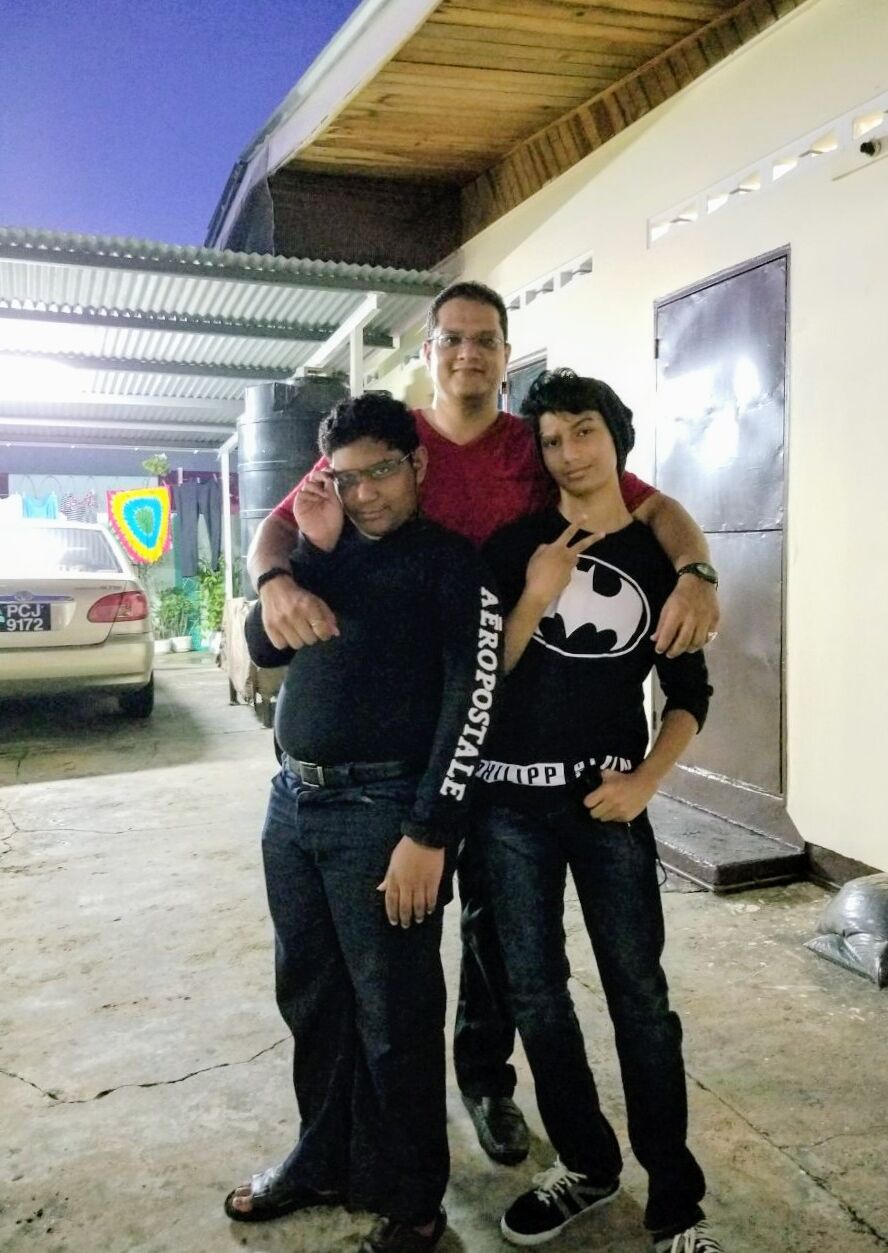
Secondary school brought Dr. Daryle into a very different academic environment. The certainty he had known during his earlier school years gave way to stronger competition, new distractions, and the everyday realities of adolescence. He attended an all male secondary school where the atmosphere could be demanding. There were friendships, disagreements, after school lessons, academic pressure, and the energy that naturally came with teenage life. He remained a strong student, regularly placing among the top five or top ten in his class, but he was no longer operating in an environment where academic success came without competing interests.
Cricket had become one of those interests. Dr. Daryle enjoyed the game and played alongside young men who would later become widely known in the sport. He belonged to that same school era, although he remained uncertain about how far that path might have taken him. For a time, cricket existed comfortably beside his studies. By Form 3, however, his father recognised that his attention needed to become more focused. Being among the better students was not considered enough if he was capable of doing more.
That conversation forced Dr. Daryle to make an early choice between something he enjoyed and something he believed required greater attention. He stopped playing cricket and placed more of his energy into academics. It was not a dramatic rejection of the sport. He simply understood that there was a point at which priorities had to become clearer. The decision reflected a growing ability to look beyond immediate enjoyment and consider what would matter later.
Teachers also became important during this transition. Some offered more than lessons from a syllabus. One teacher who taught Physics and Computer Science was still relatively young and understood the difficult space between adolescence and adulthood. She encouraged students to begin thinking differently, not merely as teenagers completing assignments, but as young adults becoming responsible for their own direction. That guidance arrived at a useful time for Dr. Daryle, who was already beginning to understand that maturity involved more than academic performance.
His Spanish teacher had a similarly lasting influence. Even after she stopped teaching at his high school, he continued taking lessons with her. She remained encouraging, particularly when studies became difficult, and her support helped him perform strongly in Spanish. These relationships gave him teachers who did not simply measure whether he could answer an examination question. They encouraged persistence and helped him recognise what he was capable of achieving when he remained committed.
Computer Studies presented another challenge altogether. At the time, students were learning programming through QBasic, and access to computers was limited. Dr. Daryle did not have one at home. To complete school related work, he sometimes remained after classes and waited in line simply to receive approximately thirty minutes of computer access. The waiting itself could extend his school day considerably.
When his father saw what was happening, he responded practically. He took on a second job so that his son could have a computer at home. The decision carried weight for Dr. Daryle because he understood what had been required to make it possible. Having the computer was therefore never treated casually. His father made it clear that the machine was intended primarily for schoolwork. There were occasional quiet moments with Solitaire or Street Fighter on weekends, but the larger purpose remained clear. Someone had worked additional hours so that he would have the tools necessary to learn, and he felt responsible for making that effort worthwhile.
“It was always a hustle, but nothing was ever regretted.”
Phase 3 : A Student Loan His Father Could Have Paid

Entering The University of the West Indies marked a significant shift for Dr. Daryle. He had already chosen Chemical and Process Engineering as the field that felt right for him, but university life soon became about much more than lectures, assignments, and examinations. It was a period in which academic progress became closely connected with financial responsibility, family contribution, and the growing expectation that he would begin taking ownership of his future.
His parents remained supportive throughout those years, but support in his family was never designed to remove responsibility from him. His father had been saving money for his university education and was prepared to meet the cost. Yet rather than simply paying everything on his behalf, Karma Sankar proposed something very different. He wanted his son to take a student loan. The reasoning was not based on an inability to provide the money. It was intended to teach him accountability. Once the degree was completed, Dr. Daryle would have a year to find employment before repayments began. His father agreed to stand as security for the loan and assured him that if circumstances prevented him from finding work, he would step in. Until then, the responsibility belonged to his son.
For Dr. Daryle, the arrangement became another practical lesson in adulthood. University was not simply something being provided for him. It was an investment he would eventually have to repay. His father also viewed the loan as a way of helping him establish financial responsibility and begin building his life with an understanding of credit and commitment. The message was consistent with everything he had been taught before. Support would always be available, but he was expected to carry what he was capable of carrying himself.
His academic efforts also brought recognition. During university, he received an award and monetary tuition grant from the Society of Petroleum Engineers. The scholarship provided meaningful assistance and affirmed the work he was putting into his studies. It did not, however, turn his university experience into a sheltered academic routine. Away from campus, another responsibility was waiting for him.
His parents had developed a small business from home distributing cooking oil to supermarkets and local vendors who prepared street food. By this stage, his mother was no longer working outside the home, and the income from the business was important to her. Dr. Daryle understood what that meant. He had watched the time his mother had invested in him throughout his earlier years, and now he saw an opportunity to give something back through his own time and effort.
While many university students could finish classes and move directly into social activities, his days often followed a different rhythm. He returned home because there was work to be done. Kegs of cooking oil had to be packed into the car and transported to customers in different parts of Trinidad and Tobago. There were occasions when he would leave university around lunchtime, go home, complete a delivery, and then make his way back to campus.
The routine could be demanding, but Dr. Daryle did not regard it with resentment. He understood where the money was going and why the business mattered. Helping his family was not separate from university life. It became part of the same period of growth. He was studying engineering while also learning how adult responsibilities compete for the same hours in a day. There would not always be a convenient distinction between education, family, work, and personal time.
Note of Thanks
Throughout the many seasons of Dr. Daryle’s life, his gratitude remains with the people whose presence helped him to learn, recover, grow and keep moving forward. Some entered his life through education, others through friendship and work, yet each contributed something valuable to the person and professional he became.
He remains appreciative of the teachers (Ms. Indumatie Toolsie, Ms. Tricia Ramlochan, Ms. Elizabeth Ramnath) who recognised his potential during his formative years and encouraged him when academic demands became difficult. Their mentorship helped him gain confidence in his abilities and approach the responsibilities of adulthood with a more serious attitude. That same appreciation translates to the professionals who later trusted him with opportunities to learn outside of the classroom and grow through hands-on experience.
A special note of thanks goes to Dr. George K. Sammy, whose encouragement and professional support were always meaningful even when Dr. Daryle chose to pursue further education independently. He is equally thankful for the colleagues and leaders (Mr. Dave Ramkissoon, Mr. Patricio Torres) who challenged his thinking throughout his career. The confidence, the expectations, the desire to stretch him beyond what he had already achieved all served to reinforce his belief in the idea that professional development should never stop at good enough.
His gratitude also reaches his longstanding friends, including Dr. Dinesh Anmolsingh, Dr. Rudra Beharrysingh, and Dr. David Narinesingh, whose friendship has remained part of his life across changing years and responsibilities. Dr. Daryle is sincerely grateful to all friends, colleagues, mentors, teachers and well wishers who have encouraged him, taught him, been his companions or simply stood by him during difficult times. Their contributions have been an important part of a journey he has never considered his alone.
thanks,
– Dr. (H.C.) Daryle Sanka