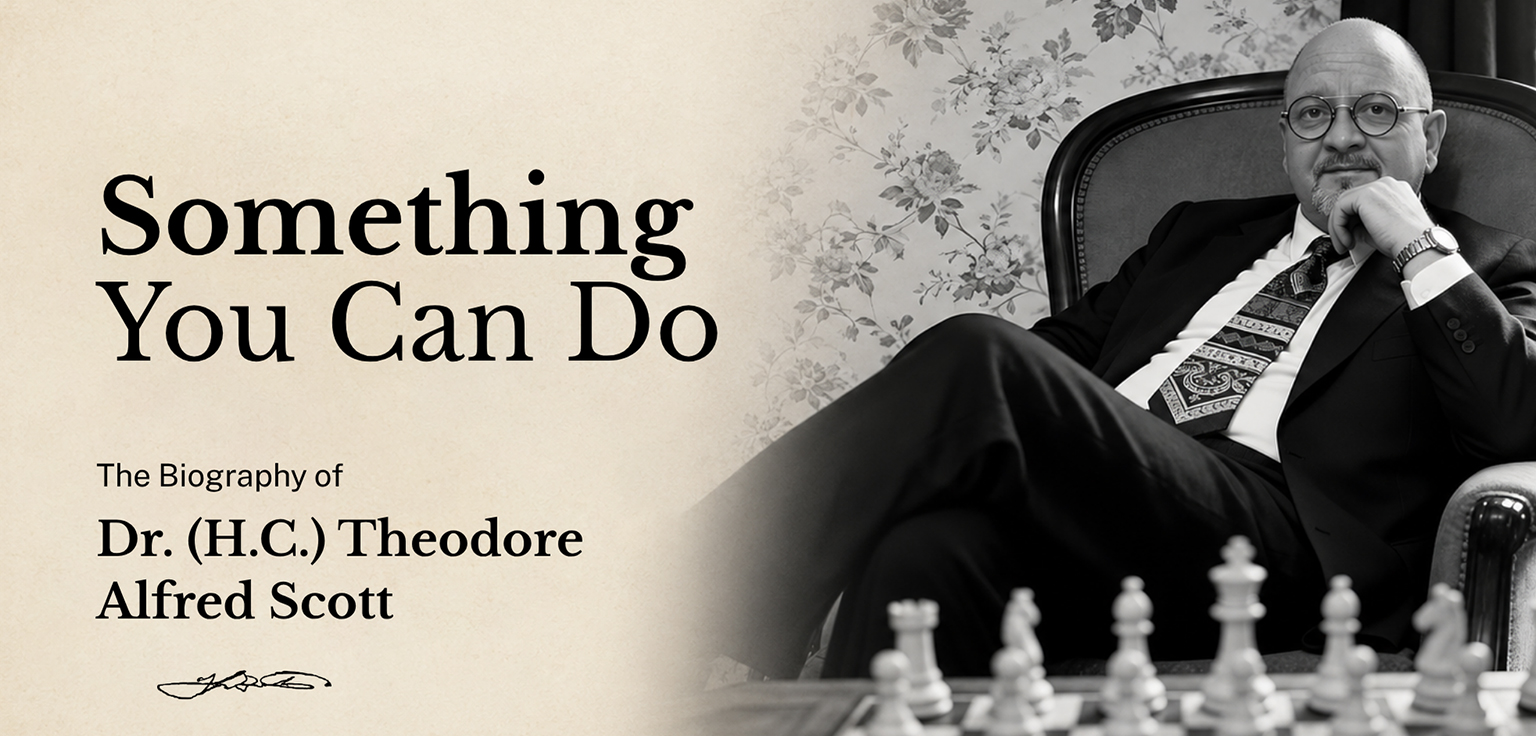
"There is always something you can do. Sometimes it begins with listening, sometimes with patience, and sometimes with one quiet act of care, but even the smallest effort can become the first step toward someone’s betterment."
Introduction
The life of Dr. Theodore Alfred Scott cannot be understood through one profession alone. His journey has moved through ministry, counselling, education, human services, trade work, business operations, funeral service, community outreach, and personal mentorship, yet each path has carried the same inner purpose. He has always been drawn toward people, especially toward situations where patience, structure, compassion, and practical help were needed. His story is not shaped by titles alone, but by the steady way he learned to respond when life placed human need before him.
Born in Blacks Harbour, New Brunswick, and raised in St. Stephen, Dr. Theodore grew up in surroundings where work, community, and family responsibility were part of everyday life. His early world was close to water, land, music, art, and small town relationships. He spent his childhood learning from the outdoors, from older people who carried stories, from a sports oriented and blue collar environment, and from the nearby cultural setting of St. Andrews. These places gave him more than memories. They gave him observation, curiosity, creativity, and a sense that every person had something to teach.
His family became the first real school of his character. He grew up seeing life’s challenges not as reasons to withdraw, but as invitations to understand people more deeply. His father lived with the effects of polio, and his brother had special needs that required the family to learn with patience and care. His mother operated a nursing home where care often felt personal, familiar, and close to the heart. In that environment, Dr. Theodore learned to sit with people, listen to them, help with ordinary tasks, and respect the quiet dignity of ageing, illness, and difference. These early experiences shaped the way he later saw the world. He did not learn compassion as a theory. He learned it across kitchen tables, nursing home visits, family duties, community moments, and conversations with people whose lives carried both hardship and wisdom.
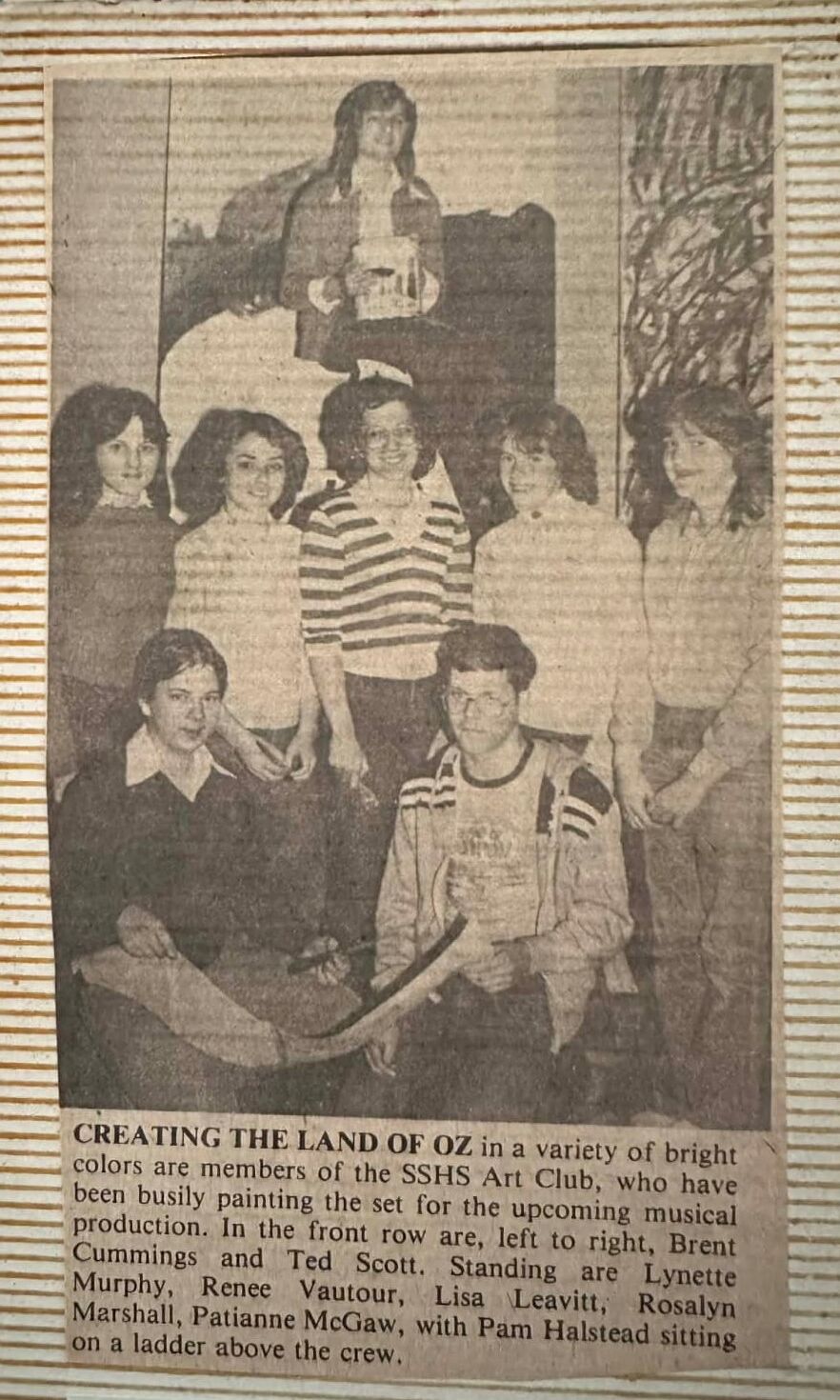
Creativity also formed an important part of his early identity. From a young age, he was involved in art and music, painting signs and windows, performing with local bands, and using creative ability wherever life gave him room. Later, these gifts became useful in church settings, community events, ministry programs, and productions. His artistic and musical nature did not remain separate from his service. It became part of how he connected with people, created interest, brought energy into gatherings, and encouraged participation.
His formal path into service grew through theological training at NE Christian College, followed by pastoral and church work in varied community settings. As an assistant and associate pastor, he helped organise weekly services, publications, visitation, youth activities, children’s ministry, and events for people of different ages and interests. He brought practical effort and imagination into church life, helping increase involvement in youth and children’s services and expanding community interest through special programs. For Dr. Theodore, ministry was never only about speaking from a platform. It was about showing up, building trust, meeting families, encouraging young people, and making faith active in daily life.
At the same time, his life developed through hands on work. He entered carpentry after college and completed a four year apprenticeship in two years. Through trade work, he gained discipline, technical ability, safety training, and the confidence that comes from building something with one’s own hands. This experience strengthened his practical intelligence and later supported his work in church productions, facility needs, and community projects. It also reflected a larger pattern in his life. Whenever there was a skill to learn, he did not turn away from it.
"Even as a child, I was drawn to older people, because their stories always gave me something to learn."
Phase 1: The Boy from Blacks Harbour
The story of Dr. Theodore Alfred Scott begins in Blacks Harbour, New Brunswick, a small fishing village where life was closely tied to the water, the rhythm of work, and the strength of community. It was not a place of grand noise or easy attention. It was the kind of place where people knew one another, where daily life carried its own discipline, and where a child could grow by watching, listening, helping, and asking questions. For Dr. Theodore, those beginnings were not ordinary in the deeper sense. They gave him his first understanding of human connection, practical responsibility, and the quiet richness of small community life.
Though he was born in Blacks Harbour, he grew up in St. Stephen, a smaller town beside it, with a population that carried the spirit of blue collar life and a strong love for sports. It was a place where work mattered, where people often built their lives through effort, skill, and resilience. The environment was not polished in an artificial way. It had its own honesty. People were shaped by what they did, how they treated others, and how they stood through everyday challenges. Dr. Theodore grew up there, seeing life from the ground up, close to families and neighbours, to workers, churches and community gatherings. This early setting helped form the practical side of his nature.
Near St. Stephen was St. Andrews, a place he remembered for its art, culture, older wealth, and wider exposure. He described it as a kind of “bubble community”, different from the more blue collar surroundings he knew. Its presence gave him another view of the world. It allowed him to see contrast early in life. On one side, there was the hardworking and sports oriented rhythm of St. Stephen. On the other, there was the cultural and artistic environment of St. Andrews, whose Huntsman Marine Center, among other places, helped create a sense that life could be explored through science, nature, art and curiosity. In between these worlds, he learned to see difference without being divided by it.
His childhood was very much in the outdoors. He grew up around water, land, hunting, fishing, and the natural surroundings of New Brunswick. Those experiences gave him more than recreation. They taught him attentiveness. The outdoors required patience, awareness, respect, and the ability to understand one’s surroundings. A child who spends time near land and water learns that not everything can be rushed. Some things must be watched. Some things must be waited for. Some things must be understood quietly before they can be handled well. These lessons would later become visible in the way Dr. Theodore listened to people and responded to difficult situations.
From a young age, he was curious. He did not carry a narrow idea of what his life should become. Instead, he felt drawn in many directions because the world itself interested him. When he thought about what he wanted to do as he grew older, he did not settle easily on one answer. He wanted to do many things, not because he lacked direction, but because he saw value in many forms of work, service, creativity, and human connection. This wide curiosity would later become one of the defining features of his life. He did not remain confined to one field. His path would move through ministry, business, counselling, education, human services, and community work, but the roots of that range were already present in the child who wanted to learn from everything around him.
Creativity was also part of his early identity. Dr. Theodore was artistic from a young age. He painted signs for the community, painted windows, and got involved in artwork that linked his talent with the people around him. His creativity was not hidden away as a private skill. It had a public and useful quality. It served the community. It made the places where people lived and congregated more colourful, expressive and full of personality. Even then, his gifts were not only about personal expression. They became a way of contributing.
"If they saw a problem, they helped it, and that became the way I learned to live."
Phase 2 : The House Where Helping Came Naturally
The early character of Dr. Theodore Alfred Scott was shaped most deeply within his family. Before he entered ministry, counselling, education, human services, or community work, he first learned what care looked like at home. It was not taught to him through long speeches or formal lessons. It was shown through everyday behaviour, through the way his parents responded to people, and through the quiet conviction that kindness should become action when someone was in need.
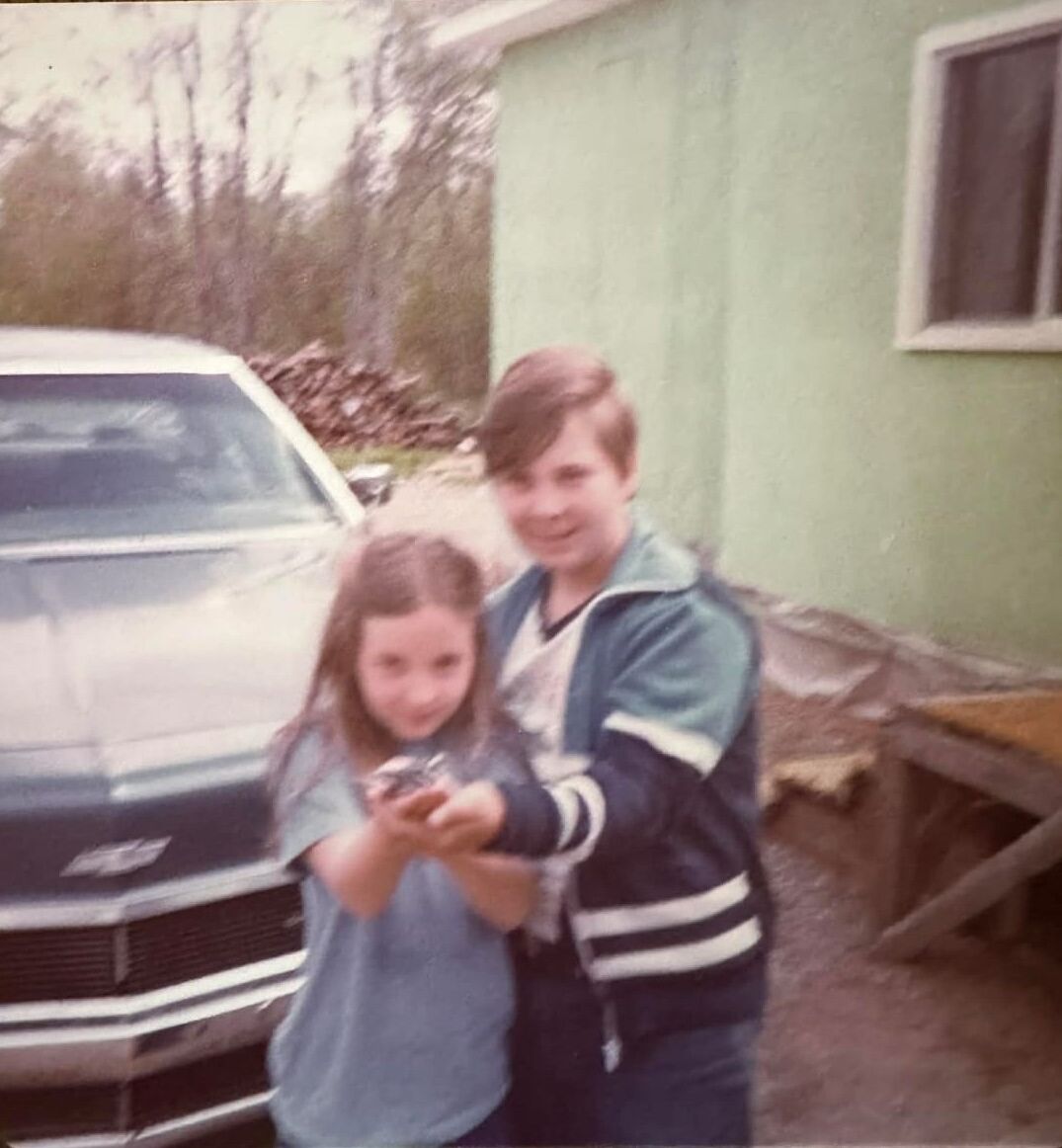
His family life carried both warmth and responsibility. He was raised in a family of five, with a younger natural born sister and a brother who had been adopted before his parents began having children. His brother had special needs, and during those years, such conditions were not always clearly understood or properly diagnosed. Because of that, the family learned through experience. They observed, adjusted, tried again, and made room for patience. For Dr. Theodore, this became one of his earliest lessons in acceptance. He saw that people are not to be defined by what others do not understand about them. They are to be known through care, closeness, and the willingness to learn.
His father also lived with the effects of polio. As a child, Dr. Theodore did not immediately view him through the lens of difference. His father was simply his father. It was only around the age of twelve or thirteen, while walking through a mall, that he noticed other people might see him differently. That realisation stayed with him, not because it created distance, but because it deepened his understanding. He had grown up accepting his father as whole, familiar, and loved. This gave him an open minded view of people from an early age. He did not learn to look for perfection. He learned to see humanity.
This way of seeing people became part of his moral foundation. In his home, human worth was not based on appearance, ease, ability, or social comfort. His family did not measure people by polished standards. They understood that life brings challenges to many households, and they met those challenges with steadiness. This helped Dr. Theodore develop a natural comfort around people whose lives were different, difficult, or misunderstood. Later, when his work placed him close to vulnerable individuals, families in transition, students with needs, and people trying to rebuild themselves, he was not entering unfamiliar emotional ground. The seed had already been planted in childhood.
His parents were also deeply involved in helping others in the community. Their care was not performative. It was practical, humble, and direct. Dr. Theodore remembered that his parents did not speak poorly about people or turn someone’s struggle into gossip. They had a simple way of living. If they saw a problem, they helped it. If there was nothing good to say, they did not say anything. That kind of restraint and compassion gave him a powerful example of dignity. It taught him that helping others should never come with judgement attached to it.
One memory that reveals the heart of his upbringing was a Christmas dinner where his family welcomed a man from the community who was struggling in life. To a child, such a moment could have seemed unusual, but in that home, it reflected the family’s values. People were not pushed away because their lives were difficult. They were given a place at the table. This kind of experience quietly taught Dr. Theodore that care was not restricted to relatives, friends, or people who were easy to understand. Care extended outward. It noticed those who might otherwise be forgotten.
"I always believed there was another avenue to branch out, especially when people needed to be brought together."
Phase 3 : When Art, Music and Ministry Found One Purpose

As Dr. Theodore Alfred Scott moved from the early lessons of home into the wider responsibilities of young adulthood, faith and creativity began to take a more defined place in his life. The values he had seen in his family did not remain only private memories. They became part of how he understood service, community, and the purpose of his own abilities. He was not drawn toward a life that separated belief from action. For him, faith was something that had to move, speak, listen, organise, comfort, and create space for others.
His decision to attend NE Christian College reflected this early direction. It was a step toward learning and ministry and a broader understanding of people. His education in theology gave form to what had already been developing in him. He had been raised around community care, practical kindness, and quiet service. College allowed him to think more deeply about those instincts and begin shaping them into a path. It also opened his life to wider experiences, including time spent in Ontario and Quebec, where he encountered different settings and began learning from people beyond the smaller world of his childhood.
For Dr. Theodore, theological training was not simply about preparing for a role. It was about preparing himself to serve with more awareness. He had already seen that people carried needs which were sometimes visible and sometimes hidden. He knew that communities were built not only of buildings and schedules but of families, children, elders, workers and people seeking community. That awareness grew his interest in ministry. It provided a framework for connecting the spiritual, social, emotional and practical aspects of life.
After college, he began serving as an assistant pastor and associate pastor in different community settings. Each setting carried its own people, needs, personalities, and situations. This mattered to him because he did not see ministry as a repeated formula. He understood that every community had its own rhythm. Some needed encouragement. Some needed organisation. Some needed fresh energy. Some needed someone willing to listen before leading. He entered those spaces with a willingness to serve where the need appeared.
His responsibilities were varied and meaningful. He assisted in the organisation and delivery of weekly services, helped with publications, supported visitation, and contributed to events throughout the year. These events reached people of different ages and interests, which suited his broad nature. He was not someone who worked well only within one narrow area. He had the ability to see how different parts of a community could be included, encouraged, and strengthened. This made his early ministry work active, relational, and creative.
One of the strongest features of this period was his work with young people and children. Dr. Theodore helped increase attendance in youth services and children’s ministry, often more than doubling normal attendance. This was not only a matter of numbers. It showed that he could create an environment where young people wanted to be present, where families felt supported, and where parents could take part in midweek services with greater ease. His work gave families a reason to participate more fully in church life, and it brought new energy into the community.
Note of Thanks
This biography of Dr. Theodore Alfred Scott is a respectful tribute to all the people and places that helped shape his life. He did not travel this journey alone. It was shaped by family, community, faith, work, learning, service, and the many human connections that gave direction to his purpose.
A heartfelt thanks is extended to his parents, whose example of quiet compassion became one of the strongest influences in his life. Their way of helping without judgment and loving without attention gave Dr. Theodore a base that still guides him in every field he enters. Their home showed him that people deserve patience, dignity, and understanding when life puts them in difficult situations.
He is also grateful to the communities of Blacks Harbour, St. Stephen, St. Andrews, New Brunswick, Ontario and Quebec where he learned from people, culture, work, nature, creativity and experience. They helped him to expand his understanding of life and to deepen his respect for the different stories of humanity.
This note also recognises the people he served and worked with through ministry, education, counselling, human services, business and community programmes. The students, families, colleagues, church members, clients and community members who crossed his path were not only recipients of his service. They also became part of his learning, growth and deeper understanding of people.
Special thanks to the organizations and venues that provided the context for his purpose to take form: NE Christian College, Manna Ministries, Fresh Beginnings, Salvation Army, and School District 10. With each of these experiences Dr. Theodore learned that service is facilitated by listening, led by compassion, and made permanent by consistent action.
thanks,
– Dr. Theodore Alfred Scott