“I spent my school years feeling invisible. So I built a place where no child ever has to feel that way again. That is not just my work. That is my life.”
Introduction
The journey of Dr. (H. C.) Maria La Pietra is a story of resilience, compassion, and an unwavering commitment to improving the lives of young people. It is the story of a woman who transformed personal challenges into purpose and dedicated her life to ensuring that others would have opportunities she once struggled to find herself.
Born to Salvatore and Caterina La Pietra, Maria grew up in a loving and close-knit family surrounded by grandparents, aunts, uncles, cousins, and a strong sense of community. These early experiences instilled in her the values that would guide her throughout her life: empathy, humility, perseverance, and a deep belief in the importance of supporting others. Family taught her that people flourish when they feel connected, valued, and loved, a lesson that would later become central to her educational philosophy.
Her school years, however, were not without difficulty. Navigating education with undiagnosed dyslexia, Maria often found herself struggling within traditional classroom environments. Feeling misunderstood and unable to learn in ways that reflected her strengths, she eventually left school after Year 10 to pursue a career in hairdressing. While many may have viewed this as the end of an educational journey, it was, in fact, the beginning of something far greater.
These early experiences provided Maria with a unique understanding of what it feels like to be overlooked within a system not designed to recognise individual differences. Rather than allowing those experiences to limit her, she transformed them into the driving force behind her life’s work: creating environments where every young person feels seen, supported, and capable of success.
Her professional journey began through hands-on roles supporting children, families, and communities. As a Teacher’s Aide at Rosary Catholic School and the Cora Barclay Centre, she worked alongside students who required additional support to access learning. Through project work at Queen Elizabeth Hospital, she gained insight into the emotional and social challenges faced by individuals and families experiencing grief, loss, and adversity. These experiences deepened her understanding of human resilience and reinforced the importance of holistic care.
Further roles as a Special Needs Support Person at Gilles Plains Primary School and Christian Brothers College, combined with her work coordinating community programs through A.N.F.E. (Associazione Nazionale Famiglie degli Emigranti Inc.), allowed her to blend empathy with action. She developed skills in leadership, collaboration, advocacy, and community engagement while strengthening her belief that education must extend beyond academic outcomes to address the whole person.
Her expertise continued to grow through counselling and educational roles with ADAPT Counselling and Motivational Services, English as a Second Language (ESL) teaching at the Australian Institute of International Understanding (AIIU), and government-funded literacy and adult education programs. During this period, she refined an approach that combined educational support with emotional wellbeing, mentoring, and human connection. She learned to meet learners where they were, helping them overcome barriers and rediscover confidence in their abilities.
“I learned how to love before I learned how to read. My family gave me that gift, the absolute certainty that I mattered, that I belonged, that I was held. School took a while to learn the same lesson. But my family never wavered.”
Phase 1: A Childhood Surrounded by Love
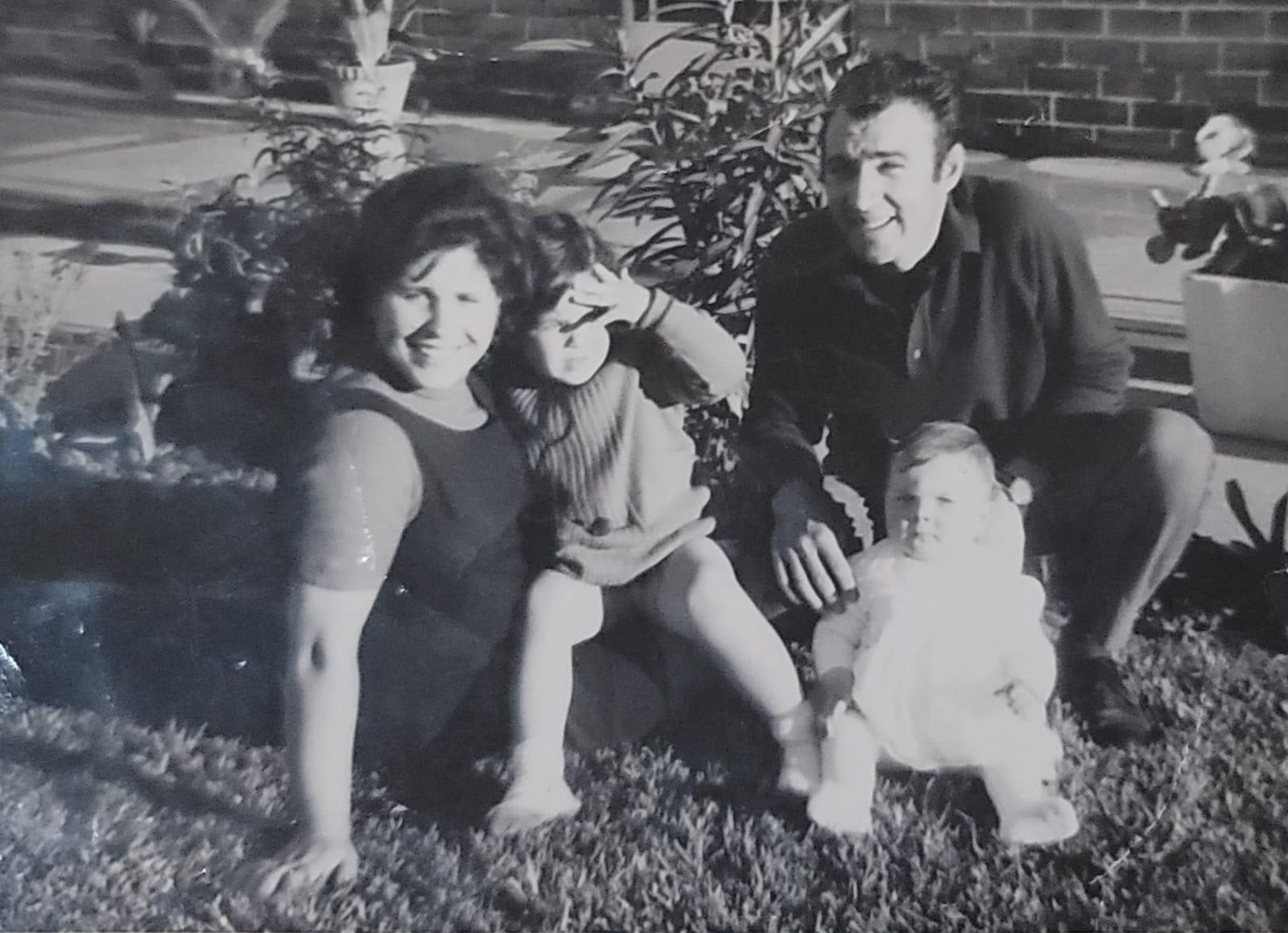
The story of Dr. (H.C.) Maria La Pietra begins within the warmth of a loving, close-knit family where connection, community, and care were woven into everyday life. Born to Salvatore and Caterina La Pietra, she was raised in an environment rich with family, friendship, and shared responsibility. Surrounded by grandparents, aunts, uncles, cousins, and neighbours who often felt more like extended family than acquaintances, Maria grew up understanding the importance of belonging, generosity, and supporting one another through life’s challenges.
The values modelled by her parents, compassion, integrity, resilience, and an unwavering commitment to family would become the foundation upon which she built both her personal life and professional career. Through their example, she learned that success is measured not only by what we achieve for ourselves but also by the difference we make in the lives of others.
Even as a child, Maria displayed a natural inclination to care for and support those around her. She often found herself helping younger cousins with schoolwork, guiding neighbourhood children through games, and creating opportunities for others to feel included and encouraged.
While she could not have known it at the time, these simple acts reflected the qualities that would later define her as an educator, mentor, and leader. The seeds of her future vocation were already being planted.
Family gatherings, shared meals, everyday conversations, and the collective responsibilities of family life provided a strong sense of security and belonging. Within this environment, Maria learned the value of hard work, perseverance, and community. She observed how kindness could strengthen relationships, how encouragement could build confidence, and how people thrive when they know they are supported. These lessons would remain with her throughout her life and become central themes in her educational philosophy.
Yet while family life provided a strong foundation, school presented a different experience. Traditional education did not come easily to Maria. Unbeknownst to her teachers and those around her, she was navigating school with undiagnosed dyslexia. Like many young people whose strengths do not align neatly with conventional educational expectations, she often felt misunderstood and struggled to find her place within the classroom.
The challenges she experienced were not a reflection of her intelligence or potential, but at the time, they often felt deeply personal. Eventually leaving school after Year 10 to pursue a career in hairdressing, Maria could easily have allowed those experiences to define her limitations. Instead, they became the catalyst for a deeper understanding of herself and others.
“I didn’t set out to change education. I simply kept following the people who needed support. Every role, every experience, every opportunity taught me something new about human potential. Looking back, I can see the thread that connected them all.”
Phase 2 : Finding My Path by Helping Others
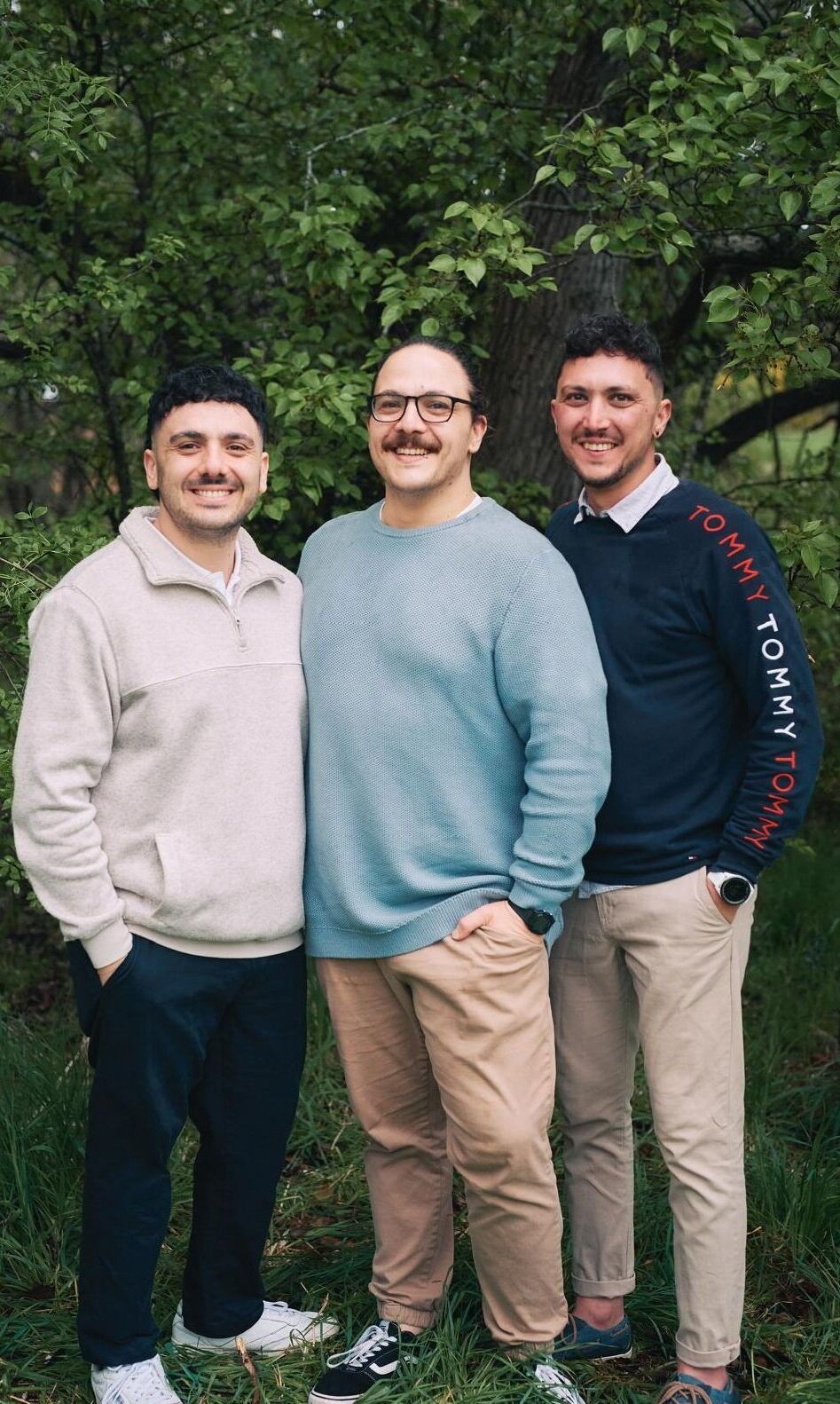
The early professional journey of Dr. La Pietra was not carefully mapped out, nor guided by a predetermined plan. Instead, it was shaped by curiosity, compassion, and a growing awareness that she felt most fulfilled when helping others discover their strengths and realise their potential. Each role she undertook, every volunteer opportunity she embraced, and every person she encountered became part of a larger journey that would ultimately define her life’s work.
Before entering the field of education, Maria trained and worked as a hairdresser. While this may seem an unlikely starting point for a future educational leader, it proved to be one of the most formative experiences of her career. Hairdressing is deeply relational work. Day after day, clients shared their stories, hopes, fears, and aspirations while sitting in her chair. In those conversations, she learned the importance of listening without judgment, building trust, and creating spaces where people felt seen, valued, and understood.
Many years later, as she studied trauma-informed practice and human behaviour, she recognised that she had already been developing some of the most important skills she would use throughout her career: presence, empathy, observation, and an appreciation that every person’s behaviour and circumstances exist within a broader story. These lessons would become foundational to her approach as an educator and leader.
Her transition into education began through volunteering. Maria took on roles as a Teacher’s Aide at Rosary Catholic School and the Cora Barclay Centre, supporting children who were deaf or hearing impaired. Although these positions may have appeared modest, they proved transformative. For the first time, she found herself working closely with young people who faced barriers to learning and participation, not because they lacked ability, but because they required support that recognised their individual needs and strengths.
She was particularly drawn to students who struggled within traditional educational environments. She recognised the frustration, uncertainty, and quiet determination many carried. Their experiences resonated with her own memories of navigating school with undiagnosed dyslexia. She understood what it felt like to work harder than others, to question your abilities, and to wonder whether you truly belonged. Now, she found herself on the other side of the relationship, offering the support and encouragement she herself had once needed.
“You cannot teach a child who is in survival mode. You cannot reason with a nervous system that is overwhelmed. Long before I understood neuroscience, I understood the reality: people learn best when they feel safe, connected and understood.”
Phase 3 : Learning That Healing Comes Before Teaching
As Dr. Maria La Pietra’s career continued to evolve, she came to a profound realisation: education does not end at the classroom door. The challenges young people face does not neatly separate themselves into academic, emotional, social, or family categories. They are deeply interconnected. To truly support young people, educators must understand the whole person, not just the learner sitting at a desk.
As Dr. Maria La Pietra’s career continued to evolve, she came to a profound realisation: education does not end at the classroom door. The challenges young people face does not neatly separate themselves into academic, emotional, social, or family categories. They are deeply interconnected. To truly support young people, educators must understand the whole person, not just the learner sitting at a desk.
This phase of her professional journey saw her move beyond traditional educational settings and immerse herself in counselling, community development, adult education, and specialised support services. These experiences broadened her perspective and strengthened her belief that meaningful learning can only occur when emotional wellbeing and human connection are prioritised alongside academic achievement.
Her work with ADAPT Counselling and Motivational Services proved particularly influential. Supporting both children and adults experiencing grief, trauma, loss, anxiety, and emotional distress, she facilitated workshops focused on resilience, personal growth, self-awareness, and healthy relationships. Through these experiences, Maria witnessed firsthand the profound impact emotional wellbeing has on every aspect of a person’s life.
Each workshop reinforced an important lesson: emotional health cannot be separated from learning. Young people who are overwhelmed by fear, grief, trauma, or uncertainty cannot simply set those experiences aside when they enter a classroom. Real growth requires addressing the emotional, social, and psychological dimensions of a person’s life alongside their educational needs.
One particularly significant moment occurred during a workshop focused on grief and loss. As participants began sharing deeply personal experiences, many for the first time, Maria observed the transformative power of psychological safety. She saw how trust, acceptance, and compassionate listening created the conditions for healing and growth. The experience reinforced a principle that would later become central to her educational philosophy: before people can learn, they must feel safe enough to be vulnerable, authentic, and connected.
Note of Thanks
Dr. Maria La Pietra extends her deepest gratitude to the many people who have supported, encouraged, and inspired her throughout her personal and professional journey. While this story reflects her work and achievements, it is also a testament to the relationships, guidance, and unwavering belief of those who walked alongside her.
First and foremost, she acknowledges her parents, Salvatore La Pietra and Caterina La Pietra, whose love, sacrifice, and steadfast support provided the foundation upon which her life and career were built. They instilled in her the values of compassion, integrity, resilience, and service to others—values that have guided every decision she has made as an educator, leader, and advocate. Their example taught her that meaningful success is measured not by personal achievement alone but by the positive difference we make in the lives of others.
Dr. La Pietra extends her heartfelt gratitude to her children and grandchildren, who have been among her greatest sources of joy, purpose, and inspiration. Their love, encouragement, and belief in her have sustained her through both challenges and achievements. They have shared the sacrifices that often accompany a life dedicated to serving others and have celebrated the milestones along the way. Her children have continually reminded her of the importance of family, resilience, and perspective, while her grandchildren have reinforced her hope for the future and her commitment to creating a better world for the next generation. Every success has been made more meaningful because it could be shared with them.
She extends special thanks to her son, Nicholas Pellegrini, whose love, patience, and encouragement have been a constant source of strength. Through every challenge, triumph, and new endeavour, Nicholas has reminded her of the importance of perseverance, family, and remaining true to her values. His unwavering support has been one of the greatest gifts throughout her journey.
Dr. La Pietra is also deeply grateful to her dear friends Rosie, Sandra and Daisy, whose friendship, encouragement, and practical support were instrumental during the establishment and growth of the Specialised Assistance School for Youth (SASY). They stood beside her through moments of uncertainty and celebration alike, believing in the vision long before its success was evident to others. Their loyalty, wisdom, and friendship helped transform an ambitious idea into a thriving educational community that continues to change lives.
She would also like to acknowledge the significant influence of her mentors, Dr. Francis Ben, Dr. Joseph Magliaro, and Katherine Taylor. Their wisdom, guidance, encouragement, and thoughtful counsel have profoundly shaped her development as an educator, researcher, and leader. Each, in their own way, challenged her to think more deeply, lead more effectively, and remain steadfast in her commitment to inclusive, relational, and student-centred education. Their mentorship has left an enduring mark on both her professional practice and personal philosophy.
Dr. La Pietra is equally grateful to the staff, students, families, Board members, and community partners who have contributed to the SASY journey. The school’s success has never been the achievement of one individual. It has been built through collective effort, shared belief, and a commitment to creating opportunities for young people who deserve to be seen, heard, and supported. Every educator, youth worker, administrator, volunteer, and community partner has played a role in shaping the culture and impact of the organisation.
Finally, she acknowledges the countless young people whose courage, resilience, and determination have been her greatest teachers. Their stories have challenged assumptions, inspired innovation, and reinforced her belief that every young person possesses strengths, potential, and value. The lessons learned from them continue to shape her work and remind her daily why this journey matters.
To all who have offered guidance, encouragement, friendship, and support along the way, thank you. This journey has never been travelled alone, and any impact achieved has been made possible through the collective contributions of those who believed that education has the power to transform lives.
With gratitude,
– Dr. Maria La Pietra