“When I sit down and read my own journey, it gives me goosebumps. Because sometimes, we don’t truly grasp the meaning of our story until we pause and look back.”
Introduction
There are moments when a person’s life becomes clearer only after it is viewed from a distance. Experiences that once seemed separate begin to connect. A childhood lesson explains a later decision. A mentor’s words become the foundation of a leadership philosophy. A difficult period reveals the strength of a family relationship. A professional achievement, once considered personal, is recognised as the result of many people’s sacrifices and support. For Dr. Jagannath Ganesh Murthy, looking back across more than two decades brought precisely that understanding.
His story begins in Chennai, not in an environment of privilege, but in a middle-class family that understood the transforming power of education. His father, Ganesh Murthy Maheswaran, believed that learning could change the future of an entire family. Although resources were limited, he ensured that both his children received meaningful opportunities. Education was accompanied by exposure to cricket coaching, Carnatic music, swimming, table tennis, and personality-building activities. These were not treated as luxuries or decorations around academic life. They were part of a broader effort to develop discipline, adaptability, perseverance, confidence, and character.
His mother, Hemamalini Ananthanarayanan, worked in the Telecommunications Department while maintaining the emotional stability of the family. Her contribution was often quiet, expressed through daily responsibility, calmness, and constant encouragement. His grandmother, Rajalakshmi Maheswaran, strengthened this upbringing by teaching him practical independence from a young age. Cooking, cleaning, managing responsibilities, and caring for himself appeared to be ordinary childhood lessons. Their value became visible only years later, when he moved abroad and had to build a life far away from familiar support.
The early world around him also included his younger sister, Aishwarya Ganesh Murthy, whom he protected with an affection that often felt closer to fatherly care than ordinary sibling responsibility. It included childhood friends such as Sriram Ranganathan, Sridhar Ranganathan, and Praveen Kumar Arivazhagan, whose presence remains connected to some of his simplest and happiest memories. These relationships gave him a sense of belonging that remained steady even as his professional life became increasingly international.
Education gradually widened his horizon. At Sri Venkateswara College of Engineering, affiliated with Anna University, he studied Information Technology and learnt to approach problems through systems, logic, and structured thinking. Yet engineering also taught him lessons that did not appear on a syllabus. Working with Saigopal Santhanam on a sensor-based robotics project showed him how ideas become real through collaboration and persistence. Late evenings spent testing sensors, refining ideas that failed before they finally worked, taught him that persistence often matters more than brilliance. Friendships with Narendran Kumbeswaran, Sudharsan Bhaskaran, Revathi Sudharsan, and others became relationships that would continue across different stages of his life.
His early work with Orbit Controls & Services and Wipro Technologies introduced him to the expectations of professional life. He began to understand that technical knowledge acquires value only when it supports real operations, deadlines, teams, and customer requirements. Later, his MBA in Strategic Marketing and Operations & Technology at Great Lakes Institute of Management, completed in academic collaboration with the Stuart Graduate School of Business, changed the direction of his thinking. It helped him move beyond the identity of a technical professional and discover confidence in communication, strategy, business development, customer understanding, and leadership.
“Education is the most powerful weapon which you can use to change the world”
Phase 1: The Intellectual Blueprint of a Change Architect
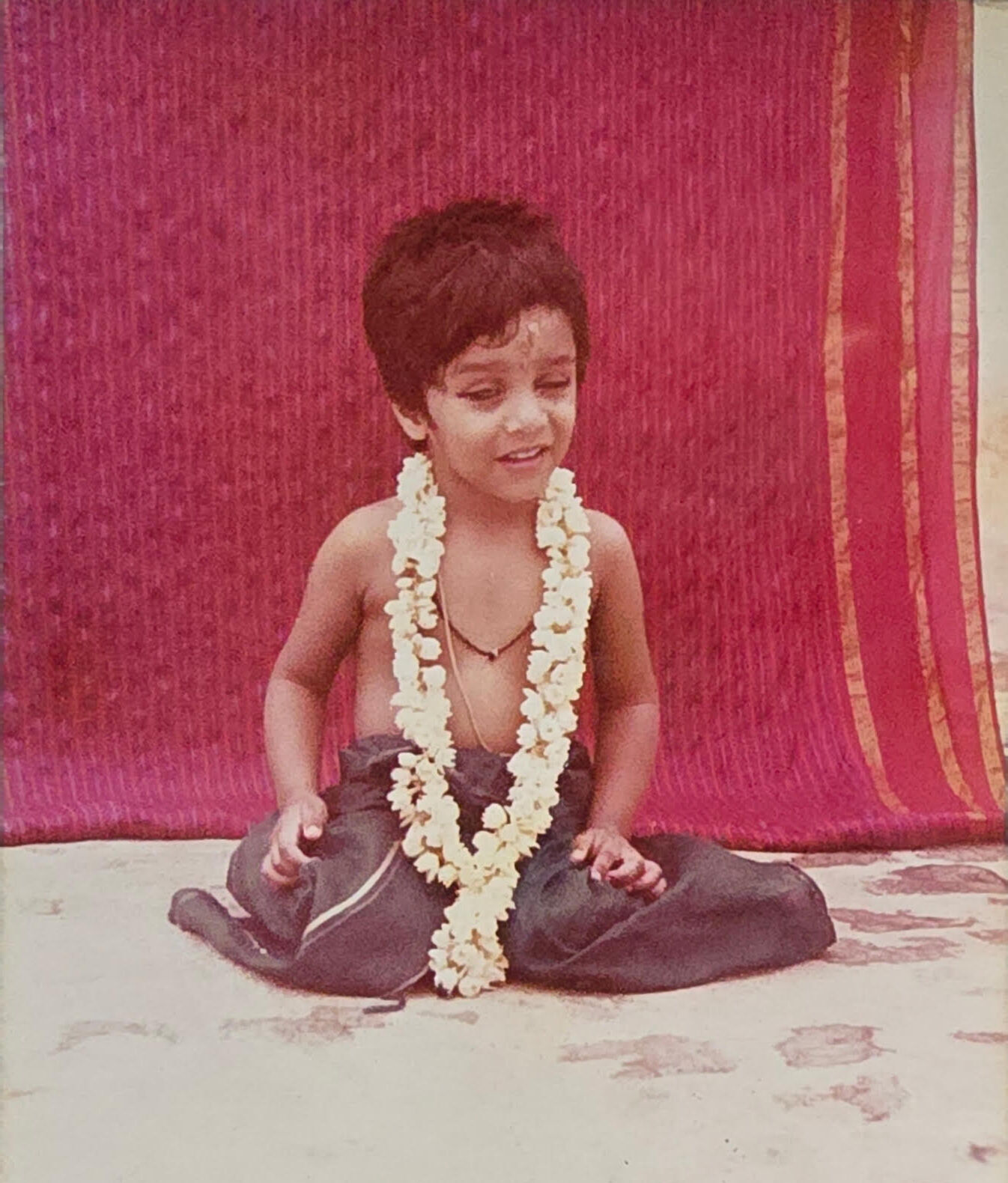
Before Dr. Jagannath Ganesh Murthy learnt to interpret business systems, guide transformation programmes, or work across international markets, he learnt to observe the people around him. His earliest understanding of responsibility did not come from a management textbook. It came from watching a family make careful choices, place education above comfort, and turn limited means into meaningful opportunities.
He grew up in a middle-class household in Chennai where wealth was not the language through which success was understood. His parents did not measure progress through possessions or display. They measured it through education, self-discipline, good conduct, and the confidence to build a better future through one’s own effort. That atmosphere gave his childhood a sense of simplicity, but never a sense of limitation. He did not feel deprived because the things that mattered most were consistently present: care, structure, encouragement, and the belief that learning could open doors.
His father, Ganesh Murthy Maheswaran, became the strongest influence on his discipline, resilience, ambition, and values. He believed that education could do more than secure employment; it could alter the direction of an entire family. Many of the decisions he made for his children went beyond what would have been financially comfortable. Yet he never allowed those pressures to reduce the quality of education or exposure they received. 03 Dr. Jagannath Ganesh Murthy with his parents and grandmother, whose guidance and sacrifices became the foundation of his early life. Dr. Jagannath and his younger sister were given opportunities that required sacrifice, and only much later did he fully understand what those choices must have demanded from his father.
The opportunities extended beyond formal schooling. Cricket coaching introduced routine, teamwork, and the need to continue after disappointment. Carnatic music encouraged patience and attention. Swimming demanded confidence and self-control. Table tennis strengthened alertness and coordination. Personality-development activities encouraged him to communicate, participate, and move beyond hesitation. At the time, these opportunities simply felt like part of childhood. Only much later did he realise that they represented a conscious investment by his parents in helping their children become confident, well rounded individuals. None of these pursuits became the centre of his professional life, but together they contributed to the person he was becoming. They taught him that growth is rarely produced by one ability alone.
His mother, Hemamalini Ananthanarayanan, brought a different but equally powerful strength into the home. While working in the Telecommunications Department, she also maintained the emotional balance of the family. Her contribution was visible in the steadiness with which daily life continued, in the discipline she upheld without harshness, and in the reassurance she offered without seeking recognition. The calmness and resilience she practised became part of the emotional foundation upon which both children grew.
As a child, Dr. Jagannath could not have measured the full extent of his parents’ sacrifices. As a father, he later understood them differently. He came to recognise that each opportunity he had taken for granted had been made possible by Dr. Jagannath Ganesh Murthy with his father, Ganesh Murthy Maheswaran, whose values and guidance shaped his outlook towards education and responsibility. someone else’s planning, restraint, and faith. This realisation strengthened his gratitude and influenced the way he approached his own responsibilities. He learnt that care is often expressed not through dramatic gestures, but through years of consistency.
“Success is the sum of small efforts, repeated day in and day out.”
Phase 2 : Trench Truths – Learning Enterprise Delivery from the Ground Up
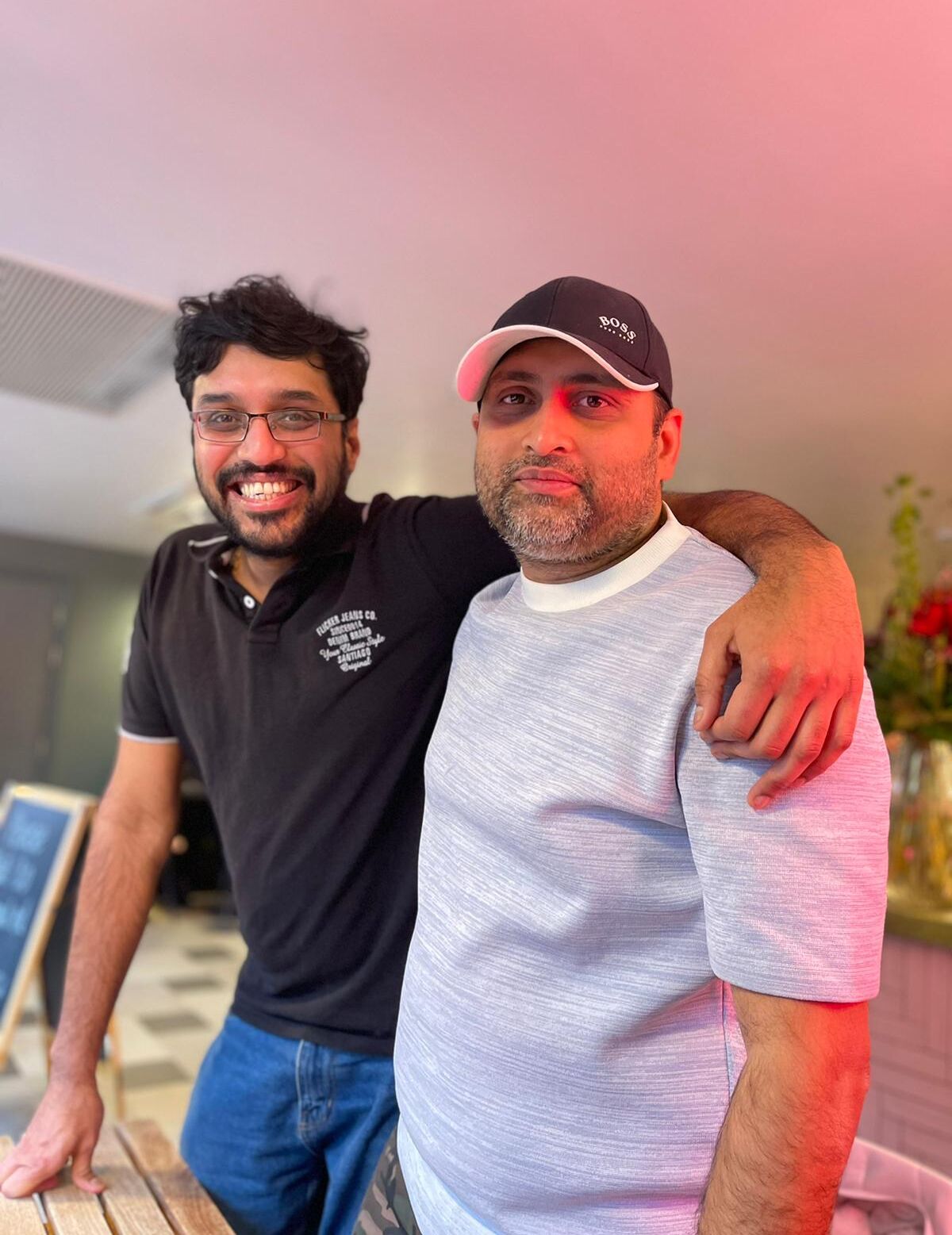
Engineering marked a shift in the life of Dr. Jagannath Ganesh Murthy. Until then, most important influences had come from home, school, and the protected environment of family. College placed him among new people, unfamiliar expectations, and a wider range of ideas. It gave him greater freedom, but also required him to begin making decisions independently. This was the period in which inherited values started becoming personal choices.
At Sri Venkateswara College of Engineering, he discovered that education extended far beyond examinations. Technical subjects gave him knowledge, but collaboration taught him how that knowledge could be used. One of the most memorable experiences came through his work with Saigopal Santhanam, known to him as Sai. Together, they developed an engineering robot project involving sensor-based systems. The project demanded patience, experimentation, and the ability to continue when an idea did not immediately work as expected.
For both young engineers, the project represented more than an academic requirement. It was an early experience of converting an idea into something practical. They had to divide responsibilities, solve problems together, and remain committed to a shared outcome. The satisfaction came not only from completing the work, but from discovering that technical imagination acquires meaning through disciplined execution.
His engineering years also strengthened friendships that would continue into adulthood. Narendran Kumbeswaran, known as Naren, became one of the most influential long-term friends in his life. Their paths would intersect repeatedly: 09 as engineering classmates, colleagues at Wipro, classmates again at Great Lakes, and companions during the early international chapters in Hungary and the United Kingdom. That continuity made the friendship unusual. It allowed them to witness one another’s development across technology, management, consulting, sales, and leadership.
Looking back, he realised that some friendships do not merely accompany different stages of life; they quietly become part of the thread that connects them. Sudharsan Bhaskaran and Revathi Sudharsan also belonged to this formative network. Though life would later create periods of distance, the relationships established during engineering remained part of Dr. Jagannath’s story. College showed him that education creates more than qualifications. It creates a community of people who may re-enter one another’s lives in unexpected and meaningful ways.
His transition from college to work began with Orbit Controls & Services, where he and Sai were able to connect engineering knowledge with operational technology. This was one of his first opportunities to understand how technical systems function outside the classroom. In academic work, problems are often defined clearly. In professional environments, they arrive mixed with deadlines, practical limitations, customer expectations, incomplete information, and the consequences of failure.
“The only limit to our realization of tomorrow will be our doubts of today.”
Phase 3 : Scaling the Summit, Enterprise Transformation at Tata Consultancy Services
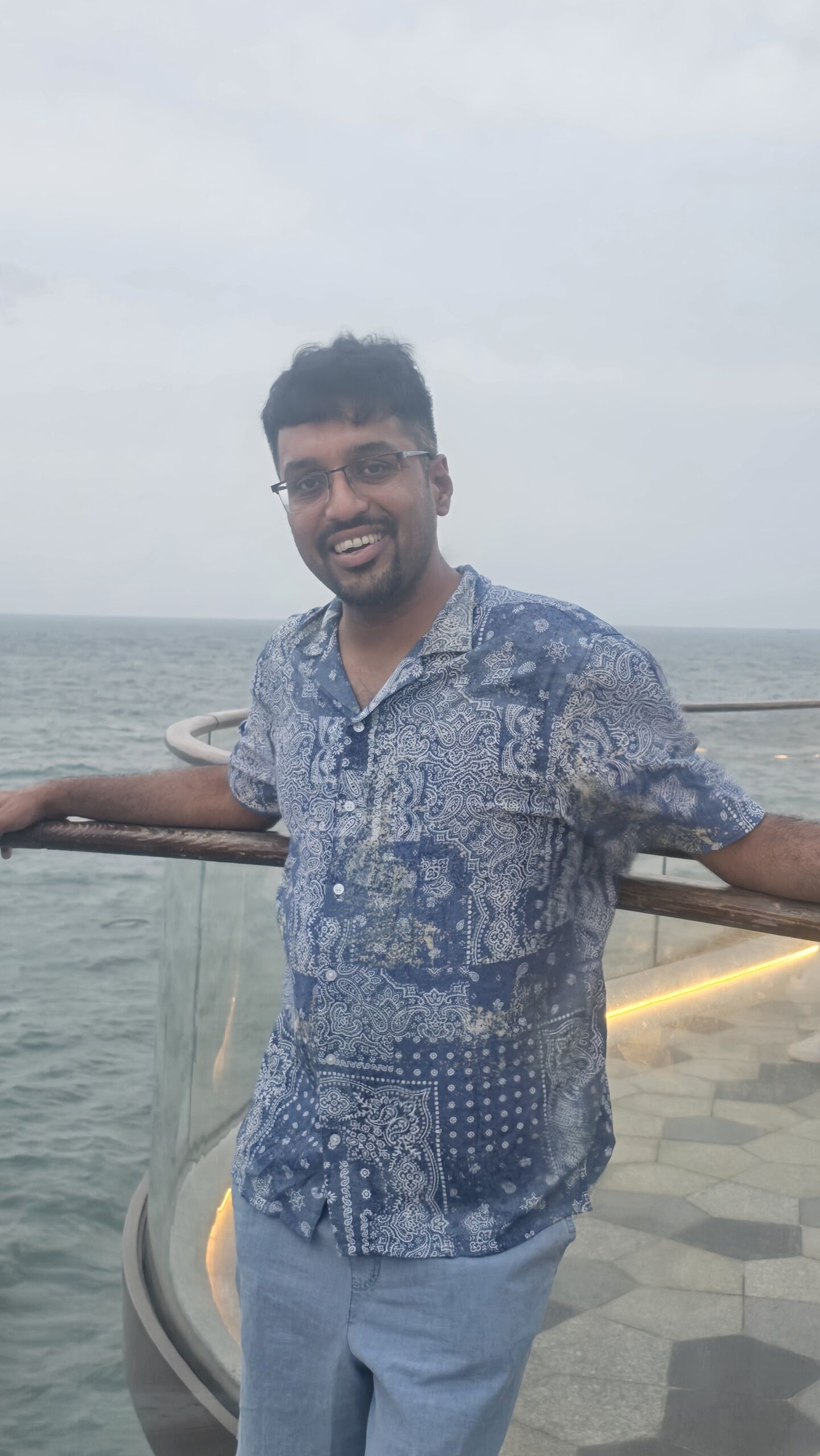
In June 2007, Dr. Jagannath Ganesh Murthy entered one of the most formative chapters of his professional and personal life. He joined Tata Consultancy Services as Senior Manager – Enterprise Business Transformation, working across London in the United Kingdom and Budapest in Hungary until April 2011. The role expanded the scale of his responsibilities, but the deeper change came from leaving India and learning to stand independently in an unfamiliar world.
The opportunity emerged after his MBA at Great Lakes, when Prof. Dr. Sattupathu Vaidyanatha Mani, or SVM, recognised potential in him and selected him for an Eastern European sales and transformation role based in Budapest. At that point, Dr. Jagannath was still young and relatively inexperienced in international business. SVM did not simply offer him a professional assignment. He opened a door that changed the direction of his life. His confidence became something Dr. Jagannath quietly carried into every major leadership role that followed, just not as a memory of success, but as a reminder of the responsibility that comes with being trusted.
Although the opportunity represented an exciting professional milestone, it also marked the beginning of a deeply personal journey. Leaving India meant stepping away from the familiar support of family and entering a world where independence would no longer be optional but essential.
Moving to Hungary brought excitement, curiosity, and understandable nervousness. For the first time, the familiar support of family was thousands of miles away. Language, climate, food, social customs, and everyday routines were different. Decisions that had once been made within the comfort of home now had to be taken alone. Professional confidence had to develop alongside the practical challenge of managing daily life. For the first time, familiar routines, language and family were thousands of miles away, and every ordinary task, from shopping to navigating public transport, became part of an unexpected education.
It was in Budapest that the lessons of Rajalakshmi Maheswaran returned with new significance. The ability to cook, clean, organise a home, and manage responsibilities gave Dr. Jagannath a practical independence that made adaptation easier. What his grandmother had taught as ordinary life skills became a bridge between Chennai and Europe. In moments when the environment felt unfamiliar, those habits reminded him that he was more prepared than he initially believed. The experience also taught him that resilience is rarely built through dramatic moments; it is usually formed through ordinary responsibilities repeated every single day.
Note of Thanks
This biography carries the heartfelt gratitude of Dr. Jagannath Ganesh Murthy towards the many people who shaped his values, encouraged his growth, supported him through challenges, and believed in his potential throughout different chapters of his life.
His deepest gratitude begins with his parents, Ganesh Murthy Maheswaran and Hemamalini Ananthanarayanan, whose sacrifices and guidance created the foundation upon which his journey was built. His father’s belief in the power of education opened opportunities beyond financial limitations, while his mother’s strength, discipline, and emotional support gave the family stability and warmth. Their values of humility, perseverance, and responsibility continue to guide him.
He remains deeply thankful to his grandmother, Rajalakshmi Maheswaran, whose lessons in self-reliance, discipline, and everyday responsibilities prepared him for independence long before he realised their importance. He also expresses gratitude to his sister, Aishwarya Ganesh Murthy, and brother-in-law, Aravind Hariharan, for their unwavering emotional support during different phases of life. His nephew, Aarush Aravind, remains a cherished part of his family journey.
His heartfelt appreciation belongs to his wife, Nandhinee Bhaskaran, whose patience, strength, and constant encouragement stood beside him through career transitions, relocations, uncertainties, and family responsibilities. His children, Krithika Jagannath and Karthik Jagannath, brought new meaning to love, responsibility, and purpose.
He is grateful to his extended family, including KJ Bhaskaran, Saraswathi Subramaniam, and all family members whose presence strengthened his journey. He also remembers his childhood friends, Sriram Ranganathan, Sridhar Ranganathan, and Praveen Kumar Arivazhagan, whose friendships represent the innocence and trust of his early years.
He extends special gratitude to Saigopal Santhanam, Narendran Kumbeswaran, Sudharsan Bhaskaran, and Revathi Sudharsan for friendships that evolved through education, professional experiences, and life’s changing circumstances.
A special place of gratitude belongs to Prof. Dr. Sattupathu Vaidyanatha Mani (SVM), whose mentorship transformed his professional direction and taught him that true success lies in guiding and supporting others.
Finally, he acknowledges every colleague, customer, mentor, and professional who became part of his journey. This biography is a reminder that no achievement is created alone. Every opportunity carries someone’s belief, every challenge reveals someone’s support, and every milestone gains meaning through the people who walk beside us.
thanks,
– Dr. Jagannath Ganesh Murthy