"Music is a treasure that multiplies when given freely to those who seek to learn."
Introduction
The journey of Dr. Abul Faisal Shafeeque Ahmed is a reflection of a lifelong relationship with music, learning, and the responsibility of passing knowledge to others. He grew up in an environment where music was not just an interest but a part of his family’s identity. Coming from a fourth-generation musical family, he was introduced to the depth and discipline of music from an early age, carrying forward a tradition that had travelled through generations.
His connection with music began during childhood under the guidance of his father, Shafeeque Ahmed Mohammad Saleem, who played the role of both a parent and his first guru. With his father’s encouragement and teachings, Dr. Abul developed an understanding of Indian Classical Music and gradually discovered the dedication required to grow as a musician. His mother, Jameela Bano Shafeeque Ahmed, also remained an important source of encouragement and support throughout his journey.
From his first stage performance at around four years of age to his participation in school cultural programmes and competitions, music continued to shape his personality and direction. Even during his early years, he found himself naturally guiding others, preparing students for competitions and helping them develop confidence through music. This early inclination toward teaching later became an important part of his professional identity.
His journey was not limited to one path. After completing his education and exploring opportunities beyond music, he entered the Indian Navy as a musician sailor in 2001, successfully competing among thousands of candidates. Although he later returned due to personal circumstances, the experience strengthened his discipline and resilience. He further explored the professional world through his work in networking in Mumbai, while continuing his association with music through performances and collaborations with artists across different forms.
In 2008, he returned to his hometown and began a new chapter by establishing Kohinoor Music Academy. What started from his desire to train and guide students gradually developed into a platform where learners could receive structured musical education. Over the years, his role as a music teacher has allowed him to prepare students for various examinations and opportunities, including those connected with Trinity College London.
Dr. Abul’s musical journey reflects his deep respect for both Indian Classical and Western Music. His passion for preserving traditional knowledge, understanding ragas, and sharing authentic musical learning has remained central to his work. Through his teaching, he continues to encourage students to understand music from its foundations rather than simply pursuing achievements.
Beyond accomplishments, Dr. Abul Faisal Shafeeque Ahmed’s story represents perseverance, gratitude, and a belief that success is measured not only by personal growth but also by the positive influence one creates in the lives of others. His story continues to be guided by honesty, love for his art, and a commitment to keeping the essence of music alive for future generations.
"Every great journey has a beginning, and for some, that beginning is found in the voices, values, and traditions lovingly passed down through generations."
Phase 1: The Musical Heritage That Shaped His First Notes
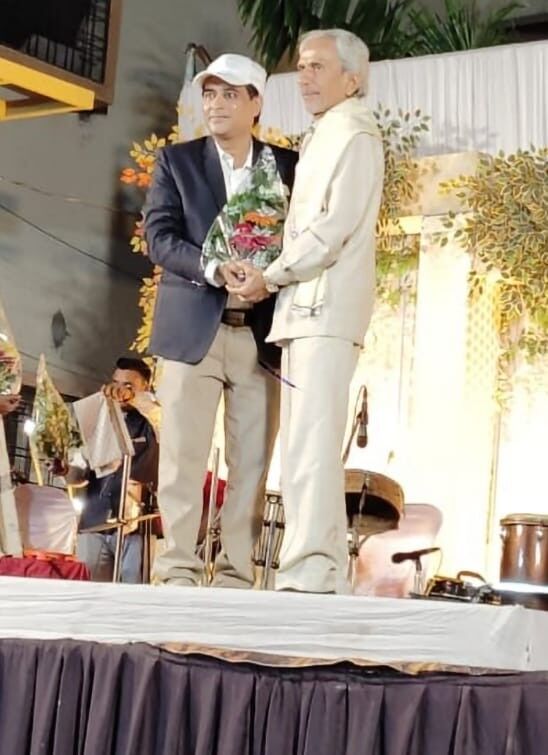
Born on 6 January 1981 in Malegaon, Maharashtra, Dr. Abul Faisal Shafeeque Ahmed entered a world where music was already deeply woven into his family’s identity. His connection with music did not begin as a distant interest that developed later in life; it surrounded him from his earliest years, carried through generations and preserved within his family. Coming from a fourth-generation musical family, he grew up with the presence of a tradition that valued learning, discipline, and respect for the art form.
The roots of this musical journey were closely connected with his family lineage. Before him, his father, grandfather, and great-grandfather had all carried a relationship with music, creating an environment where musical knowledge moved naturally from one generation to the next. For Dr. Abul, music became more than a skill to be learned; it became a part of his upbringing and a way of understanding dedication, expression, and creativity.
Among all the influences in his early life, the contribution of his father, Shafeeque Ahmed Mohammad Saleem, remained the strongest. His father was not only a parent but also his first guru, who introduced him to the depth of Indian Classical Music. From around the age of four or five, he began receiving musical guidance at home. The learning was not limited to singing or performance alone; he was introduced to the discipline, structure, and traditions that form the foundation of classical music.
The guidance he received during those early years shaped the way he viewed music. His father taught him with patience and affection, never relying on pressure or force. Whenever he faced difficulty, he was encouraged with understanding and support. This approach created a strong emotional connection between learning and encouragement, allowing him to develop his interest with confidence. Along with his father’s teachings, the influence of his family’s musical background continued to strengthen his understanding of traditional music.
His grandfather’s association with respected musicians also contributed to his exposure to classical traditions. He remembered Mohammad Khan from Bombay, who used to visit their home and share musical knowledge. These interactions introduced him to the richness of classical forms and helped him appreciate the depth of musical traditions that had been preserved over many years.
His mother, Jameela Bano Shafeeque Ahmed, also played an important role in his early development by continuously encouraging and supporting his journey. Together, his parents created an atmosphere where education and music were both valued. Whether it was his schooling, college education, or musical learning, their support remained a constant source of confidence for him.
"The passions we discover in our early years often become the quiet forces that shape who we are meant to become."
Phase 2 : Growing Through Music, Learning and Early Leadership
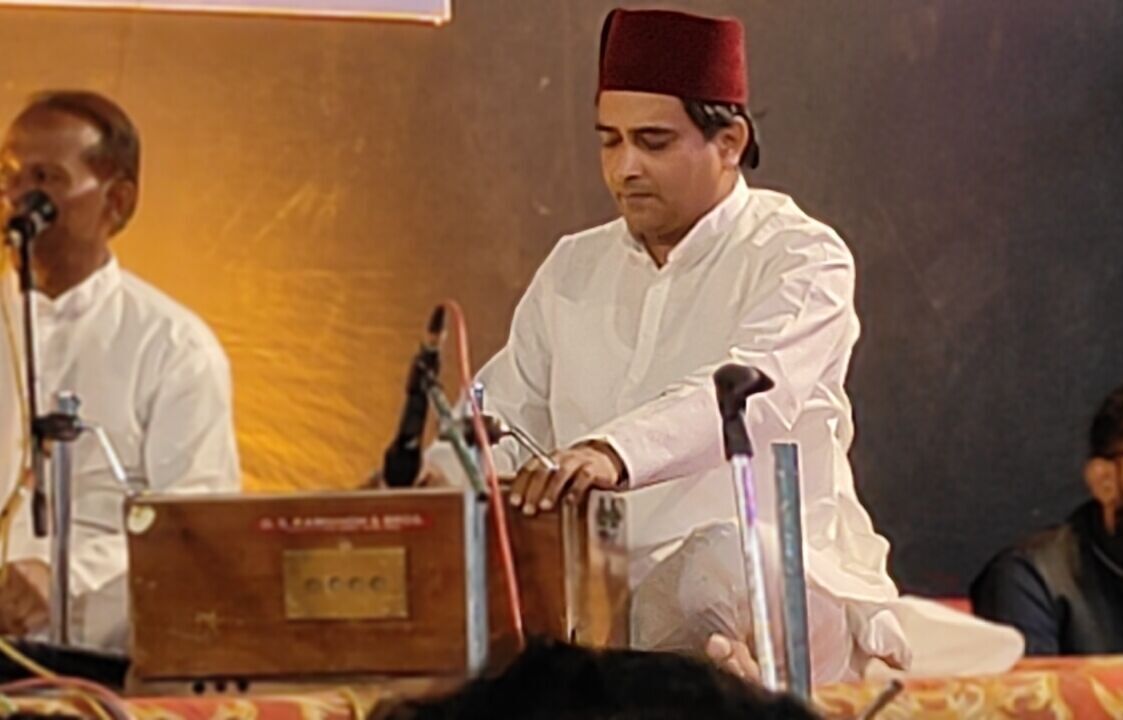
As Dr. Abul Faisal Shafeeque Ahmed continued through his school years, music gradually became the strongest expression of his personality. His interest was not limited to performing on stage; he found joy in understanding music, practising it, and helping others discover their own confidence through it. The encouragement he received at home found a natural extension in his educational journey, where he began taking active roles in cultural activities and competitions.
During his schooling in Malegaon, he remained closely connected with musical programmes and performances. After around the fifth standard, he began taking greater responsibility during competitions held across Maharashtra. He would prepare groups of students, including classmates, and guide them for singing competitions. His ability to organise, train, and encourage others brought appreciation from those around him. The recognition received through these competitions, where students secured first, second, and third positions, strengthened his belief in the value of sharing musical knowledge.
Music continued to remain an important part of his school life. He actively participated in cultural programmes and various events until completing his schooling. These experiences allowed him to understand the discipline required for performance while also developing his ability to work with others. Even at a young age, he was not only learning music for himself but also helping others prepare and perform with confidence.
While his academic journey progressed alongside music, his personal interests remained closely connected to the art form. He was more drawn toward musical learning than outdoor activities. Although he occasionally played cricket, most of his time was dedicated to music. Practice and exploration of different musical forms became a regular part of his life, allowing him to gradually expand his skills.
His curiosity and dedication encouraged him to explore different instruments. Over time, he developed the ability to play several instruments, including the trumpet, clarinet, tabla, dholak, harmonium, keyboard, drums, and other rhythm instruments. He began his journey as a drummer and later expanded his abilities across various instruments. This exposure to multiple forms of musical expression helped him understand different sounds, techniques, and styles.
His learning journey was not restricted to only one style of music. Along with his foundation in Indian Classical Music, he developed an interest in different musical traditions and continued strengthening his knowledge through practice. His ability to engage with different instruments and forms reflected his willingness to keep learning and improving.
"The difficult chapters of life often become the ones that teach us patience, strengthen our spirit, and prepare us for what lies ahead."
Phase 3 : Exploring New Paths Through Discipline, Challenges and Experience
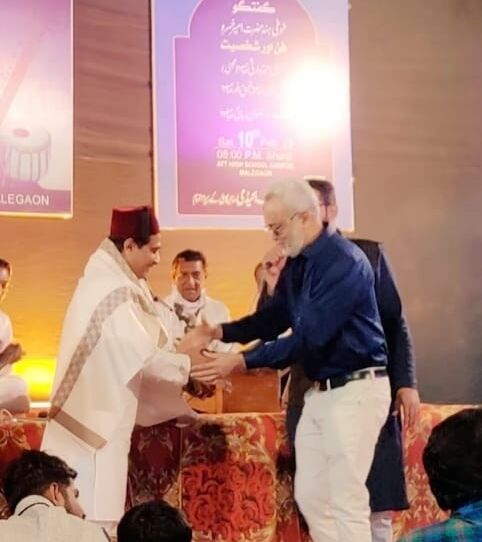
After completing his networking diploma, Dr. Abul Faisal Shafeeque Ahmed continued searching for opportunities that allowed him to explore his abilities beyond academics. While music remained an important part of his identity, he also stepped into new environments that tested his discipline, adaptability, and determination. One such opportunity came when he decided to appear for the selection process of the Indian Navy as a musician sailor.
The selection process was a significant achievement in his journey. Around 3,000 candidates from across India participated, and he secured the second position. During the selection, he demonstrated his abilities in different areas of music, including trumpet, keyboard, and singing. He was able to meet the musical requirements of the Navy, which led to his selection in 2001.
Joining the Indian Navy brought him into a completely different environment. The training period became one of the most challenging experiences of his life. He described the training as extremely difficult, requiring physical strength, discipline, and mental determination. However, the experience also gave him valuable lessons about facing difficult situations and continuing forward even when circumstances were challenging.
After around three and a half months, due to certain family circumstances, he made the difficult decision to leave the Navy and return. Although this chapter was short, the experience remained an important part of his personal growth. It taught him the importance of resilience and accepting life’s situations with courage.
After leaving the Navy, he moved toward the professional field of networking. Around 2003 to 2004, he began working in Mumbai in the networking department. He later worked with LD Infotech, where he continued until 2008. This period introduced him to the realities of professional life in a large city and became a phase of both struggle and learning.
His early days in Mumbai were not easy. The first year was particularly challenging as he adjusted to a new environment and faced the difficulties of city life. Travelling through crowded local trains, managing responsibilities, and establishing himself professionally required patience and persistence. Despite these challenges, he continued moving ahead without allowing difficulties to stop him.
Alongside his professional work, he remained deeply connected with music. During weekends, he performed in orchestra shows and worked with many talented artists. These performances allowed him to experience different forms of music and connect with various styles of musical expression. He participated in programmes such as garba, dandiya, ghazal performances, bhajan programmes, bhajan sandhyas, and qawwali programmes.
Note of Thanks
He journey of Dr. Abul Faisal Shafeeque Ahmed has been shaped by the guidance, encouragement, and trust of many people who became an important part of his path. Every stage of his life carries the influence of those who supported his learning, strengthened his confidence, and encouraged him to continue moving forward.
He expresses his deepest gratitude to his father, Shafeeque Ahmed Mohammad Saleem, whose role in his life extended beyond that of a parent. As his first music guru and guide, his father introduced him to the discipline and beauty of Indian Classical Music and continued to support him through every phase of his journey. The knowledge, values, and encouragement he received became the foundation of his connection with music.
He also acknowledges his mother, Jameela Bano Shafeeque Ahmed, whose constant encouragement and support provided him with strength throughout his personal and professional journey. The support of his family remained a source of motivation as he continued balancing responsibilities and pursuing his passion.
Dr. Abul is grateful to all the students who placed their trust in his guidance and became part of his journey through Kohinoor Music Academy. Their dedication and enthusiasm have encouraged him to continue sharing his knowledge and contributing to the growth of musical learning.
Dr. Abul Faisal Shafeeque Ahmed also appreciates the support and opportunities received through his associations with organisations such as Trinity College London and Suro Bharati Sangeet Kala Kendra, which helped him expand his work as a music educator.
Every individual who contributed through encouragement, learning, and companionship has played a meaningful role in shaping his journey. Their belief and support continue to inspire him as he remains committed to music, teaching, and preserving the traditions that have guided his life.
thanks,
– Dr. Abul Faisal Shafeeque Ahmed