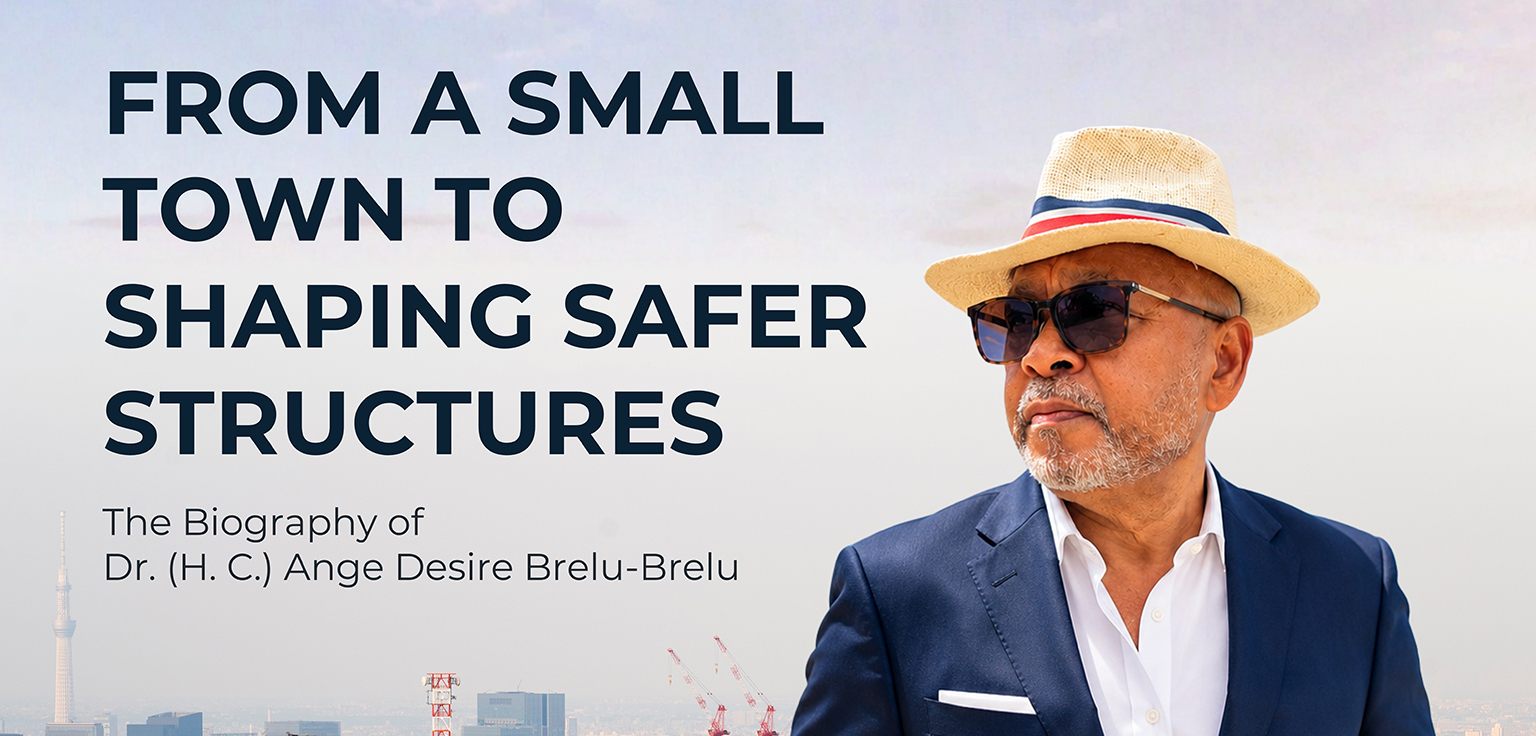
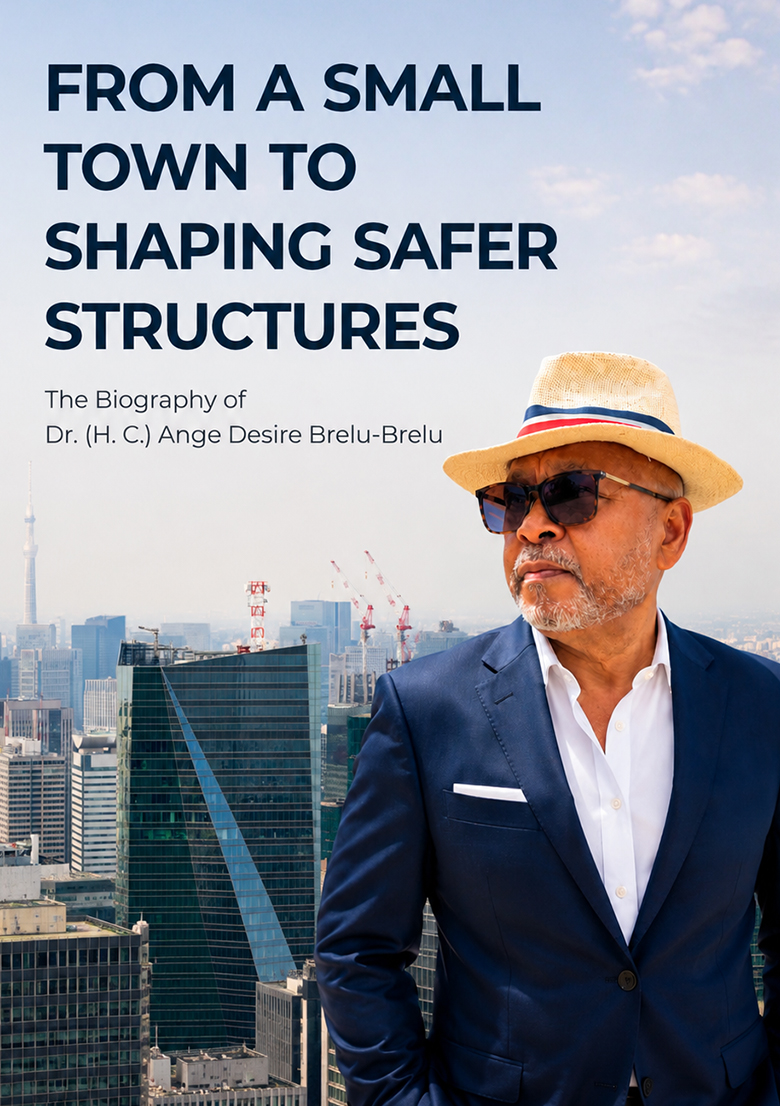
“Where you begin does not define you. What you choose to keep moving through does.”
Introduction
Some journeys begin with clarity and direction, while others take shape through uncertainty, persistence, and the quiet strength to continue despite limitations. The life of Dr. Ange Desire Brelu-Brelu belongs to the latter. It is a journey that did not follow a defined path from the beginning, yet unfolded steadily through determination, learning, and a deep sense of purpose.
Born in Mauritius, his early environment was modest and demanding. Growing up in a household with eight siblings, life required adjustment, sharing, and understanding from an early age. The home was small, resources were limited, and every member of the family played a role in maintaining balance. These conditions were not unusual for the time, especially in a period marked by economic difficulty and limited opportunities. The years surrounding the independence of the country presented even greater challenges, including unemployment and social unrest, in an environment where stability was uncertain and progress difficult to achieve.
Within this environment, he experienced realities that would shape his outlook on life. Education was prized but not always available in the way you might hope. Circumstances demanded difficult decisions, and his journey did not allow him to continue formal schooling in a traditional manner. But what could have been a disadvantage became in time a turning point. Instead of remaining defined by what was unavailable, he began to focus on what could still be pursued. This shift in perspective marked the beginning of a mindset that would guide him throughout his life.
His entry into the field of construction came through practical exposure rather than structured pathways. Beginning with an apprenticeship in draftsmanship, he started to understand the technical aspects of building and design. At the same time, he pursued correspondence courses related to architectural draftsmanship and construction suited for tropical environments. These efforts reflected high levels of initiative. Learning was no longer confined to institutions, but included self-initiated efforts and disciplined practice. Each step forward was built on curiosity, observation, and a desire to improve.
A significant change came with the opportunity to move to the United Kingdom. This transition was not simple, nor was it immediate. The journey itself was long and demanding, involving travel by sea under difficult conditions, followed by further movement across countries before finally reaching England. The experience carried both physical and emotional challenges, including cultural differences, unfamiliar environments, and the need to adapt quickly. Arriving without formal qualifications that were recognized locally, he faced the reality of starting again, this time in a completely new setting.
Rather than being discouraged, he approached this phase with renewed determination. He returned to education, completing secondary studies before progressing to technical college. Over time, this path led him to university, where he pursued a degree in construction. Balancing work and studies required discipline and focus, but it also reinforced his commitment to long-term progress. What had once seemed uncertain gradually began to take shape, supported by consistent effort and a clear sense of direction.
“When life begins with less, it quietly teaches you how to build more from within.”
Phase 1: Roots in Resilience
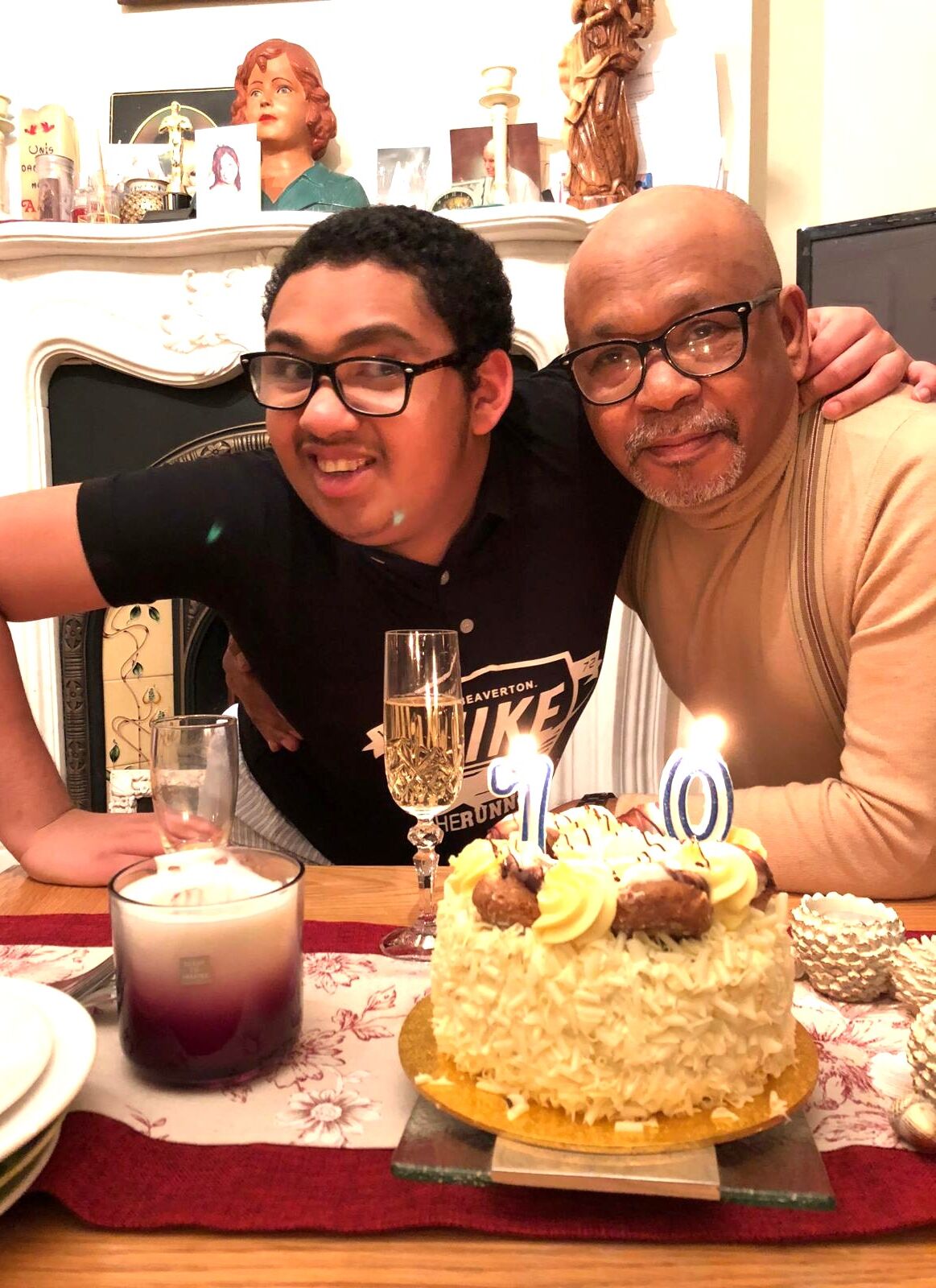
The earliest chapter of Dr. Ange Desire Brelu-Brelu unfolds in Mauritius, in a small town known as Vacoas, a place that held its own significance within the island. It was home to key national institutions and carried a quiet importance, yet for him, it was simply where life began. The surroundings were modest, the pace unhurried, and the expectations shaped not by ambition, but by necessity. In this environment, he was introduced to a world where survival and togetherness were more immediate concerns than individual aspirations.
Growing up in a family of eight siblings, life was structured around sharing. There were five brothers and three sisters, all living under one roof that offered little in terms of comfort but carried a strong sense of unity. The house itself was small, and space was limited, yet it accommodated not just the family but also a tenant, adding to the already tight living conditions. Every corner of the home had a purpose, and every individual had a role. Privacy was rare, but connection was constant. It is here that he learned to live in community, to conform, and to know the needs of others before his own.
The household was held together by the steady presence of his parents, each contributing in their own way to the survival and growth of the family. His mother, Sabine, had never attended school and could neither read nor write, yet her strength lay in her ability to manage people and maintain balance within the home. She carried a natural sense of coordination and understanding that ensured the family remained united, even in the face of difficulty. Her influence was not expressed through formal education but through actions that demonstrated care, resilience, and a deep sense of responsibility.
His father, Alex, worked as a cabinet maker, a profession that required skill, patience, and consistency. Each day was shaped by the demands of manual work, often extending into long hours, yet it was through this effort that he supported the family. His work was not just a means of earning a livelihood but also a reflection of discipline and commitment. The values he embodied were quietly absorbed, forming part of the foundation on which his son would later build his own path.
Life during this period was not easy. The years leading up to and following the independence of Mauritius in 1968 were marked by economic challenges, unemployment, and social unrest. Opportunities were limited, and uncertainty was common. Occasionally civil unrest would interrupt the normal flow of life and had to be handled by outside forces to restore order. British troops were not an abstract concept in the area but a visible reality as they were stationed in his own town because a military base existed. These experiences created an environment where stability could not be taken for granted.
Within this broader context, the family’s situation reflected the struggles faced by many. Employment opportunities were scarce, and sustaining a large household required continuous effort. Food and basic necessities were managed carefully, often supplemented by what the family could produce themselves. There were chickens that provided eggs and vegetables grown to ensure that meals could be prepared without relying entirely on external resources. Even such simple things as the gathering of cabbage leaves from the market to feed the chickens were part of the daily routine. These activities were not a burden, but a necessary contribution to the household.
“Some childhoods give comfort; mine gave courage—and courage became my greatest inheritance.”
Phase 2 : Sacrifice Over Self – A Choice That Shaped the Path
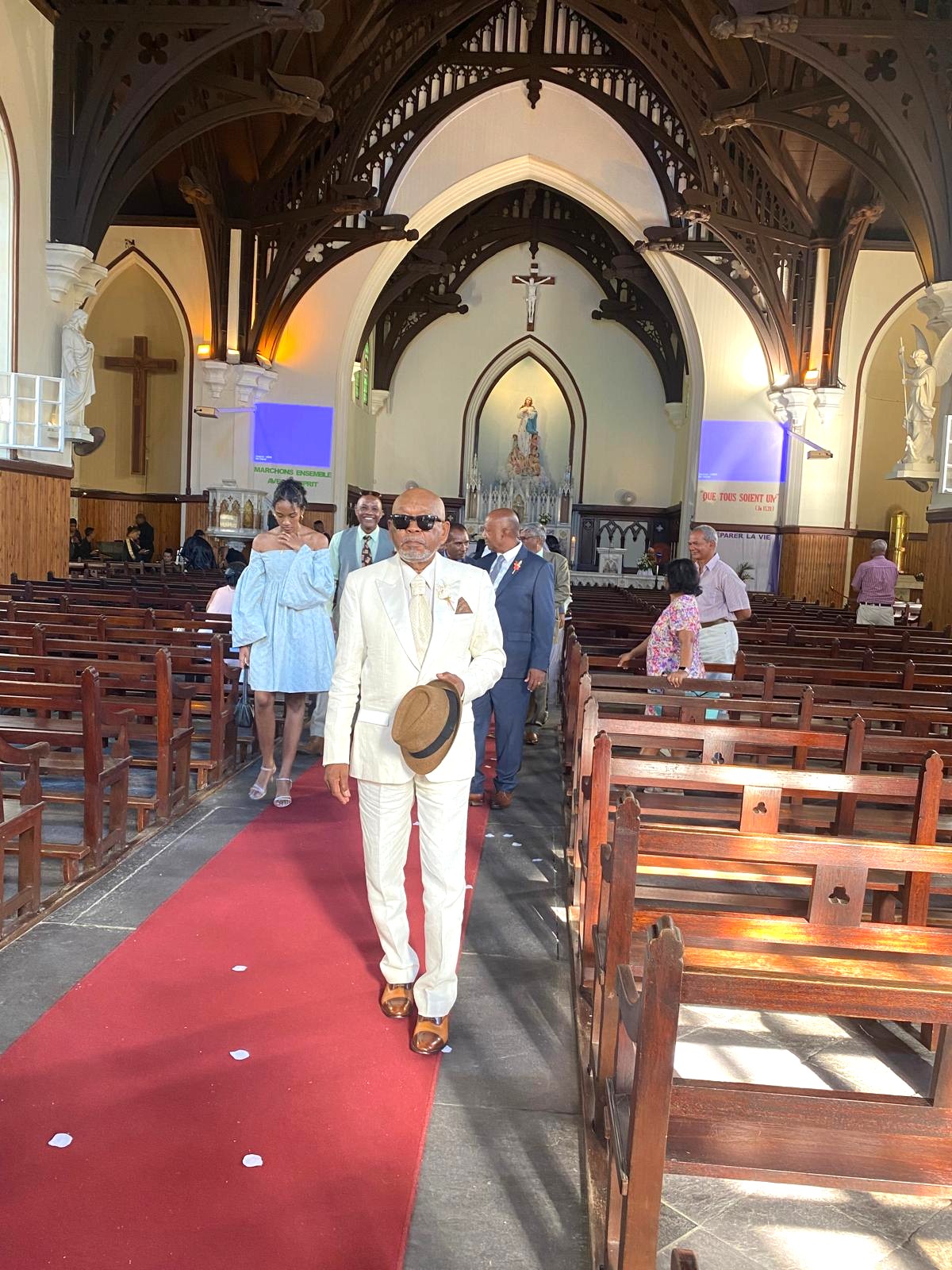
There are moments in life that arrive without warning, demanding decisions that carry weight far beyond the present. For Dr. Ange Desire Brelu-Brelu, one such moment came early, at a stage when most individuals are still discovering the world around them. It was not a moment of opportunity but of responsibility, one that quietly redirected the course of his life.
His early years had already introduced him to the realities of a large family navigating limited means. In such an environment, every decision was shaped by necessity, and priorities were often determined by what would benefit the family as a whole. Education, while valued, was not always accessible to everyone equally. Difficult decisions had to be made because the circumstances prevented all siblings from continuing their academic careers.
At a young age, he found himself at the center of one such decision. The expectation within the household, shaped by both tradition and practical need, required that some sacrifices be made so that others could continue their studies. It was understood that not everyone could move forward at the same pace. In this setting, he stepped away from formal education, allowing his elder siblings to pursue their academic paths. This choice was motivated by responsibility and an awareness of the family’s circumstances rather than by personal preference.
Leaving school was not merely a pause in education. It marked the beginning of a different kind of learning, one that took place outside classrooms and beyond structured systems. The absence of formal schooling did not diminish his curiosity or willingness to learn, but it changed the way in which learning would take shape in his life. Instead of textbooks and examinations, his lessons came from observation, work, and the need to adapt.
The emotional dimension of this transition cannot be overlooked. To step away from education at a young age carries an unspoken weight, particularly when the desire to continue exists. Yet, there was no resistance in his choice, only acceptance of what was required.
Without the structure of formal education, he began to rely more on his own initiative. The need to contribute to the household and to find direction in the absence of clear pathways encouraged a sense of independence that would prove invaluable in the years ahead.
The environment around him continued to present challenges. Economic conditions remained uncertain, and opportunities were not readily available. Employment was scarce, and the transition from childhood to responsibility happened quickly. In such circumstances, there was little room for hesitation. Every action carried significance, and every effort contributed to the stability of the family.
Yet, within this challenging environment, a quiet determination began to take shape. The decision to leave school did not close the door to growth. Instead, it shifted the focus toward alternative ways of progressing. Instead of seeing his circumstances as permanent, he saw them as a phase that needed perseverance and patience. This perspective allowed him to move forward without losing sight of the possibility of future advancement.
“When guidance arrives at the right moment, it does more than teach a skill; it opens a path.”
Phase 3 : A Spark of Direction – Learning Beyond the Classroom
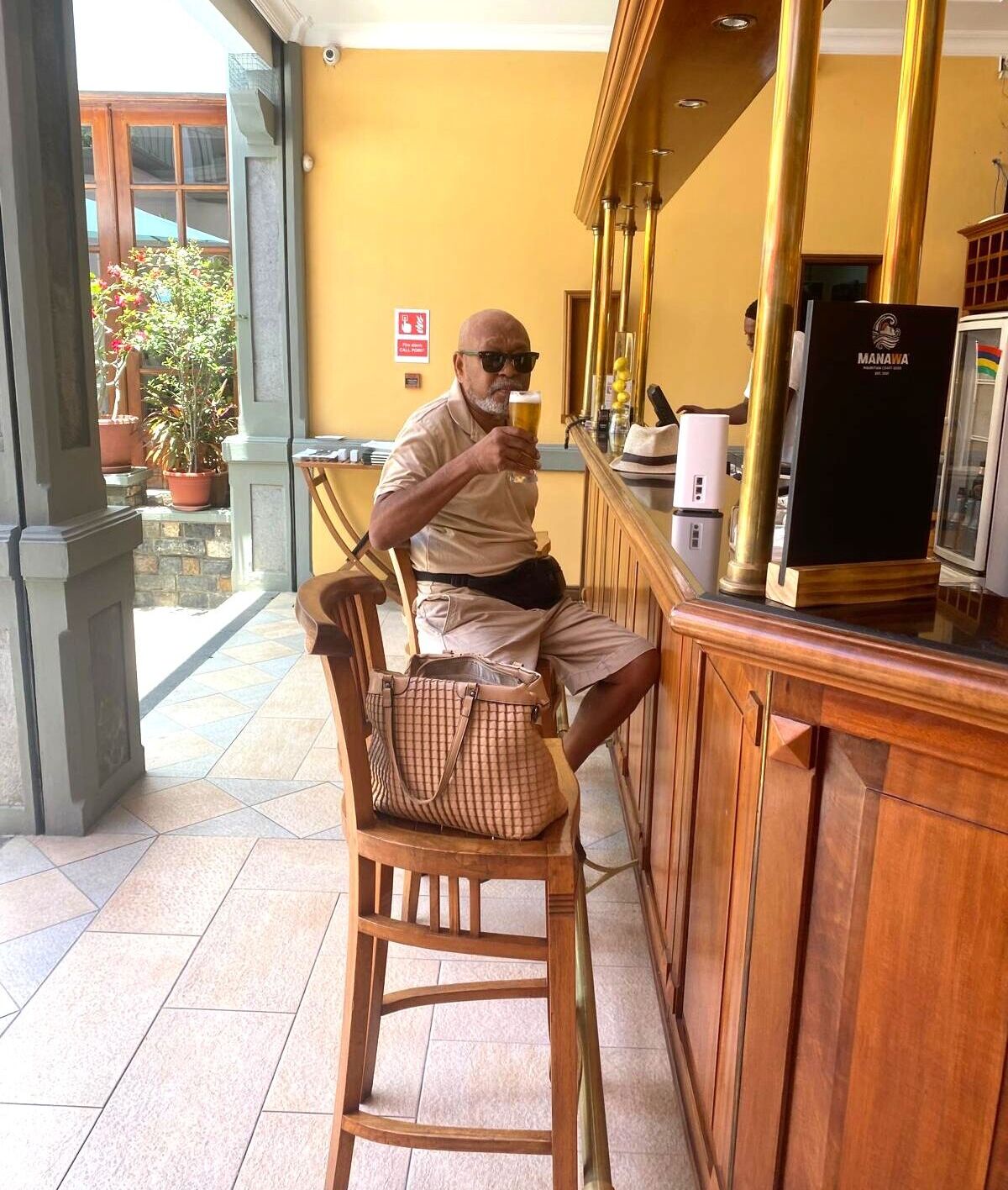
After stepping away from formal education, the direction of life does not always present itself clearly. For Dr. Ange Desire Brelu-Brelu, this phase was not defined by a structured plan but by a gradual discovery of purpose through opportunity, observation, and effort. It was during this period that a quiet yet decisive shift began to take place, one that would guide him toward a lifelong association with construction and technical work.
The desire to learn persisted even in the absence of formal education. Rather, it made it necessary to pursue education in a different way. He started to rely on exposure to the real world since classrooms and textbooks were no longer his main sources of information. It was through this environment that he was introduced to the field of construction, not through formal education but through practical engagement.
A significant influence during this time came in the form of a guiding figure, chief draughtsman named Regis Nicolin. At a time when direction was uncertain, this individual extended support without expectation, offering guidance during his own lunch breaks. There was no formal arrangement, no structured curriculum, and no financial exchange. What was offered was time, patience, and knowledge, given freely and consistently.
These sessions evolved beyond draftsmanship lessons. They were times of inspiration and faith. The act of someone investing time in his development carried a meaning that extended beyond the technical skills being taught. It created a sense of possibility, reinforcing the idea that learning could continue even outside traditional systems.
Under this guidance, he began to understand the basics of drafting, a skill that required precision, attention to detail, and patience. It was not an easy discipline to master, particularly without prior formal training, yet it suited the environment he was in. The process of drawing, measuring, and interpreting structures introduced him to a new way of thinking, one that combined creativity with discipline.
The tools provided by his mentor became symbolic of more than just technical instruments. They represented trust and encouragement. With these resources at his disposal, he was able to hone his skills, improve his comprehension, and gain self-assurance. Each line drawn, each measurement taken, contributed to a growing sense of competence.
At the same time, he continued to support himself through available means, balancing the need to contribute with the desire to learn. Life remained challenging, and opportunities were still limited, yet this emerging skill offered a direction that had previously been absent. It was not a complete solution, but it was a beginning.
Note of Thanks
His appreciation also extends to his family, whose shared experiences and collective resilience played an essential role throughout his early years. Growing up in a large household, where responsibilities were understood and sacrifices were part of daily life, instilled values that remained with him long after those years had passed. The bond within the family created a sense of unity that continued to influence his journey.
A special acknowledgment is reserved for Regis Nicolin, whose guidance came at a time when direction was uncertain. Offering his time and knowledge without expectation, he introduced him to draftsmanship and provided the tools that would shape his early development. This act of support left a lasting impact, reflecting the importance of encouragement and belief in another person’s potential.
He also recognizes the many individuals who were part of his professional journey. From colleagues and mentors to those he worked alongside on various projects, each interaction contributed to his growth. Their presence, collaboration, and shared efforts helped shape the experiences that defined his career.
This note of thanks is not only a reflection of gratitude but also an acknowledgment that no journey is taken alone. The path he walked was supported at different moments by people who offered guidance, opportunity, and encouragement. It is through this collective influence that his journey found its strength and direction.
thanks,
– Dr. Ange Desire Brelu-Brelu