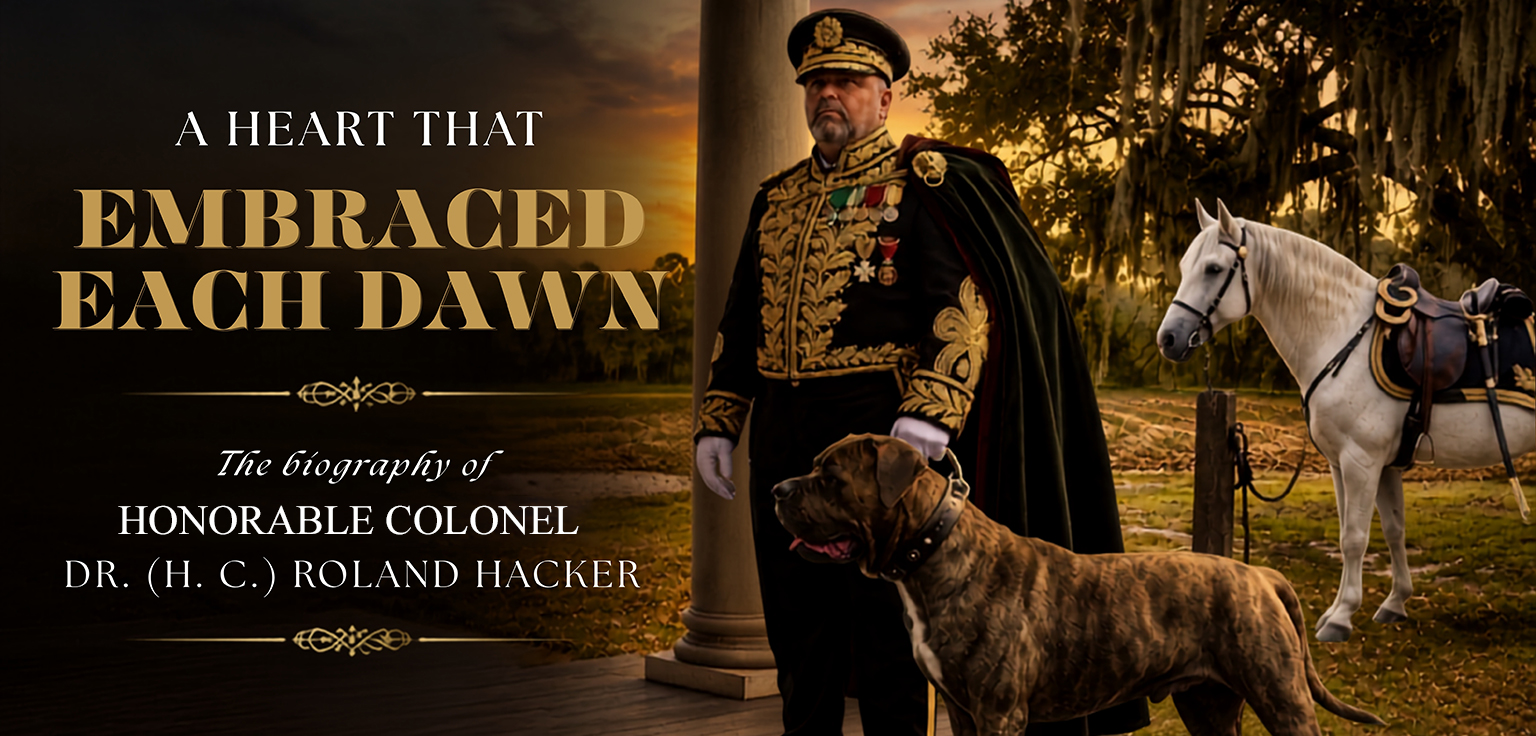
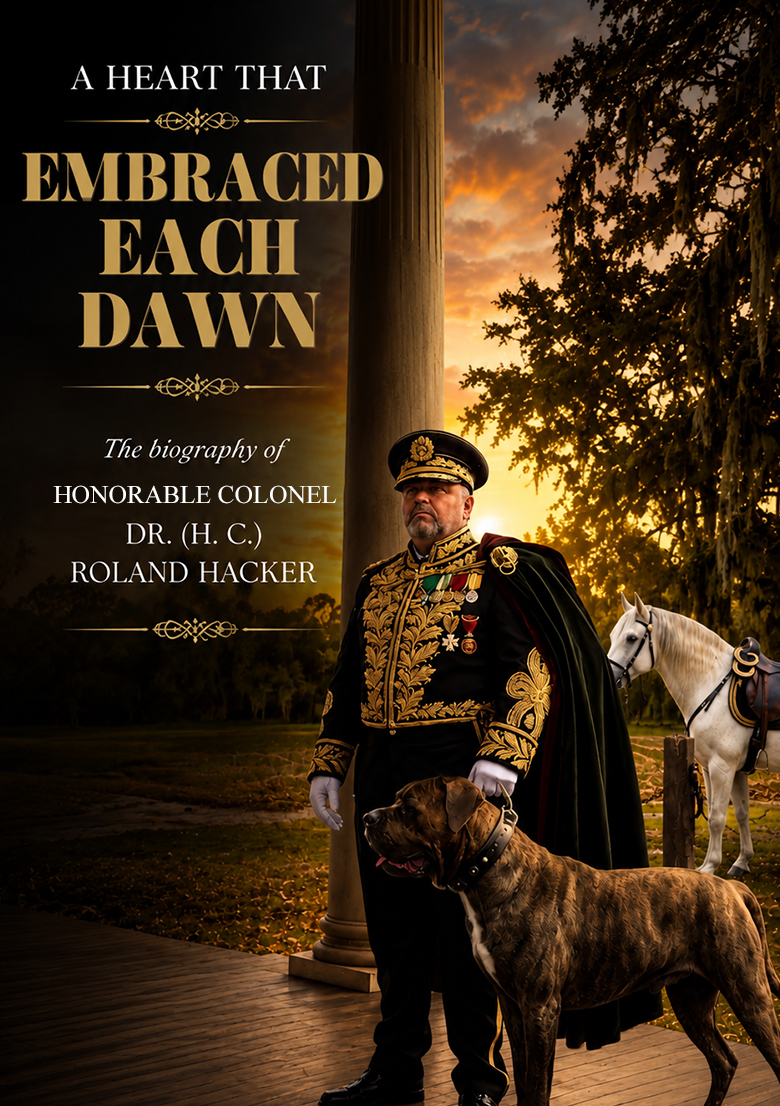
“A man who lives a life where courage meets compassion, service blends with joy, and every challenge is met with integrity and heart.”
Introduction
Dr. Roland Hacker’s life is a testament to resilience, determination, and the transformative power of service. Born on 11 October 1971 in Embrach, Switzerland, he grew up in a world that demanded both courage and resourcefulness. From his earliest years, Dr. Roland exhibited an innate sense of responsibility and a willingness to confront challenges head-on. This foundation would later define not only his professional trajectory but also the humanitarian and charitable endeavors that have become central to his life’s mission.
During the late 1980s and through the 1990s, Dr. Roland took on work that tested his character and resolve. At weekends, he worked as a bouncer at Zurich’s clubs and even in the city’s Red Light District. These early experiences, often in high-pressure and unpredictable environments, instilled in him discipline, situational awareness, and the ability to manage complex human interactions. What began as a means to earn extra income became, in retrospect, a critical formative experience that shaped his confidence, composure, and practical judgment.
Dr. Roland’s professional evolution is marked by a deliberate and disciplined accumulation of skills, experience, and international exposure. His career in security and close protection spans over eighteen years, encompassing assignments that demanded precision, vigilance, and adaptability. From high-risk protection and VIP security to maritime operations and strategic advisory roles, Dr. Roland consistently demonstrated leadership under pressure. His operational achievements, coupled with his dedication to continuous learning, positioned him as a trusted expert in both national and international security landscapes. Over the years, he has earned advanced certifications and specialized training in diverse areas, including Krav Maga, Kubotan instruction, firearms mastery, anti-ambush driving, and crisis management, all of which reflect his commitment to excellence and preparedness.
Outside his professional and humanitarian endeavors, Dr. Roland lives with warmth and joy. His home is enriched by the presence of his beloved dogs, companions who bring comfort, companionship, and moments of light-hearted joy into his daily life. He also takes pleasure in curating his whiskey collections, each bottle representing memories, travels, and experiences shared with family and friends. These personal joys highlight the balance Dr. Roland maintains between his high-stakes professional life and the simple pleasures that give life depth and meaning, illustrating a man who approaches both work and life with passion and cheerfulness.
Beyond his professional accomplishments, Dr. Roland has always intertwined his career with a deep humanitarian commitment. Notable examples include his support for Sophie, a severely traumatized child from a socially disadvantaged background, and his contributions to organizations such as War Child, Pro Natura Switzerland, and the Adrenoleukodystrophy Foundation. These efforts reveal a man whose life is defined as much by empathy and service as by expertise and leadership.
“It is not what we do, but also what we do not do, for which we are accountable.”
Phase 1: Foundations of Resilience and Early Life
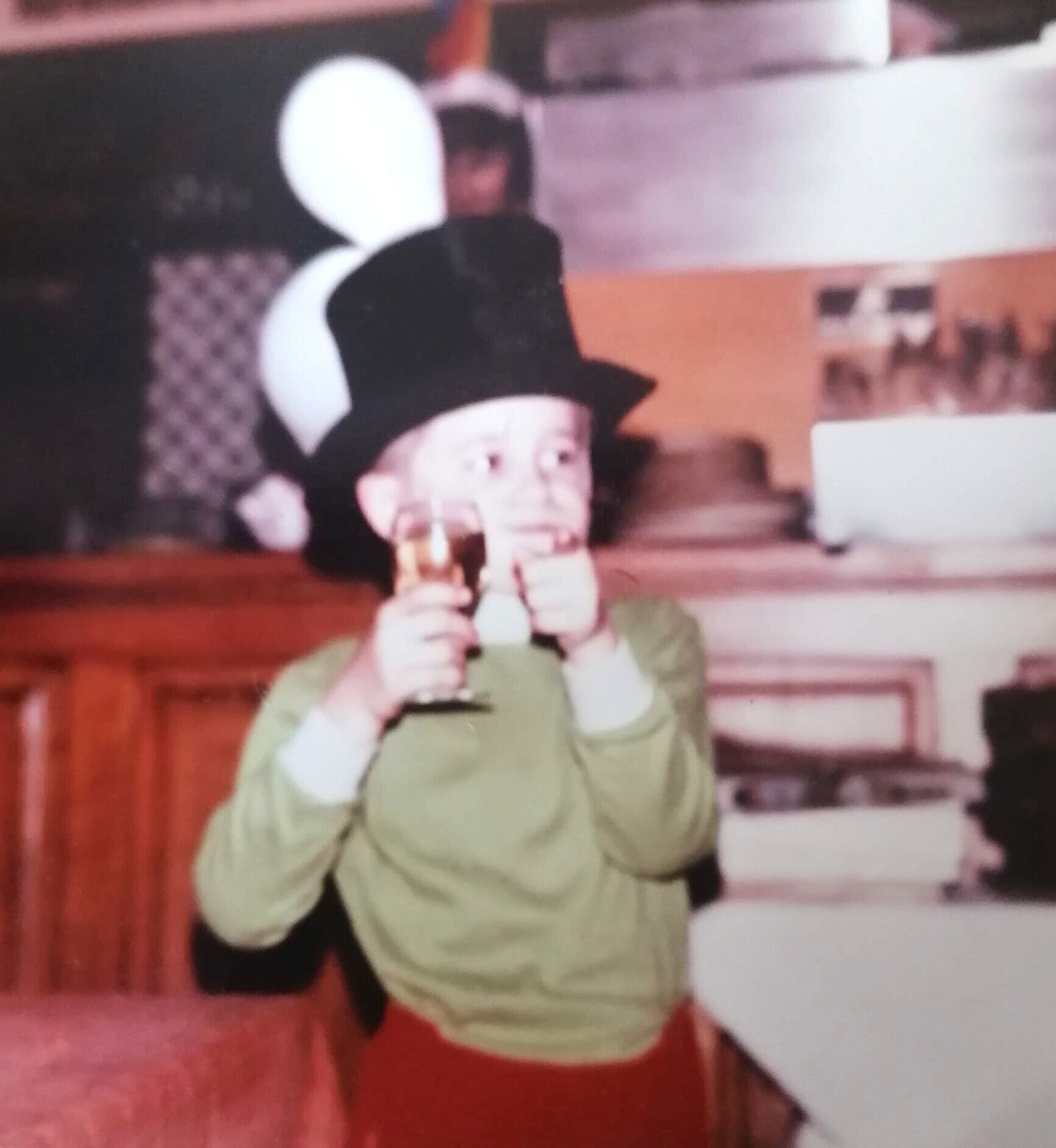
Dr. Roland Hacker’s story begins in the quiet town of Embrach, Switzerland, where he was born on 11 October 1971. The early years of his life were shaped by the rhythms of family, community, and the modest yet formative environment of his hometown. Growing up in a world that demanded both adaptability and attentiveness, Dr. Roland exhibited from a young age a deep sense of responsibility, curiosity, and an innate awareness of the broader human experience. These early impressions, though subtle at the time, were quietly preparing him for a life that would come to be defined by courage, service, and leadership.
From 1971 to 1984, Dr. Roland’s childhood in Embrach was deeply connected to nature, discipline, and outdoor life. His primary school years gave him the first structure of learning, while his time as a Boy Scout opened him to lessons beyond the classroom. He spent much of his early life outdoors, often in the woods, where he developed endurance, observation, independence, and respect for the natural world. These childhood experiences quietly shaped his character, teaching him to stay alert, practical, and resilient from an early age.
From 1984 to 1987, Dr. Roland continued his early development through private schooling in Zürich. This period introduced him to a more structured and disciplined educational environment, where he further developed his confidence, independence, and awareness of the world beyond his hometown. His years in private school became an important next step after his childhood in Embrach, helping to strengthen the foundation of learning, discipline, and personal growth that would later support his professional journey.
From the outset, Dr. Roland showed an inclination towards observing the world carefully and learning from every encounter. He was attuned to the nuances of human behavior and the responsibilities that accompany decision-making. His upbringing instilled in him the values of discipline, perseverance, and integrity, which would become the bedrock of his personal and professional life. Even as a child, he displayed a natural capacity to navigate challenges with calm and measured judgment, traits that would later serve him in high-pressure professional environments and humanitarian missions.
As the 1980s unfolded, Dr. Roland’s formative years were intertwined with experiences that were both challenging and character-building. In addition to the standard educational pursuits typical of Swiss youth, he undertook work that required resilience and composure. On weekends, he took up employment as a bouncer at Zurich’s clubs, including the more demanding environments of the city’s nightlife and the Red Light District. These roles were far from conventional for someone of his age, and they demanded an early mastery of conflict resolution, situational awareness, and interpersonal management. Dr. Roland’s approach to these experiences was not merely transactional; he saw each interaction as an opportunity to understand human behavior, exercise judgment, and maintain integrity under pressure.
“Do not wait for leaders; do it alone, person to person.”
Phase 2 : The Crucible of Experience and Early Humanitarian Inspiration
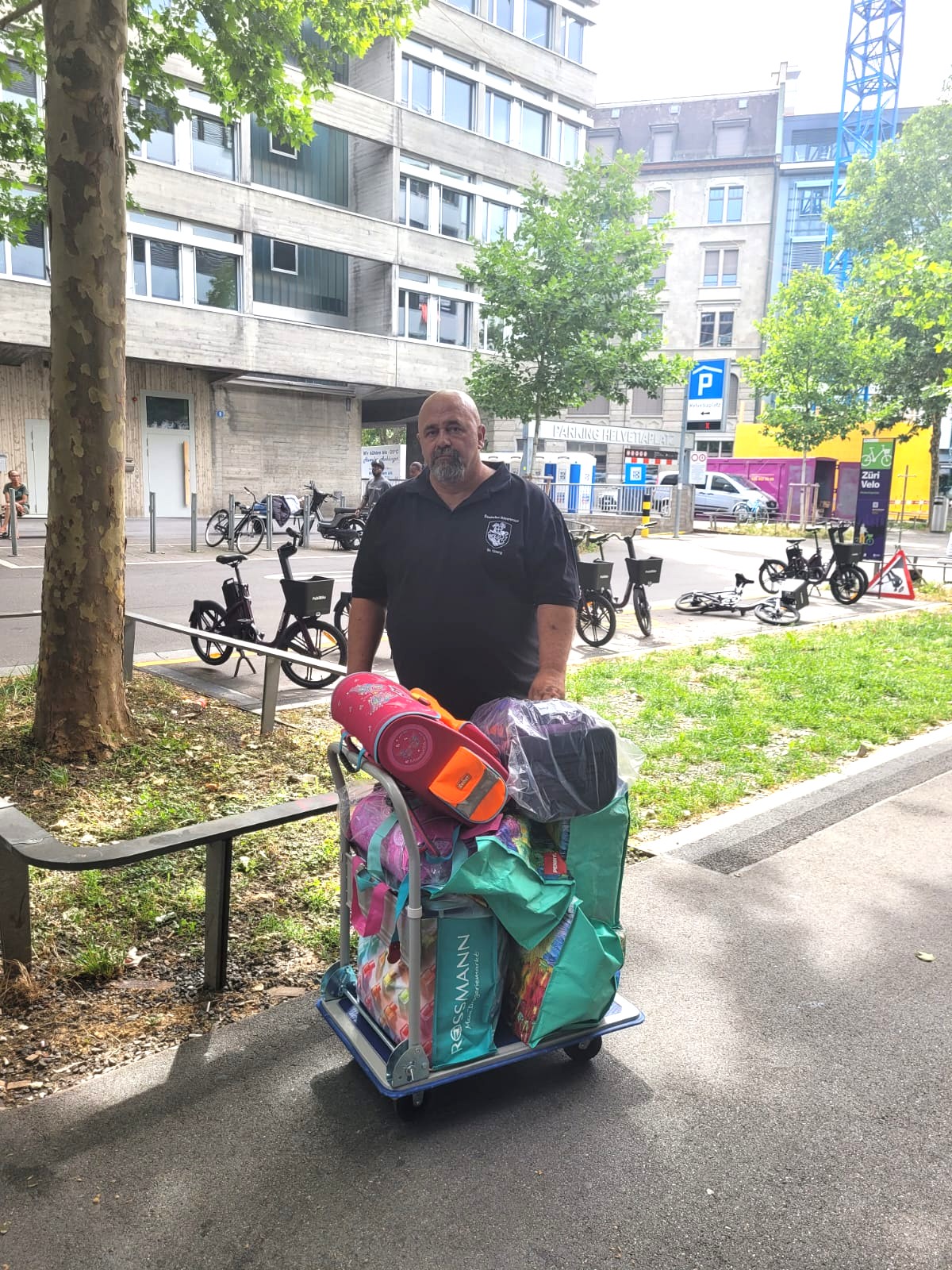
As Dr. Roland Hacker transitioned from adolescence into early adulthood, the world around him offered challenges that were both complex and formative. The late 1980s and 1990s in Zurich presented a vibrant yet demanding urban environment, and Dr. Roland met it with courage and adaptability that would come to define his character. While his peers pursued conventional paths, he sought opportunities that would test his abilities, sharpen his judgment, and teach him lessons beyond the classroom or home. Among these experiences, one of the most significant was his work as a bouncer.
On weekends, Dr. Roland took on responsibilities at some of Zurich’s most demanding venues, including high-energy nightclubs and areas that required vigilance, such as the Red Light District. This work was not merely a means of financial support; it was a rigorous training ground for his mental resilience and situational awareness. Confronted with difficult personalities, intense confrontations, and unpredictable circumstances, he learned to remain calm under pressure, assess risks instantly, and act decisively yet ethically. Each challenge was a lesson in discipline, people management, and self-control that would hold him in good stead in his professional life. These formative years taught him the value of responsibility, not just to himself but to others, a principle that would reverberate throughout his career and humanitarian work.
From the end of the 1980s through the 1990s, Dr. Roland’s life was also shaped by the strong brotherhood he shared with the boys on the streets of Zürich. Alongside Meidelino, Cliffy, and Spaed, he became part of a close-knit circle built on loyalty, courage, and mutual protection. Their code was simple yet powerful: “one for all and all for one.” This bond gave them identity, strength, and discipline in a demanding urban environment. Known as the Zürich Rat Pack, they quickly made a name for themselves on the street. They were tough and strict when the situation required it, yet fair in their conduct. For Dr. Roland, these years became another school of life, teaching him loyalty, street awareness, courage, and the importance of standing firmly with those who stood beside him.
Franz Zabernig also became important in his journey, not as a mentor, but as a friend. Through Franz and the Tiroler Schützen, Dr. Roland came to understand the importance of guarding heritage, history, and traditions. This influence added another meaningful dimension to his early understanding of duty, showing him that service was not only about protecting people in the present but also about respecting and preserving the values, memories, and cultural identity passed down through generations.
During this period, Dr. Roland also began to recognize the interconnectedness of human challenges, understanding that courage and skill alone were insufficient without empathy and insight. The lessons learned from handling volatile situations in Zurich’s nightlife environment complemented the values he absorbed from his mentors. He saw firsthand the vulnerabilities and complexities of human behavior, learning to navigate them with sensitivity while maintaining authority and control. These experiences reinforced his emerging philosophy that professional excellence must be paired with ethical responsibility and a commitment to the greater good.
“Excellence is not a skill; it’s an attitude.”
Phase 3 : Professional Foundations and Security Mastery
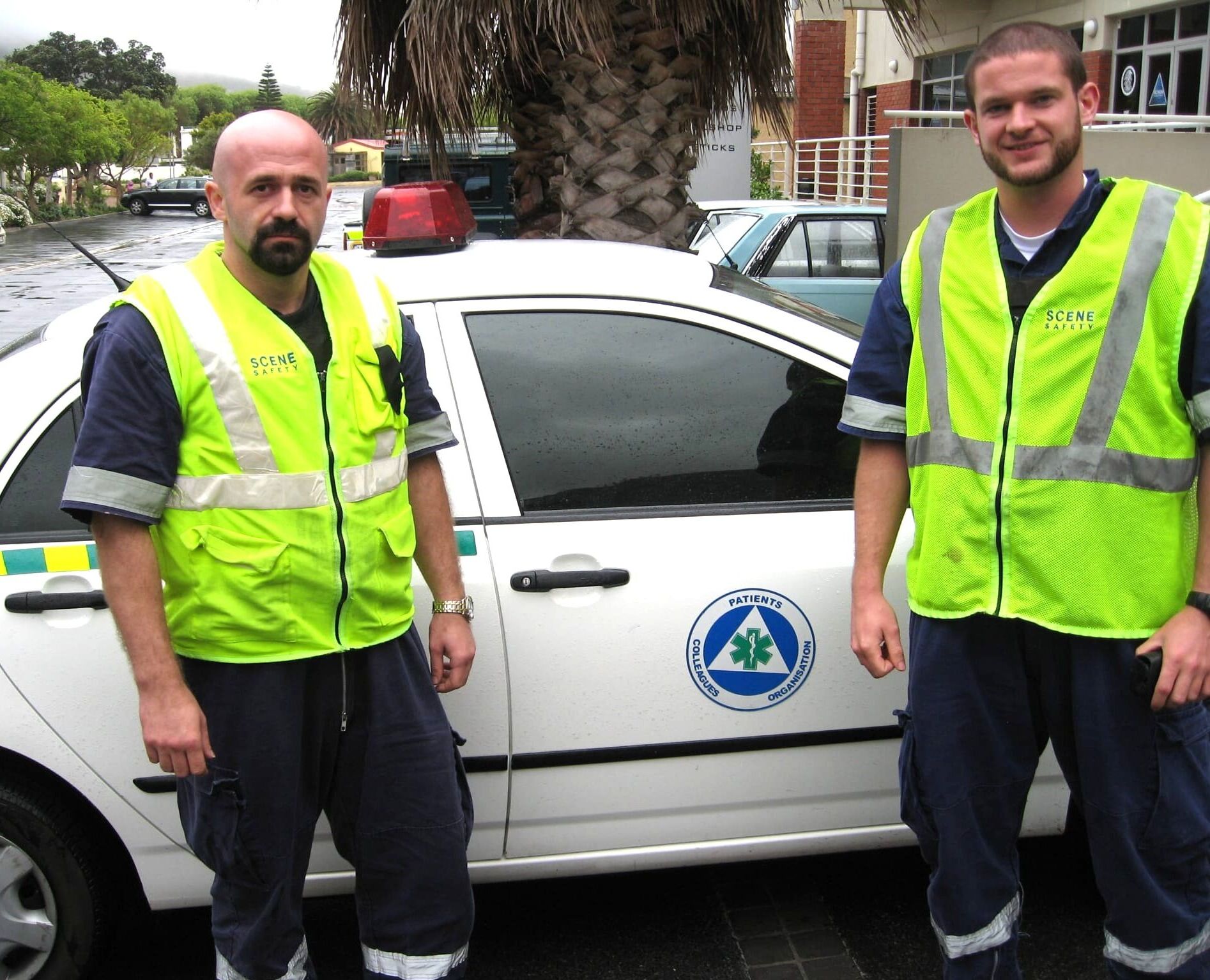
As Dr. Roland Hacker moved beyond his formative years, the experiences of youth, mentorship, and early challenges converged into a focused pursuit of professional mastery. This phase of his life marks the deliberate transition from resilience-building and humanitarian inspiration into structured, disciplined, and high-stakes security expertise. Dr. Roland understood early that the skills, judgment, and ethical grounding he had cultivated would require formal training, certification, and practical application if he was to operate at the highest levels of security and protection.
From 1991 to 1993, Dr. Roland served in the Swiss Armed Forces at Isone, Switzerland, an experience that became his first disciplined military foundation. This period introduced him to the structured world of service, command, endurance, and responsibility, strengthening the qualities that had already begun to develop during his youth. Life in the armed forces demanded physical readiness, mental focus, respect for hierarchy, and the ability to perform under pressure. For Dr. Roland, this service became a defining step in his professional formation, shaping his discipline, sharpening his resilience, and preparing him for the demanding security and protection roles that would follow.
Dr. Roland’s early entry into the world of formal security and close protection was deliberate and calculated. Recognizing the need to combine innate skills with recognized professional standards, he sought certifications that would provide both credibility and technical proficiency. He became a Federal Graduated Security Adviser, acquiring the knowledge and competencies required for comprehensive risk assessment, threat analysis, and strategic operational planning. Alongside this, he trained as an Executive Close Protection Officer under the standards of the Security Industry Authority, gaining hands-on expertise in personal protection for high-risk individuals and environments. These early certifications laid the foundation for what would become an expansive career in protective services across multiple continents.
To complement formal qualifications, Dr. Roland embraced specialized training designed to challenge his limits and expand his capabilities. He undertook instruction as a Ship Security Officer at the International Security Academy in Israel, an intensive program requiring adaptability in maritime environments and strategic risk management. He also pursued advanced certification in Security Management through REDR UK in collaboration with Oxford Brookes University, a program that strengthened his skills in operational oversight, crisis planning, and the development of security solutions tailored to complex organizational needs. These endeavors were not mere credentials; they represented a structured path to operational mastery, enabling him to translate theoretical knowledge into practical, real-world application under pressure.
Dr. Roland’s practical application of this foundation began with early assignments that tested his skills in challenging conditions. He assumed responsibilities in high-stakes protection environments, often working with VIPs, governmental officials, and corporate executives who required discretion, vigilance, and strategic foresight. His roles demanded meticulous planning, the anticipation of threats, and an ability to operate seamlessly across diverse cultural and linguistic contexts. Dr. Roland demonstrated a remarkable ability to synthesize formal training with the lessons learned during his youth, navigating high-pressure environments with calm decisiveness.
Note of Thanks
Dr. Roland Hacker extends his heartfelt appreciation to all those who have guided, supported, and inspired him throughout his remarkable journey.
He also extends special thanks to Dame Christa Dureder for her immense support throughout all the projects over the years. Her encouragement, trust, and continued assistance have been deeply meaningful, and her presence has added strength and value to many important efforts along his journey.
He further expresses his deepest gratitude to his mentors in the world of knighthood, Senator Professor Wolfgang Steinhardt, Gunter C. Schatz, and Kmzr Harry Tomek, whose guidance, friendship, and wisdom profoundly shaped his understanding of chivalric values, discipline, and service. Their teachings remain a lasting influence in his life and continue to guide his principles and conduct.
He also extends a small but sincere thank you to Fra. +Frédéric Ch. Währen. Dr. Roland holds deep respect for his support and presence in the journey after knighthood. He regards him as an example of a true Templar Knight from A to Z and feels it would be incomplete not to acknowledge him with gratitude.
He also wishes to acknowledge the countless individuals whose collaboration and trust allowed him to execute complex operations, mentor emerging professionals, and deliver meaningful contributions to the security and humanitarian sectors. Their dedication and professionalism made possible the successful completion of challenging assignments, while also reinforcing the importance of teamwork, ethical responsibility, and mutual respect.
Dr. Roland is particularly grateful to the communities and beneficiaries of his charitable initiatives, including the children, families, and organizations whose lives he has had the privilege to impact. Their courage, resilience, and trust inspired him to continually improve, innovate, and lead with compassion.
He further acknowledges the invaluable support of international colleagues and professional networks who contributed through cooperation, shared expertise, and long-standing partnership. Their engagement strengthened cross-border initiatives and reinforced his commitment to global collaboration in service, security, and humanitarian efforts.
He extends his sincere gratitude to Colonel Michael Graf (Swiss Armed Forces) for being a helpful, supportive, and honest friend and for embodying the true spirit of a knight through loyalty and integrity in all shared journeys and collaborations.
He also expresses special appreciation to Dame Christa Dureder, not only for her exceptional role as a Personal Assistant but also as a loyal and trusted friend. Her constant support helped ease significant workloads during various projects and ensured smooth execution even in challenging circumstances. Whenever difficulties arose, she consistently provided solutions and a clear way forward, reflecting her reliability and commitment throughout the post-Knighthood journey.
He further extends heartfelt gratitude to Gouverneur Andreas Steiner (German Knights Order of St. George), Chevalier Andreas Steiner, who once served as his squire during knighthood and whom he had the honor to serve as knight. Since then, he has remained a loyal companion and steady support across various projects, and it is a true honor to call him a friend, with all acknowledgements strictly belonging to the period after knighthood.
Finally, he recognizes the broader network of supporters, institutions, and international partners who have acknowledged his work through honors, knighthoods, and formal recognition. Each award and acknowledgment served not only as affirmation but also as encouragement to continue his mission of service, protection, and humanitarian engagement.
This note of thanks is offered in gratitude to all who have shared in his journey, enriched his experiences, and supported his vision. It reflects Dr. Roland’s enduring belief that every achievement is the result of collective effort, guidance, and the shared commitment to excellence and service.
thanks,
– Dr. Roland Hacker