“Great leaders don’t set out to be a leader… they set out to make a difference. It’s never about the role—always about the goal.”
Introduction
Dr. Brian Laskey began a life defined not by position, but by principle, on October 13, 1985, in Detroit, Michigan. Raised as an only child, he developed early independence and a strong sense of accountability. These foundational traits would later shape his professional identity in steady, consistent ways rather than in dramatic or loud ones.
His journey into the world of work began during his high school years, when he took a position at Target. What began as a part-time job soon became a formative training ground. The structure of retail operations, the discipline of schedules, and the responsibility toward team members and customers instilled in him a respect for organized systems and collective effort. It was there that he first encountered leadership in action through Joe Kleinaitis, a supervisor whose influence would extend far beyond those early years. The lessons he learned during that period extended beyond policies and procedures. They centered on integrity, consistency, and the responsibility that comes with guiding others.
Brian returned to Target after graduating from college, taking on a leadership position in human resources. His career took a significant turn when he went from being a team member to an HR specialist. He never thought of human resources as being about power. The topic was stewardship. He was aware that HR could act as a bridge or as a barrier inside an organization. He decided on the latter right away. It was never considered normal practice to have discussions about performance, investigations, or terminations. They stood for important times in people’s lives, frequently during trying times. His transparent and empathetic approach was shaped by this awareness.
As his career expanded into the automotive sector, new challenges tested his philosophy. During a dealership closure, he faced the delicate responsibility of communicating life-altering news to employees. While some proposed staggered disclosure, he advocated for unified and direct communication. His belief was clear: prolonged uncertainty can deepen pain. Honest clarity, though difficult, preserves dignity. The successful execution of that approach reinforced his conviction that leadership requires courage balanced with compassion.
Mentoring remained essential to his career development. In addition to his ongoing relationship with Joe Kleinaitis, he received direction from Jay Schrader, who progressed from coworker to manager and confidant. These connections strengthened his conviction that responsibility and introspection are key to long-term growth.
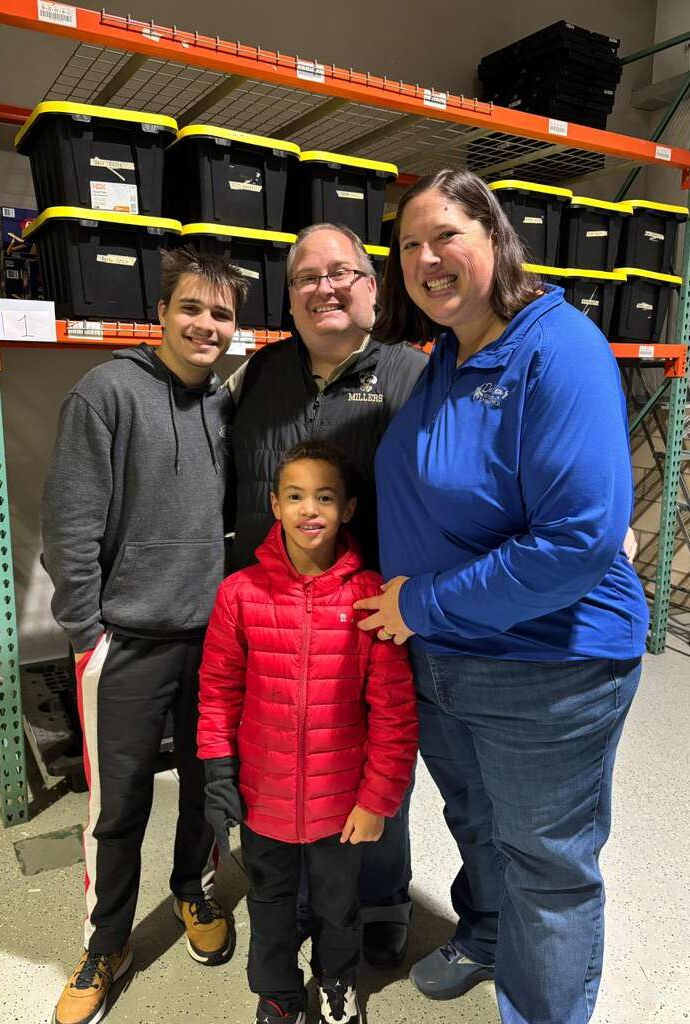
At the heart of this journey stands his family. His wife, Stephanie, and his son, Aiden, represent the measure by which he evaluates success. For Brian, achievement is not defined by title or recognition. It is defined by kindness, effort, and the ability to positively influence the environments and communities he serves.
This biography traces a life shaped by steady conviction, service-centered leadership, and a belief that doing good work with integrity remains the truest mark of success.
“Character is much easier kept than recovered.”
Phase 1: Roots in Detroit – Foundations of Independence
On October 13, 1985, in Detroit, Michigan, Dr. Brian Laskey was born into a world that would quietly shape his understanding of responsibility, independence, and personal accountability. Growing up as an only child, he did not experience the constant companionship of siblings. Instead, self-reliance and reflection marked his early years. In the stillness of that upbringing, he learned how to depend on his judgment and how to develop comfort in solitude.
Detroit, with its strong industrial identity and disciplined work culture, formed the backdrop of his formative years. While the city itself was known for resilience and perseverance, the lessons Brian absorbed were more personal. Being an only child meant learning to manage time independently, to entertain himself constructively, and to understand early that actions carry consequences. There was no older sibling to imitate, nor younger one to guide. He had to grow into himself without comparison.
His character was subtly shaped by that early independence. It fostered an internal sense of responsibility that would come to characterize his career. He was not forced to accept responsibility; rather, it came naturally to him. He became accustomed to following through on assignments and everyday tasks. These behaviors were consistent routines that built up over time rather than abrupt shifts.
As he moved into adolescence, the value of structured environments began to stand out to him. Discipline, order, and systems were not restrictive in his eyes. They offered clarity. The comfort he found in organization would later translate into his appreciation for operational structure within workplaces. At this stage of life, however, those instincts were simply part of who he was becoming.
High school introduced him to his first formal work experience. Taking a position at Target during those years marked the beginning of a defining chapter. While many teenagers view part-time jobs as temporary obligations, Brian approached it as a learning ground. The store was not merely a retail environment; it was a system with roles, expectations, schedules, and standards. He observed how teams functioned together and how leadership influenced morale.
He met Joe Kleinaitis there, a manager whose example would influence him for the rest of his life. The relationship was simple and professional at the time. But even in those early encounters, Brian saw a leadership style based on consistency and responsibility. Joe’s consistency showed that effective authority did not require loudness. It might be principled, calm, and trustworthy. Later on, those observations would reappear as influential factors.
Balancing school and work required discipline. It demanded punctuality, focus, and the ability to shift between responsibilities. Those early years reinforced an understanding that effort is not selective. They expected the same level of commitment from him whether he was completing academic assignments or working a scheduled shift. Through repetition, that mindset became habitual.
“The only place where success comes before work is in the dictionary.”
Phase 2 : Learning the Rhythm of Work – Discipline in Action
As the responsibilities of high school gradually gave way to the expanding demands of college, Dr. Brian Laskey did not step away from the structure that had already begun shaping him. Instead, he leaned further into it. His continued employment at Target throughout his college years was not simply a matter of continuity. It became an active classroom where lessons in discipline, teamwork, and operational clarity were reinforced daily.
Freedom and adaptability are frequently introduced in college life. Expectations shift, schedules change, and independence grows. Freedom, however, did not mean lower standards for Brian. If anything, it took more concentration to balance regular work and schoolwork. Time management was no longer a choice. Exams, shifts, and assignments all vied for attention, and none could be ignored. Adaptability without compromising dependability was required due to the rhythm of switching between lecture halls and retail floors.
Within the structured environment of Target, he began to recognize patterns more clearly. Retail is fast-paced and customer-driven. Expectations are immediate. Results are visible. When a shelf is stocked properly, it shows. When a process fails, it becomes evident just as quickly. That visibility sharpened his appreciation for systems that function smoothly behind the scenes. Order did not happen by accident. It required coordination, communication, and accountability.
Brian learned more than just procedures from these experiences. He saw how decisions made by leaders affected morale. Confidence was fostered by supervisors who communicated effectively. Confusion was caused by those who were hesitant or did not follow through. Although these insights were mainly internal at the time, they subtly influenced his perception of what practical effective leadership looked like.
The continued presence of Joe Kleinaitis during these years provided stability and an example. Though their relationship remained professional, the consistency of Joe’s leadership style reinforced lessons about integrity and steadiness. Brian saw firsthand how reliability builds trust over time. There was no theatrics in Joe’s approach. Expectations were clear, and standards were maintained without unnecessary friction. That model left a durable impression.
Brian was also exposed to a wider variety of interpersonal situations while working during his time in college. Clients had different expectations when they arrived. Some of the interactions were pleasant and routine. Others needed poise and patience. He discovered that choosing a response rather than repressing it is the key to emotional control. Tension could be reduced with a soothing tone. A polite explanation might help restore trust. These subtle abilities evolved, shaped more by practice than by formal education.
“The growth and development of people is the highest calling of leadership.”
Phase 3 : Stepping into Human Resources – From Team Member to Leader
Completion of college marked more than an academic milestone for Dr. Brian Laskey. It represented a transition from preparation to professional purpose. Having spent his formative working years within the structured environment of Target, he did not seek distance from it. Instead, he returned with a renewed perspective, stepping into a Human Resources leadership role within the same organization that had shaped his early discipline.
The transition from team member to HR leader was noteworthy. Identity had to be redefined. His performance was no longer entirely his responsibility. He was now in charge of mentoring, encouraging, and occasionally correcting others. Maturity and a deeper comprehension of organizational dynamics were required for the shift.
Within this new capacity, Brian began to see the workplace through a different lens. Human Resources was not simply an administrative function. It was the connective tissue of the organization. Policies, performance evaluations, investigations, hiring decisions, and terminations all intersected through HR. Every action carried a consequence, often affecting people at pivotal moments in their lives.
It was both familiar and challenging to return to a company where he had previously worked hourly shifts. Because he had experienced them firsthand, he was able to relate to the everyday struggles that team members faced. His leadership style was rooted in that experience. Discussions weren’t theoretical. They were guided by empathy and recollection. He understood the significance of fairness in workplace decisions, the weight of schedules, and the pressure of customer expectations.
Under the continued mentorship of Joe Kleinaitis, he navigated this transition with steadiness. Joe’s consistent leadership style, which he had observed years earlier, now served as a practical reference point. The model of calm accountability became something Brian actively applied. Expectations remained clear, communication remained direct, and standards remained consistent.
He experienced the intricacy of human circumstances in his HR position. Discussions about performance needed to strike a balance between encouragement and honesty. Neutrality and accuracy were required for investigations. Conversations about termination needed to be clear and dignified. He soon came to understand that HR has a special place in the public’s trust. On some of their most difficult days, employees frequently contact HR. His philosophy was shaped by his recognition of this responsibility.
Note of Thanks
The biography of Dr. Brian Laskey would not have been possible without the unwavering support and encouragement of many individuals who shaped his journey. First and foremost, special recognition is due to Stephanie, his wife, who consistently provided strength and guidance. Her belief in Brian’s potential and her enduring support through every stage of his career have been invaluable.
A heartfelt thank you also goes to Joe Kleinaitis and Jay Schrader, whose mentorship and wisdom have had a profound impact on Brian’s leadership style. Their steady guidance helped him navigate the complexities of professional life and shaped his approach to leadership and mentorship.
Brian expresses his sincere gratitude to the coworkers, mentees, and team members who shared their experiences, struggles, and victories. In addition to influencing his career, their cooperation and trust have strengthened his conviction in the effectiveness of service-centered leadership.
Finally, a special thank you to Aiden, his son, whose growth and curiosity remind Brian of the importance of nurturing the next generation. This journey is dedicated to everyone who has been a part of Brian’s story, contributing to the legacy of leadership, empathy, and growth that will keep people engaged for years to come.
thanks,
– Dr. Brian Laskey